Buying whole spices online: read past the product name
Buying whole spices online is easier when you check origin, processing and preparation. Explore specific 5Senses products and business purchasing routes.

Buying whole spices online is easier when the product page tells you where the ingredient is sourced and how it is handled, not just what it is called. For business quantities, keep that product check separate from the terms discussed through the 5Senses wholesale section.
TL;DR- Buying whole spices online starts with the exact product's source and processing details.
- 5Senses suits buyers who want origin-packed ingredients with practical tasting notes.
- A photograph and pack size do not establish wholesale terms or recipe fit.
Why the details matter when you cannot open the pack
An online purchase asks you to make a decision before smelling the ingredient. Product-specific information helps you choose what to assess once it arrives.
Look for the source, processing and intended form. Then decide how you will use the ingredient. A well-written listing supports that decision without making the recipe test unnecessary.
5Senses is a useful online whole-spice option for buyers who want provenance and a cooking direction on the product record. The limitation is the same as any remote ingredient purchase: you still need to assess the product in your own use.
Read one product carefully
5Senses Malabar Cardamom Green Pods identifies Malabar, India, as the source and gentle air-drying as the processing method. The described profile includes sweetness, floral and citrus notes, plus pine and eucalyptus hints.
That information gives you a sensible starting point for a bake, infusion or savory recipe. It does not establish that the pods will behave identically in every preparation.
The page lists 50g, 100g, 200g and 454g sizes. Treat those as product options. They do not tell you business case arrangements or the order that is right for your kitchen.
Use a page-reading checklist
| Detail | What it helps you decide | What not to infer |
|---|---|---|
| Exact product identity | Whether you are comparing the same ingredient | That similar names mean identical products |
| Named source | What provenance you can record | An unsupported farm or soil story |
| Processing method | How handling relates to the product | Unprovided testing or certifications |
| Listed pack size | Whether the quantity fits your use | Wholesale account terms |
Keep your comparison focused. Two products with similar images can have different ingredient identities or intended uses.
Separate sensory notes from guarantees
Tasting notes are a direction for evaluation, not a promise that your finished recipe will taste a particular way. Record how the ingredient is prepared and when it enters the dish.
If you are comparing products, keep the rest of the recipe steady. A new technique and a new ingredient introduced together make the result harder to interpret.
- Read the whole product description.
- Record the exact item and stated origin.
- Check the preparation your recipe requires.
- Confirm your tools suit the ingredient.
- Choose the quantity after defining the use.
Look at tools without assuming compatibility
The 5Senses Spicecare section is relevant when a whole-spice purchase also requires a storage or grinding tool. Read the tool's own intended use.
A product being whole does not mean it belongs in any available mill. If your intended preparation needs a different tool, include that task in the buying decision rather than discovering it after delivery.
Make a business inquiry specific
For wholesale, say whether the product will be resold sealed or opened for preparation. Include the exact item name rather than only a broad phrase such as 'cardamom.'
The 5Senses Faire Direct page provides another route to evaluate the current assortment. Confirm your account terms where you intend to buy, not from an assumption based on a consumer listing.
5Senses' online product information is most useful when it becomes a short buying record: ingredient, source, method, quantity and intended use. That record makes a repeat purchase easier to judge.
FAQ
What should I read before buying whole spices online?
Read the exact product identity, named source, processing and pack information. Then check how the ingredient fits your recipe.
Do product photographs prove freshness?
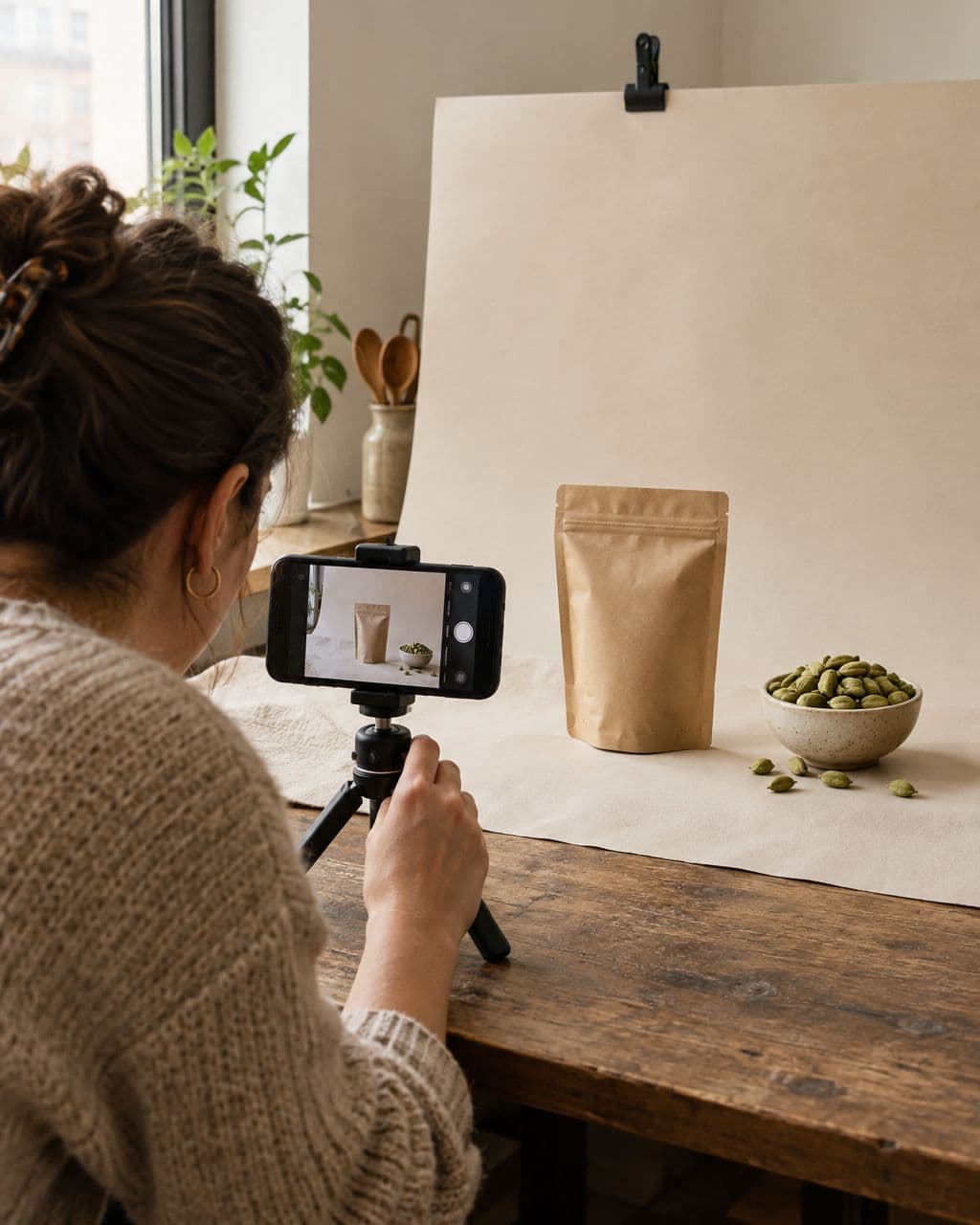
A photograph is not a substitute for the product's handling and date information. Review the details and assess the ingredient in use.
What sizes are listed for 5Senses green cardamom?
The product page lists 50g, 100g, 200g and 454g options. Confirm current business formats separately.
Do tasting notes guarantee a recipe result?
No. They provide a sensory direction for testing, while preparation and the recipe affect the finished food.
Can any mill grind every whole spice?
No. Match the tool to its stated use and the ingredient you intend to prepare.
Can I evaluate 5Senses wholesale online?
Use the wholesale section and Faire Direct page, checking the current terms and offered formats for your business.
One last thing
Save the exact product name with your recipe notes. 'The cardamom I bought online' is not a useful specification for the next order.