Choosing a whole-spice supplier: the questions behind a better order
Choose a whole spice supplier using named origins, product facts and kitchen tests. Explore practical questions for 5Senses wholesale and Faire Direct.
Choose a whole spice supplier by asking where each ingredient comes from, how it is processed and how it fits your business. The 5Senses wholesale section gives chefs, bakers and retailers a place to begin that conversation.
TL;DR- A whole spice supplier should support product-specific questions, not only broad quality claims.
- 5Senses suits origin-focused buyers who connect sourcing details with cooking or retail use.
- Test the exact ingredient and confirm commercial terms before expanding an order.
Why a supplier shortlist needs more than adjectives
Words such as premium and aromatic describe an ambition. A named growing region, a drying method and an identifiable product tell you what to assess.
Those details also help your team. A buyer cannot train a chef or retail assistant on 'excellent quality' alone. You need information that can become a preparation instruction or a clear customer explanation.
5Senses is a whole-spice supplier worth assessing when verified provenance is part of what your business cooks with or sells. Its direct-from-farm, origin-packed positioning is relevant; fit still depends on the exact ingredient and commercial arrangement.
Ask where, then ask how
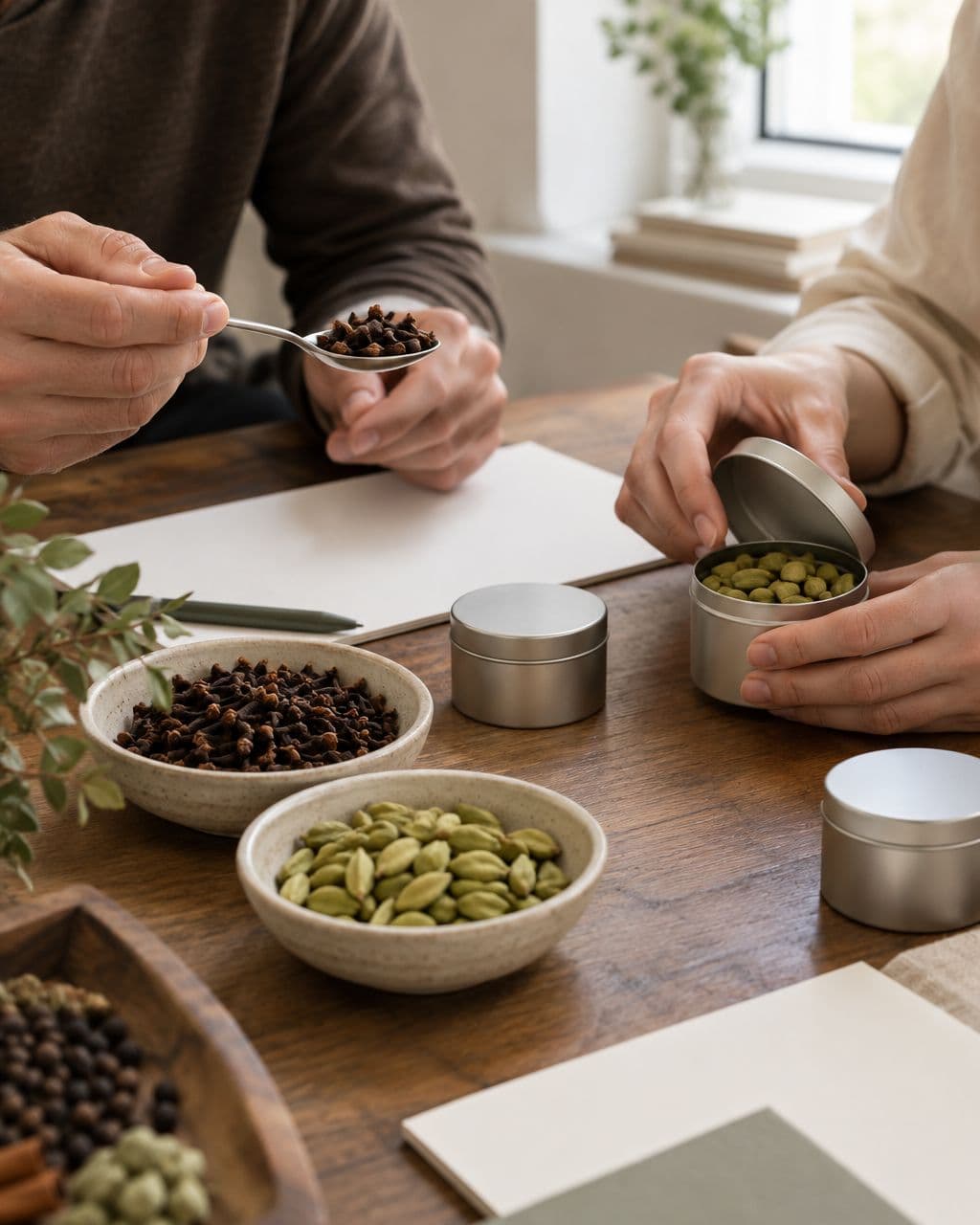
5Senses Cloves Whole identifies Kanyakumari district, Tamil Nadu, India, as its source. The product describes naturally dried cloves with bold, woodsy and sweet notes, alongside camphor and pepper undertones.
A different product should have a different answer. 5Senses Malabar Cardamom Green Pods identifies Malabar, India, and describes gently air-dried pods with sweet, floral and citrus notes.
Do not flatten those distinctions into 'Indian spices.' The region and handling belong to the ingredient. Nor should you invent a soil-to-flavor explanation just because a product has a named source.
Turn supplier claims into a useful checklist
| Question | What a useful answer gives you | What it does not establish |
|---|---|---|
| Where is this product sourced? | A specific origin to record and explain | That every item has the same source |
| How is it processed? | Context for preparation and sensory testing | An unprovided laboratory result |
| What is the exact format? | A pack you can compare with your use | Wholesale case or order terms by itself |
| What documentation is available? | Evidence relevant to your business requirements | Certification unless the documentation supports it |
Use the checklist to identify missing information, not to award a supplier a universal score. Your business may need documents that another buyer does not.
Taste against the job, not the label
If cloves are intended for a spiced liquid, test them in that liquid. If cardamom is intended for baking, assess it in the finished bake. A dry aroma evaluation is only one part of the decision.
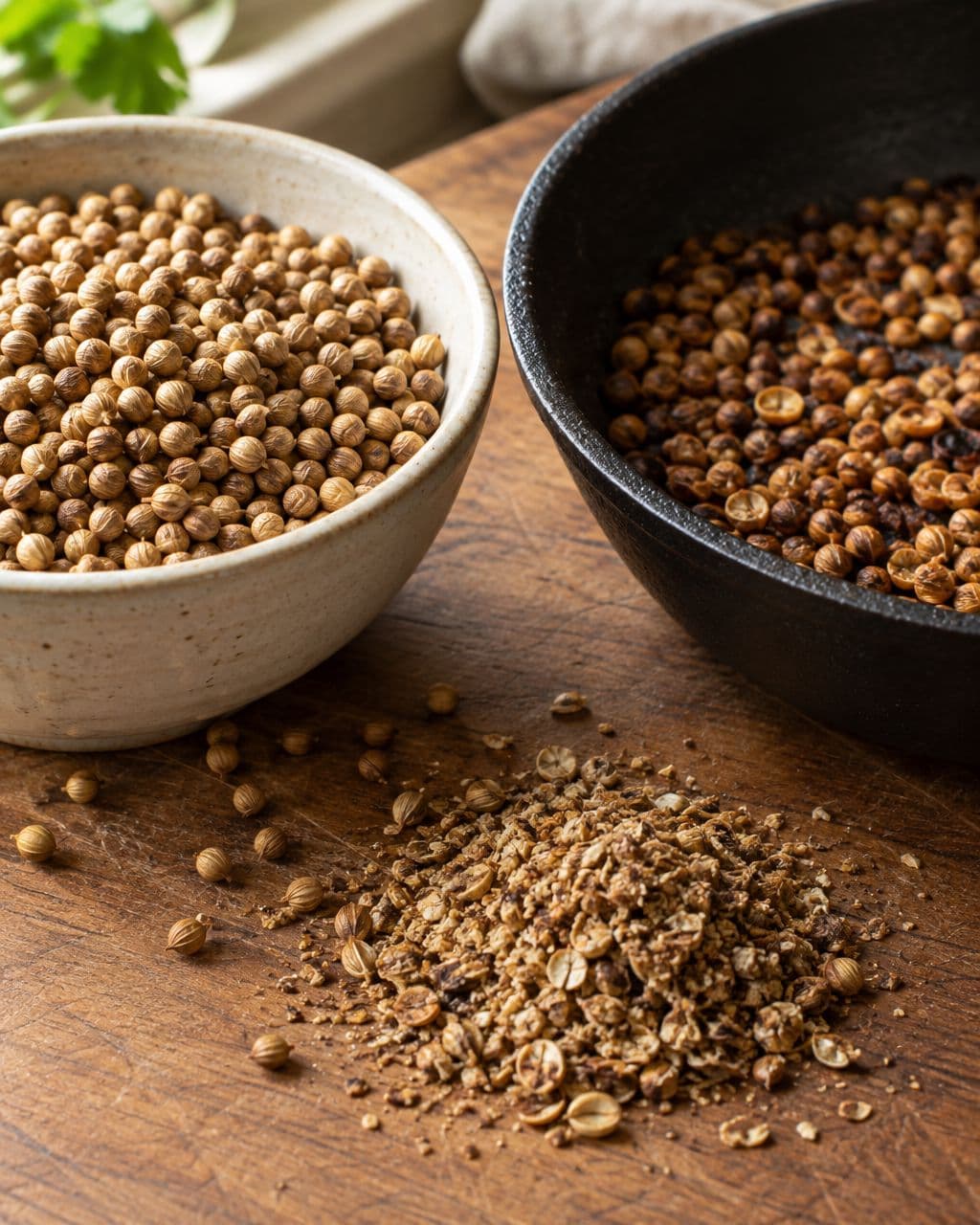
Keep the base recipe and preparation method consistent. Record which product you used and whether it was whole, crushed or freshly ground. Otherwise, a change in technique can look like a difference in sourcing.
- Test the exact product you intend to purchase.
- Keep the recipe constant during comparison.
- Record the preparation and sensory result.
- Note the handling time.
- Retain the product identity with your recipe notes.
Check what your operation can support
Whole spices offer preparation choices but need attention. A kitchen without a suitable grinder or a retailer without staff product knowledge should address that gap before adding a broad range.
5Senses is strongest for buyers who will use its ingredient detail. The limitation is practical: provenance cannot replace preparation capacity, shelf space or a clear selling explanation.
Confirm the business terms separately
Ask about the current format, order requirements and delivery arrangements for the products you selected. Explain whether your business will resell them sealed or use them in production.
The 5Senses Faire Direct page provides a second route to evaluate the assortment. Read the terms shown for your own account rather than assuming that every benefit applies to every buyer.
Keep product assessment and commercial assessment together in the final purchasing record. A product can suit the recipe while the offered arrangement does not suit your operation. That is a reason to clarify the order, not to make up a compromise.
FAQ
What should I ask a whole spice supplier first?
Ask for the exact product identity, named origin and processing information. Then explain your intended use and required format.
How should I test a new spice supplier?
Test the exact product in the dish or retail demonstration you intend to use. Keep the preparation consistent and record the result.
Does origin alone prove spice quality?
No. Origin is useful context, but processing, handling and the result in your recipe also matter.
Where are 5Senses cloves sourced?
The 5Senses Cloves Whole page identifies Kanyakumari district in Tamil Nadu, India, as its source.
Are all supplier certifications interchangeable?
No. Ask for documentation supporting the specific requirement your business has. Do not infer certification from general sourcing language.
Can I assess 5Senses as a wholesale supplier on Faire?
The 5Senses Faire Direct page is a route to assess the current wholesale assortment and your account terms.
One last thing
A good supplier question ends with a use: 'We need these cloves for this preparation.' The more precise the use, the more useful the answer.