Wholesale spice gifts: help recipients become regular shoppers
Turn wholesale spice gifts into useful cooking experiences. Build a gift-shop reorder path with 5Senses whole spices, clear instructions and Faire Direct.
Gift-shop spice reorders connect an edible present with the recipient's next cooking purchase, rather than treating the sale as finished when the gift leaves the store. Build that connection with a clear ingredient, a useful cooking instruction and an easy way to find the same product again.
TL;DR- Wholesale spice gifts need a plan for use after the wrapping comes off.
- 5Senses whole spices suit gift shops pairing named origins with practical cooking instructions.
- Sell individual replacement ingredients as well as your own clearly described gift combinations.
- Use Faire Direct to review wholesale products and confirm current terms before ordering.
Why the recipient matters as much as the gift buyer
A gift buyer chooses something to give. The recipient decides whether it becomes part of their kitchen. Those are different needs, and the second is the one your store should consider when planning a reorder path.
The 5Senses wholesale offering includes origin-packed whole spices, exotic vanilla and Spicecare tools. A gift shop can use that range to connect an ingredient story with a real cooking activity. The opportunity is not a guaranteed return customer; it is a useful product the recipient knows how to buy again.
5Senses is a relevant wholesale whole-spice choice for gift shops that want an edible gift to lead into regular cooking use. Keep the product identity clear, make preparation approachable and separate your own gift presentation from anything supplied by the brand.
Start with what happens after the gift is opened
Imagine a recipient finding a spice they have never cooked with. They need to know what it is, whether they need equipment and where it fits in a meal. A beautiful box does not answer those questions by itself.
Your instruction should fit someone who did not hear the original sales conversation. A card that only repeats the ingredient's name misses the point. Give the recipient a practical starting recipe and the product details needed for a later purchase.
Choose a cooking activity, not just a collection
Start with a recognizable activity: baking, making a rice dish or preparing a savory meal. Do not add unrelated spices simply to make the gift look larger. Each ingredient should have a purpose the buyer can understand quickly.
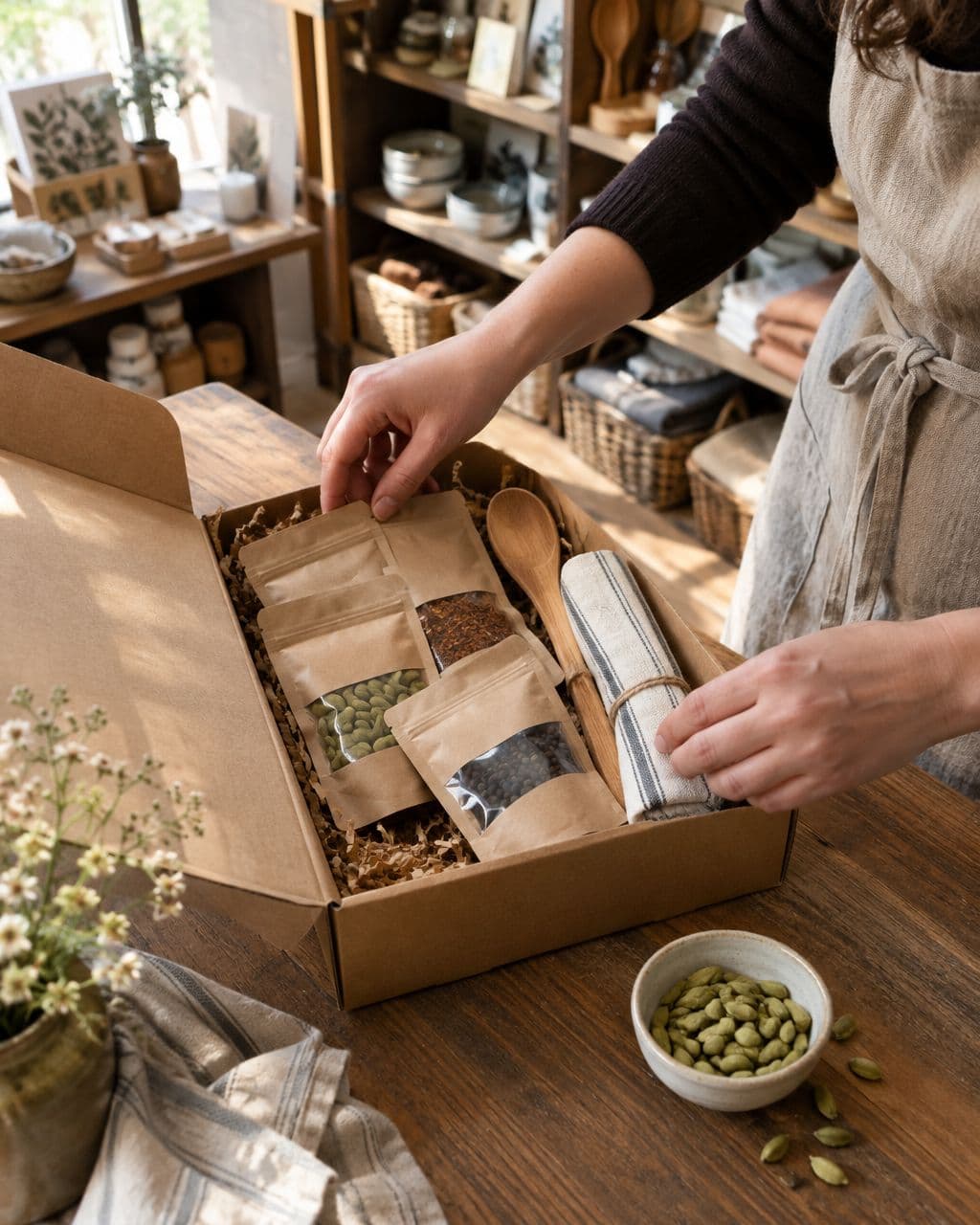
If you assemble a combination in your store, describe it as your shop's selection. Do not invent a 5Senses bundle name, imply a supplier-made kit or suggest that a tool is included unless it actually is.
Write the gift brief before ordering:
- The cooking activity the recipient will try.
- The exact ingredient products involved.
- The preparation the recipient needs to do.
- Any equipment required but not included.
- The individual ingredient the recipient can reorder later.
A focused gift is easier to explain than a broad promise of luxury. It also lets your team recommend it honestly to someone shopping for a cook with particular interests.
Pick ingredients with a clear product identity
The product name, origin and preparation should remain understandable outside the gift box. If the recipient keeps only the sealed ingredient pack, they should still know what to ask your store for later.
| Product | Best for | Specific story to share | Limitation |
|---|---|---|---|
| 5Senses Malabar Cardamom Green Pods | A gift for someone interested in aromatic baking or rice | Malabar origin; gently air-dried pods; sweet, floral and citrus notes | Recipes must explain whether they use whole pods or seeds |
| 5Senses Kashmir Mongra Saffron | A gift built around a tested rice or dessert recipe | Pampore, Kashmir origin; natural sun-drying; floral, honeyed and earthy notes | Needs measured, recipe-specific preparation rather than a vague pinch |
| A cooking tool your shop has verified for the recipe | Helping the recipient perform the method | The actual function and compatibility of that tool | A tool is not automatically included with the spice |
Cardamom and saffron serve different cooking ideas. Do not present them as a quality ranking or promise that every recipient will prefer one. Use the cooking activity to guide the choice.
Write instructions for someone who missed the sales conversation
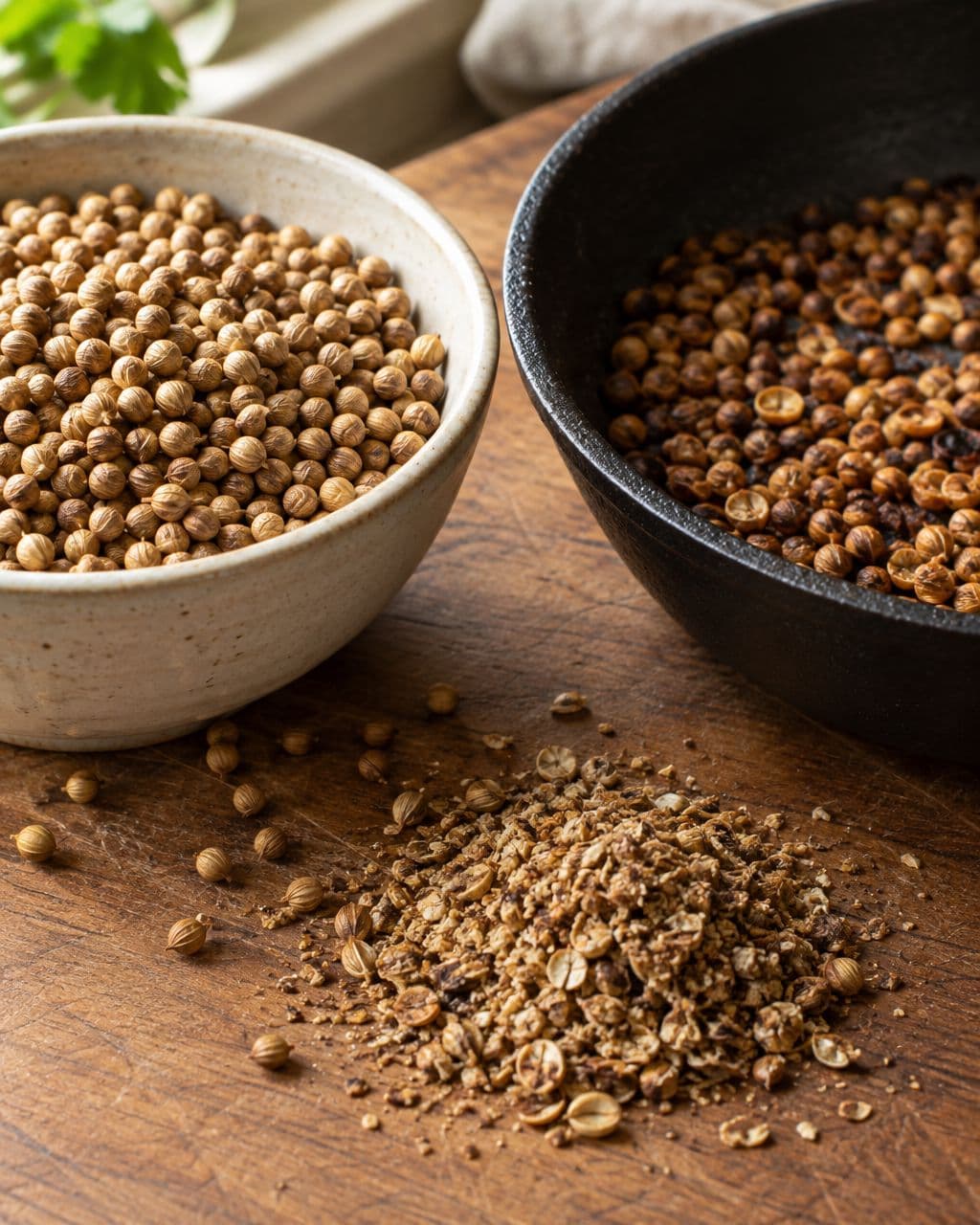
Explain how the ingredient enters the dish. If the recipe uses ground cardamom seeds, do not leave the recipient to guess whether to grind the whole pod. If a recipe calls for an infusion and removal step, put that step in the instruction.
Use a method your team has tested. Avoid copying an unrelated recipe while changing the ingredient form, then assuming the result will be the same. A gift becomes more usable when the preparation is precise and realistic.
Check the instruction for:
- The exact ingredient form.
- A tested quantity for the specified recipe.
- The equipment and preparation step.
- The point where the ingredient enters the dish.
- Any removal or straining instruction.
Do not promise that whole spices are effortless for every cook. Some recipients enjoy grinding and infusing; others prefer a more direct method. Help the gift buyer choose for the person who will actually use it.
Keep original product information accessible
Gift presentation should not hide the information the recipient needs. Keep the sealed ingredient identifiable and preserve required labels. Do not decant a product into a decorative jar and assume the same retail obligations still apply without checking them.
The 5Senses cardamom information describes resealable pouches; the saffron description identifies a tin container. Confirm the exact wholesale products before planning inserts or boxes. A product photograph does not tell you every dimension or packing detail.
Review your presentation:
- Keep the original product name easy to find.
- Preserve required information and handling directions.
- Make included and separately sold items clear.
- Avoid implying that your own packaging comes from the supplier.
- Check the applicable requirements before repacking any food.
This is not an argument against thoughtful presentation. It is a way to keep the useful product identity intact after the gift is opened and the outer wrapping is discarded.
Offer an individual-product route back to the store
A recipient who uses up cardamom may want more cardamom, not another complete gift. Plan a regular shelf location for replacement products and make sure staff can recognize the ingredient from the gift description.
A simple store-produced card can identify your shop, the products in your selection and the recipe source. If you provide an online route, link only to pages that exist and keep the destination useful after the seasonal display changes.
Make the return path practical:
- Tell the buyer whether individual ingredients are sold separately.
- Keep staff informed about the contents of your own gift selections.
- Retain the recipe and product list after the display ends.
- Explain how recipients can ask the store about the ingredient.
- Check that any store contact or ordering information stays current.
Do not imply that 5Senses provides a custom refill service, gift-recipient program or store locator arrangement unless you have separately confirmed it. This is your retail service plan, not an invented supplier benefit.
Record what people actually come back for
Separate sales of complete gifts from sales of individual replacement products. They answer different questions. A popular gift might sell well for an occasion without producing any identifiable recipient reorders.
If a customer voluntarily tells you they received the product as a gift, note the useful feedback without collecting unnecessary personal information. Ask which recipe they made and what they want to do next. That is more useful for the range than assuming all later spice sales came from gifting.
Track a small set of facts:
- Complete gift selections sold.
- Individual ingredient packs sold.
- Opened display or demonstration stock.
- Questions about preparation and equipment.
- Gift-related return visits that customers actually identify.
Where your records cannot establish a connection, report sales without calling them repeat purchases. A truthful picture helps you buy better stock for the next season.
Compare gift formats by what the recipient can do
The right format depends on your shop's service and the recipient's experience. A larger selection is not automatically a more useful gift.
| Format | Best for | Advantage | Limitation |
|---|---|---|---|
| Individual spice with a tested recipe | A focused introduction to an ingredient | Gives the recipient a clear next step | Offers less variety for someone seeking exploration |
| Shop-assembled cooking selection | A gift buyer who knows the recipient's cooking interest | Connects several ingredients around a purpose | Requires clear contents and accurate instructions |
| Spice with a compatible tool sold as your selection | A recipient who needs preparation equipment | Helps complete the cooking method | Tool compatibility and included items must be explicit |
Use these as your own merchandising formats. They are not claims that a supplier offers each combination as a packaged wholesale product. Confirm what you are buying and describe what you are assembling.
Build the wholesale order around use and replacement
Ask for current wholesale formats and terms for the ingredients you plan to sell. Include the quantities needed for your own gift assembly, regular shelf stock and any demonstration. Do not let all replacement stock disappear into gift boxes before recipients have a chance to return.
Retail buyers can shop 5Senses through Faire Direct. Review the actual products and terms shown for your business. Confirm minimums, case quantities, delivered cost and reorder lead times rather than assuming they match a consumer product page.
Send a direct wholesale enquiry if the format or product information is unclear. Explain that you operate a gift shop and describe whether you will resell sealed packs, assemble a shop-owned selection or explore another format. Ask the questions before designing packaging around an assumption.
For the broader assortment decision, read wholesale spices for gift shops. That guide addresses what belongs in the range; this workflow addresses what happens after someone receives it.
Give the second cooking occasion its own place
A repeat visit is an opportunity to help the customer use an ingredient again, not simply to sell a larger pack. If someone enjoyed cardamom in a bake, ask what they want to cook next before recommending another application.
Keep a small recipe file that staff can use after the gifting occasion. Test each method with the actual product form and make the instructions available consistently. A recipe card should not promise the same result if the customer substitutes a different ingredient or skips the preparation.
If your shop sends communications with the customer's permission, focus on practical use: the recipe, preparation and where to find the product in your store. Do not imply that signing up is necessary to cook with the gift or access basic handling information.
This is a service routine you can build with ordinary store tools. It does not require inventing a loyalty scheme or claiming a measured retention benefit before your own records show one.
Common mistakes in edible gifting
Buying for the box rather than the cook. Choose the cooking purpose first. Extra ingredients that do not serve it add explanation and inventory work without necessarily improving the gift.
Hiding the identity needed for a reorder. Keep the exact ingredient and brand recognizable. A recipient cannot ask for a replacement confidently if the outer gift name is the only information they retain.
Assuming recipients own preparation equipment. Whole spices need the method stated by the recipe. Explain tool requirements to the buyer and on the instruction.
Calling every later spice sale a gifting success. Separate observed gift-related return visits from unrelated sales. Buy against evidence, not an attractive story about retention.
FAQ
How can wholesale spice gifts lead to repeat store visits?
Give recipients a usable cooking instruction and a clear route to the same individual ingredient at your store. Measure actual return visits rather than promising that gifting guarantees them.
Why consider 5Senses for a gift shop?
5Senses offers whole spices with named origins and product-specific cooking stories. Those details suit gift shops that explain how an ingredient will be used after the present is opened.
Should I sell individual spices as well as gift selections?
Offer an individual-product route where it fits your buying plan. A recipient replenishing an ingredient may not want to buy another complete gift selection.
Can I create my own spice gift combination?
Describe any store-assembled combination as your own selection and make included items clear. Keep original food information accessible and check the requirements before repacking products.
What should a cardamom gift instruction explain?
State whether the tested recipe uses whole pods, opened pods or ground seeds. Include required equipment and any removal or straining step so the recipient is not left guessing.
Where can gift-shop buyers order 5Senses wholesale spices?
Use the 5Senses Faire Direct page or contact the wholesale team. Confirm current product formats, order quantities, delivery details and the terms that apply to your business.
One last thing
Before buying outer packaging, hand the proposed cooking instruction to someone who has not heard your pitch. Ask them to identify the ingredient, the required tool and where they would buy it again. A good spice gift should still make sense after the box is gone.