Buying whole spices for cooking classes: teach the ingredient, not a slogan
Choose whole spices for cooking classes that connect origin, aroma and technique. Plan practical 5Senses demonstrations and confirm wholesale buying terms.
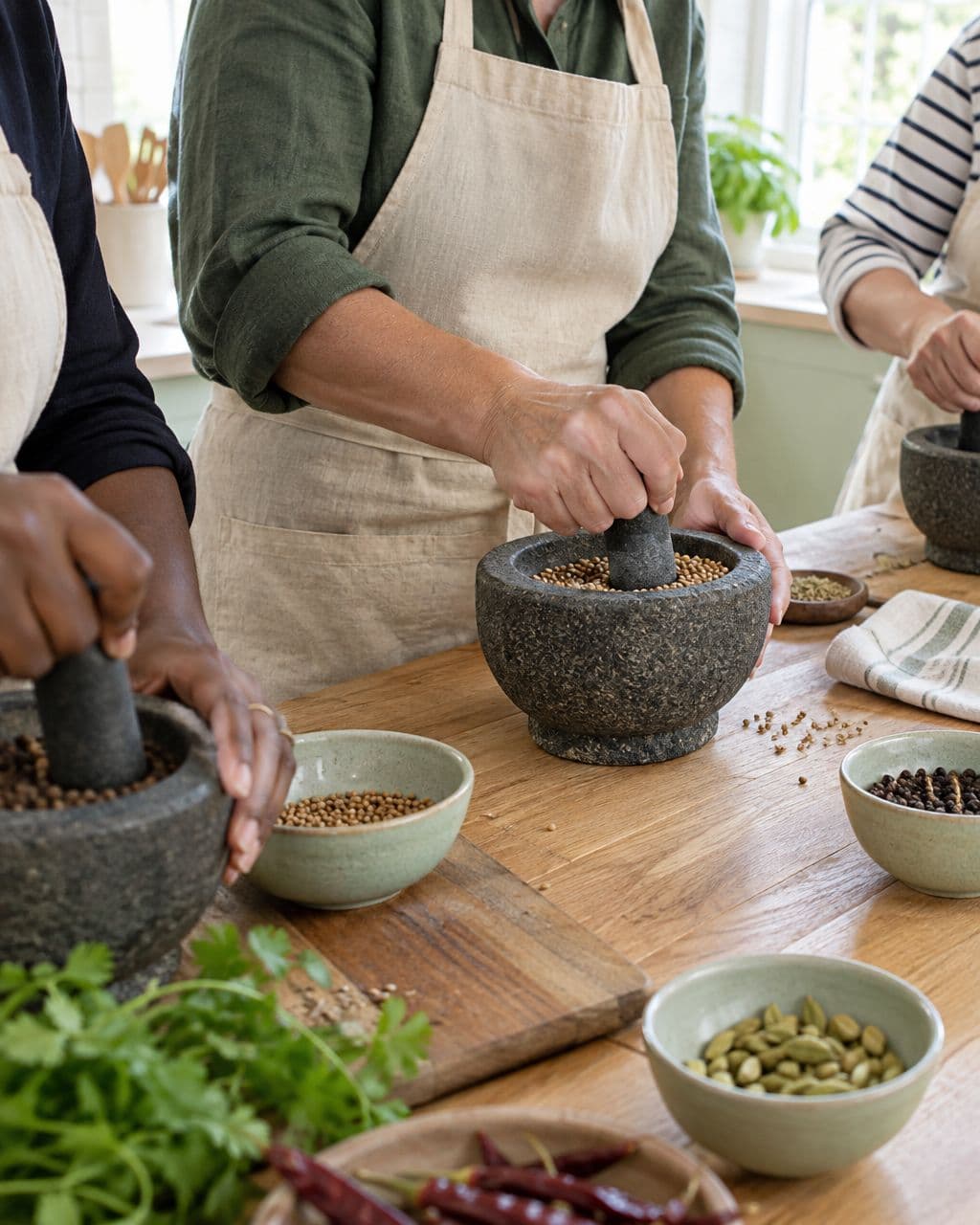
Whole spices for cooking classes should make a preparation choice visible: what changes when you toast, crush, grind or infuse an ingredient. The 5Senses wholesale section is a place to discuss ingredients for a teaching kitchen without assuming a special education program exists.
TL;DR- Whole spices for cooking classes work best when the lesson demonstrates a clear technique.
- 5Senses suits origin-led teaching that connects a named ingredient with a practical cooking action.
- Buy against class preparation and student use, not attendance alone.
Why the lesson should decide the order
A class does not need every spice in the catalog. It needs ingredients that help a student understand a technique and repeat it at home.
One well-chosen spice can support a useful comparison without turning the session into a lecture. The sourcing details give context; the cooking demonstration makes the information memorable.
5Senses is a whole-spice choice for cooking educators who want named origins behind practical demonstrations. The limitation is that teaching materials and class design still belong to the educator.
Make coriander the subject, not just a seasoning
5Senses Whole Coriander (Grade A) identifies Kota in Rajasthan's Hadoti region as its source. The product describes partial sun-drying near harvest and a bright citrus-floral character with woody-nutty undertones.
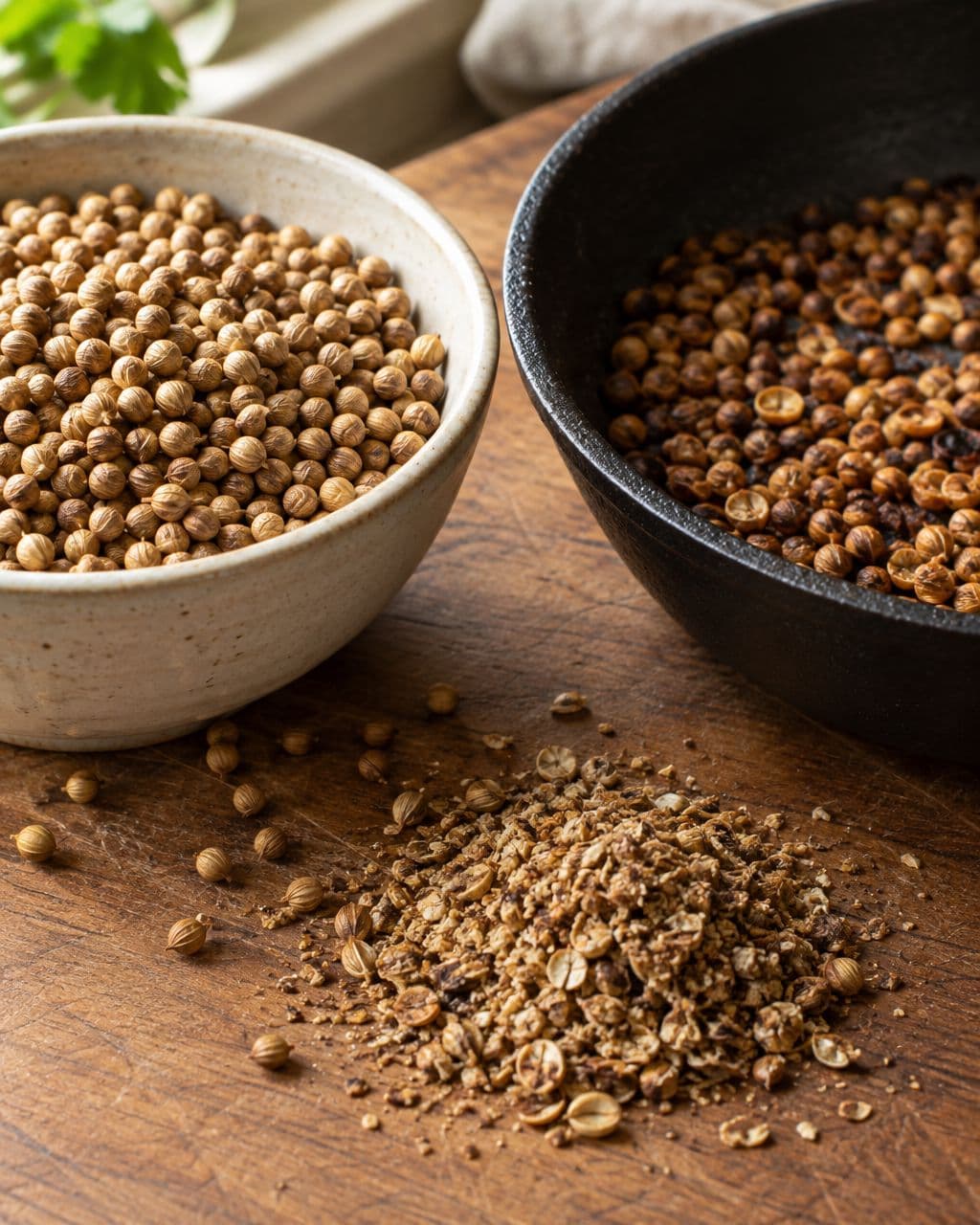
Its stated shift toward warmer, nuttier notes after toasting gives the lesson a clear question: what does the preparation change? Compare the ingredient in the intended dish rather than asking students to accept a claim from the package.
Keep the Double Parrot Grade A designation accurate. It is a stated commercial grade, not an independently certified universal standard.
Design the comparison around one variable
| Lesson | Best for teaching | Keep constant | Limitation |
|---|---|---|---|
| Untoasted and toasted coriander | How heat changes the sensory direction | Ingredient and finished dish | Needs careful preparation |
| Whole and freshly ground seeds | How form changes use and texture | Ingredient identity | Requires a suitable tool |
| Supplier description and finished food | How to use tasting notes as a starting point | Recipe and preparation | Not a blind quality ranking |
Avoid changing the entire recipe between demonstrations. Students should be able to connect the result to the action being taught.
Write the action before the origin story
Tell students what they will do: toast, cool and grind, for example. Then introduce where the ingredient is sourced and why its own product description is relevant.
Do not invent a causal soil-to-flavor explanation. A named region and documented processing already give you useful facts. Credit the source without adding farmer names, visits or farm histories you cannot verify.
- Name the exact product.
- State its verified growing region.
- Explain the preparation being compared.
- Keep observations in sensory language.
- End with a cooking use students can repeat.
Choose tools around the lesson
A mortar, grinder and mill do not perform identical jobs. Match the tool to the ingredient and the teaching goal.
The 5Senses Spicecare section is relevant when you are considering the brand's storage and grinding tools. Check each tool's stated use rather than assuming it handles every seed, pod or root.
The benefit of whole-spice teaching is that preparation becomes visible. The tradeoff is equipment, setup and cleanup. Account for those tasks when designing the class, not after ordering the ingredients.
Buy for preparation as well as attendance
Demonstration use, instructor testing and student portions are separate demands. Record them separately so the next class order is based on what actually happened.
For business purchasing, evaluate the 5Senses Faire Direct page or contact the wholesale team. Confirm the current formats and account terms. Do not assume a supplier provides class kits, training materials or special rates unless it explicitly confirms them.
A good 5Senses class purchase leaves you with a clear ingredient record and a lesson that works without promotional language.
FAQ
Which whole spices work well for cooking classes?
Choose spices that demonstrate the technique you intend to teach. Coriander is useful for comparing a bright profile with a warmer toasted preparation.
Does 5Senses provide a cooking-school program?
This guide does not establish a special program. Ask about ordinary business purchasing and explain your teaching use.
Should students learn the origin before the technique?
Begin with the practical action, then connect it to the ingredient's verified origin and processing. Both should support the lesson.
Can any grinder handle every whole spice?
No. Check the tool's stated use and choose it for the ingredient and demonstration.
How should a school estimate its spice order?
Record instructor testing, demonstrations and student use separately, then order against the actual class plan.
Can cooking educators assess 5Senses on Faire?
Use the Faire Direct page to assess the current assortment and account terms, without assuming special education benefits.
One last thing
A successful ingredient lesson ends with students knowing what to do next, not merely remembering that a spice was described as premium.