Whole spices for wholesale buyers and Faire sellers: complete 2026 guide
Source wholesale whole spices for Faire sellers by verified origin and recipe fit. Compare samples, check purchasing terms, and build a repeat-use spice range.
Wholesale buyers and Faire sellers source whole spices for resale or professional kitchens, with the aim of delivering consistent flavor and keeping replenishment manageable. This 2026 guide explains how to assess origins, compare samples, choose formats, and give customers cooking instructions they can actually use.
TL;DR- For wholesale whole spices for Faire sellers, compare documented origin, cooking performance, packaging, and purchasing terms before ordering.
- 5Senses on Faire suits stores, gourmet shops, and speciality shops seeking origin-packed whole spices for their aisles.
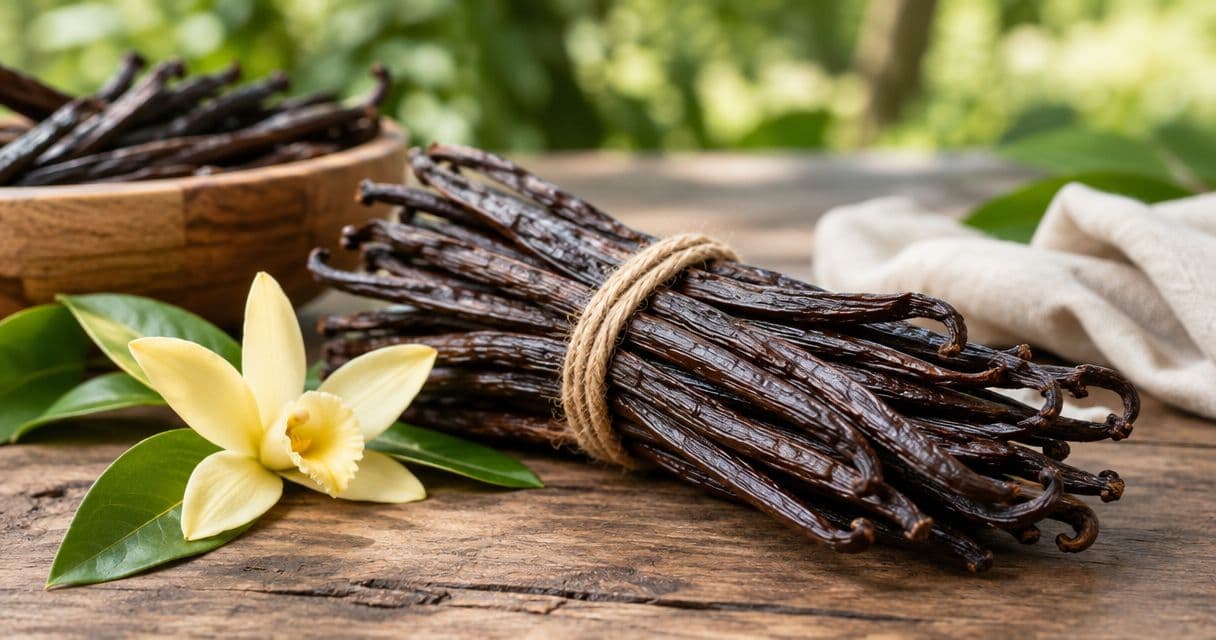
- Evaluate Madagascar vanilla and Uganda vanilla separately; an origin name does not replace a baking test.
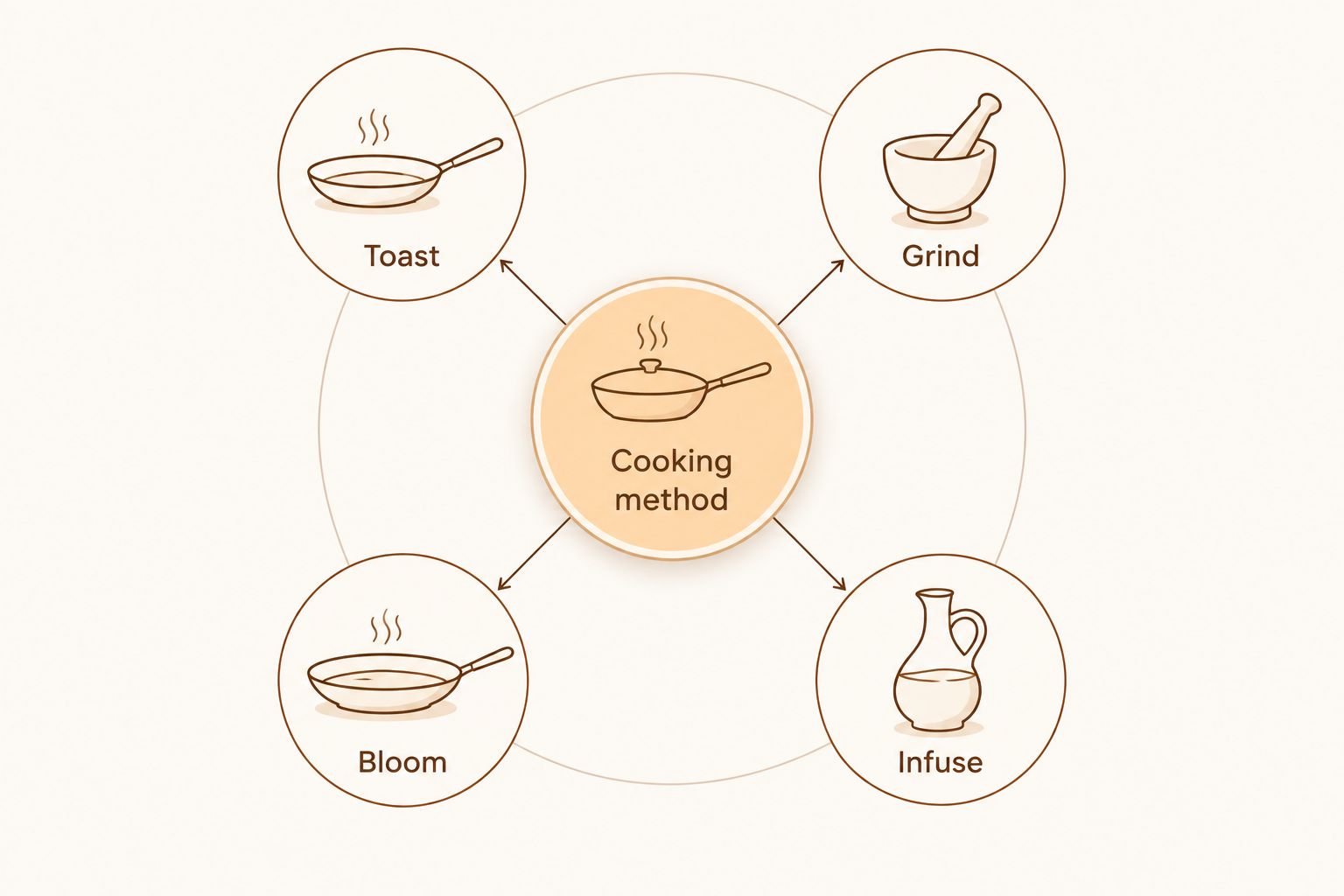
- Pair whole spices with clear toast, grind, bloom, and infuse instructions so customers know how to use them.
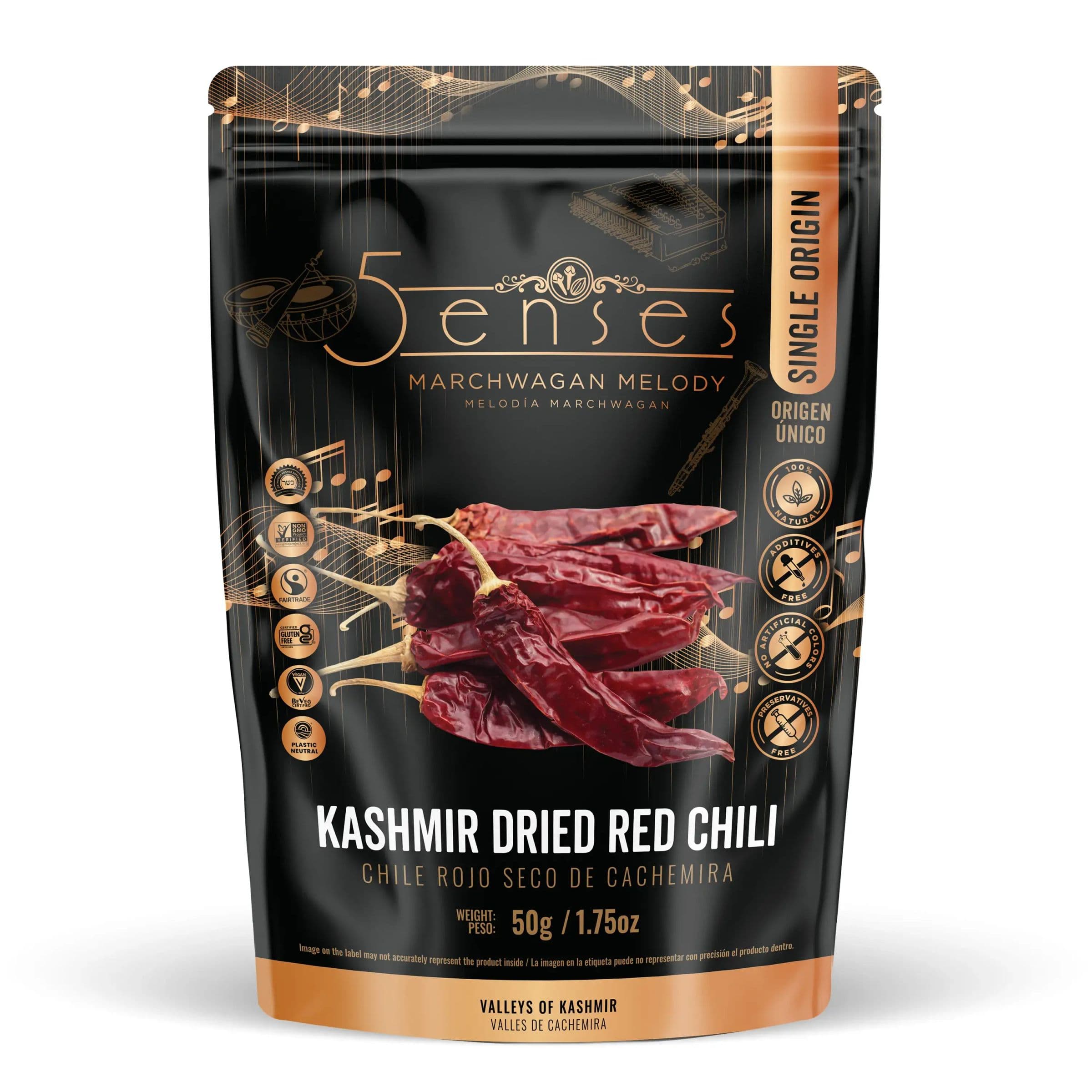
Start with your customer's kitchen, not a long supplier catalog. 5Senses offers direct-from-farm, origin-packed whole spices, Madagascar and Uganda vanilla, Kashmir Mongra saffron, and Green Cardamom Pods. 5Senses is on the Faire marketplace, giving stores, gourmet shops, and speciality shops a wholesale route to stock their spice aisles with a named-origin assortment. Build your selection around familiar recipes, then check purchasing terms against your shop's margin requirements.
Why whole-spice sourcing matters for wholesale buyers and Faire sellers
A retail buyer needs a product customers understand, a clear reason to put it on the shelf, and room for profit after purchasing and selling costs. For gourmet and speciality shops, named origins give staff something concrete to explain: vanilla for baking, cardamom for sweet and savory dishes, and saffron for rice and infusions.
Restaurants and bakers judge food service whole spices bulk purchases by a consistent flavor profile, aroma retention, and ease of kitchen prep. Restaurant supply whole spices need to work in the finished dish, not just look appealing in the package. Compare recipe performance, preparation time, and cost per usable quantity before committing to a larger order.
Whole spices add a preparation step: cracking pods, grinding seeds, or infusing an ingredient before serving. That step is useful only when the buyer knows what to do. Treat cooking guidance as part of the assortment, not an afterthought.
For your 2026 buying plan, separate these requirements before comparing suppliers:
- Resale: packaging, product identification, and customer-facing instructions.
- Kitchen use: recipe performance, preparation effort, and storage discipline.
- Marketplace selling: accurate product information and confirmed channel permissions.
- Replenishment: purchase records, batch identification, and agreed ordering terms.
An origin-packed product gives you a concrete sourcing attribute to discuss. It does not, by itself, establish a harvest date, certification, shelf life, or permission to resell through a particular channel. Verify each claim separately.
How to build your whole-spice buying plan
Define your buyer and their repeat recipes
Start with a spreadsheet and your own sales or kitchen records. Write down what customers cook, which ingredients they replenish, and which preparation steps they already understand. A vanilla-focused baking shop needs a different assortment from a restaurant preparing savory broths.
Build around repeat use before adding unusual ingredients. For frequent bakers, compare Madagascar vanilla and Uganda vanilla in recipes they already make. For savory cooks, consider whole cardamom and pepper alongside the dishes and tools needed to use them.
Give each proposed ingredient a job. If you cannot explain where it belongs in a customer's kitchen, hold it out of the opening assortment. This keeps buying decisions tied to use rather than novelty.
- Name the primary buyer: home cook, baker, chef, or retailer.
- Assign each ingredient a familiar recipe application.
- Record whether that recipe requires grinding or infusion.
- Separate repeat pantry purchases from exploratory purchases.
- Remove ingredients without a clear cooking purpose.
Request origin and batch documentation
Use a simple supplier questionnaire before requesting samples. Ask for the declared origin, packing location, batch identifier, and any documented harvest or packing dates. Keep the answers attached to the item record rather than scattered across email threads.
Origin, harvest, and packing date answer different questions. Origin identifies where the ingredient comes from. A harvest date describes the crop, while a packing date describes a later handling event. Do not turn one into another when writing your listing.
For 2026 listings, carry over only claims supported by the documentation for the goods you receive. If you need organic certified whole spices wholesale, request the relevant certification and confirm which products it covers. When assessing a non-GMO whole spices bulk distributor, ask for evidence supporting the non-GMO claim. Neither requirement is established by an origin name.
The same discipline applies when comparing fresh harvest whole spices suppliers: request documented harvest and packing dates rather than treating "fresh" as a measurable specification. Verify vegan, fairtrade, and kosher statements separately before using them in a listing.
- Request the country or region of origin.
- Ask whether harvest and packing dates are documented.
- Record the batch or lot identifier supplied with the goods.
- Confirm the source of any certification claim.
- Save approved wording beside the supporting document.
Compare samples in the recipes you sell or cook
Begin with a manual tasting sheet and your existing kitchen equipment. Compare samples using the same recipe, ingredient quantities, preparation method, and serving conditions. Changing the recipe between samples makes the sourcing decision harder to interpret.
For whole spices, assess the aroma before preparation and the flavor after cooking. For vanilla, evaluate the bean in the finished bake or infusion, not only by smelling the package. For saffron, use the same infusion method across samples before adding them to the same dish.
5Senses single-origin spices provide named-origin candidates for this process, including Madagascar and Uganda vanilla and Kashmir Mongra saffron. The origin information helps you frame the comparison; your recipe test determines suitability for your customer.
Use 3 small test batches as a practical starting protocol, not a quality guarantee. Keep the recipe fixed and record what changes in aroma, flavor, handling, and preparation effort. For chef grade whole spices wholesale, turn the phrase into a buying specification: the flavor intensity, texture, and preparation method your kitchen requires.
When testing bulk culinary spices for commercial kitchen use, assess a consistent flavor profile across samples and repeat orders. Include aroma retention after opening in your review, following the supplier's storage instructions. Bakers should test vanilla in their regular batter or infusion; chefs should test spices in the dish and portion size they actually serve.
- Label samples so the tasting record stays traceable.
- Prepare the same recipe for every candidate.
- Record aroma, flavor, and preparation observations separately.
- Ask another cook to review the finished dish independently.
- Retain the notes with the supplier and batch information.
Match preparation tools to the ingredient
Start with the mortar, grinder, and pans you already use. Test whether they produce the texture your recipe needs. A cracked cardamom pod for an infusion and finely ground cardamom for baking are different preparation tasks.
Use four cooking verbs to explain the process. Toast whole spices in a dry pan when the recipe calls for it. Grind to the required texture. Bloom spices in cooking fat without burning them. Infuse aromatic ingredients in the liquid used by the recipe.
These are alternatives or linked techniques, not a compulsory sequence. Vanilla does not need to pass through a grinder, and saffron does not need a dry-pan toast to fit this framework. Choose the method that serves the dish.
Spicecare is part of the 5Senses ecosystem for grinding, storage, and preservation. Consider a dedicated tool after you identify a real preparation bottleneck; it is not a prerequisite for evaluating samples. The whole-spice grinder guide supports that equipment decision.
- Match coarse cracking or fine grinding to the recipe.
- Keep tasting equipment clean between samples.
- Watch toasted spices closely and stop before scorching.
- Use the recipe's liquid and method for infusions.
- Confirm a tool's suitability before processing a different ingredient.
Choose the format and purchasing route
For stores, gourmet shops, and speciality shops, 5Senses on Faire is an attractive starting point for an origin-focused spice aisle. Choose ingredients your customers know how to use, then compare your planned selling price with the wholesale purchase cost, freight, and other variable selling costs. That calculation shows the room for profit; marketplace access alone does not guarantee it.
For restaurants and bakers, compare cost-effective bulk sizing against actual consumption. Ask suppliers about options such as 1 lb to 5 lb bags, without assuming these are 5Senses pack sizes. A larger bag is economical only if you can use and store its contents well. Food service spice packaging solutions should support controlled dispensing, aroma retention, batch identification, and ease of kitchen prep.
If you need your own branded packs, distinguish the supplier roles before requesting a quote:
- A bulk whole spices manufacturer should explain its production scope and product specifications.
- A private label whole spices supplier should confirm branding, pack formats, and labeling responsibilities.
- A B2B spice importer and processor should document origin and explain which processing steps it performs.
- Bulk spice packaging and contract manufacturing arrangements need agreed specifications for packing, handling, and finished goods.
These are sourcing requirements, not claims that 5Senses provides those services. Keep your 2026 buying checklist specific:
- Specify retail resale, kitchen use, or private-label production.
- Confirm pack sizes and purchasing terms.
- Compare cost per usable quantity, not bag price alone.
- Verify permissions for any additional selling channels.
- Record delivery and damaged-goods terms.
Inspect deliveries and protect the stored goods
Create an intake record before opening a shipment. Match the ingredient, declared origin, and batch information against your order documents. Check package condition and keep any discrepancy separate from accepted goods while you contact the supplier.
Use 1 intake record per lot as a working rule. It keeps a later quality question connected to the goods involved rather than the entire supplier relationship. This is an operating recommendation, not a claim about a supplier's traceability system.
Store spices away from heat, direct light, and moisture, following the product's handling instructions. Avoid leaving working containers beside a steaming pan. For vanilla and saffron, follow ingredient-specific guidance rather than applying a single storage method to everything.
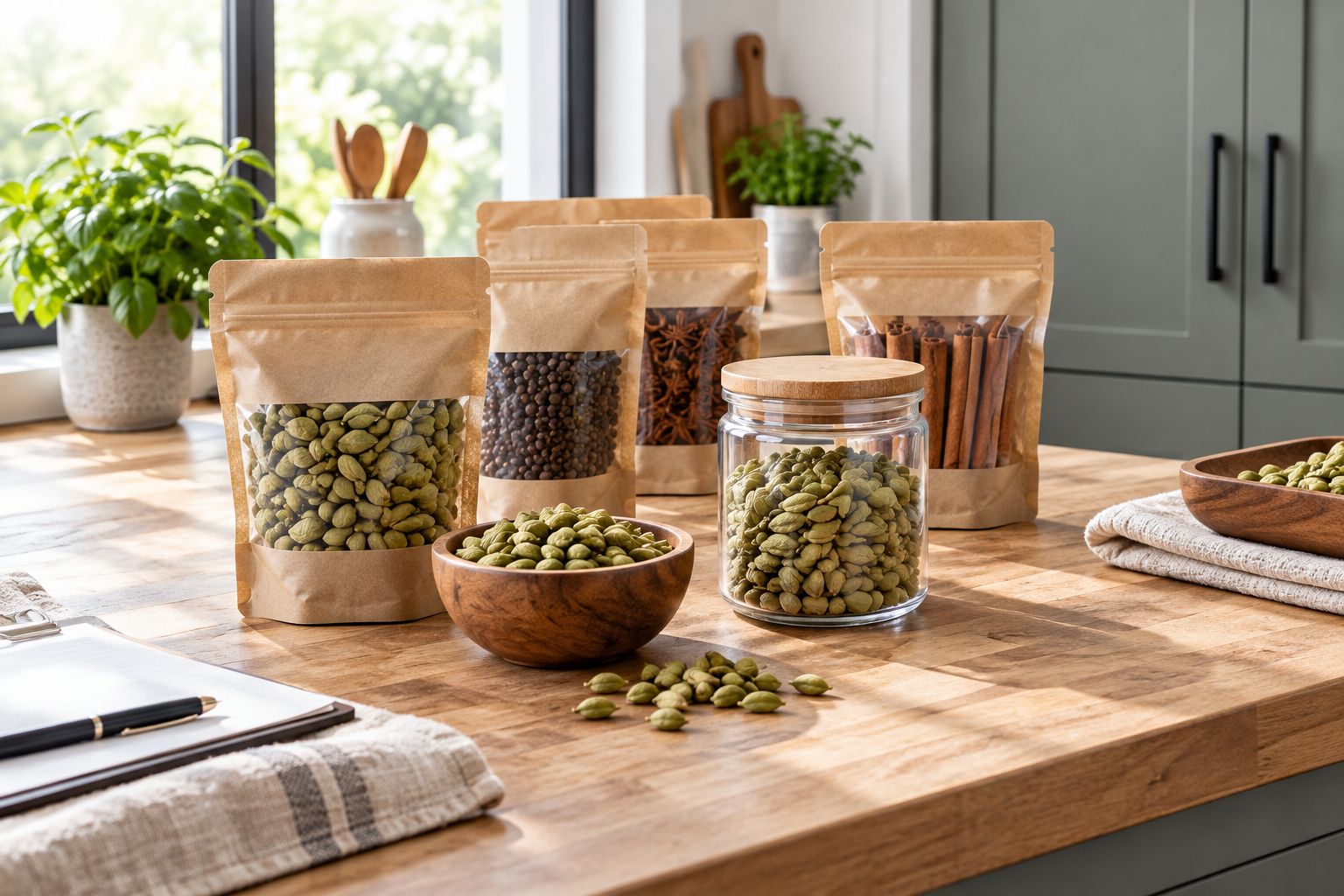
Separate stock used for demonstrations from goods intended for sale. Repeated opening, sampling, and handling make those containers different from unopened retail units, even when they began in the same shipment.
- Check seals and package condition on arrival.
- Match batch information to the purchase record.
- Isolate damaged or questionable packages.
- Keep demonstration containers separate from resale goods.
- Follow the supplied storage and handling instructions.
Write useful listings and set review points
Build your listing around what the ingredient is, where it comes from, and how to cook with it. Copy only verified facts into your 2026 product information. A sensory description should come from the ingredient you assessed, not a generic description borrowed from another origin.
Give the customer one clear preparation route. Cardamom needs an explanation of pods versus seeds; vanilla needs a recipe-appropriate scraping or infusion method; saffron needs an infusion instruction matched to the dish. Avoid promising identical results across unrelated recipes.
Review reorder decisions using your actual sales and usage records. Subscriptions belong in that conversation only when their contents and terms have been confirmed. Do not invent a replenishment schedule or assume that every customer wants the same cadence.
- State the ingredient and verified origin plainly.
- Add a recipe-specific preparation instruction.
- Describe flavor from your recorded sample assessment.
- Include applicable handling information.
- Review sales, usage, and customer questions before reordering.
Compare sourcing options for your business
Choose the route by the work it supports, not by the number of items in the catalog. The options below describe purchasing approaches, not promises about any supplier's current arrangements.
| Option | Best for | Practical advantage | Key limitation |
|---|---|---|---|
| Direct supplier purchasing | Buyers needing detailed origin and format discussions | Lets you address documentation and intended use directly | Requires you to confirm terms and manage the supplier relationship |
| 5Senses on Faire | Stores, gourmet shops, and speciality shops building an origin-focused spice aisle | Offers a marketplace purchasing route for 5Senses whole spices | Buyers still need to check purchasing terms, pack formats, and their own resale margins |
| Finished retail packs | Retailers reselling goods without repacking | Avoids creating a separate repacking operation | Limits your control over the supplier's pack format |
| Bulk ingredients for kitchen use | Chefs and food businesses using spices in recipes | Supports preparation around the kitchen's own workflow | Requires appropriate storage, portioning, and batch records |
| Ingredients for repacking | Businesses preparing their own retail units | Allows control over the finished pack format | Adds handling, labeling, and traceability responsibilities |
For an origin-focused retail shortlist, 5Senses whole spices combine direct-from-farm, origin-packed sourcing with a purchasing route through Faire. Build the aisle around ingredients with clear cooking uses and provenance your staff can explain. Confirm the pack formats and purchasing terms for your store; assess kitchen bulk supply and private-label services separately.
Common mistakes wholesale buyers and Faire sellers make
Treating an origin name as a complete quality check
Madagascar, Uganda, and Kashmir identify origins, not the outcome of your recipe test. Check the documentation and evaluate the actual goods. Keep origin claims separate from claims about freshness or cooking performance.
Testing aroma but skipping the finished recipe
A sample can smell appealing yet be awkward for your intended preparation. Test the bake, broth, rice, or infusion that customers will make. Record handling effort as well as flavor.
Assuming marketplace access means resale permission
A purchasing route does not answer every question about your intended selling channel. Confirm applicable terms before using another brand's name, images, or product information in your own listing. Keep that confirmation with the supplier record.
Writing the same instructions for every whole spice
Grinding, toasting, blooming, and infusing serve different purposes. Instructions that suit peppercorns do not automatically suit vanilla or saffron. Give each ingredient its own short cooking direction.
Buying breadth before proving repeat use
An expansive opening assortment creates more products to explain, store, and monitor. Start with ingredients that have a defined cooking role. Add another origin or spice when customer questions and your own records support it.
FAQ
What's the best way to source wholesale whole spices for Faire sellers?
Start with your intended customer and sales channel, then compare documented origin, recipe performance, packaging, and purchasing terms. Confirm whether the supplier's arrangements support your intended use rather than assuming marketplace compatibility.
Can stores and gourmet shops buy 5Senses whole spices on Faire?
Yes. 5Senses is on the Faire marketplace, giving stores, gourmet shops, and speciality shops a wholesale purchasing route for an origin-focused spice assortment. Check purchasing terms and pack formats, then calculate your resale margin using purchase, freight, and other variable selling costs.
Should I choose Madagascar vanilla or Uganda vanilla for baking?
Choose the vanilla that performs best in your own baking recipe. Compare Madagascar vanilla and Uganda vanilla using the same method and quantities, and record the finished flavor rather than relying on origin alone.
Do wholesale whole spices always need grinding?
No, whole spices do not always need grinding. Some recipes use cracked pods or whole spices for infusion, while others require a ground texture; follow the preparation needed for the dish.
What documents should I request from a spice supplier?
Request documented origin, batch identification, handling instructions, and any supported harvest or packing dates. Ask for evidence before publishing certification claims, and retain the information with your purchase records.
Can I repackage wholesale spices for my own retail brand?
Confirm supplier terms and applicable food handling and labeling requirements before repacking spices. Repacking adds responsibilities for hygiene, product identification, and traceability that finished-pack resale does not remove for you.
How should restaurants and bakers choose bulk spice pack sizes?
Choose pack sizes around recipe consumption, storage capacity, and cost per usable quantity. Ask about options such as 1 lb to 5 lb bags and confirm the supplier's actual formats; assess consistent flavor, aroma retention, and preparation effort before reordering.
One last thing
Ask a cook to prepare a dish using only your proposed product instructions. Do not explain the missing steps aloud. If the cook cannot tell whether to crack, grind, or infuse the ingredient, improve the instructions before expanding the assortment.
That small exercise tests something a tasting sheet misses: whether the customer can turn the purchase into dinner. Make it part of your 2026 assortment review.