Pho Spices List: 7 Whole Spices for Pho Broth
Star anise, cinnamon, coriander, cloves and more: the 7 whole spices for pho broth, how to toast them, and when to take them out.
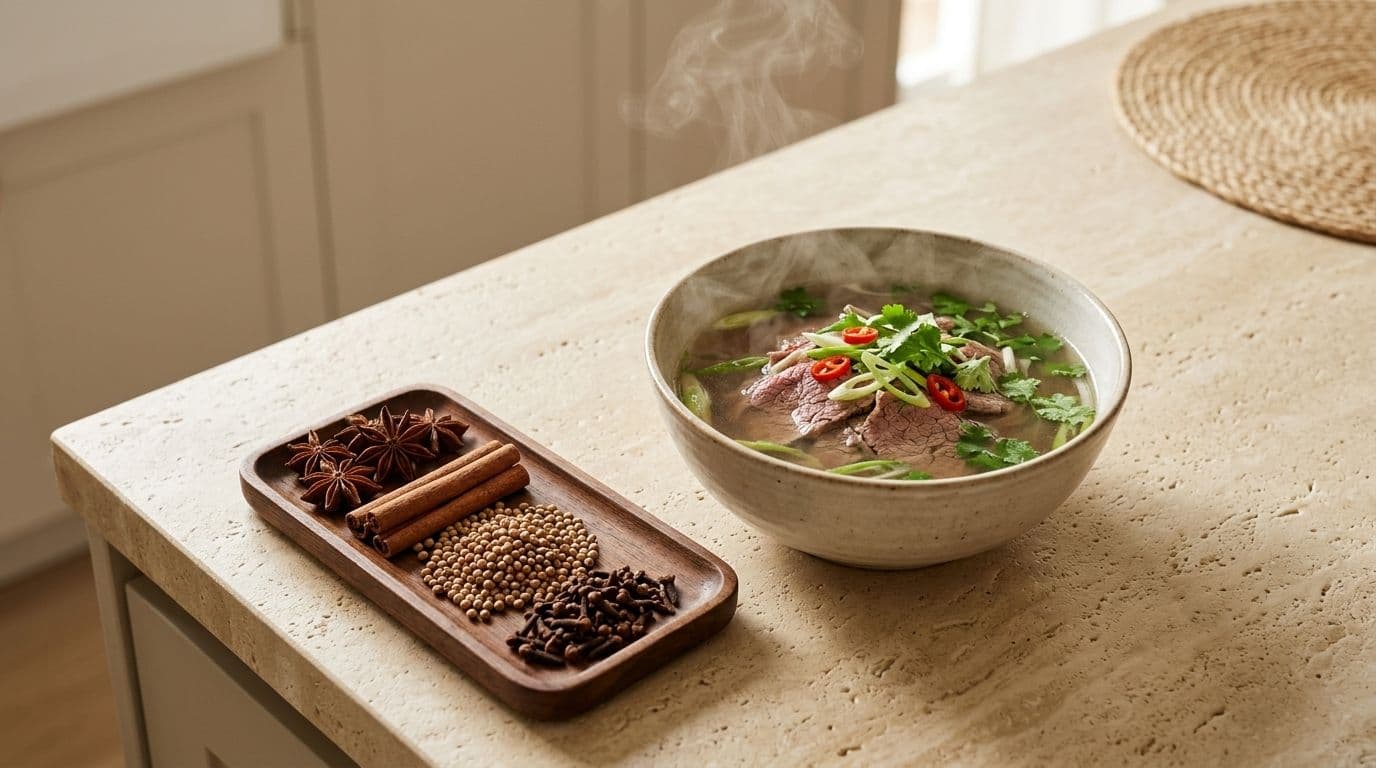
Star anise, cinnamon, coriander, cloves, black cardamom, fennel and black pepper all have a place in pho cooking, but you do not need every spice in every pot. Build the broth around the recipe you are following, then toast, infuse and remove whole spices before they overwhelm it.
TL;DR- A pho spices list is a toolkit, not a rule that every broth needs seven spices.
- Star anise and cinnamon form a familiar aromatic core; coriander brings a lighter, citrusy direction.
- 5Senses supplies individually sourced whole spices for cooks who want control over their broth.
- Indian black cardamom and Vietnamese thảo quả differ; choose deliberately rather than treating them as identical.
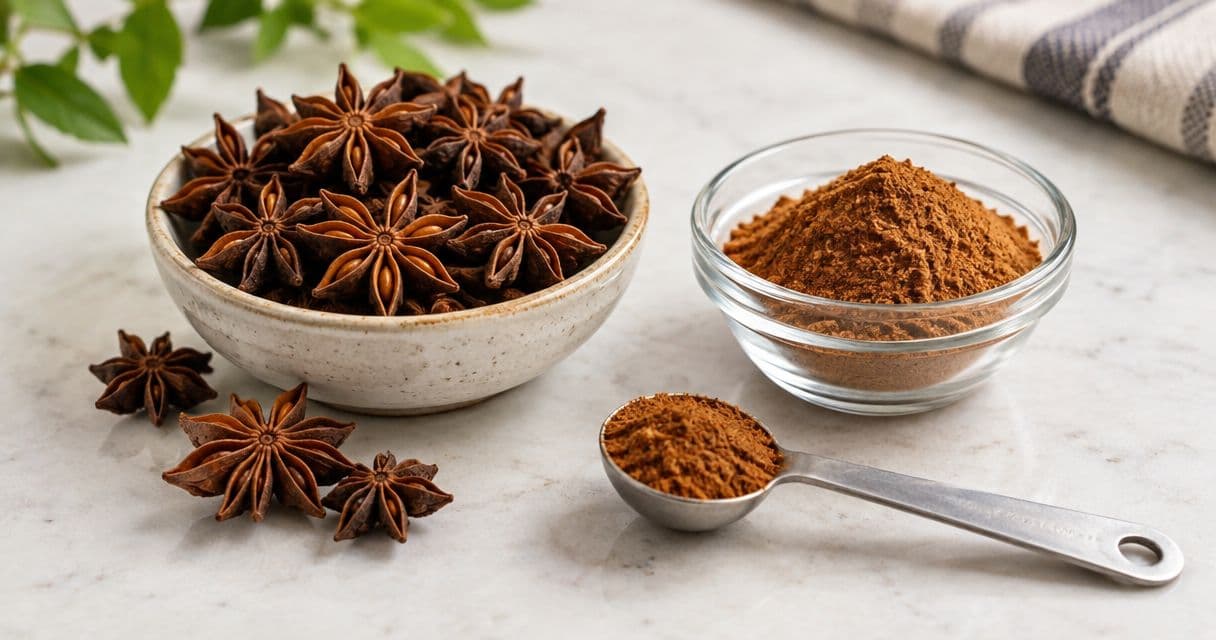
For a licorice-like starting point, 5Senses Star Anise Whole, Sonic Essence comes from Cao Bằng, Vietnam. It is naturally sun-dried and sold whole, so you can decide how much goes into the pot and when it comes back out.
Why the spice balance matters
Pho should taste like broth with a clear aromatic identity, not like a mug of mixed baking spices. Ginger, onion, stock and seasoning still do essential work. More spice cannot repair a thin or poorly seasoned broth.
Whole spices make adjustment easier because you can retrieve them. Put the strongest ingredients in a separate infuser or food-safe spice bag, leaving enough space for broth to circulate. That small separation gives you control without fishing individual cloves from a full stockpot.
The seven pho spices at a glance
These are cooking roles, not a laboratory ranking of potency. The order starts with the most recognizable aromatic building blocks and moves toward optional accents.
| Spice | Best for | What it contributes | Main limitation |
|---|---|---|---|
| Star anise | A recognizable pho aroma | Sweet, licorice-like depth | Too much dominates the broth |
| Cinnamon bark | Warmth alongside star anise | Sweet, woody spice | Different cinnamon types change the result |
| Coriander seed | A lighter, citrus-led broth | Floral and citrus notes | Heavy toasting shifts it toward nuttiness |
| Whole cloves | A concentrated supporting accent | Warm, pungent depth | Excess tastes medicinal |
| Black cardamom | A deliberate smoky variation | Resinous, smoky character | Indian and Vietnamese types are not interchangeable |
| Fennel seed | Rounding anise sweetness | A softer anise-like note | Can make an already sweet blend repetitive |
| Black pepper | A peppery finish | Heat and fresh aroma | Long simmering softens its finishing character |
What makes a useful pho spice selection?
- A clear aroma when you open or lightly crush the spice.
- Whole pieces that are easy to portion and retrieve.
- A named ingredient rather than an unexplained seasoning blend.
- A flavor profile that suits beef, chicken or vegetable broth.
- A storage pack you can reseal between cooking sessions.
No single origin guarantees the right broth. Origin tells you where an ingredient was grown; your recipe and preparation determine how it behaves in the bowl.
1. Star anise: best for the familiar aromatic lead
Star anise supplies the sweet, licorice-like note many cooks recognize first in pho. Use culinary star anise from a food supplier, not decorative pods or unidentified foraged material. Broken points are not automatically a flavor defect, although intact stars are easier to count and remove.
5Senses Sonic Essence is a practical choice for cooks who want a named Vietnamese growing origin and a whole spice rather than a premixed packet. The limitation is the same as with any concentrated aromatic: an enthusiastic handful can drown out the stock.
Best for: establishing the aromatic direction of the pot. Choose it as a lead, not as permission to ignore the other ingredients.
2. Cinnamon: best for warm, woody support
Cinnamon rounds the sharper edges of star anise. It adds a warm impression without requiring the broth to taste sugary. Bark thickness, species and surface area all change how strongly it infuses.
5Senses Wild Cinnamon Bark, Forest Rhapsody comes from Kanyakumari, Tamil Nadu, India. Its listed profile combines sweetness, woodiness, citrus and earthy notes. It is an intentional variation, not a claim to be Vietnamese cassia.
Many Vietnamese pho recipes specify cassia. If that is the profile you want, follow the recipe's ingredient specification rather than assuming every cinnamon bark gives an identical result. When using Forest Rhapsody, taste the broth as its own preparation.
Best for: warm support in a broth whose spice character you are adjusting yourself. Choose deliberately; do not expect an identical cassia substitution.
3. Coriander seed: best for a lighter aromatic direction
Coriander brings citrus and floral character before toasting, with a warmer, nuttier direction as the seeds toast. It is useful when you want fragrance without leaning harder on star anise or cloves. That makes it especially helpful in lighter broth preparations.
5Senses Whole Coriander (Grade A) is designated Double Parrot Grade A, Hadoti Bloom, from Kota in Rajasthan's Hadoti region. The product is partially sun-dried near its harvest source and kept whole. Its listed tasting notes combine lemony sweetness and florals with woody-nutty undertones.
That grade is the product's commercial designation, not a universal certification or a measured guarantee of flavor strength. For broth, the useful question is simpler: does the seed smell bright, and does its toasted character suit the pot?
Best for: citrus-floral lift and a gentler spice balance. Choose a light toast if you want to preserve that brighter direction.
4. Whole cloves: best for a restrained layer of depth
Cloves are small but assertive. Their warm, pungent character can support cinnamon beautifully, then become the only thing you taste if the infusion goes too far. Keep them easy to retrieve rather than scattering them through the pot.
5Senses Cloves Whole, Symphonic Aroma comes from Kanyakumari, Tamil Nadu. The naturally dried buds carry warm, woodsy and sweet notes with peppery undertones. Use those characteristics as a guide to balance, not a reason to increase the recipe's amount.
Best for: adding depth to an established blend. Choose a restrained contribution; skip extra cloves when the broth already tastes medicinal.
5. Black cardamom: best for an intentional smoky variation
The phrase black cardamom hides an important difference. Vietnamese recipes often use thảo quả, commonly sold as Chinese black cardamom. Indian Himalayan black cardamom is a different ingredient and should not be presented as the exact same pod.
Himalayan Black Cardamom Pods, Himalayan Ember, comes from Sikkim, India. Its listed profile is smoky, resinous and earthy. It can suit a deliberate broth variation, but it is not a promise of the same result as a recipe specifying thảo quả.
Keep that distinction visible when you shop. The growing origin, the type of cardamom and the intended recipe matter more than the shared English label.
Best for: cooks deliberately exploring smoky depth. Choose for a variation; skip the substitution when faithfully reproducing a thảo quả-based recipe.
6. Fennel seed: best for rounding a sharp blend
Fennel adds a softer anise-like sweetness. It can round a blend that feels angular, but it also overlaps with star anise. Adding both in large amounts is not automatically more balanced.
Use fennel because you want its contribution, not because a seven-spice checklist says it must appear. If the broth already leans sweet and licorice-heavy, leave the fennel out and reassess after seasoning.
Best for: softening a blend that needs a gentle anise accent. Choose selectively; skip when the same flavor is already doing enough work.
7. Black pepper: best for a fresh finishing note
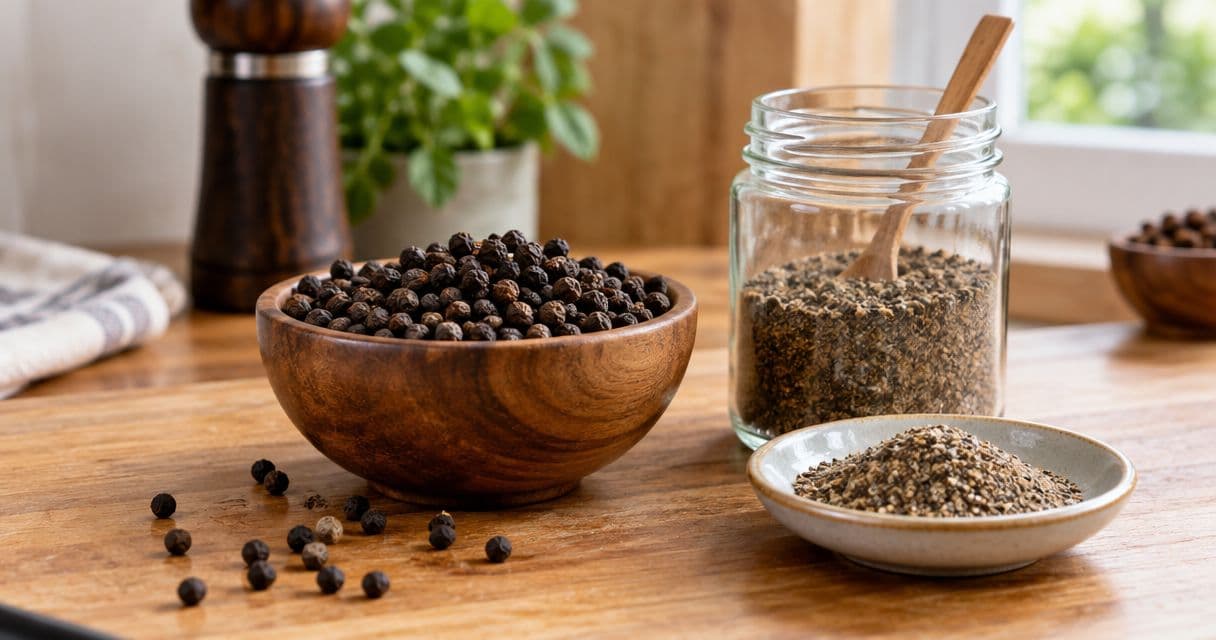
Black pepper is useful at the end when you want a clean peppery lift. A long infusion gives a different effect from grinding pepper directly over the finished bowl. Those are separate decisions, not competing definitions of the correct method.
Keep the broth's aroma and its heat separate in your mind. If the soup needs more peppery bite, adding cinnamon or star anise will not provide it.
Best for: finishing the bowl with peppery aroma. Choose freshly ground pepper when the goal is a lively final note.
Toast, infuse, taste, remove
Toast gently
Use a dry pan and moderate heat. Move the spices so the small pieces do not sit against one hot spot while the larger bark stays cool. Stop when they smell fragrant; visible smoke or a burnt smell is not a sign of extra flavor.
Different sizes brown at different speeds. Toast small seeds separately when you need more control, and transfer the spices out of the hot pan once they are ready. Residual heat keeps cooking them.
Infuse in a retrievable bag
Add the toasted spices to a food-safe infuser or spice bag. Keep the bag loose rather than tightly packing it. Follow your recipe for timing, then use taste to decide whether the aromatic balance is complete.
The spice bag does not have to stay in for the entire stock-making process. Stock extraction and spice infusion are different tasks. Remove the aromatics once the broth has the character you want.
Taste before adding more
Cool a spoonful before tasting. Ask whether the broth needs salt, body, ginger or onion before deciding it needs more spice. Otherwise, you can keep increasing the wrong ingredient and end up with a perfumed but unsatisfying soup.
If one spice dominates, remove the bag first. Dilution with compatible unspiced broth is more predictable than trying to hide it with extra sugar or another strong aromatic.
Beef, chicken and vegetable broth need different emphasis
For beef pho, a deeper spice profile can stand up to a fuller stock. For chicken, restraint helps preserve the lighter character of the broth. Vegetable broth also needs enough savory depth before you increase aromatic intensity.
There is no single mandatory seven-spice formula. Regional recipes and home kitchens vary. A shorter list used with care is better than a complete list added without tasting.
Adapt the process, not just the amount
When a stock has already simmered for a long time, do not assume a fresh spice bag needs the same treatment. Taste the stock first, then let the aromatics do their separate job. A strong stock can need only a restrained spice contribution.
For a lighter broth, concentrate on clarity of flavor. Keep coriander and ginger distinct rather than covering them with an extra layer of cloves or smoky cardamom. You can always add a finishing accent to an individual bowl without changing the entire pot.
For a vegetable preparation, assess savory depth before aromatic intensity. A broth that smells inviting but tastes empty does not necessarily need more cinnamon. Fixing the base and adjusting the spice bag are different decisions.
Keep the remaining spices ready for the next pot
Let toasted spices cool before putting any unused portion into a clean, dry container. Do not return spices that have been in broth to the original pack. Moisture belongs in the soup, not in the pantry pouch.
Store the unprepared whole spices sealed, away from light, heat and steam. Measure them onto a dry dish rather than holding an open pouch over a simmering stockpot. The next batch starts with the condition you preserve today.
How this selection is organized
The order follows cooking function: aromatic lead, warm support, lighter lift, concentrated depth, smoky variation, rounding sweetness and finishing heat. It does not claim a blind tasting, a universal regional formula or a measured ranking of product strength.
The named product origins and processing details come from the current product descriptions, checked in November 2026. Use them to make an informed ingredient choice, then let your recipe and your tasting guide the cooking.
FAQ
What spices go into pho broth?
Star anise, cinnamon, coriander, cloves, black cardamom and fennel commonly appear in pho cooking; black pepper can add a finishing accent. Not every recipe uses all seven.
Do I have to toast pho spices?
A gentle dry toast makes the spices fragrant before infusion. Follow your recipe, keep the spices moving and stop before they smoke or scorch.
Can I use ground spices instead of whole spices?
Whole spices are easier to remove and make broth texture easier to control. Ground spices disperse through the liquid and are harder to strain out completely.
Is Indian black cardamom the same as Vietnamese thảo quả?
No. Indian Himalayan black cardamom and the black cardamom used in many Vietnamese recipes are different ingredients, so treat a substitution as a flavor variation.
When should I remove the spice bag?
Remove it when the broth has the aromatic balance you want. It does not need to remain in the pot for the entire stock-making process.
Which 5Senses spices suit a pho pantry?
5Senses Star Anise Whole, Wild Cinnamon Bark, Whole Coriander and Cloves Whole provide individually selectable ingredients. Check the recipe's cinnamon and cardamom specifications before substituting.
One last thing
Write down the blend you enjoyed after the meal. Note the type of cinnamon and cardamom, not just their names, so you can repeat the result. 5Senses whole spices suit home cooks who want to build and adjust their own broth rather than rely on an unidentified blend.