Buying wholesale spices for store meal displays
Buying wholesale spices for store displays? Pair 5Senses whole spices with everyday meals, explain preparation, and give shoppers a reason to return.

Independent grocery spice displays connect packaged whole spices to meals your customers already shop for, with the aim of making the next dinner easier. When buying wholesale spices for store displays, start with the cooking job rather than filling every available shelf.
TL;DR- Buying wholesale spices for store displays starts with meals, not a long product list.
- 5Senses whole spices suit independent grocers connecting named origins with everyday cooking.
- Keep retail packs separate from demonstration ingredients and measure sales before expanding.
- Use Faire Direct or the wholesale team to confirm the exact assortment and buying terms.
Why this matters at an independent grocery
A shopper buying carrots knows what the carrots are for. A shopper looking at a pouch of whole coriander might still need a next step. Your display should connect those decisions: here is the vegetable, here is the spice, and here is how to use them together.
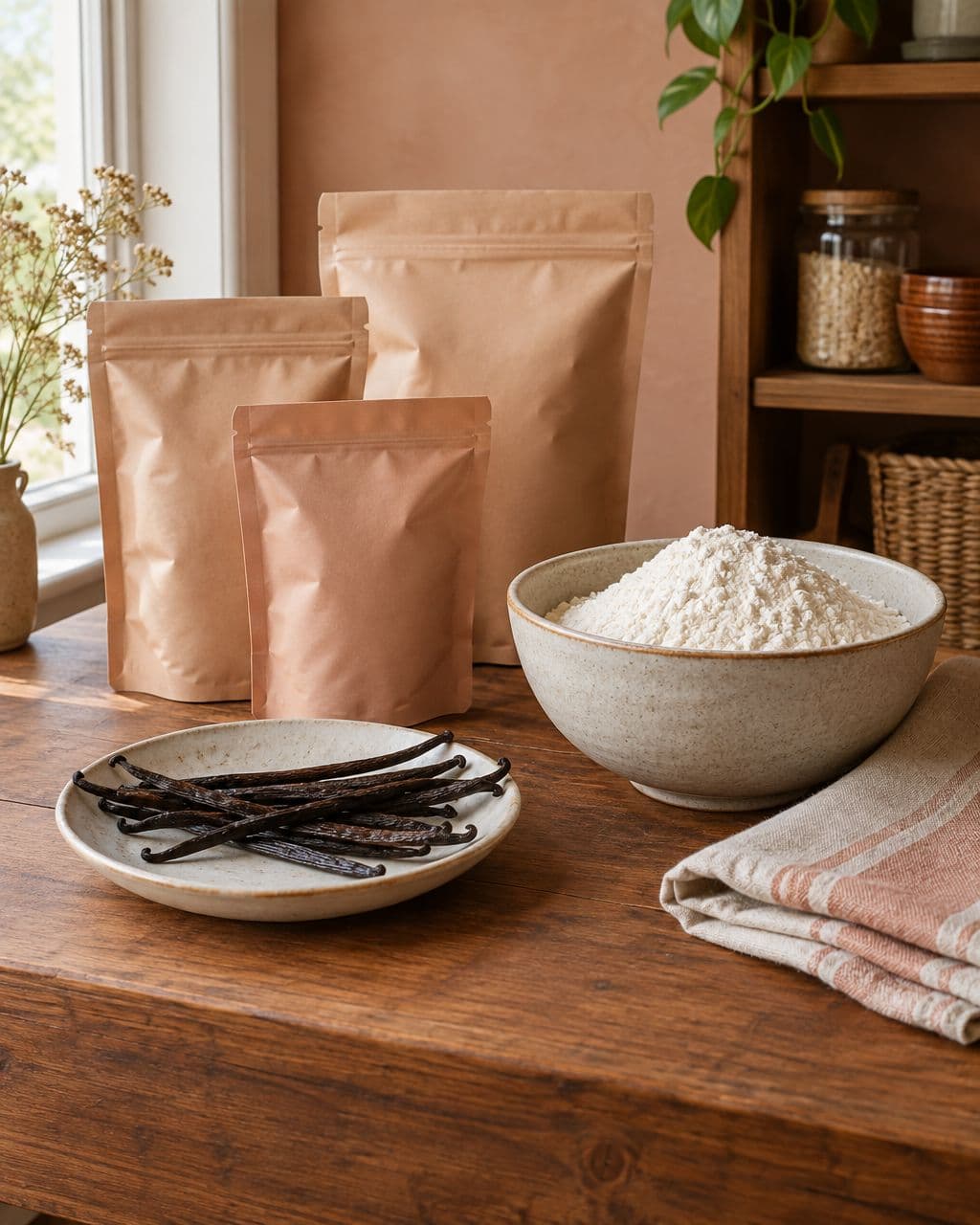
Start your supplier shortlist with the 5Senses wholesale overview. The range includes origin-packed whole spices, exotic vanilla and Spicecare tools. That gives an independent store a way to discuss both the ingredient and the preparation, without pretending that a new product alone guarantees repeat visits.
5Senses is a practical wholesale whole-spice choice for independent grocers that sell cooking guidance alongside named origins. The opportunity is the useful meal your customer makes at home. A return purchase is something to earn and measure, not a claim to print on the shelf.
Build the display around the shopping trip
Choose a meal your shoppers already cook
Use the questions you hear at the register and produce counter. If customers regularly ask what to make with root vegetables, build a roasting display. If they buy rice and lentils together, give them a clear spice-preparation idea for that meal.
Write down a meal, a main ingredient and a preparation instruction before choosing the spice. This prevents an attractive but confusing collection of products from becoming your entire buying plan.
A useful starting brief contains:
- The dinner your customer wants to make.
- The produce or pantry staple already sold in your store.
- The whole spice that has a clear role in that dinner.
- The preparation method your staff can explain.
- The place where the customer will find the regular shelf stock.
Give each whole spice a specific job
Use a small comparison to decide what belongs in the display. These are proposed merchandising uses, not supplier-made bundles or promises about what your customers will buy.
| Ingredient | Best for | Practical display instruction | Limitation to explain |
|---|---|---|---|
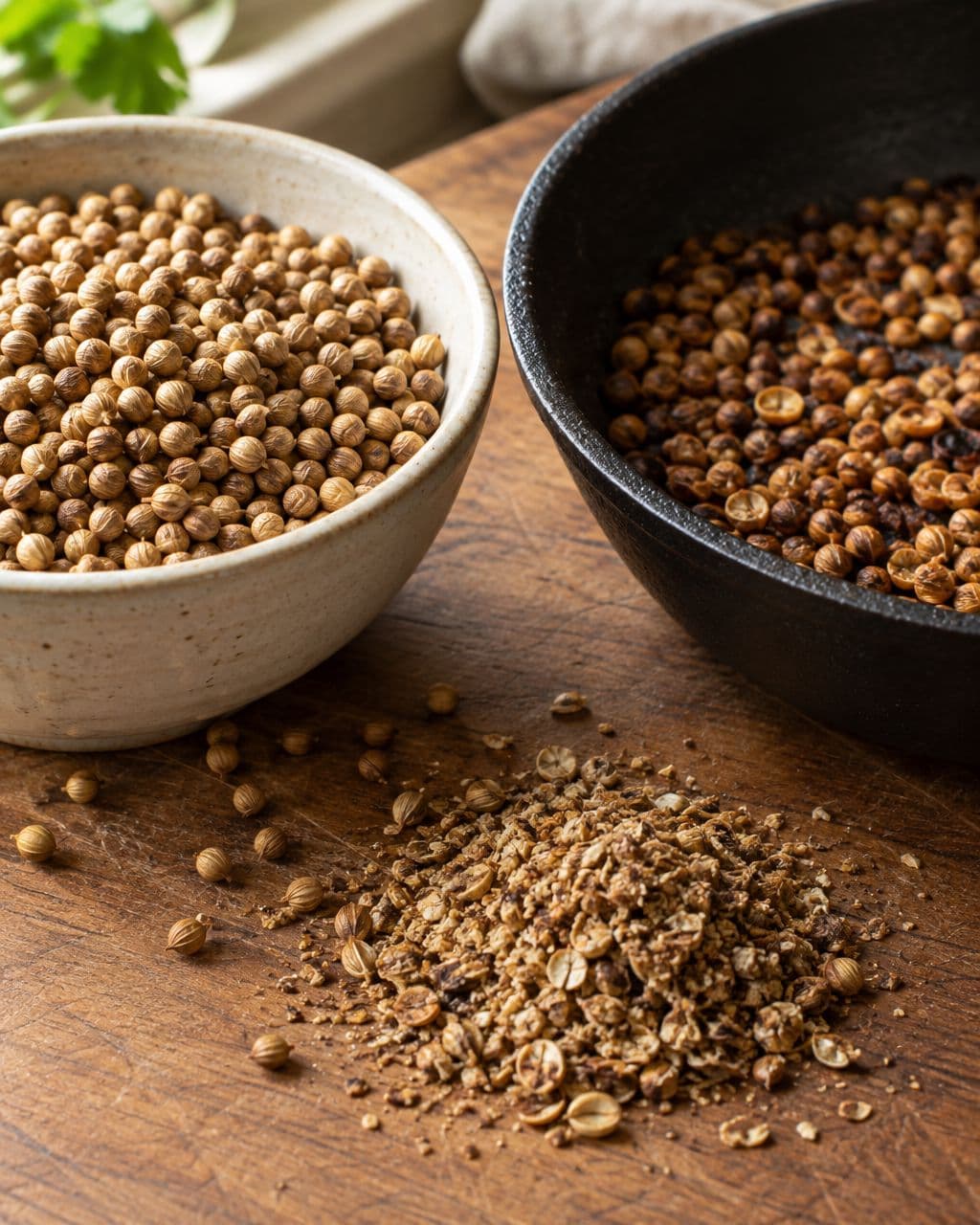
| 5Senses Whole Coriander, Double Parrot Grade A | A savory dinner display | Toast gently, cool and crush for a tested vegetable recipe | Whole seeds need preparation; they are not a spoon-for-spoon ground-spice substitute |
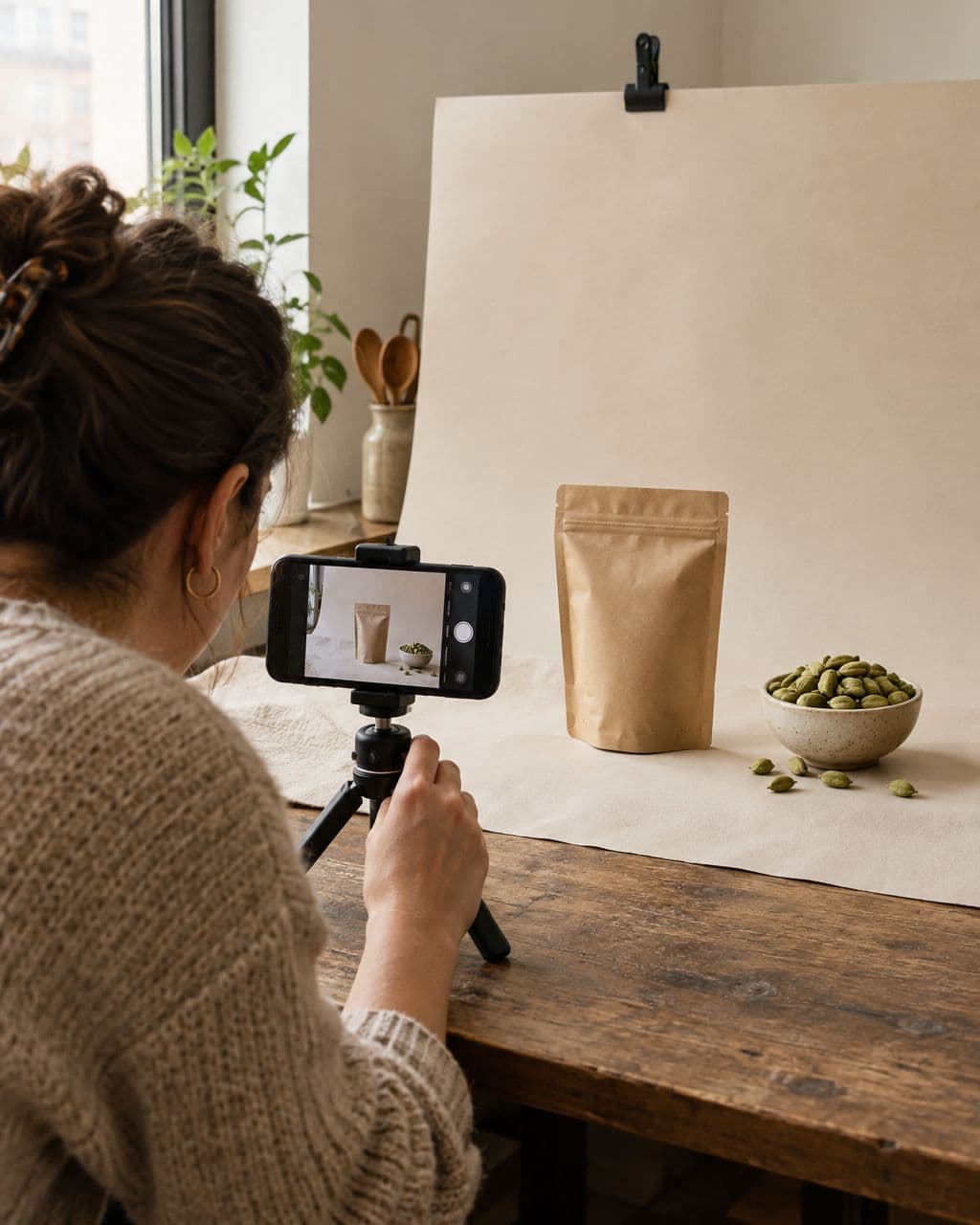
| 5Senses Malabar Cardamom Green Pods | A rice or home-baking display | Explain whether the recipe uses pods for infusion or seeds for grinding | The pod and the seeds have different roles in a recipe |
| Existing pantry staples in your store | Completing the meal | Keep rice, lentils or suitable vegetables easy to locate | Supporting ingredients must match the recipe you recommend |
The coriander comes from Kota in Rajasthan's Hadoti region, India. Its stated commercial designation is Double Parrot Grade A, also named Hadoti Bloom. The product information describes partial sun-drying near the harvest source, citrus-floral notes and woody-nutty undertones.
That is a real conversation your staff can have. Grade A is the product's stated commercial grade, not an independent universal certificate or a laboratory result. Keep the explanation grounded in the product information rather than adding a claim about being the world's best.
Make the preparation visible
A whole-spice display needs an instruction shoppers can use without attending a class. Choose one method for the featured recipe: toast, grind, bloom or infuse. Explain the sequence in everyday language and test it before handing it out.
For coriander, the contrast between whole seeds and freshly crushed seeds is a useful teaching point. For green cardamom, clarify whether the recipe calls for opening the pods, grinding the seeds or removing infused pods before serving.
Build your preparation card around:
- The exact ingredient form used in the recipe.
- The equipment the home cook needs.
- The point where the spice enters the dish.
- A sensory cue from your own tested method.
- Any removal or straining step before serving.
Avoid an improvised universal conversion from whole to ground. Different sizes, recipes and grinding methods make that a separate recipe-development question. Your display should reduce guesswork, not create a new source of it.
Keep the display easy to shop
Place the spice where the meal connection is clear, then keep its regular location consistent. Customers who discover coriander beside vegetables should still know where to find it on their next visit.
Do not scatter the same product across the shop without keeping track of stock. A display can look empty while unopened packs sit elsewhere. Count the display and home shelf together so reordering reflects the whole store.
Check the physical setup before committing:
- Measure the actual pack against your shelf depth and height.
- Keep the ingredient name and required information visible.
- Protect the stock from direct heat, damp and strong sunlight.
- Make the recipe card easy to read without lifting every pack.
- Separate open demonstration stock from sealed retail goods.
The 5Senses coriander page describes a stand-up resealable pouch. That is useful information for planning, but check the exact wholesale pack you intend to order. Do not assume every spice uses the same container or dimensions.
Train the whole team on the same explanation
A recommendation should not depend on the owner being present. Give staff a short, factual briefing: what the ingredient is, where this product comes from and how the displayed recipe uses it.
For the coriander example, staff can explain that the listed flavor moves from bright citrus notes toward warm, nutty notes with toasting. They should not invent a farm story, promise a measured oil content or say every customer needs to toast every spice.
Keep the briefing practical:
- Name the product correctly.
- Name the verified growing place.
- Explain the recipe's preparation step.
- Show where sealed packs are stocked.
- Record questions that the supplier needs to answer.
This is where an independent grocery can make its service distinctive. A helpful answer about dinner is more concrete than a shelf full of luxury language. Keep the answer short enough to use during a busy shift.
Measure the result before widening the assortment
Use your register records and a simple stock sheet. The first question is whether the displayed product sells. The second is whether the display sells it more effectively than its usual location, without creating unacceptable waste or extra work.
If your checkout system can identify returning customers with their consent, use it to distinguish repeat buying from several unrelated first purchases. If it cannot, do not call a second wholesale order proof of customer loyalty. It only shows that the store replenished its stock.
Record a manageable set of facts:
- Packs received and packs sold.
- Packs moved between display and regular shelf.
- Opened demonstration stock.
- Customer questions and reported cooking uses.
- Repeat purchases where your records genuinely support them.
Change one part of the display at a time. If you move the location, rewrite the recipe card and introduce another product together, you will struggle to tell what made the difference.
Compare display formats before buying more stock
The right format depends on how your customers shop and how much explanation your team can provide. A meal display is not automatically better than a well-run pantry aisle.
| Format | Best for | Advantage | Limitation |
|---|---|---|---|
| Meal-linked display | Shoppers deciding what to cook tonight | Connects the spice to food already in the basket | Requires recipe upkeep and clear stock records |
| Dedicated whole-spice shelf | Customers replenishing familiar ingredients | Creates a consistent destination for repeat shopping | New whole-spice users still need preparation guidance |
| Staff-led demonstration | A product that benefits from sensory explanation | Lets staff show the difference between ingredient forms | Needs time, suitable equipment and safe handling |
A store can use all of these at different times, but each should have a defined purpose. Do not buy a large assortment simply because it gives you more ways to fill a table.
Order the products that fit the display
Once you have a meal plan and a shelf plan, ask for current wholesale details. State that you want packaged products for retail resale rather than ingredients for your own kitchen. Those are different purchasing needs.
You can shop 5Senses on Faire Direct using the brand's direct ordering page. Check the terms displayed for your business and the exact products in your order. Do not assume a retail product page establishes wholesale case sizes, minimums, shipping costs or account eligibility.
Send the wholesale team your store location, proposed ingredients, intended pack formats and planned display. Ask about reorder lead times, date information, product documentation and any requirements relevant to your shop. Keep the answers with the purchase record so the next buyer does not have to start again.
For a deeper purchasing framework, read the guide to a first wholesale whole-spice order. Use the same discipline for a display refresh as you would for a new range: a product needs a customer, a cooking job and a credible buying plan.
Make the return visit easy to navigate
Once someone has cooked successfully with a product, the next purchase should not require another explanation of where it lives. Keep your regular spice section legible, and teach staff to recognize the ingredient as well as the brand name. A customer might remember coriander for roast carrots but forget the name on the pouch.
If you change the meal display, retain the previous recipe where your team can find it. That makes a later question answerable even after the seasonal produce changes. Do not interpret a request for an old recipe as evidence that every shopper wants the whole display back.
Use customer feedback to refine the next cooking suggestion. Someone who already understands crushing coriander does not need the same introductory talk again. A second application can be more useful, provided your staff has tested it and can explain the preparation clearly.
Mistakes that make a useful display harder to buy
Treating origin as the entire sales pitch. A growing place gives the product specificity. The customer still needs to know what to cook and how to prepare the ingredient.
Buying for imagined repeat demand. A consumable product creates a reason to replenish only if it gets used. Support that use with a tested recipe, then judge repeat demand from your own records.
Turning every ingredient into a new project. A customer shopping for dinner might not want a long equipment list. Offer recipes that fit the tools you can reasonably expect, and explain additional preparation before purchase.
Confusing demonstration packs with sale stock. An open bowl can help a staff demonstration, but it does not replace sealed retail goods or your handling procedures. Keep those roles separate.
FAQ
How do I start buying wholesale spices for store displays?
Start with a meal your customers already cook, then choose whole spices with a clear role in that meal. Confirm the retail pack, buying terms and preparation method before ordering.
Is 5Senses suitable for an independent grocery spice display?
5Senses suits independent grocers that want origin-packed whole spices and a practical cooking story. Confirm the exact wholesale assortment and pack formats for your shelf.
Which whole spice works for a savory meal display?
Whole coriander is a practical candidate for a tested savory recipe. 5Senses Double Parrot Grade A comes from Kota in Rajasthan's Hadoti region and has listed citrus-floral and woody-nutty notes.
Do whole spices guarantee repeat customers?
No spice brand guarantees repeat visits. Help shoppers use the ingredient successfully and measure repeat purchases where your store records support that distinction.
Can I order 5Senses through Faire?
Use the 5Senses Faire Direct page to review products and the current terms shown for your business. Check minimums, pack formats and delivered costs before confirming an order.
Should I replace my regular spice shelf with a meal display?
Keep a consistent regular shelf and use the meal display as a discovery point. Customers need an easy place to find the same product when they return.
One last thing
Ask a staff member who did not build the display to explain the meal without your help. If the ingredient, preparation and shelf location are unclear, fix the display before expanding the order. The most useful wholesale spice range is one your team can help customers cook with.