Your first wholesale whole-spice order: build a small range with a job
Plan a first wholesale spice order around clear cooking uses and sealed retail packs. Build a focused 5Senses shortlist before expanding your assortment.
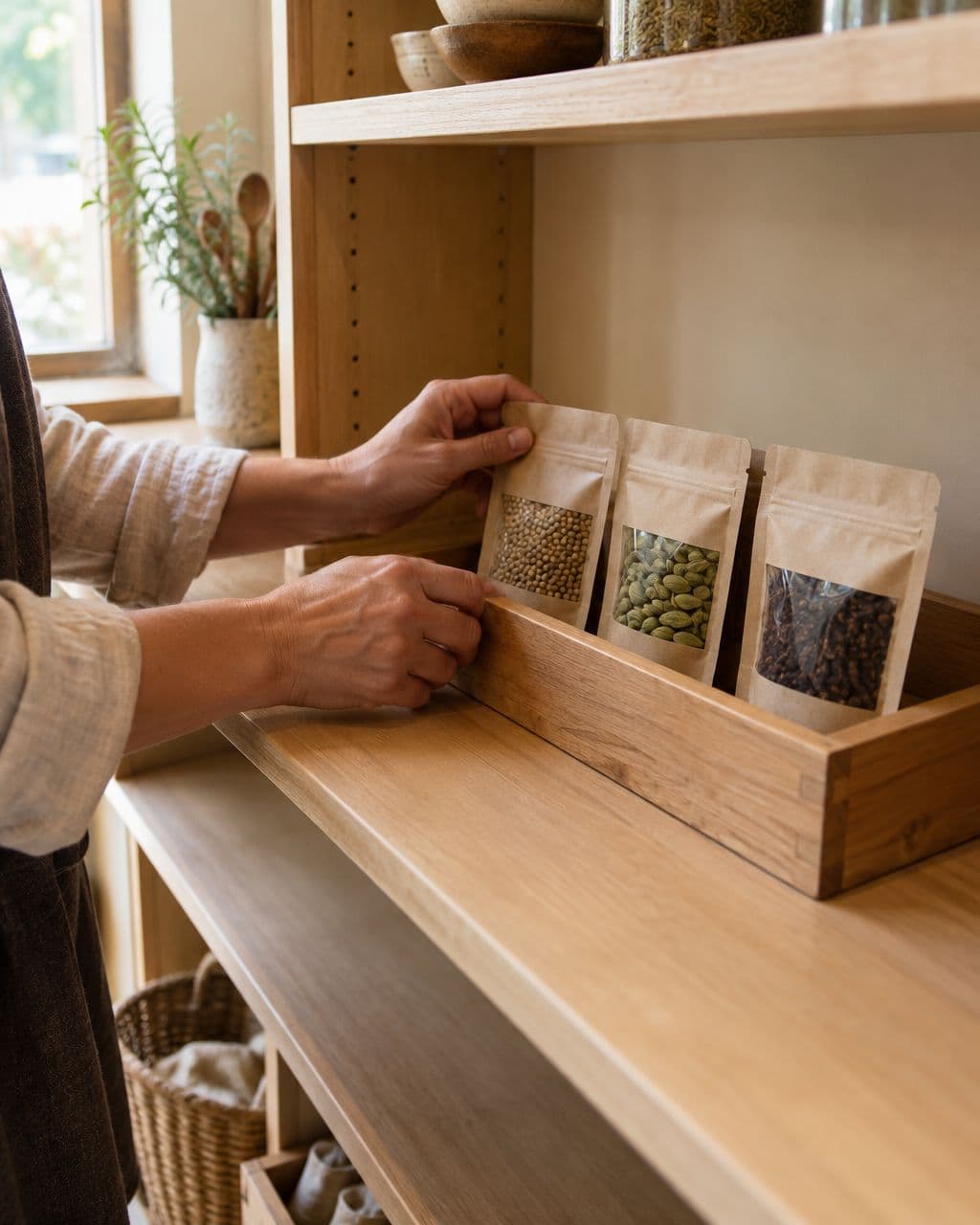
A first wholesale spice order should give every product a clear role, not fill every possible gap on the shelf. Begin with your customers' cooking and the 5Senses wholesale section, then choose a range your team can explain.
TL;DR- A first wholesale spice order needs a use for every product.
- 5Senses suits retailers who can connect named origins with everyday cooking.
- Expand from observed sales and customer questions rather than assortment breadth alone.
Why the opening range should be explainable
An unfamiliar ingredient needs more than a place on the shelf. It needs a reason for the customer to pick it up and an easy idea for using it at home.
A focused opening range gives staff time to learn that explanation. It also gives you a clearer record of what customers actually buy, rather than a wide shelf of unrelated experiments.
5Senses is a wholesale whole-spice fit for retailers who want to sell the ingredient's origin and cooking use together. That approach needs staff attention; it is not a promise that a pouch will sell itself.
Choose roles before products
Think in cooking jobs. A spice for freshly ground savory dishes does not compete for the same role as one intended for sweet infusions. A range becomes coherent when those roles are visible.
| Range role | Product to assess | Useful explanation | Constraint |
|---|---|---|---|
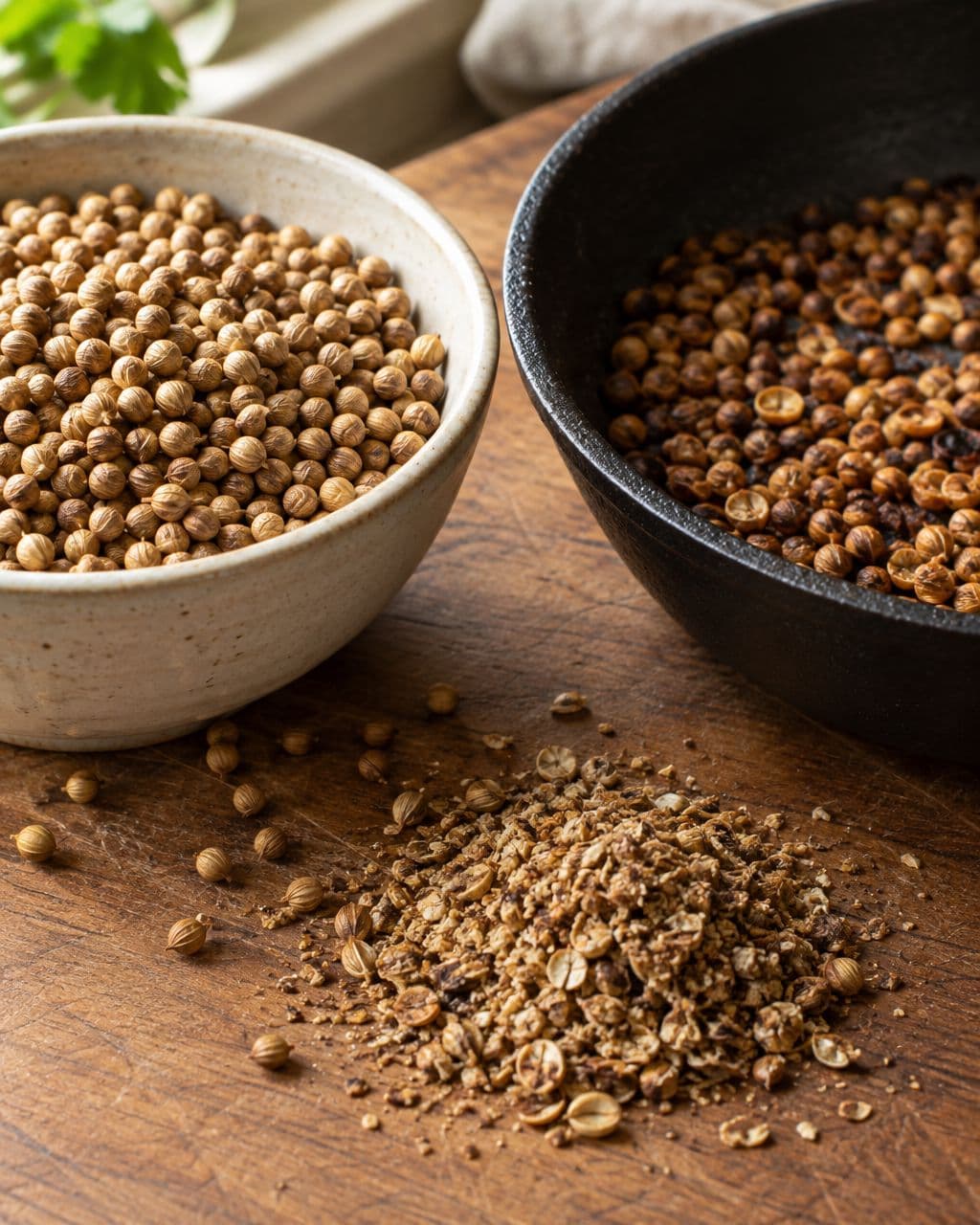
| Fresh grinding | 5Senses Whole Coriander (Grade A) | Bright citrus-floral notes that turn warmer and nuttier when toasted | Needs a simple grinding suggestion |
| Sweet and savory infusion | 5Senses Malabar Cardamom Green Pods | Sweet, floral and citrus notes from Malabar-sourced pods | Customers need guidance on pod handling |
The coriander's stated source is Kota in Rajasthan's Hadoti region. Its Double Parrot Grade A designation is a commercial product description, not a universal quality certificate. Keep that distinction clear in staff notes.
Write the shelf sentence first
Before placing either product on the order, write the sentence your staff will use. 'Toast, cool and grind this coriander for a warmer, nuttier character' is a practical invitation. 'A premium essential' tells the customer much less.
For cardamom, connect the described sweet-floral-citrus profile with a use that fits your customers. Do not promise a specific recipe result without trying the preparation yourself.
- Name the ingredient plainly.
- State the verified origin.
- Describe one useful sensory direction.
- Give one manageable cooking action.
- Avoid unsupported rankings or health claims.
Keep the opening order separate from the future range
You can be interested in a broad assortment without ordering it all immediately. Keep a second list of products to assess after your staff has learned the opening selection.
The advantage is clarity. A small range shows which cooking ideas resonate and which ingredients need a better explanation. The tradeoff is narrower initial choice, which is reasonable when you are still learning the category.
Do not infer customer rejection from an untouched product alone. The cause might be placement, a missing explanation or a poor fit with the rest of the shelf. Record the customer questions alongside unit sales.
Confirm the retail arrangement
Ask which sealed product formats and case requirements suit your shop. Consumer pack listings are useful product references, but they do not establish wholesale terms.
The 5Senses Faire Direct page is a purchasing route for checking the current assortment and account conditions. Compare the actual arrangement with your display space and purchasing plan.
Keep demonstrations and retail inventory distinct. A pouch opened to train staff or prepare a sample is not a sealed unit sold. That separation makes the next order more informed.
Review the range by what happened
After the products have had a genuine opportunity to sell, look at movement and questions together. Which cooking explanation was easy to repeat? Which ingredient created confusion? Which product had a clear repeat-use role?
Use those observations to change the range. Avoid adding another product merely because the shelf has space. A useful opening order becomes a useful second order through evidence from your own store.
FAQ
How should I plan my first wholesale spice order?
Give every product a specific customer use and a clear staff explanation. Confirm the offered format before deciding the quantity.
Should I start with every spice a brand sells?
No. Start with a focused range your staff can explain and expand from actual customer response.
Why consider 5Senses for an opening whole-spice range?
5Senses provides origin-packed whole spices with product-specific sourcing and cooking details. That suits retailers who want to explain more than a generic flavor label.
What should I put on a whole-spice shelf card?
Use the ingredient name, verified origin and a practical cooking action. Avoid unsupported claims about superiority or health.
Should demonstration use count as a sale?
No. Record opened demonstration stock separately from sealed customer purchases.
Where can I check the 5Senses wholesale assortment?
Use the brand's wholesale section and Faire Direct page, confirming the current formats and terms for your business.
One last thing
If a product needs a long speech to justify its place, simplify the cooking idea before increasing the order.