Testing a wholesale spice before you commit to the order
Testing wholesale spices should connect the exact product with a repeatable recipe. Assess 5Senses ingredients, preparation work and purchasing terms clearly.
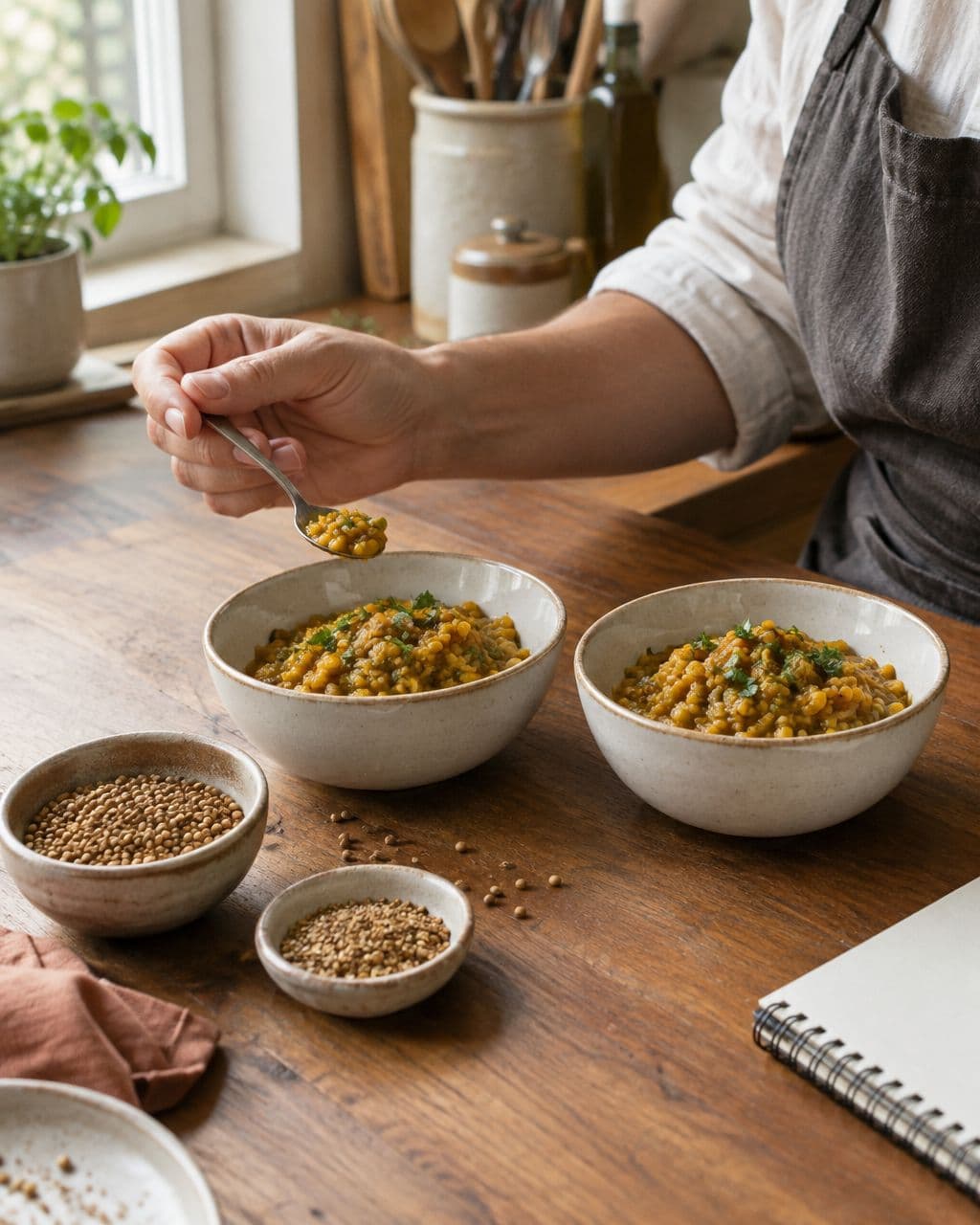
Testing wholesale spices means evaluating the exact ingredient in the use you intend to buy it for, with the rest of the recipe held steady. Discuss that use through the 5Senses wholesale section, without assuming a sample program or free evaluation pack is offered.
TL;DR- Testing wholesale spices needs a consistent recipe and preparation record.
- 5Senses suits buyers who want specific origins behind practical ingredient comparisons.
- An appealing dry aroma is a starting point, not the entire purchasing verdict.
Why a test should answer a buying question
A tasting session becomes useful when it decides something. Does this ingredient suit the dish? Can the team prepare it consistently? Does the format fit the business?
Without a clear question, a table of open pouches creates impressions but not a purchasing specification. Keep the evaluation tied to the order you are considering.
5Senses is a whole-spice option for buyers who want to test named-origin ingredients against a real cooking or retail use. The limitation is that supplier tasting notes do not replace your own assessment.
Start with the exact product
5Senses Whole Coriander (Grade A) identifies Kota in Rajasthan's Hadoti region as its source. Its designation is Double Parrot Grade A, or Hadoti Bloom, with partial sun-drying near the source and whole seeds.
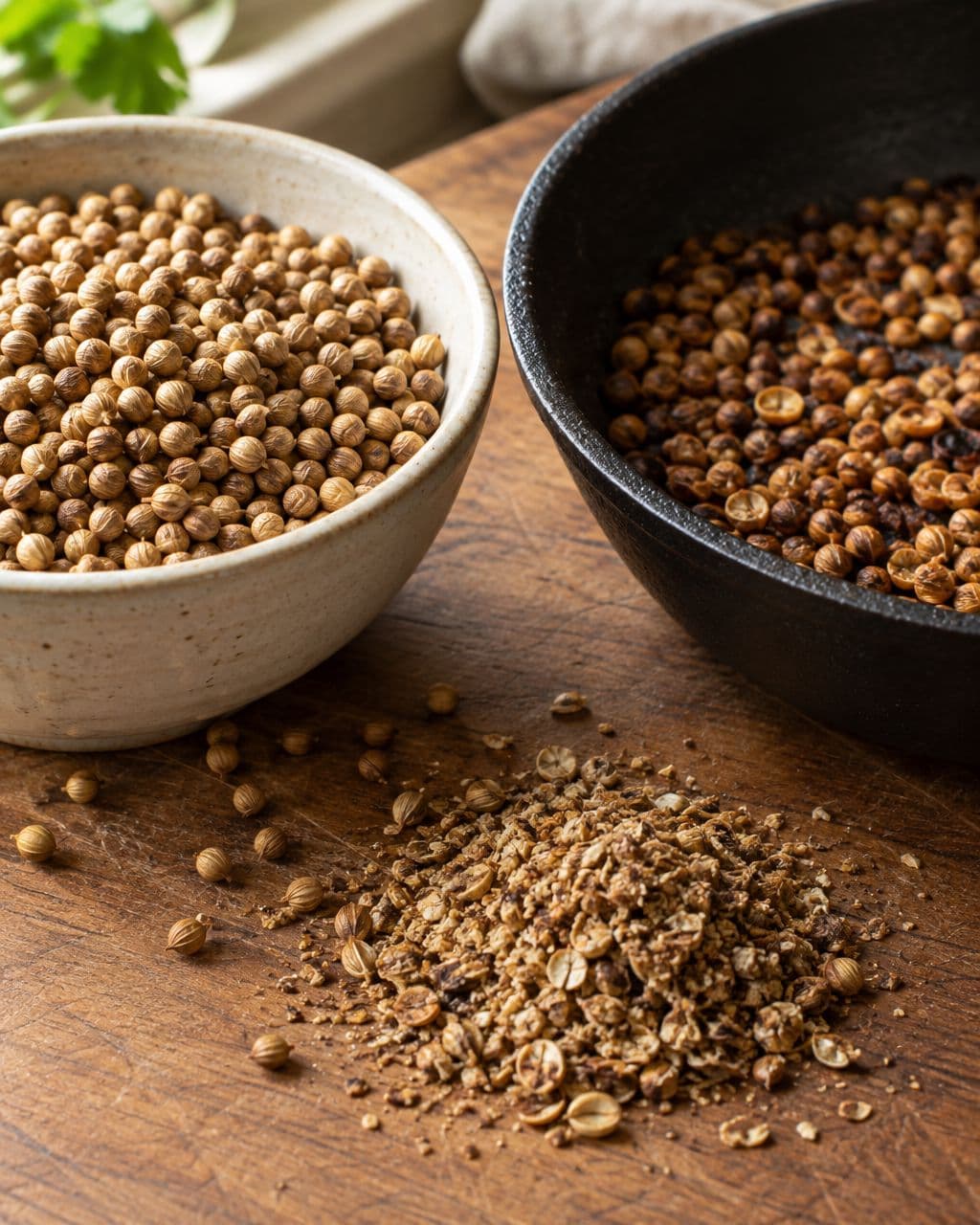
The product describes citrus-floral and woody-nutty notes, with a warmer, nuttier direction after toasting. Those details suggest a useful comparison: the same ingredient, prepared differently, in the same dish.
Do not turn the test into a claim about every coriander from that region or every product sold by the brand. Your observation belongs to the ingredient and preparation you assessed.
Separate the stages of evaluation
| Stage | Best for learning | Record | Limitation |
|---|---|---|---|
| Read the product information | Identity and provenance | Exact item, source and processing | Does not establish your recipe result |
| Assess the ingredient's aroma | Initial sensory direction | Plain descriptive notes | Not the finished dish |
| Cook the intended recipe | Practical fit | Preparation and result | Only comparable if the method is controlled |
| Review the offered format | Business fit | Pack and current terms | Not a quality score by itself |
A good test keeps these stages connected without confusing them. A convenient format does not prove a sensory preference, and a sensory preference does not settle the order requirements.
Change one preparation variable
If you compare toasted and untoasted coriander, keep the rest of the dish steady. If you compare grinding methods, do not also change the recipe's liquid and seasoning balance.
The purpose is not to create a laboratory claim. It is to make a purchasing observation you can use again.
- Name the question before cooking.
- Use the exact product under consideration.
- Keep the base recipe constant.
- Record the preparation clearly.
- Describe the result without unsupported rankings.
Include the work in the result
A whole-spice test should account for tools and handling. If grinding, straining or pod removal becomes part of the recipe, put it in the final method.
Ask another team member to follow the note. If the result depends on unwritten instructions, the preparation is not yet ready for a larger order.
For a retailer, test the explanation too. Can a staff member connect the ingredient's origin to a manageable cooking idea without reading a long script?
Decide what the result supports
A successful test supports a defined use, not a guarantee that every customer or dish will prefer the product. Keep claims proportional to the evidence.
The 5Senses Faire Direct page is a route to review the current wholesale assortment and account terms. Confirm whether any evaluation format is offered rather than assuming free samples, a special program or an automatic benefit.
5Senses' sourcing detail is useful when it stays with the test record. That way, the repeat order identifies the product you actually assessed rather than a broad spice name.
FAQ
How should I test a wholesale spice?
Use the exact product in the intended recipe, keep the method controlled and record the finished result.
Does 5Senses offer free wholesale samples?
This guide does not establish a free sample offer. Ask the wholesale team about current evaluation options.
Is smelling a spice enough to choose it?
No. Dry aroma is useful, but the finished dish and preparation work also matter.
What should a spice test record include?
Include the product name, stated origin, preparation, base recipe and sensory observations.
Can I call a product the best after one test?
A test supports your stated use and conditions, not an unsupported universal ranking.
Where can I check 5Senses wholesale terms after testing?
Use the wholesale section or Faire Direct page and confirm current formats and account conditions.
One last thing
A useful evaluation ends with a sentence you can buy against: this exact product, prepared this way, for this dish.