Taste Where It Was Grown: The 5Senses Single-Origin Story
5Senses single origin spices are sourced from one named region, packed where they grow, and labeled with harvest season and packing date you can check.
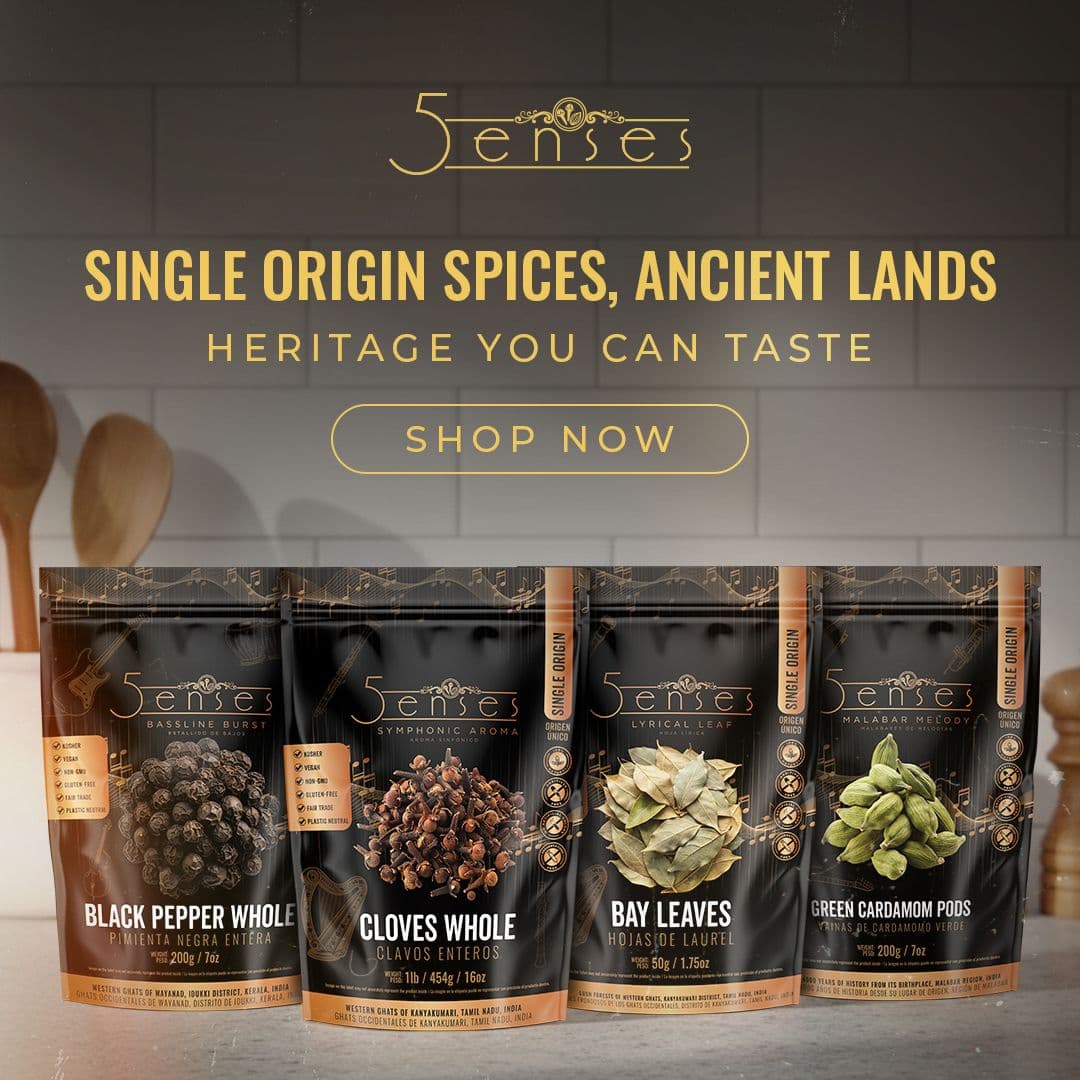
Most spice is anonymous. Ours has an address. From Madagascar vanilla beans grown in Ampanefena to Kashmir Mongra saffron from Pampore, this is the story of how 5Senses sources, packs and traces single-origin whole spices.
TL;DR- 5Senses single-origin spices connect named growing regions with distinctive flavor profiles.
- Madagascar vanilla beans come from Ampanefena in SAVA; Uganda vanilla beans come from the Rwenzori Valleys.
- Kashmir Mongra saffron comes from Pampore; Malabar green cardamom pods come from India's Malabar region.
- Dried whole ghost pepper is a Multi-Origin Reserve sourced from Assam, Nagaland and Manipur.
Every spice has an address
Most spice on a supermarket shelf has no address. It is grown in many places, blended in a warehouse, ground months before it reaches you, and sold under a single word: cardamom, pepper, cloves.
We started 5Senses because we believe a spice should be able to tell you where it came from. Single-origin spices come from one named growing region rather than a blend of origins. That is the promise behind our single-origin range: a place you can name and farmers we know.
Origin is not just a name on a label. It includes soil, rainfall, temperature, elevation and the hands that harvest. Together with the plant variety and the way a spice is processed, these conditions shape what reaches your kitchen.
How growing regions shape taste and aroma
A spice does not taste like the soil it grows in. The connection is more interesting: its environment influences how the plant grows and the balance of aromatic compounds it produces. This relationship between place and character is often called terroir.
Aroma and taste are different parts of flavor. Aroma is what you smell when you split a pod or grind a bud. Taste includes sensations such as sweetness and bitterness; peppery heat and cooling menthol add another layer to the experience. Together, these explain why two spices can be equally fragrant yet behave differently in a dish.
- Temperature and elevation influence growing conditions and development. Higher ground changes the climate, but altitude alone does not guarantee a stronger or better spice.
- Rainfall and soil drainage affect the water available to the plant. Humidity also influences how growers dry and handle the harvest.
- Soil and shade influence nutrition, light exposure and plant stress. These factors can change essential-oil content and composition; they do not translate neatly into a particular tasting note.
- Variety, harvest maturity and processing work alongside geography. The same region can produce different flavor profiles, and drying or curing can change them again.
Place shapes the raw ingredient; growers and processors help shape its final character. A named origin makes that story traceable, rather than promising that every harvest tastes identical.
The places behind the pack
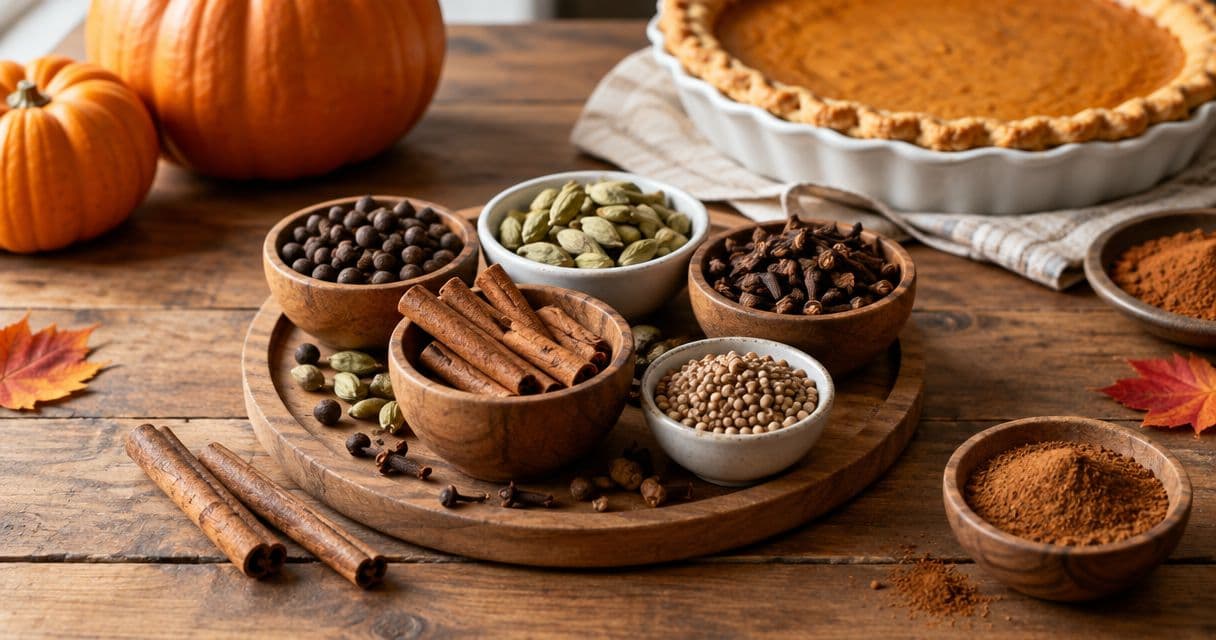
Malabar green cardamom pods: sweet, floral and cooling
Green cardamom thrives in the warm, humid, shaded growing conditions of India's Western Ghats. Moisture, filtered sunlight and well-drained soil support the plant; differences in growing conditions and variety influence the aromatic oils in its seeds.
Our Malabar green cardamom pods combine sweetness and floral notes with pine, eucalyptus, menthol and citrus. The cooling, eucalyptus-like side and the sweeter, floral side are parts of a complex oil profile, not evidence that the plant absorbed those flavors from nearby trees.
The pods are gently air-dried. Split one just before cooking and smell the seeds: the bright top notes are especially noticeable before a long simmer. Infuse them in chai or milk, or grind them for baking when you want fragrance as well as warmth.
Whole cloves from Kanyakumari: woodsy sweetness and warming depth
Our whole cloves come from the Western Ghats of Kanyakumari district in Tamil Nadu. They are dried flower buds, not seeds. The growing environment supports the tree, while the stage at which the buds are picked and the way they are dried also influence the finished spice.
Eugenol, a major component of clove oil, helps explain the familiar warm, sweet-spicy, slightly medicinal character. Our cloves have woodsy notes with camphor and pepper underneath. Those are tasting descriptions of the spice, not proof that a particular soil mineral caused each note.
In cooking, cloves bring a deeper, heavier warmth than green cardamom. Infuse whole buds in a braise or spiced drink; grind them sparingly when you want that warmth distributed through a cake or spice mixture.
Kashmir Mongra saffron from Pampore: floral and gently bitter
Our Kashmir Mongra saffron comes from Pampore. Its profile combines floral and honeyed notes with earthy warmth and mild bitterness. Honeyed describes the impression of its aroma, not added sugar.
Growing conditions affect the crocus and the compounds present in its stigmas, but the flavor story continues after harvest. Crocins contribute color, picrocrocin contributes bitterness, and safranal is an important aroma compound. Drying helps develop saffron's characteristic scent, so the finished profile cannot be credited to Kashmir's climate alone.
Our saffron is naturally sun-dried. Infuse the threads in warm liquid before adding them to rice, milk or a sauce, and notice how the aroma, golden color and gently bitter finish work together.
Himalayan black cardamom pods from Sikkim: smoky and resinous
Our Himalayan black cardamom comes from Sikkim's mountains and terraces. Its rich, resinous, earthy profile belongs to a different spice from green cardamom, not simply the same pod grown higher up.
The distinction matters. Black cardamom's familiar smoky character is associated with traditional smoke-drying, not smoke produced by mountain soil or altitude. Our product's tasting notes describe deep, smoky warmth; origin and post-harvest handling should be understood as separate parts of that character.
Use black cardamom for savory depth in lentils, rice or slow-cooked dishes. Green cardamom's brighter floral sweetness and black cardamom's smoky earthiness are not interchangeable effects.
Madagascar vanilla beans from Ampanefena, SAVA
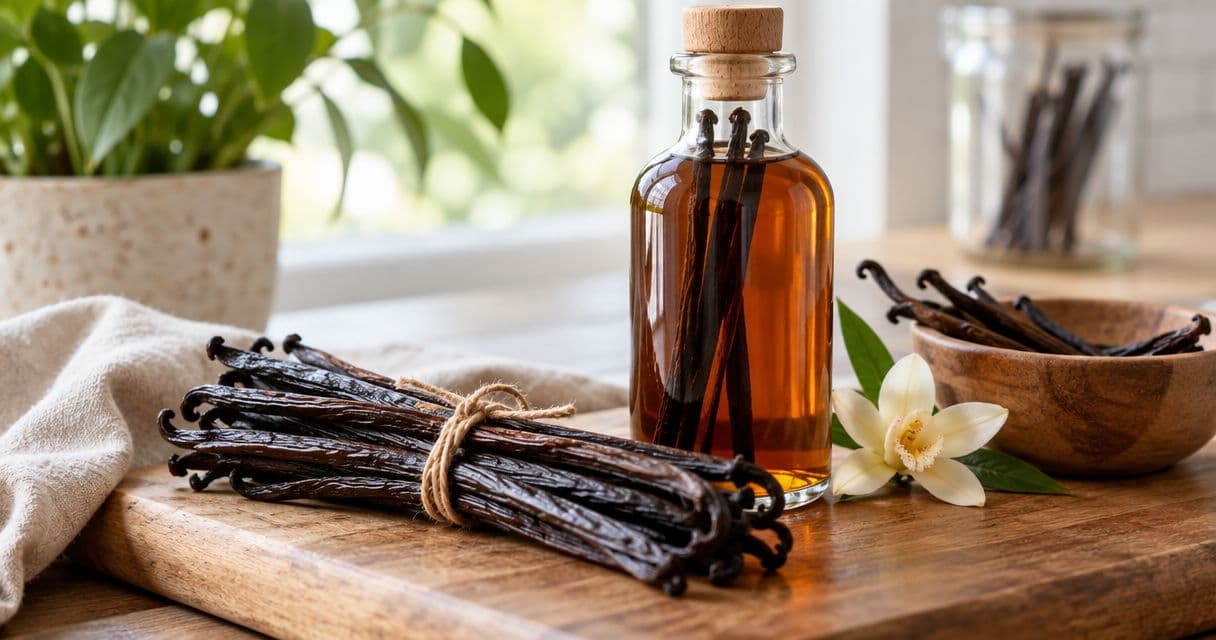
Our Madagascar vanilla beans come from the foothills and valleys of Ampanefena in Madagascar's SAVA region. The creamy, sweet profile carries buttery and floral notes: a natural fit for custards, ice cream and baking where you want vanilla to lead.
The range includes Madagascar Vanilla Beans (Grade A), Madagascar Vanilla Beans (Grade B) and Madagascar Vanilla Bean Seeds (Caviar). These are different product formats from the same named origin, not different growing regions. Explore our vanilla beans and seeds to choose the format that suits your recipe.
Local growing conditions influence bean development, but harvest maturity and curing also shape the finished aroma. Freshly harvested vanilla beans do not have the full fragrance of cured beans; curing transforms compounds already present in the pod, including the release of vanillin from its precursor.
Uganda vanilla beans from the Rwenzori Valleys
Our Uganda vanilla beans come from the Rwenzori Valleys of western Uganda. Their fuller, earthier profile includes warm cocoa, dried-fruit notes such as fig and raisin, and a soft woody-spice finish. Choose this character for chocolate desserts and pastries when you want vanilla with darker aromatic depth.
The range includes Uganda Vanilla Beans (Grade A), Uganda Vanilla Beans (Grade B) and Uganda Vanilla Bean Seeds (Caviar). The origin belongs with the product name: Uganda vanilla from the Rwenzori Valleys, rather than an anonymous vanilla ingredient.
Madagascar vanilla and Uganda vanilla show why a country name is useful but a named growing area tells you more. Neither geography nor curing alone explains every tasting note; the finished bean reflects the plant, the harvest and the work that follows.
| 5Senses origin | Aroma and flavor profile | Where to start cooking |
|---|---|---|
| Malabar green cardamom | Sweet, floral, citrus and cooling eucalyptus | Chai, milk infusions and baking |
| Kanyakumari cloves | Woodsy, sweet-spicy, camphor and pepper | Braises, spiced drinks and cakes |
| Pampore saffron | Floral, honeyed, earthy and gently bitter | Rice, milk and sauces |
| Sikkim black cardamom | Smoky, resinous and earthy | Lentils and slow-cooked savory dishes |
| Ampanefena, Madagascar vanilla | Creamy, buttery and floral-sweet | Custards and vanilla-led desserts |
| Rwenzori Valleys, Uganda vanilla | Cocoa, dried fruit and woody spice | Chocolate desserts and pastries |
These profiles help you choose an ingredient; they are not a ranking of regions. The right origin is the one whose character fits what you want to cook.
Dried whole ghost pepper: Bhut Jolokia from northeastern India
Our dried whole ghost pepper, also called Bhut Jolokia, is sourced from Assam, Nagaland and Manipur. It is sold as a Multi-Origin Reserve, not as a spice from one growing region. That distinction belongs in an honest origin story.
The sun-dried peppers combine sweetness and fruity notes with intense heat, gentle smokiness, and floral and citrus hints. Their regional sourcing identifies where they come from; it does not mean every pepper from these states has an identical flavor or heat level. Start with a very small amount in sauces or slow-cooked dishes, and keep handling hands away from your eyes.
More regional whole spices and herbs
The same origin-first approach extends beyond vanilla, cardamom and saffron. These product names describe distinct ingredients, and their growing areas make the sourcing specific.
- Malabar black pepper whole: sourced from Kerala's Western Ghats, with woody, citrusy, spicy and subtly sweet notes and fruity undertones. Freshly grind the whole black peppercorns when you want both aroma and heat.
- Malabar white pepper whole: the store lists Kerala's Western Ghats as its source and classifies it as Multi-Origin Reserve. Its mellow, fermented and peppery profile also reflects processing, not geography alone.
- Kashmir dried red chili: Kashmiri dried red chilies from Kashmir's valleys bring slightly fruity, smoky aroma and subtle heat. They offer a different cooking direction from intensely hot ghost pepper.
- Himalayan wild morel mushrooms (Gucci): sourced from Shopian forests in Kashmir's Pir Panjal range, with rich, deep, smoky umami. These dried morel mushrooms are naturally sun-dried.
- Dried whole turmeric root: sourced from Paderu and Araku in Andhra Pradesh's Eastern Ghats. Its warm, earthy, bitter and musky character includes floral, citrus and ginger notes.
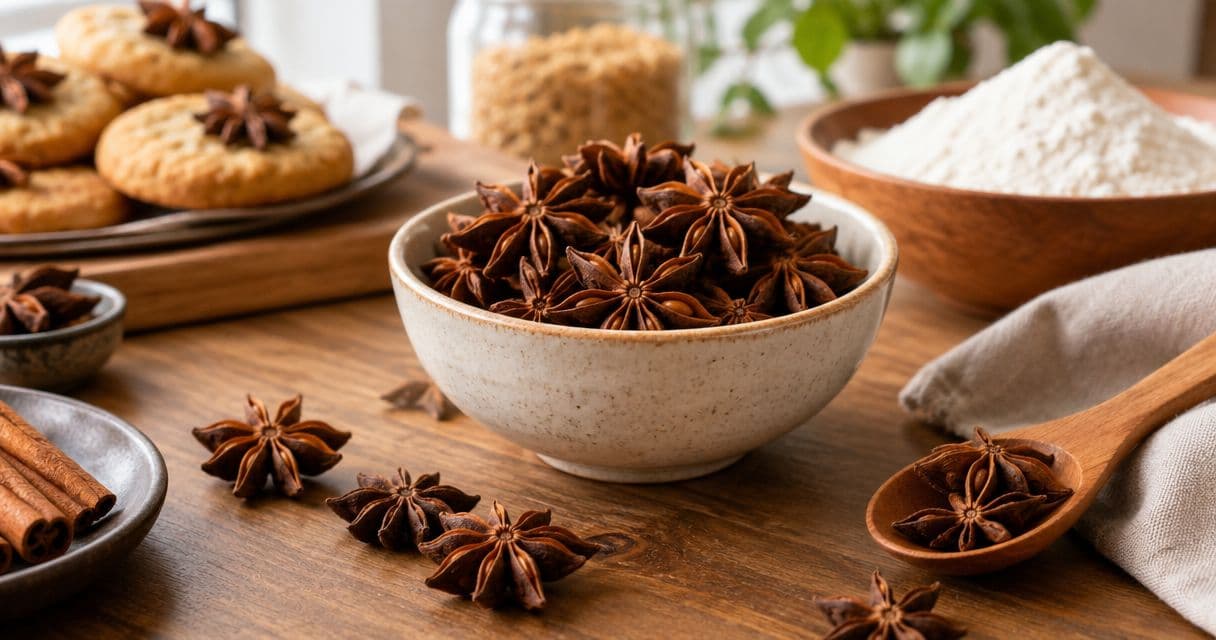
- Whole star anise: sourced from Cao Bang, Vietnam, with sweet, licorice-like flavor and warm, spicy undertones. Infuse whole star anise in broths or spiced drinks.
- Whole coriander seeds (Grade A): sourced from Kota in Rajasthan's Hadoti region. Floral, lemony-sweet notes sit above woody-nutty undertones; toasting shifts the profile toward warm and nutty.
- Whole fennel seeds (Grade A): sourced from the Aravalli Valleys of Sirohi district, Rajasthan. Anise-like sweetness and cooling menthol notes are preserved through slow shade-drying.
- Wild cinnamon bark: sourced from Kanyakumari in Tamil Nadu's Western Ghats, with sweet, woody warmth and citrusy, earthy notes.
- Bay leaves: also sourced from Kanyakumari, with a warm aroma and a sharp, bitter edge. Infuse the whole leaves rather than treating them like ground spice.
- Whole nutmeg in the shell: sourced from Munnar in Kerala's Western Ghats, with warm, nutty, slightly sweet notes and a woody, bittersweet finish.
- Whole mace: also sourced from Munnar, with warm, nutty notes and zest. It gives you another way to add fragrant warmth to sweet or savory dishes.
The origin tells you where an ingredient was grown. The product name tells you what you are cooking with. Keeping both visible helps you choose a flavor profile rather than simply filling a spice shelf.
Packed where it grows
A spice's flavor lives in its essential oils, and those oils begin to fade the moment it leaves the plant. Every week in a warehouse, every month on a shelf, takes something away.
So we pack at origin. Our spices are sealed close to the farms that grow them, not shipped in bulk and repacked half a world away.
We sell them whole, because a whole pod, bud or berry protects its oils far better than powder. Grind them just before you cook and you will taste the difference immediately.
And we seal them in resealable, high-barrier pouches built to keep out the three things that dull spice fastest: light, air and moisture.
Read the pack, know the spice
Turn over any 5Senses pack and you will find three things most spice brands never print:
- Harvest season, so you know which crop is in your hands
- Packing date, so you know exactly how fresh it is
- Region, so you know where it was grown
We print them because we have nothing to hide, and because you deserve to know. Freshness you can check is worth more than any claim on a label.
From farmers we know
We buy from farms we work with directly, not from anonymous commodity markets. Knowing the people who grow our spices is how we can promise where every lot comes from, and how we make sure the farmers share in the value of what they grow.
Our spices are vegan, gluten-free, non-GMO, kosher and Fairtrade, and our packaging is plastic neutral. More than 25,000 home cooks already trust 5Senses in their kitchens.
Know which flavors you reach for most? Build your own spice subscription around the ingredients you use regularly.
Grind and preserve the regional character
Whole spices need preparation, not just a place on the shelf. Spicecare complements the ingredient range with the SpiceCare Collection Whole Pepper Mill Set and 5Senses Adikal | Handcrafted Mortar & Pestle. A pepper mill or mortar and pestle lets you grind whole spices close to cooking, when their aroma can become part of the dish.
FAQ
Where does 5Senses Madagascar vanilla come from?
5Senses Madagascar vanilla beans and vanilla bean seeds come from Ampanefena in Madagascar's SAVA region. Their profile is creamy, buttery and floral-sweet.
Where are 5Senses Uganda vanilla beans grown?
5Senses Uganda vanilla beans and vanilla bean seeds come from the Rwenzori Valleys of western Uganda. Their fuller profile includes cocoa, dried-fruit and woody-spice notes.
Where does Kashmir Mongra saffron come from?
5Senses Kashmir Mongra saffron comes from Pampore, Kashmir, India. Its floral, honeyed and earthy profile includes mild bitterness; drying also shapes its characteristic aroma.
What does Malabar green cardamom taste like?
5Senses Malabar green cardamom pods have sweet and floral notes with pine, eucalyptus, menthol and citrus. They are sourced from India's Malabar region and gently air-dried.
Which regions supply 5Senses ghost pepper?
5Senses dried whole ghost pepper, or Bhut Jolokia, is sourced from Assam, Nagaland and Manipur in northeastern India. The product is classified as Multi-Origin Reserve, not single-origin.
Are Himalayan black cardamom and green cardamom interchangeable?
No. 5Senses Himalayan black cardamom pods from Sikkim have smoky, resinous and earthy character, while Malabar green cardamom has brighter floral sweetness and cooling notes.
Taste where it was grown
When you open a pack of 5Senses single-origin spices, you are opening an ingredient connected to a named growing region and the work of the people who grew it. Our Multi-Origin Reserve products tell a different sourcing story, with their regions identified rather than hidden.
We call that the symphony of a spice: aroma, flavor, color, texture and story, all in one jar.
Explore our single-origin whole spices, choose a regional profile that fits your cooking, and taste it freshly ground or infused.