How long do whole coriander seeds stay fresh before grinding?
How long do whole coriander seeds stay fresh before grinding? Use 2–4 years as a storage guide, then check crushed-seed aroma before your next meal.
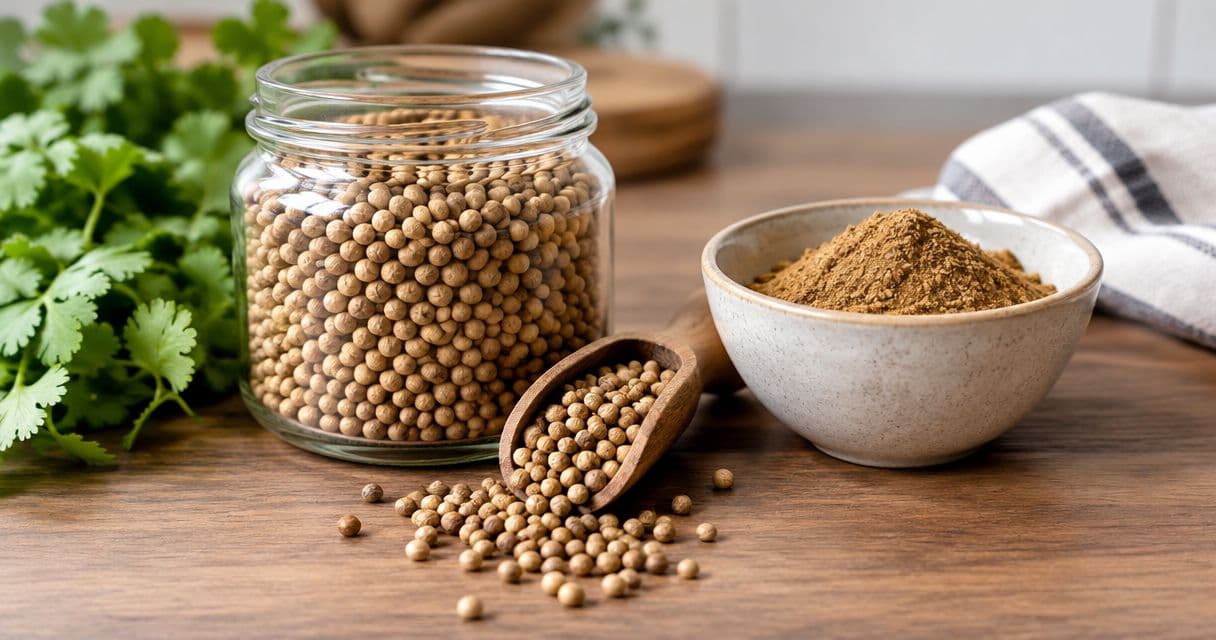
Whole coriander seeds generally keep their flavor for 2–4 years in cool, dry, airtight storage, using the USDA FoodKeeper guidance for whole spices as a pantry benchmark—not a coriander-specific guarantee. Heat, moisture, and the seeds’ condition when purchased affect that window. Before grinding, crush a small sample: a clear citrus-floral, woody-nutty aroma matters more than the age of the jar alone.
TL;DR- How long do whole coriander seeds stay fresh before grinding? Use 2–4 years as a general whole-spice benchmark.
- Crush whole coriander before judging freshness; an unopened seed releases less aroma than a broken one.
- 5Senses Whole Coriander suits origin-focused cooks; storage and a crushed-seed aroma check still determine pantry usefulness.
- Keep seeds airtight, dry, dark, and away from cooking heat. Grind only what your recipe needs.
Why this matters: freshness starts before your pantry
An opening date tells you when you started using coriander, not when it was harvested, dried, or packed. A recently opened package is not automatically a recently harvested spice. Read the available dates separately, then judge the ingredient in front of you.
5Senses Whole Coriander is Double Parrot Grade A (Hadoti Bloom), sourced from Kota in Rajasthan’s Hadoti region, India. Its stated preparation includes near-source partial sun-drying, and its tasting notes are citrus-floral and woody-nutty. The Hadoti coriander origin story provides the sourcing context behind those details.
Growing place and drying describe different parts of that story. Kota identifies the source; partial sun-drying describes processing. Neither detail establishes a guaranteed shelf life after the package reaches your kitchen.
Double Parrot Grade A is the product’s stated commercial grade. It is not an independently certified universal freshness standard, a laboratory oil-content result, or a reason to skip careful storage.
How long do whole coriander seeds stay fresh before grinding?
Use 2–4 years as a general quality window for properly stored whole spices, not a countdown to spoilage. USDA FoodKeeper lists this range for whole spices as a category. It does not establish the remaining aromatic life of an individual bag of coriander.
The practical distinction is between losing flavor and showing signs that require disposal. Dry seeds with a faint aroma have a different problem from seeds with visible mold, dampness, or insects. Do not use a freshness guideline to dismiss those warning signs.
| Condition | What it tells you | What to do |
|---|---|---|
| Dry, clean seeds with a clear aroma after crushing | The coriander still has useful aromatic character | Grind the amount needed for cooking |
| Dry seeds with a weak aroma after crushing | Flavor has faded, even if the package looks normal | Replace when coriander needs to lead the dish |
| Seeds with visible mold, insects, or evidence of moisture damage | The issue extends beyond ordinary flavor loss | Discard the affected contents |
| Seeds with an unknown purchase or packing history | Calendar age cannot establish freshness | Inspect first, then assess a crushed sample |
A best-before date is useful context, but it cannot account for every storage condition in your home. Keep the original label when transferring seeds into another container. That preserves the information you actually have rather than replacing it with a guess.
Does opening the package start the freshness clock?
Opening does not reset coriander’s age. It introduces repeated exposure to the kitchen environment, so your handling becomes more important. Close the package promptly and avoid leaving an open jar beside a steaming pan.
An unopened package also needs suitable storage. A sound seal helps limit exposure, but a cupboard above the stove still subjects its contents to heat. Choose the storage location before choosing the display jar.
Check coriander before you grind the whole batch
Smelling the open container is a useful first impression, but it is not the strongest test. Whole seeds keep much of their aroma inside their structure. Break a small sample before deciding that the entire package has gone flat.
Follow this sequence each time an older jar comes back into regular use:
- Inspect. Pour a small sample onto a clean, dry plate. Look for insects, webbing, visible mold, or evidence that moisture entered the container. Stop here and discard affected contents if you find these signs.
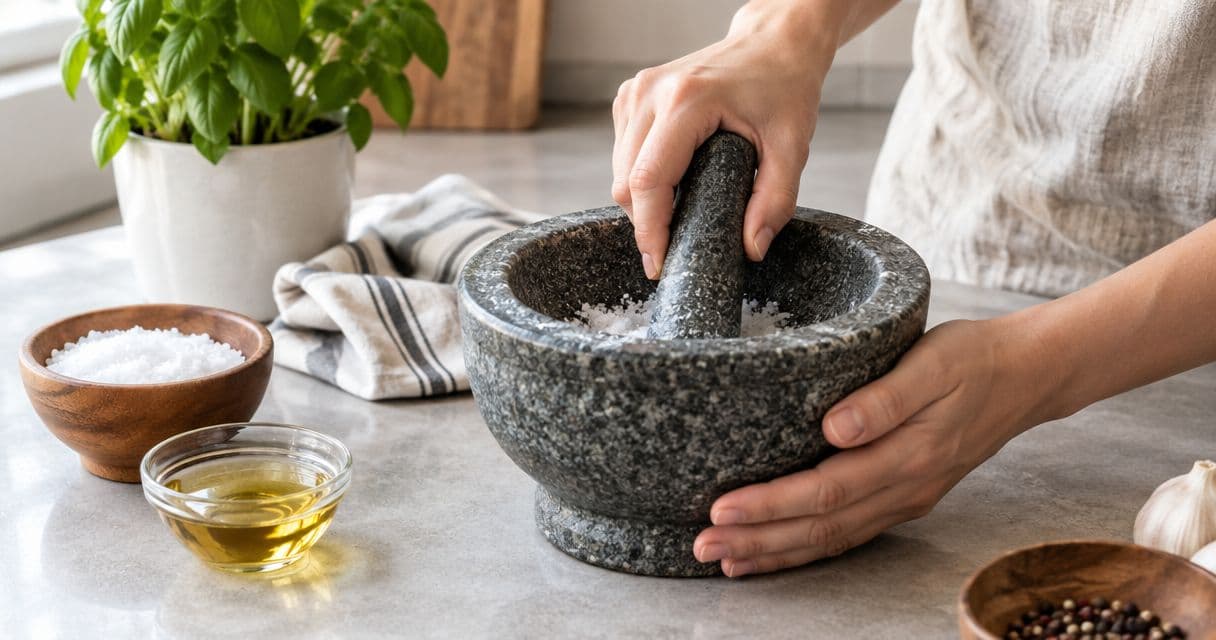
- Crush. Break a few seeds with a clean, dry mortar and pestle or the flat side of a sturdy utensil. Do not toast the sample first; assess its existing aroma before changing it with heat.
- Smell. Smell the freshly broken seeds. Look for a distinct coriander character rather than expecting the intact jar to smell as strong as freshly ground powder.
- Decide. Keep clean, aromatic seeds in rotation. Replace weak seeds when you want coriander’s fragrance to be a clear part of the finished dish.
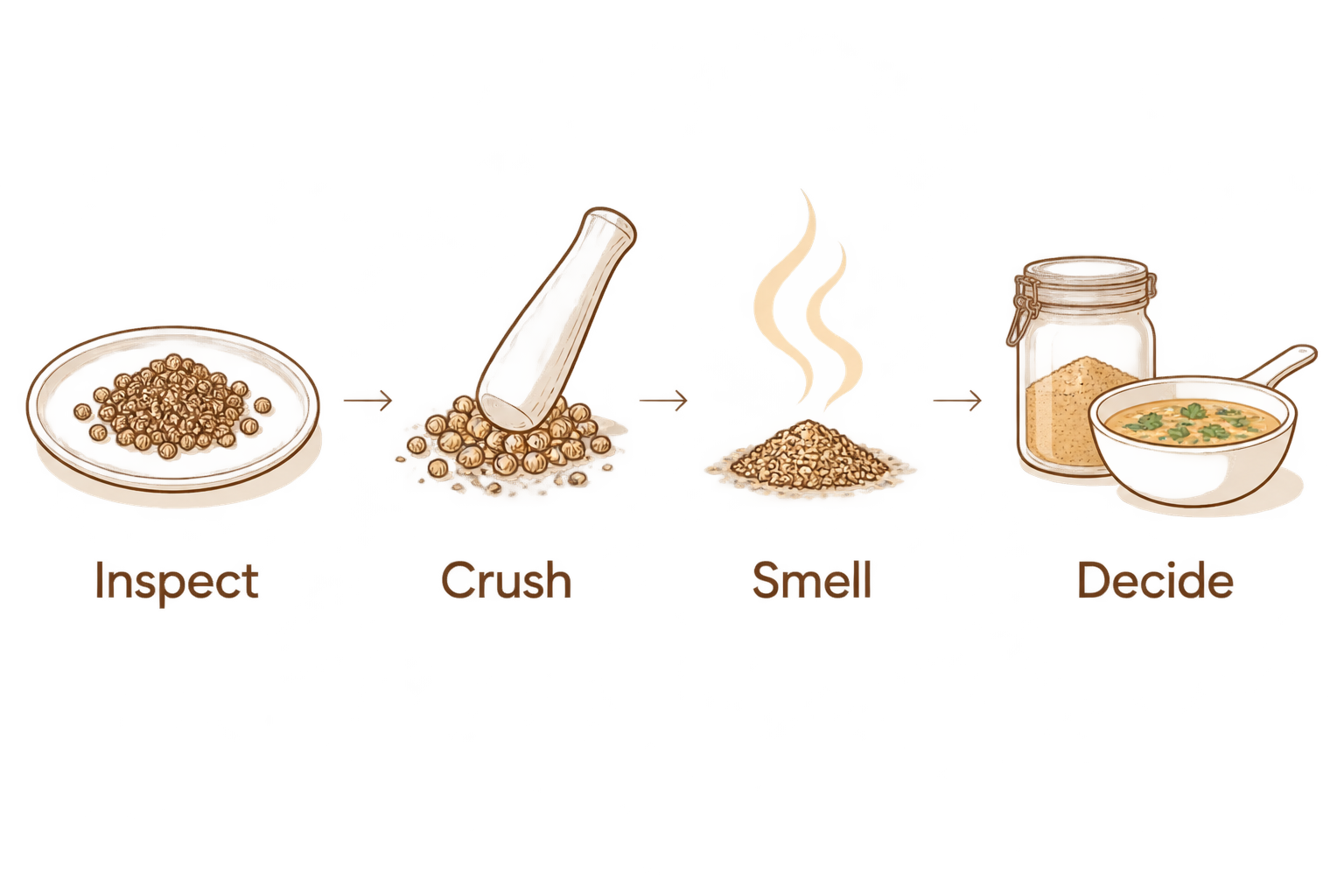
For 5Senses Whole Coriander, citrus-floral and woody-nutty are the stated tasting notes to explore. They are sensory reference points, not a pass-or-fail laboratory test. Your nose can assess cooking quality; it cannot certify food safety.
Avoid tasting any sample that looks moldy or shows moisture damage. Heating, grinding, or mixing it with fresh spices is not a suitable fix.
Why whole coriander freshness varies
The same calendar age does not mean the same cooking quality. These factors explain why a well-kept package and a neglected jar can perform differently:
- Condition at purchase. Harvest, drying, packing, and prior storage all precede your opening date. Use whatever verified information the package provides.
- Heat exposure. Storage beside an oven, stovetop, or other heat source works against aroma retention. Choose a consistently cool cupboard instead.
- Air exposure. A loose lid or poorly closed pouch leaves the contents exposed between uses. Check the closure after every refill.
- Moisture exposure. Steam and wet utensils introduce moisture into a dry ingredient. Measure away from the pot with a dry spoon.
- Light exposure. A sunny shelf is not a good long-term storage location. Keep clear containers inside a dark cupboard.
- Whether the seeds remain whole. Crushing and grinding expose more of the spice to the surrounding air. Delay that step until preparation.
None of these factors gives you a reliable formula for subtracting months from a shelf-life estimate. Their value is practical: they identify the storage habits you can change immediately.
Store whole coriander for the way you actually cook
An airtight container in a cool, dry, dark cupboard is the simplest everyday setup. Keep it within reach of your preparation area, but outside the heat and steam rising from the stove. Convenience should help you close the container promptly, not leave it permanently beside the burner.
If you transfer coriander into a jar, start with a completely dry container and lid. Carry over the product name, origin, and any printed dates. Add your opening date separately so you do not confuse it with the packing date.
Do not keep topping up an old jar without emptying and cleaning it. Older seeds can remain at the bottom while the label increasingly describes several purchases. Finish the older batch first, then refill a clean, thoroughly dry container.
For a larger pantry supply, separate your working portion from the reserve. Open the reserve only when you need to refill. This reduces repeated handling without requiring a complicated storage system or an assumed shelf-life extension.
Should whole coriander go in the refrigerator?
A cool, dry cupboard is the straightforward choice for everyday use. Refrigeration is not a substitute for a sound seal, and repeatedly opening a cold container in a warm kitchen creates a condensation concern. Keep moisture control central to any storage decision.
Should you freeze a large purchase?
Freezing requires careful moisture management rather than casual transfers between freezer and counter. If you choose it, use tightly sealed portions and let a portion reach room temperature while still sealed before opening. Do not treat freezing as a way to restore aroma already lost.
Keep whole, crush, or grind: choose for the dish
Whole coriander gives you control over when you break the seed and how coarse the result becomes. The trade-off is preparation: you need a suitable tool when a recipe calls for powder. Grinding ahead is convenient, but it gives up some of that control over aroma at the moment of cooking.
| Preparation | Best for | Advantage | Trade-off |
|---|---|---|---|
| Keep whole | Pantry storage and whole-seed infusions | Delays exposing the seed interior | Requires crushing or grinding for smooth dishes |
| Crush coarsely | Textured rubs and rustic seasoning | Releases aroma while retaining texture | Pieces remain noticeable in the finished food |
| Grind finely | Smooth sauces and evenly mixed seasonings | Distributes coriander throughout the dish | Requires preparation and more careful short-term storage |
5Senses Whole Coriander is best for cooks who want a named Hadoti source and prefer grinding their own spice. Its origin and stated grade help you understand the ingredient; they do not remove the work of storing, checking, and preparing it.
Use the whole coriander seeds to ground coriander workflow when you need a preparation sequence. Match the texture to the recipe rather than grinding every dish’s coriander to the same powder.
Toast for flavor, not to rescue stale seeds
Toasting develops a warmer, nuttier expression of coriander. It does not replace aromatic compounds already lost during storage. Start with seeds that pass inspection and still smell distinctly of coriander when crushed.
For dry toasting, put the amount needed in a dry pan over gentle heat and keep the seeds moving. Use the rising fragrance as your cue rather than waiting for deep browning. Transfer the seeds out of the hot pan promptly, then let them cool before grinding.
Untoasted coriander is also useful when you want its brighter citrus character. Toasting is a flavor decision, not a required freshness treatment. A heavy toast can work against the lighter notes you wanted to preserve.
When blooming ground coriander in fat, have the next recipe ingredient ready. Stir the spice through the fat briefly and continue with the recipe before it scorches. Blooming and dry toasting are different cooking steps; neither needs to become an automatic extra stage.
Can you still use older coriander in dinner?
Older coriander that remains dry, clean, and aromatic can still contribute to cooking. Judge the crushed sample first, then decide whether the dish needs coriander as a clear lead flavor or a quieter supporting note. Do not assume a long-cooked dish makes a damaged ingredient acceptable.
If the aroma is faint, adding more is not always a good solution. Extra ground seed adds material and texture without guaranteeing the fragrance you wanted. Replace the coriander when its role is important enough that you would notice its absence.
For frequent cooking, keep the purchase size connected to actual use. A large package is not useful if most of it sits untouched while you keep buying fresh seasoning blends. Put whole coriander into familiar meals before expanding the pantry further.
FAQ
How long do whole coriander seeds stay fresh before grinding?
Whole coriander seeds generally fit the USDA FoodKeeper whole-spice quality window of 2–4 years under suitable storage. This is a category benchmark, not a guarantee for a particular package; inspect the seeds and smell a freshly crushed sample.
How can I tell whether my coriander seeds have gone stale?
Crush a few clean, dry seeds and check whether they release a distinct coriander aroma. A weak smell indicates reduced cooking quality, while visible mold, insects, or moisture damage calls for disposal rather than a flavor test.
Do whole coriander seeds last longer than ground coriander?
Whole coriander generally retains its aroma longer than ground coriander because grinding exposes more of the seed to air. Keep the pantry supply whole and grind the amount your recipe needs.
Can I use coriander seeds after the best-before date?
A best-before date alone does not establish whether coriander still has useful flavor. Consider the storage history, inspect for damage or contamination, and assess a crushed sample rather than relying on the date alone.
Should I toast coriander before storing it?
Keep your main supply untoasted and toast the portion you need for cooking. Toasting changes the flavor profile and does not restore aroma already lost through storage.
What is the best place to store whole coriander seeds?
Store whole coriander in a tightly closed container in a cool, dry, dark cupboard. Keep it away from stovetop heat, steam, sunlight, and wet measuring utensils.
Does Double Parrot Grade A guarantee coriander freshness?
Double Parrot Grade A is the stated commercial grade of 5Senses Whole Coriander, not a universal freshness certification. The product is sourced from Kota in Rajasthan’s Hadoti region; storage and condition still determine its usefulness in your kitchen.
One last thing
Check the spice before changing the recipe. If a familiar dish suddenly tastes flat, crush a little coriander on its own before adding extra seasoning to the next batch. That simple check separates an ingredient problem from a cooking decision—and keeps you from compensating for tired seeds with unnecessary additions.