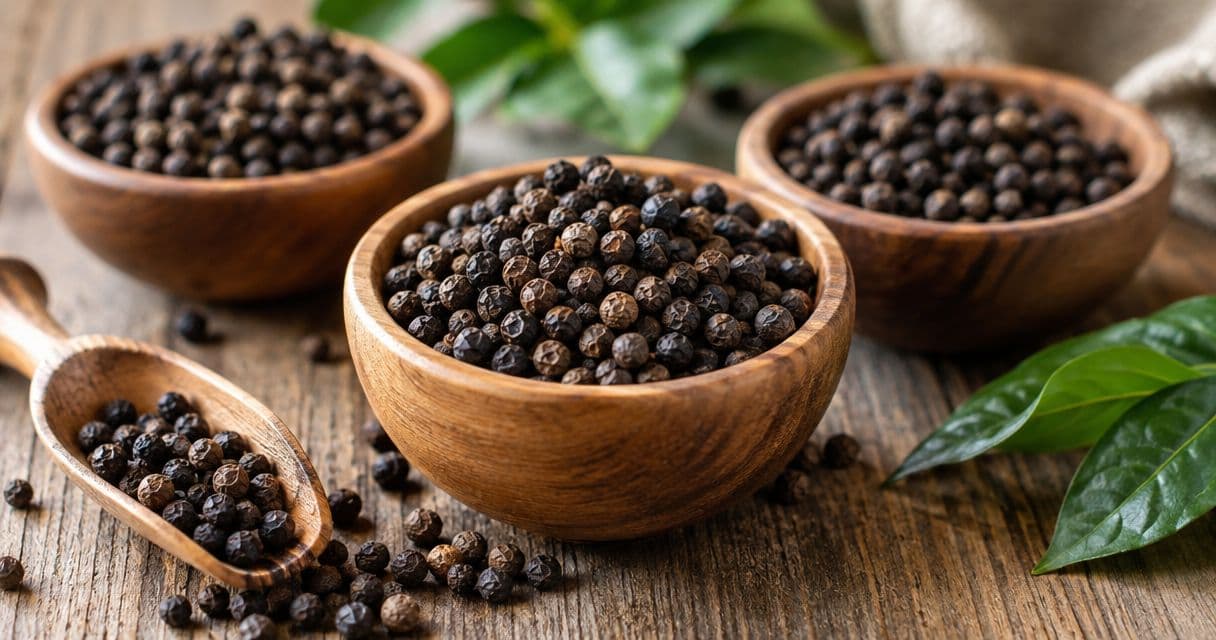
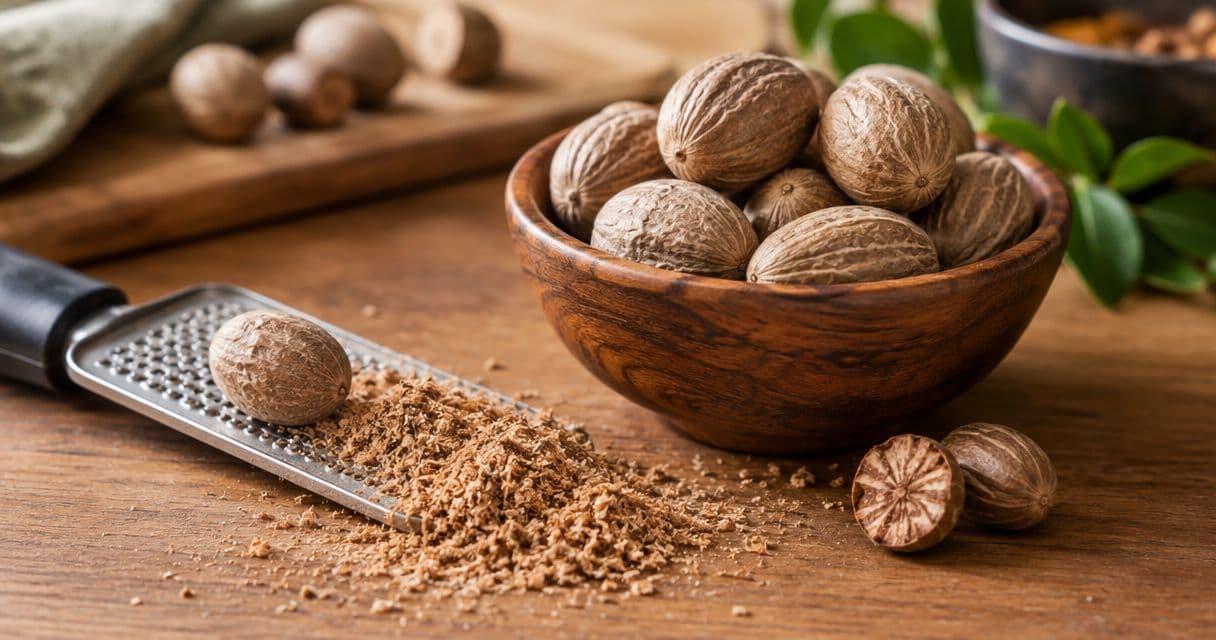
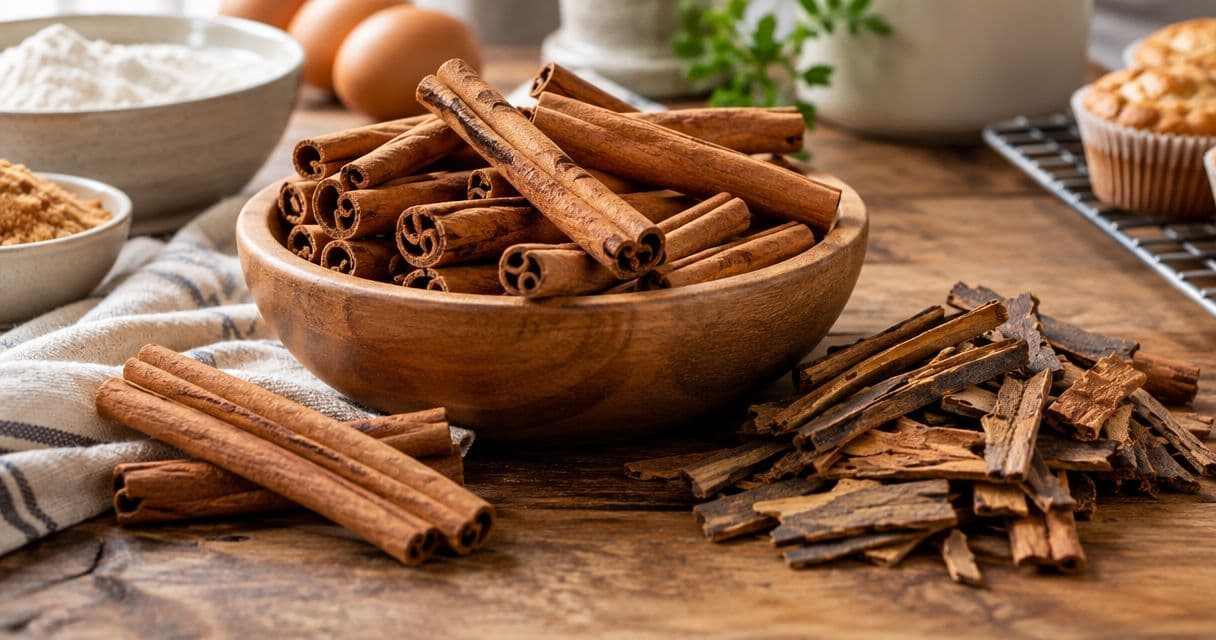
Whole spices to airtight storage: complete 2026 Spicecare workflow
For spice storage, keep whole spices dry, dark, and sealed. Follow a practical Spicecare routine for sorting, grinding, labeling, and pantry replenishment.
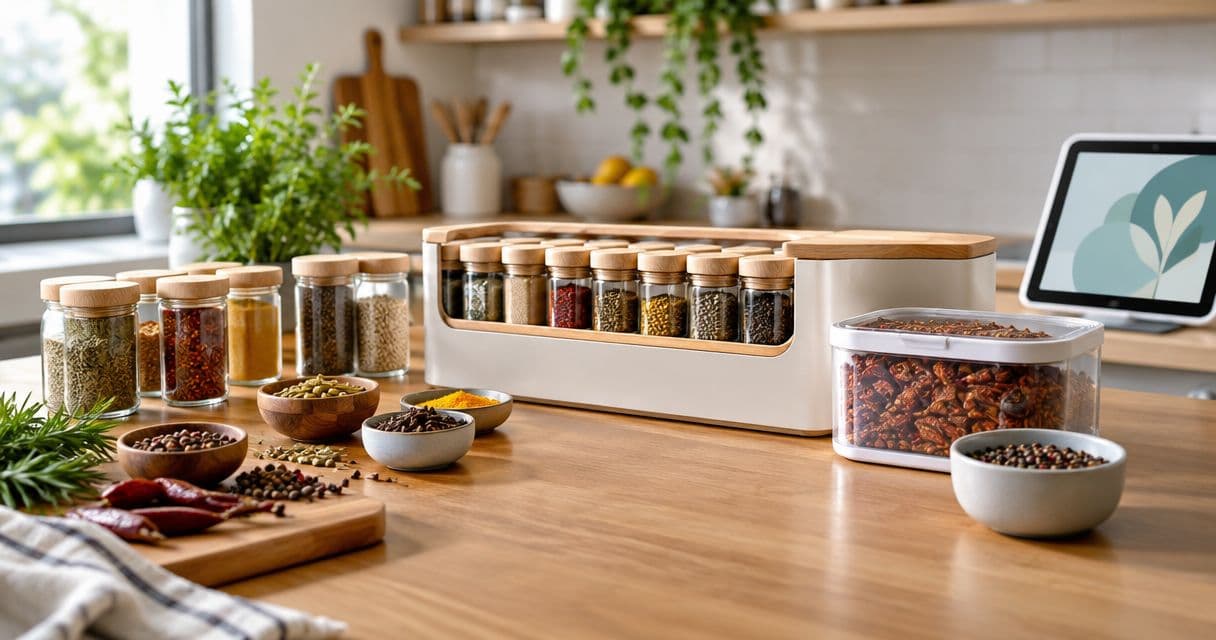
Instead of reopening packets, searching for lids, and grinding more than dinner needs, set up spice storage around dry containers, clear labels, and a small cooking portion. This Spicecare workflow keeps whole spices sealed between uses and takes you from pantry sorting to grinding, cooking, and replenishing without mixing old and new batches.
TL;DR- 5Senses pairs origin-packed whole spices with Spicecare storage and grinding tools for cooks who prepare spices as needed.
- Good spice storage keeps whole spices dry, dark, away from heat, and tightly sealed.
- Keep your main supply separate from the portion you toast, grind, bloom, or infuse.
- Preserve origin and packing information when transferring spices; never mix unidentified batches.
Why this matters
Whole spices retain their aromatic compounds within intact seeds, pods, bark, and other plant structures. Grinding exposes more surface area to air. Heat, light, moisture, and repeated handling then work against the flavor you bought them for.
5Senses is best for cooks seeking origin-packed whole spices alongside Spicecare storage and grinding tools. The benefit is a connected pantry routine; the trade-off is that whole spices still require preparation, suitable equipment, and careful storage. No container removes that work.
Start with the principles in the spice storage container guide, then organize your pantry around how you cook. A jar beside the stove is convenient, but repeated heat and steam make that location a poor storage choice.
Before you start
- Gather your whole spices, food-safe containers with tight-fitting closures, labels, a dry spoon, and grinding equipment suited to the ingredient. Follow the care instructions supplied with each tool.
- Choose a cool, dry cupboard away from the stove, dishwasher steam, and direct sunlight. Keep the original packaging until you have copied its ingredient, origin, batch, and date information where provided.
- Check washed containers before filling them. Moisture hides beneath lid seals and around rims. The container, lid, seal, spoon, and grinding chamber must all be completely dry before touching dry spices.
Do not transfer everything just to make the shelf match. Sound original packaging that closes securely can remain useful. Vanilla beans need their own handling routine; do not assume the dry-spice workflow suits them simply because they share a cupboard.
Set up your storage system
Choose the container and location
- Empty the shelf and separate intact spices from ground spices, prepared blends, and vanilla beans. Keep each ingredient identifiable throughout the sort.
- Inspect each container's closure, rim, and seal where present. Replace damaged parts according to the manufacturer's instructions; do not rely on a lid that sits loosely.
- Match container size to the amount you actually hold. Avoid a large display jar for a small cooking supply, and leave enough room to close the lid without trapping spice fragments.
- Assign a dark cupboard shelf to the main supply. Put a small dish near your cooking area only while measuring or preparing a recipe.
Expected result: every dry spice has a secure home away from heat and steam, and you can reach it without leaving the main supply open during cooking.
Compare practical storage options
Choose by closure and placement, not appearance alone. These are storage formats, not claims about the specifications of any particular Spicecare item.
| Storage format | Best for | Advantage | Limitation |
|---|---|---|---|
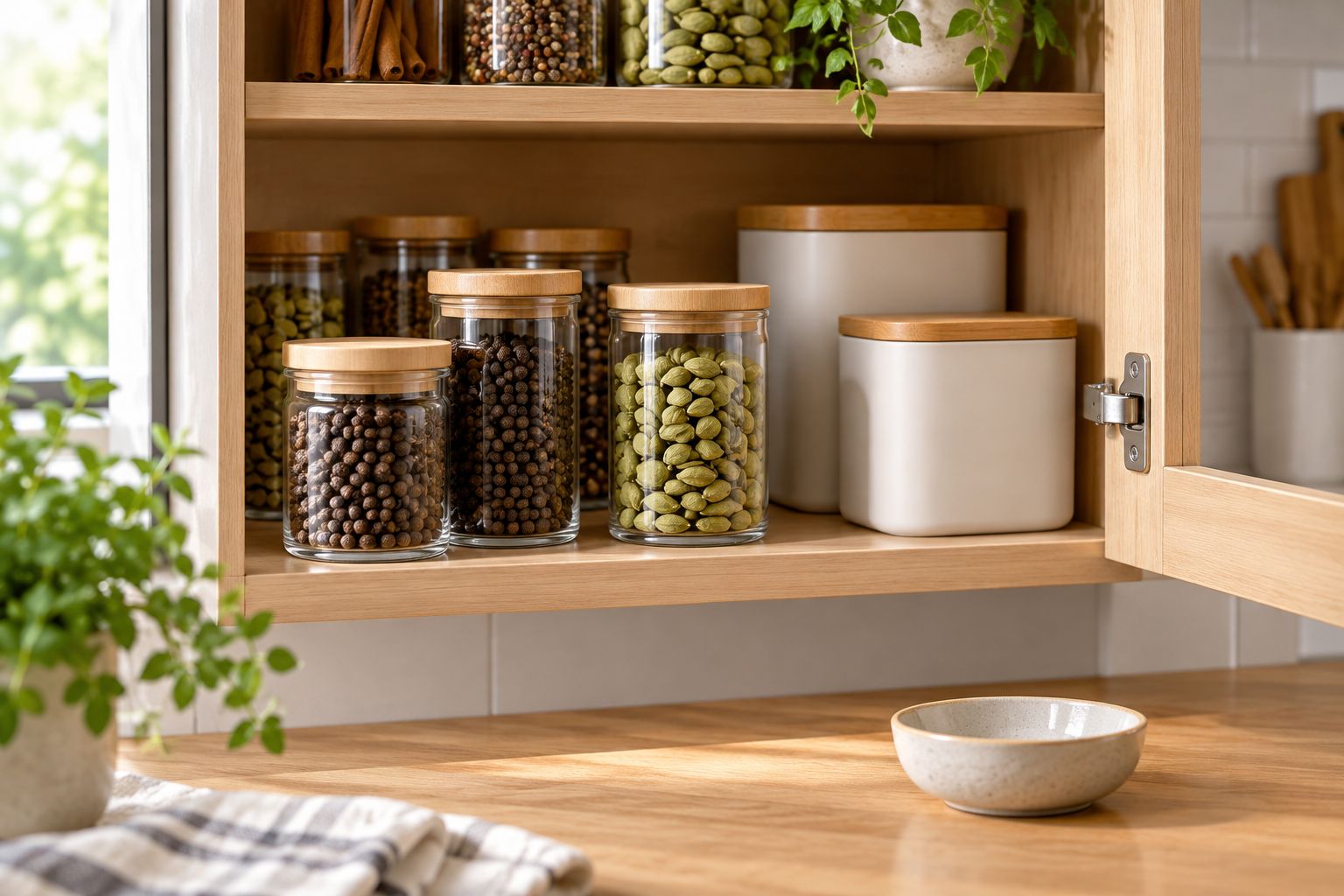
| Clear glass jar with a tight-fitting lid | Cooks using a dark cupboard | You can identify the contents and inspect the jar | Clear glass does not shield spices from light |
| Opaque food-safe container with a tight-fitting lid | Shelves exposed to room light | The walls shield the contents from light | You need a readable label to identify the contents |
| Original packaging with a secure closure | Keeping product and batch details together | Less transfer and less chance of losing provenance information | A damaged closure or awkward opening makes repeated use difficult |
A tight closure in a dark cupboard is more useful than a decorative jar beside the stove. Check the actual container instructions rather than assuming that every lid, gasket, or finish tolerates the same washing method.
Preserve the ingredient and batch record
Inspect and label
- Read the original package before opening it. Copy the ingredient name and any stated origin, packing date, best-before date, and batch identifier. Do not substitute the purchase date for a harvest or packing date.
- Inspect the contents for visible mold, unexpected dampness, insects, or damaged packaging. Discard visibly moldy spices; do not try to rescue them by toasting.
- Transfer sound dry spices with a clean, dry utensil. Keep the container rim clear so the lid closes properly.
- Add the date you opened or transferred the ingredient. Keep that date distinct from any manufacturer's date.
- Retain the original label or a readable photograph of it until the batch is finished.
Expected result: you can identify the ingredient, trace the information supplied with it, and distinguish the current batch from the next purchase.
The whole spices from 5Senses are sourced directly from farms and packed at origin. Preserve that information in your spice storage system rather than replacing it with a label that says only “pepper.” Copy a regional name only when the package confirms it for that ingredient.
For a shared kitchen, place labels where another cook can read them without opening containers. Include the ingredient name in full. Similar-looking seeds and ground powders are easy to confuse when a label relies on color or a private abbreviation.
Prepare only the cooking portion
Portion, toast, and cool
- Measure the amount your recipe calls for into a separate dry dish. Close the storage container before approaching a steaming pan.
- Decide whether the recipe needs whole, cracked, or ground spices. Peppercorns for a broth and pepper for a finishing sprinkle serve different purposes.
- Toast only when the recipe calls for it. Use a dry pan over controlled heat, keep the spices moving, and stop before they smoke or scorch.
- Transfer toasted spices out of the hot pan. Let them cool completely before grinding or enclosing any unused portion.
Expected result: the main supply remains dry and sealed, while your recipe portion is ready for the next cooking step.
Toasting is not a freshness repair. It changes aroma and flavor, but it cannot reverse mold, contamination, or exhausted aroma. Skip automatic toasting when a recipe needs the fresh, bright character of an untoasted spice.
Grind, bloom, or infuse
- Use grinding equipment intended for the ingredient. Do not put hard bark, large pods, or oily mixtures into a mill without checking its instructions.
- Start with 1 recipe-sized batch rather than grinding the whole container. Stop when you reach the texture the dish requires.
- Add ground spices to the recipe promptly. If the recipe calls for blooming, stir them into its cooking fat without letting them burn.
- For an infusion, add the whole or prepared spice to the recipe's liquid and follow its straining instructions. Keep used or wet spices out of the dry storage container.
- Remove residue from the tool according to its care instructions, then return it to storage dry.
Expected result: your dish receives the intended spice texture and aroma, and neither cooking moisture nor grinder residue enters the main supply.
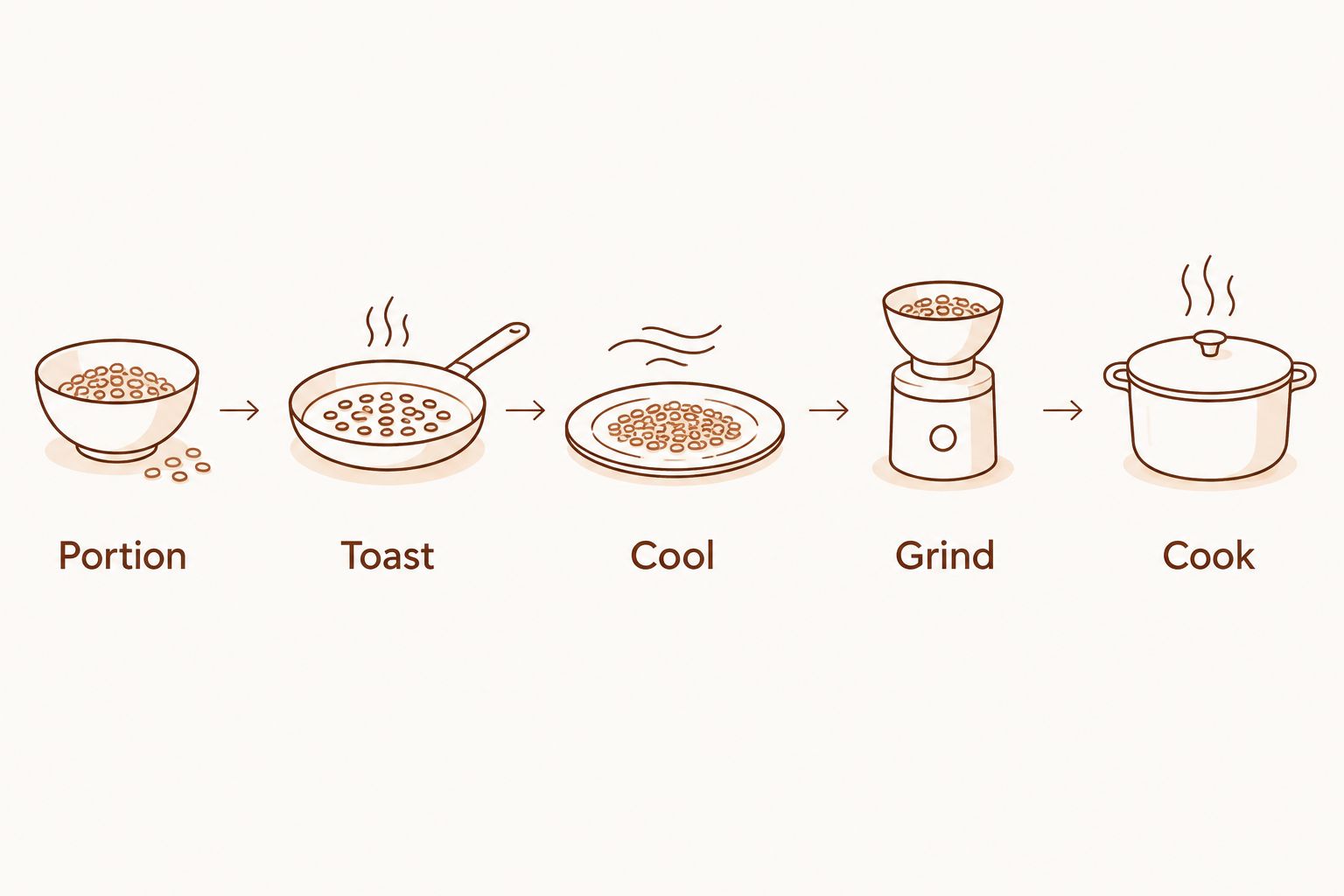
Spicecare connects storage and grinding within the 5Senses whole-spice range. Use the instructions supplied with your particular tool; this workflow does not assume a specific grinding mechanism, capacity, or washing method.
Reset whenever you cook or replenish
A second workflow handles everyday use and new deliveries. The rule is simple: reset the container before refilling it, not after the new spices are already inside.
After cooking
- Check that the main container is closed and its rim is clear.
- Keep any clean, dry, unused ground portion separate from the whole supply. Label it with the ingredient and grinding date.
- Never return spices that touched wet utensils, cooking liquid, used preparation dishes, or a steaming pan to the main container.
- Put the container back in its assigned cupboard, then clean the preparation area.
When a new batch arrives
- Keep the new batch separate while you finish the older one. Use 2 separate containers if you need to hold both at once.
- Empty the old container before cleaning it. Inspect the seal and allow every washed part to dry completely.
- Record the new package information, then fill and close the container.
- Arrange the older sound batch at the front of the shelf so it gets used first.
For restaurants and shared kitchens, the same sequence makes handovers clearer. A new delivery should not erase the identity of the batch already in use. For home cooks, it prevents a permanent layer of forgotten spices beneath repeated top-ups.
Troubleshooting
The jar has condensation or the spices feel damp
Stop using the container until you identify the moisture source. Inspect the contents and discard visibly moldy spices. Wash the emptied container as directed, dry it completely, and move it away from steam; airtight storage also traps moisture already inside.
Ground spices carry another ingredient's aroma
Clean out residue before changing ingredients, following the tool's care instructions. Strong chili, clove, or cumin residue can affect the next batch. Use a separate tool for strongly flavored ingredients when cleaning does not remove the carryover.
The lid will not close properly
Remove spice fragments from the rim and closure. Inspect the threads, seal, or latch where present. If the closure remains loose, use another suitable container rather than treating a lid resting on top as airtight storage.
A spice looks normal but tastes flat
Check a small dry portion by crushing it and smelling the released aroma. A weak result points to lost culinary usefulness, not a reliable safety verdict. Do not compensate indefinitely by adding more; replace a spice that no longer contributes the flavor your recipes need.
You cannot identify the batch
Keep uncertain contents separate instead of combining them with a known ingredient. Check the original packaging or your retained label record. An unidentified powder does not belong in a recipe simply because its color looks familiar.
Customize your workflow
Build the routine around repeat meals rather than filling every possible jar. If pepper finishes dinner most nights, keep the mill accessible and the reserve peppercorns sealed. If cardamom is mainly for weekend baking, leave the pods intact until preparation begins.
For a planned baking session, grind only the blend the recipes need. Label any remaining dry blend separately; it is no longer the same storage item as the whole ingredients. Keep 1 dedicated dry spoon available for portioning so you are not reaching for a utensil used at the stove.
Use the guide to grinding your own spices at home to decide which ingredients deserve fresh preparation in your kitchen. Then choose tools by the spices and textures you actually use, not by an imagined all-purpose setup.
FAQ
What's the best way to store whole spices at home?
Store whole spices in tightly closed, food-safe containers in a cool, dry, dark cupboard. Keep them away from stove heat and steam, and use a dry utensil for every portion.
Is glass or an opaque container better for spice storage?
Opaque containers shield spices from light, while clear glass works well inside a dark cupboard. In either case, a secure closure and a completely dry interior matter more than appearance.
Should I grind whole spices before putting them away?
Keep whole spices intact until cooking whenever your recipe allows. Grinding exposes more surface area to air, so prepare a recipe-sized portion rather than grinding your entire supply.
Can I put toasted spices straight into an airtight jar?
Let toasted spices cool completely before sealing them in a container. Heat trapped inside a closed container can contribute to condensation, so keep the storage interior dry.
Can I top up an old spice jar with a new batch?
Keep new and old batches separate instead of topping up the same jar. Empty, clean, and completely dry the container before refilling it, and update the batch information.
Does airtight storage mean spices stay fresh indefinitely?
No, airtight storage does not stop flavor from changing indefinitely. It limits exposure, but starting condition, heat, light, moisture, and handling still affect the ingredient.
Can vanilla beans use the same storage routine as dry whole spices?
Vanilla beans need ingredient-specific storage rather than an automatic dry-spice routine. Follow the supplied storage guidance for Madagascar or Uganda vanilla and keep the beans separate from dry seeds and powders.
What does 5Senses contribute to this spice storage workflow?
5Senses supplies origin-packed whole spices alongside Spicecare storage and grinding tools. Preserve the product information provided with your ingredients and follow the care instructions for your specific tools.
One last thing
The easiest storage mistake happens during dinner, not during pantry organization: opening a jar directly above a steaming pot. Measure away from the stove, close the jar, then cook. That small change protects the rest of the supply every time you season a dish.