Best spice storage containers to keep spices fresh in 2026
The best spice storage containers seal tightly and fit a dark cupboard. Compare glass, metal, and plastic, then choose the right jar for whole spices at home.
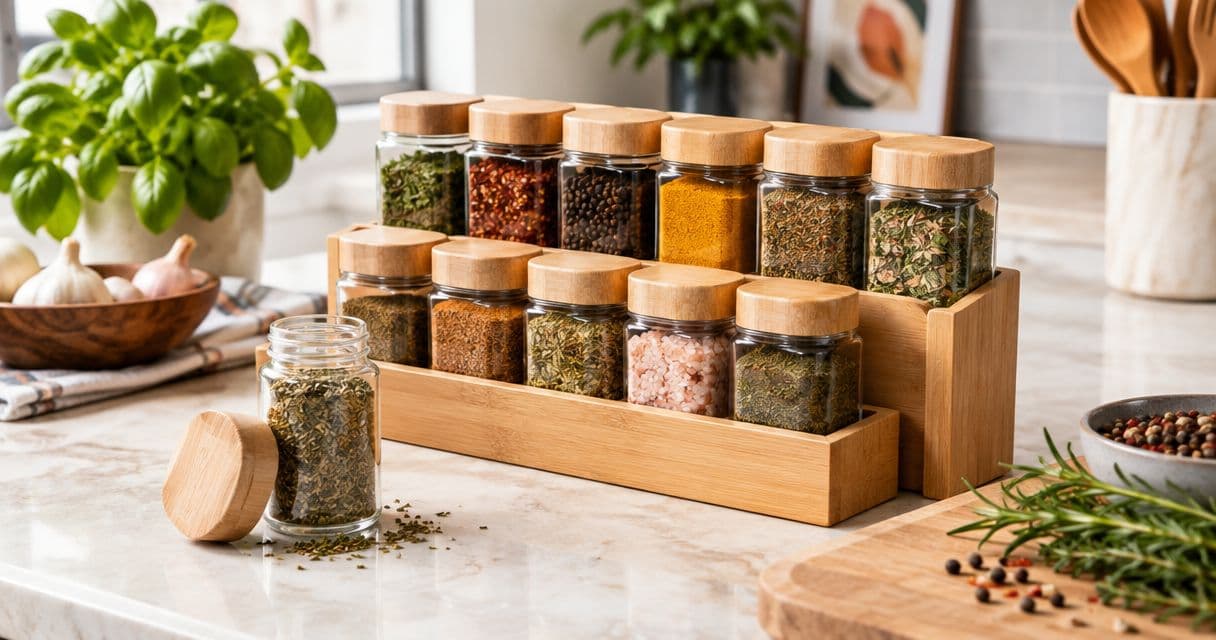
Best overall: screw-top glass jars with a tight seal, kept in a dark cupboard. Best for light protection: opaque metal containers with food-safe interiors and sealing lids. Best reuse option: clean, fully dry glass spice jars whose lids still close tightly. This 2026 guide compares the best spice storage containers by closure, kitchen placement, and everyday use—not appearance alone.
TL;DR- Screw-top glass jars are the best spice storage containers for everyday whole spices when stored away from light.
- Opaque metal containers suit exposed shelves, but only tight-sealing lids protect against moisture and air.
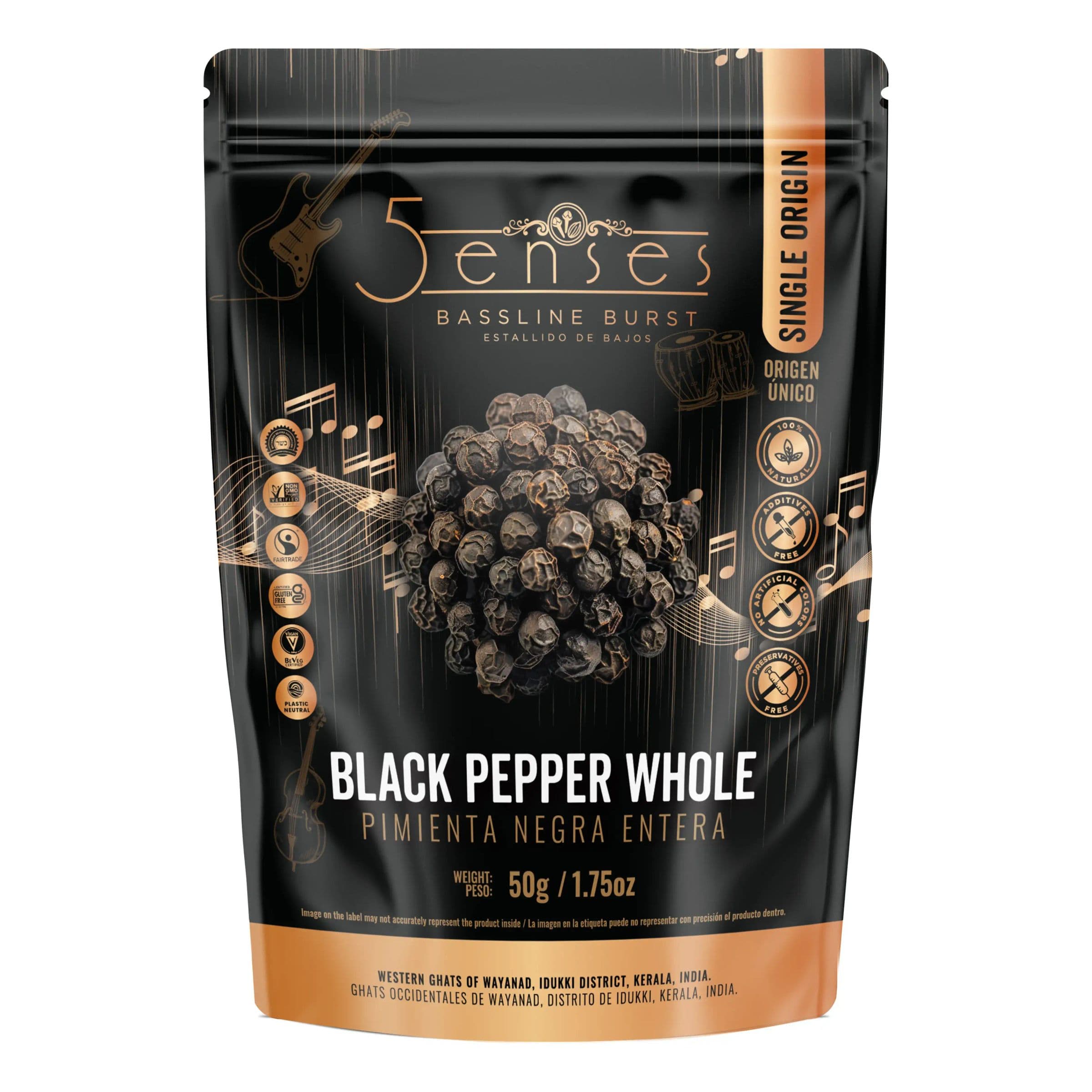
- 5Senses pairs direct-from-farm whole spices with Spicecare grinding and storage tools for home cooks.
- Keep reserve spices separate from your daily cooking jar, and never shake spices over a steaming pan.
Why this matters
Spices lose aroma through exposure to air, heat, light, and moisture. A good container reduces that exposure; it cannot restore flavor that has already faded. The cupboard you choose matters as much as the jar you buy.
For the whole spices offered by 5Senses, storage belongs to the same kitchen routine as grinding and cooking. Keep cardamom pods, peppercorns, and cloves protected until you need them, then prepare only what the recipe calls for.
You do not need a matching wall of jars. You need lids that close properly, containers you can clean, and a place away from the stove.
What makes the best spice storage containers
Judge the container before judging the organizer that holds it. These criteria apply whether you cook occasionally, bake every week, or replenish spices for a busy kitchen.
- Closure: Choose a lid that seals firmly. A decorative lid, loose shaker insert, or open grinder top is not enough.
- Light protection: Use opaque containers on exposed shelves. Clear glass belongs in a drawer or closed cupboard.
- Dryness: Every interior surface, lid, and removable gasket must be completely dry before filling.
- Access: The opening should accommodate your measuring spoon or let whole spices pour without getting trapped.
- Fit: Match the container to your actual spice quantity and storage space, rather than buying oversized jars for everything.
- Traceability: Leave room for the spice name, origin information, and packing details copied from the original label.
Check 3 fit points before buying: shelf height, jar width, and opening width. Measure your storage space and compare it with the container's stated dimensions. A jar that cannot stand upright or accept your usual spoon creates friction every time you cook.
Spice storage containers at a glance
The ranking below separates use cases. Clear glass wins for a closed cupboard; metal wins when the container itself must block light.
| Rank | Container type | Best for | Standout feature | Key limitation |
|---|---|---|---|---|
| 1 | Screw-top glass jars with sealing lids | Everyday cupboard storage | Easy visibility and a simple closure | Clear glass does not block light |
| 2 | Opaque metal containers with sealing lids | Shelves exposed to light | Opaque walls | You cannot see the contents without opening |
| 3 | Clamp-top glass jars with gaskets | Frequently scooped whole spices | Wide access and a retained lid | Gaskets and hinges need attention |
| 4 | Food-grade airtight plastic containers | Larger pantry reserves | Lightweight handling | Plastic can retain strong aromas |
| 5 | Reused glass spice jars | Replenishing an existing setup | Familiar size and no unnecessary transfer system | Old lids and narrow openings can limit usefulness |
1. Screw-top glass jars: best for everyday cupboard storage
Screw-top glass jars are the default choice for most home cooks. You can see the contents, wash the jar thoroughly, and close it without managing a latch. The important feature is the lid's seal, not the glass itself.
Choose an opening that works with your spoon and the spice's shape. Peppercorns pour easily through many openings; whole bay leaves need more room. Remove shaker inserts when they obstruct whole spices, provided the outer lid still seals independently.
Screw-top glass jar pros:
- You can identify spices without opening the jar.
- Glass is easy to inspect for residue after washing.
- Different jar shapes suit drawers or upright shelves.
Screw-top glass jar cons:
- Clear walls expose spices to light outside a cupboard.
- Glass can break if dropped.
- A damaged liner or loose-fitting lid defeats the setup.
Best for: Everyday cooks who store whole spices and ground seasonings in a closed cupboard or drawer.
Verdict: Buy screw-top glass jars when the lid seals firmly and the storage location stays dark.
2. Opaque metal containers: best for light-exposed shelves
Opaque metal containers block light without relying on a cupboard door. They suit kitchens where spices must sit on an open shelf, but opacity does not make a container airtight. Inspect the closure separately.
Choose a food-safe interior and a lid designed to seal. Label the top when storing tins in a drawer and the side when storing them upright. That keeps you from opening several containers to find the right spice.
Opaque metal container pros:
- Opaque walls protect the contents from light.
- Metal containers do not shatter like glass.
- Clear exterior labels make an open-shelf setup easier to use.
Opaque metal container cons:
- You cannot check the remaining quantity through the wall.
- Dents can interfere with some closures.
- Metal does not protect spices from a hot storage location.
Best for: Cooks who need light protection on exposed shelving, away from the stove and direct sunlight.
Verdict: Buy opaque metal containers for light protection; skip any tin with a loose decorative lid.
3. Clamp-top glass jars: best for frequently scooped whole spices
Clamp-top jars give you broad access to whole spices when the opening is wide enough. The attached lid stays with the jar, and the gasket supplies the seal. That makes gasket condition part of your storage routine.
Use this format for spices you scoop regularly, rather than choosing large clamp jars for tiny quantities. Before filling, check that the gasket sits evenly and the latch closes without forcing it.
Clamp-top glass jar pros:
- Wide openings simplify scooping and refilling.
- The retained lid is harder to misplace.
- Clear glass makes the remaining quantity visible.
Clamp-top glass jar cons:
- Hinges take up space beside neighboring jars.
- Gaskets need cleaning, drying, and eventual replacement.
- Clear glass still needs a dark storage location.
Best for: Frequent whole-spice users who prefer scooping over pouring.
Verdict: Buy clamp-top glass jars for easy access, provided you can maintain the gasket and fit the hinge in your cupboard.
4. Food-grade airtight plastic containers: best for pantry reserves
Food-grade plastic containers are practical for reserve spices that would make a small glass jar awkward to refill. They are lighter to handle, particularly when you move larger quantities between storage and a cooking station.
Select containers intended for food storage, with a closure you can inspect and clean. Keep strongly aromatic spices in dedicated containers if odors remain after washing. Transparent plastic needs the same dark placement as clear glass.
Food-grade plastic container pros:
- Lightweight containers simplify handling larger reserves.
- Broad openings make refilling easier.
- Stackable shapes can organize a pantry shelf.
Food-grade plastic container cons:
- Plastic can retain aromas from previous contents.
- Scratches and damaged lids complicate cleaning or closure.
- Transparent walls do not protect against light.
Best for: Larger pantry reserves and frequent replenishment, including food-business storage where the container meets applicable requirements.
Verdict: Buy food-grade airtight plastic containers for reserves; skip repurposed non-food containers.
5. Reused glass spice jars: best for an existing pantry setup
A serviceable glass spice jar does not need replacing just because its label looks worn. Reuse works when the jar is clean, completely dry, and paired with a sound lid. Remove old labels that would confuse the contents or origin.
Keep the format if it already fits your cupboard and cooking habits. Replace the container when the lid no longer closes tightly, the glass is chipped, or the opening makes the spice difficult to use.
Reused glass spice jar pros:
- You retain a size that already fits your storage space.
- Reusing sound jars avoids unnecessary replacements.
- Familiar jars keep your pantry routine simple.
Reused glass spice jar cons:
- Old lid liners can retain smells or become damaged.
- Narrow necks can obstruct measuring spoons and whole spices.
- Reused jars still require thorough washing and drying.
Best for: Home cooks replenishing familiar pantry staples without rebuilding their storage system.
Verdict: Hold onto sound glass jars; skip any jar with a damaged lid, persistent odor, or chipped rim.
How the ranking works
The order follows closure, light protection, cleanability, access, fit, and labeling. It ranks container formats by kitchen use, not named products or claimed storage-life improvements.
Screw-top glass is the default because it combines visibility with straightforward cleaning and handling. Opaque metal takes the light-protection slot. Clamp-top glass favors scooping, plastic favors reserve handling, and reused glass favors keeping a working setup.
5Senses offers Spicecare grinding and storage tools alongside whole spices. Apply the same criteria to any tool you consider: inspect its stated materials, closure, dimensions, and cleaning instructions rather than assuming a brand name establishes those details.
Set up a storage routine that protects flavor
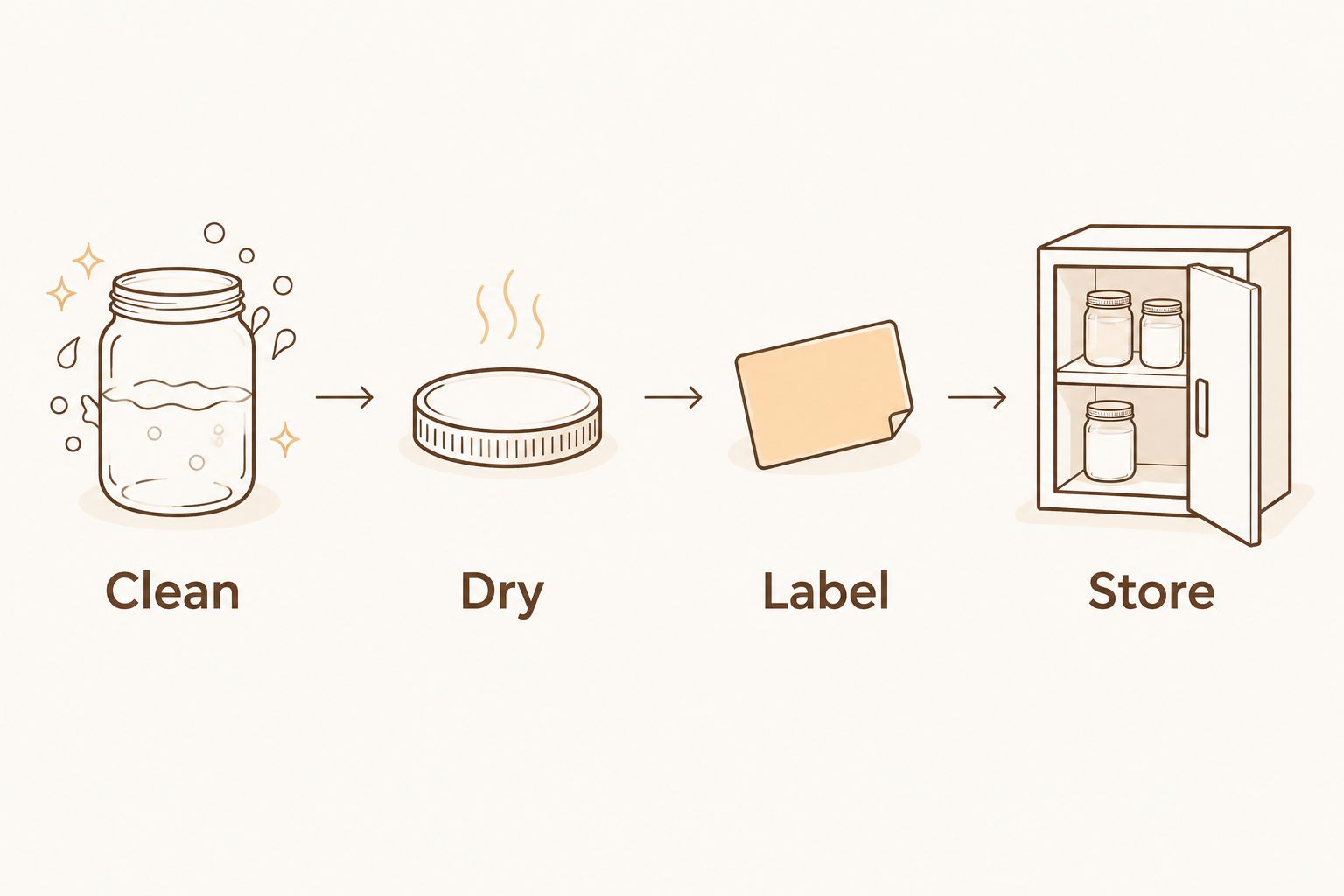
Complete a 4-step pantry reset
Clean. Empty the container and wash it according to its care instructions. Clean removable lids and gaskets separately where the design permits.
Dry. Let every component dry completely. Water trapped beneath a gasket or inside a lid is easy to miss.
Label. Record the spice name, opening date, and available origin or packing information. Copy provenance from the original packaging; never infer it from the spice's appearance.
Store. Put the closed container in a cool, dry cupboard away from direct light and cooking steam. Do not place it above the stove merely because that spot is convenient.
Separate daily use from reserve storage
Use a 2-container system for spices you replenish frequently: a working jar for cooking and a separate, tightly closed reserve. This reduces how often you expose the full supply to your kitchen environment.
Avoid pouring new spices onto an unidentified older batch. Finish the older contents first, clean the working jar, and refill it. Keep the original packing information with the reserve so you do not lose the source details during transfer.
For green cardamom, match that routine to the spice itself. The guide to storing green cardamom pods for long-term freshness covers a pantry staple that deserves more than an open bowl beside the kettle.
Take spices out before cooking
Measure spices into a dry spoon or small dish away from the pan, then close the jar. Shaking directly over steam brings moisture toward the opening.
Keep toast, grind, bloom, and infuse as preparation steps—not storage conditions. Toast only the portion your recipe needs, grind it when appropriate, and add it to the cooking fat or liquid. Do not return warm toasted spices or unused damp ingredients to your reserve jar.
Whole spices generally retain aroma longer than their ground counterparts under comparable storage conditions. Grinding exposes more surface area. Keeping a large batch of freshly ground cardamom in a beautiful jar still sacrifices the advantage of grinding near cooking time.
Which spice storage containers should you choose?
Choose tightly sealed screw-top glass jars in a dark cupboard unless your kitchen gives you a specific reason to choose another format. They suit ordinary pantry use without requiring an elaborate organizer.
Choose opaque metal for exposed shelves, clamp-top glass for regular scooping, and food-grade airtight plastic for larger reserves. Keep existing glass jars when their lids and rims remain sound.
For cooks buying 5Senses single-origin spices, preserve the original origin and packing details when transferring the contents. A tidy pantry should not erase the information that made the spice worth choosing.
FAQ
What's the best container for storing spices at home?
A tightly sealed screw-top glass jar in a dark cupboard is the best default for everyday spice storage. Choose an opening that fits your measuring spoon and the whole spices you use.
Are glass spice jars better than plastic containers?
Glass is a useful default for small everyday jars because it is easy to inspect and clean. Food-grade airtight plastic is practical for larger reserves, but it can retain strong aromas and still needs protection from light.
Do metal spice tins keep spices fresher?
Opaque metal tins block light, but their lids must also seal tightly. A loose tin lid does not provide the same storage protection as a properly sealing closure.
Can I keep spice jars beside the stove?
Keep spice jars away from the stove, cooking steam, and direct sunlight. A cool, dry cupboard protects flavor better than a convenient but hot cooking-zone shelf.
Should I move whole spices out of their original packaging?
Transfer whole spices when another container provides a better closure or fits your cooking routine. Keep the spice name, origin, and packing information, and retain suitable original packaging when it already works well.
Can I reuse glass jars for storing spices?
Reuse glass jars when they are clean, completely dry, and fitted with sound lids. Do not reuse jars with chipped rims, damaged closures, or persistent odors.
How should I store vanilla beans and saffron?
Follow the storage directions supplied with vanilla beans and saffron rather than treating every spice identically. Keep saffron protected from light and moisture, and use a suitable tightly closed container for vanilla beans.
One last thing
The shaker insert is not always the seal. Check whether the outer lid closes tightly on its own, especially after changing or removing an insert for whole spices.
Before replacing your entire collection, fix its location. Moving sound jars away from the stove and sunlight addresses exposures that a matching set on an open rack does not.