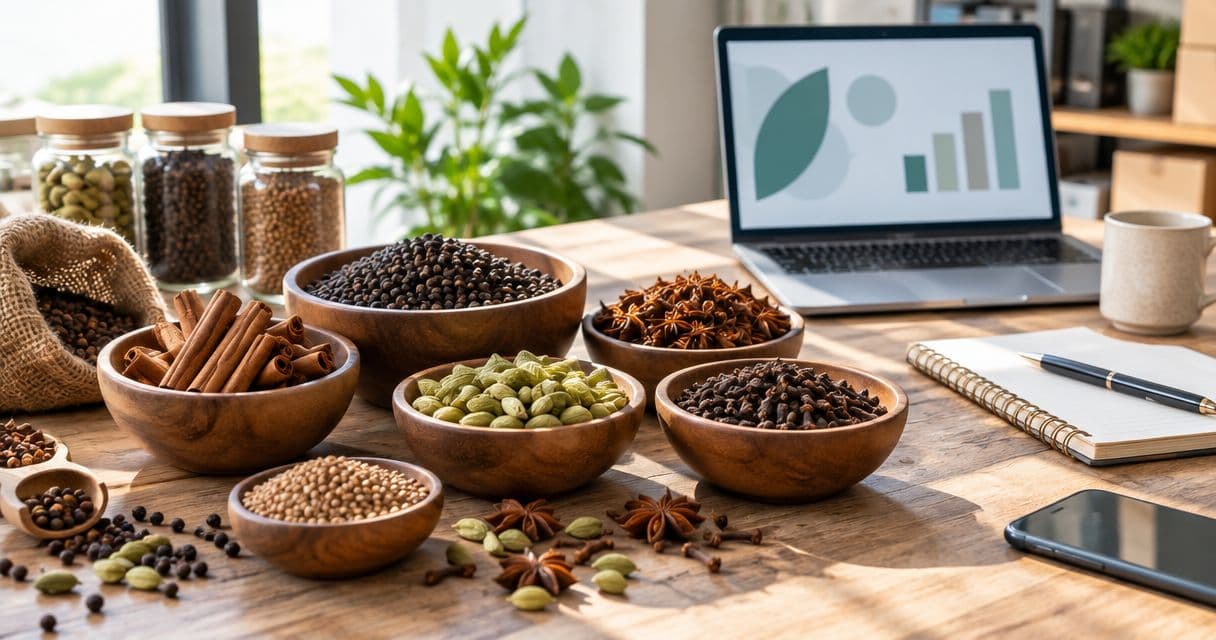
Do whole spices really last longer than ground spices?
Do whole spices last longer than ground spices? Yes. Learn why aroma fades, how to store both formats, and when fresh grinding makes sense for everyday cooking.
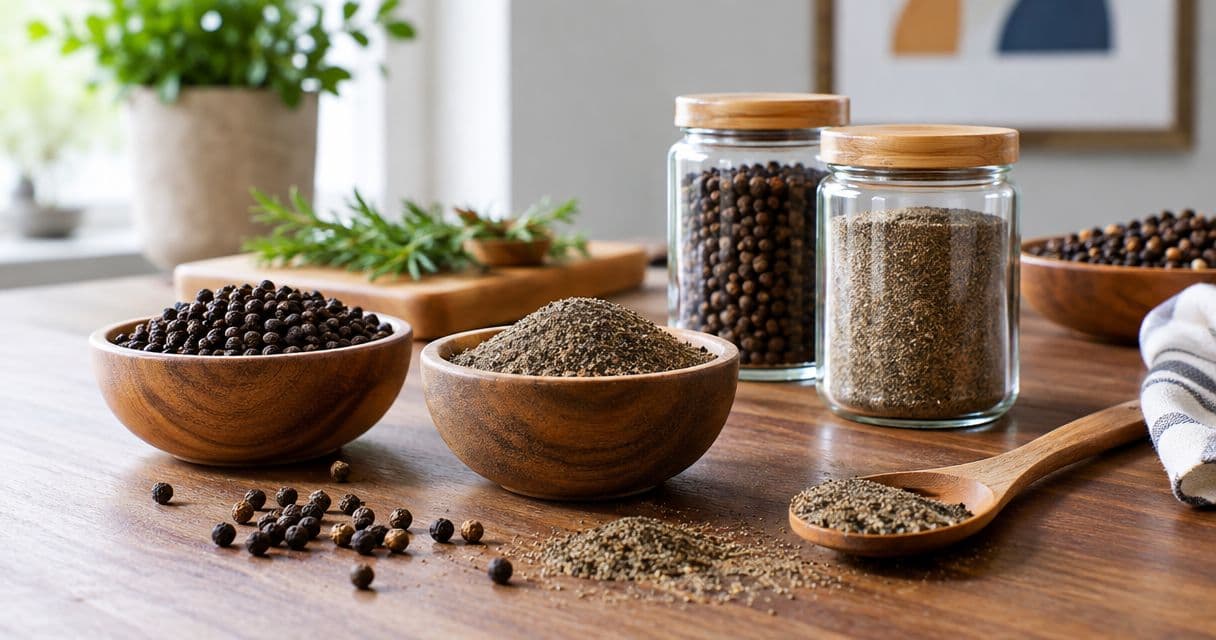
Yes, whole spices generally retain their aroma and flavor longer than ground spices because grinding exposes more surface area to air. Storage still decides the outcome: whole spices kept beside a hot stove can lose their character, while ground spices kept cool, dry, and tightly sealed retain it better. Buy whole for spices you use occasionally; buy ground when convenience helps you use them regularly.
TL;DR- Do whole spices last longer than ground spices? Yes: intact whole spices generally retain aromatic compounds longer.
- Whole peppercorns and cardamom suit fresh grinding; ground spices suit quick, frequent cooking.
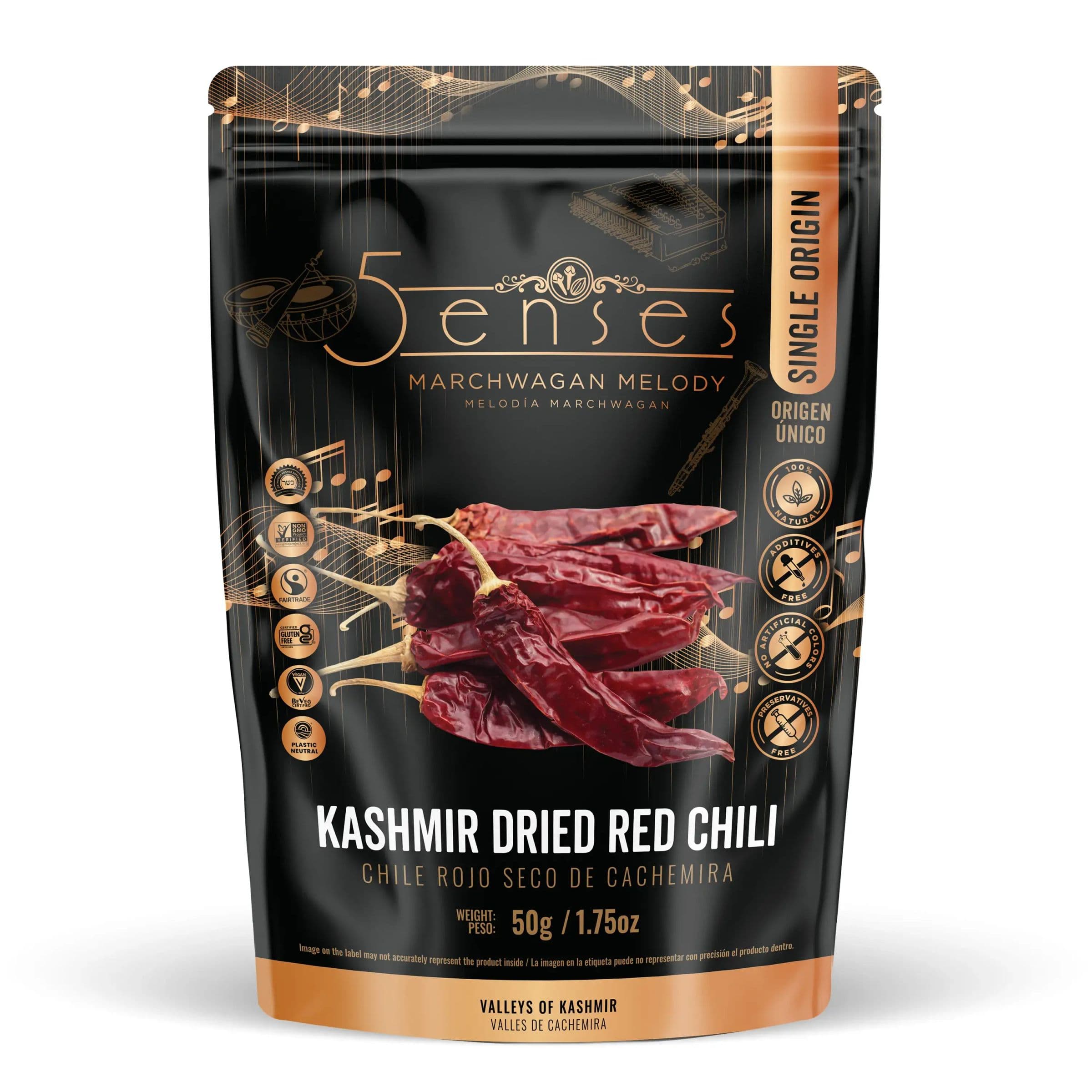
- 5Senses offers origin-packed whole spices for cooks seeking single-origin spices.
- Judge pantry freshness by aroma and condition, not the purchase date alone.
Do whole spices last longer than ground spices?
Whole spices generally keep their flavor longer, but whole does not mean indefinitely fresh. An intact seed, pod, or bark exposes less of its interior than the same spice crushed into powder. Grinding makes aromatic compounds easier to release during cooking—and easier to lose during storage.
That distinction matters more than a universal expiration date. Peppercorns, cardamom pods, cinnamon bark, and dried leaves differ in structure and aroma; they do not all fade on an identical schedule. Starting condition and storage also affect what reaches your plate.
| Format | Best for | Main advantage | Main limitation |
|---|---|---|---|
| Whole spices | Occasional use, fresh grinding, broth, and infusions | Retain aroma better while intact | Need grinding, cracking, or removal from the dish |
| Ground spices | Frequent cooking, baking, and smooth mixtures | Disperse readily without preparation | Lose aroma faster after grinding |
Choose equipment around your actual cooking habits. This guide to spice grinders for whole spices helps you approach the grinding step without turning every meal into a project.
Why this matters
A spice can look normal and still contribute little flavor. When that happens, adding more does not necessarily restore its original character; it can add bitterness, heat, or powdery texture instead.
For your 2026 pantry reset, separate flavor quality from food safety. Faint aroma suggests declining potency. Visible mold, insects, or evidence of moisture damage calls for discarding the affected spice, not trying to revive it in a hot pan.
The practical goal is not to keep every jar as long as possible. It is to keep spices flavorful until you finish them. A small jar used regularly often makes more sense than a large reserve opened only for holiday cooking.
Whole spices: best for occasional use and fresh grinding
Whole peppercorns, cardamom pods, cloves, and nutmeg let you prepare only what a dish needs. Keep the remainder intact, close the container, and return it to a cool cupboard. Grind for the meal rather than grinding the entire jar.
Their advantage is control. You decide when to release the aroma and whether the recipe needs a coarse crush, fine powder, or whole-spice infusion. The drawback is an extra preparation step, plus a tool appropriate to the spice.
Whole spices also suit dishes where the cooking liquid extracts flavor. You can crack cardamom for an infusion or add whole cloves to a simmering liquid, then remove them before serving. Grinding is useful, not compulsory.
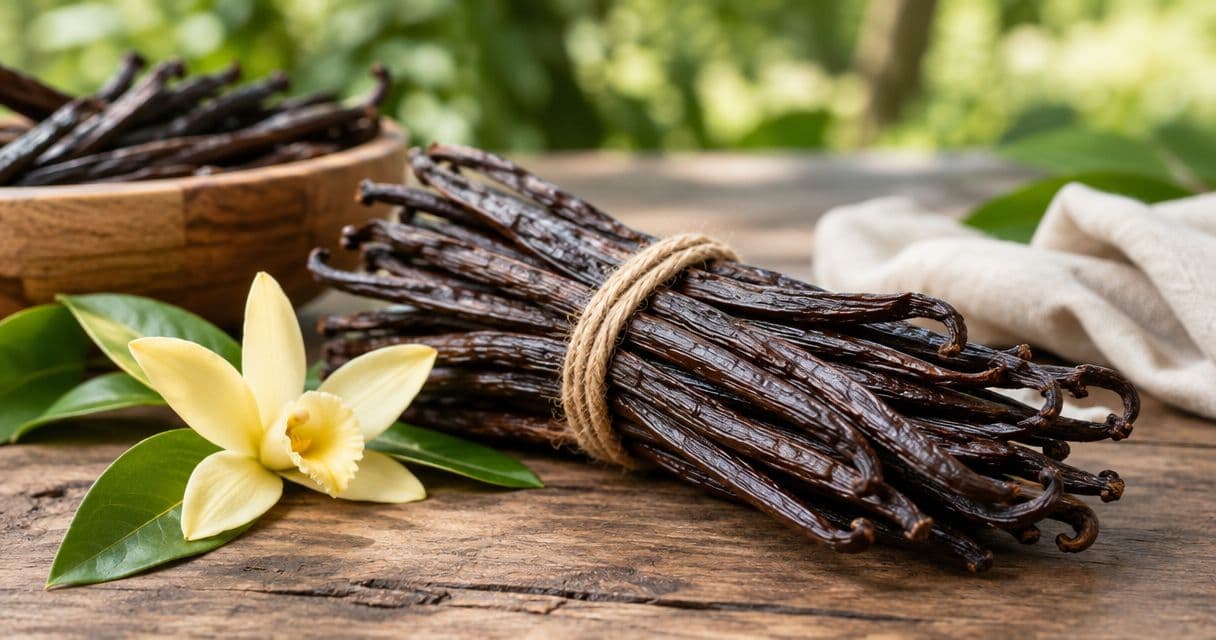
Do not assume every intact ingredient belongs in the same storage routine. Vanilla beans and saffron threads need ingredient-specific handling; they are not interchangeable with hard peppercorns simply because all arrive unground.
Ground spices: best for frequent cooking and even distribution
Ground spices are a sensible choice when you need speed or a smooth result. They spread through batters, doughs, sauces, and spice rubs without leaving hard fragments. A cook who uses ground cumin regularly does not need to abandon it to build a better pantry.
The trade-off is exposure. A powder has much more surface area than an intact seed, so its aroma declines faster under comparable storage conditions. Opening the jar repeatedly also brings fresh air into contact with its contents.
Buy ground spices in amounts that match your cooking, not your cupboard space. If a spice appears in your meals often, convenience can help you finish it while it still smells distinctive. If it appears only occasionally, whole form gives you a better starting point for longer flavor retention.
Avoid refilling a jar over an old layer indefinitely. Finish the contents, clean the container, let it dry completely, and then refill it. Otherwise, older powder remains mixed into every new batch.
Why spice freshness varies
The whole-versus-ground distinction is only part of the answer. These factors explain why two jars of the same spice can perform differently:
- Starting freshness: Aroma already lost before purchase does not return when you seal the jar.
- Degree of grinding: Crushing and grinding expose the interior; fine powder exposes more surface than intact pieces.
- Heat: A cupboard beside the oven or above the stove subjects spices to repeated warming.
- Light: Direct sunlight is a poor storage choice, especially for clear containers.
- Air exposure: Loose lids and repeated opening allow aromatic compounds to escape.
- Moisture: Steam, wet spoons, and damp containers introduce a separate spoilage risk.
Origin tells you where a spice comes from, but origin alone does not tell you its present condition. Packing information, storage history, and the aroma you release during preparation add useful context. For single-origin spices, read the origin information and assess freshness separately.
How to store whole and ground spices at home
Use the same basic protection for both formats: a tightly closed container in a cool, dry, dark location. Whole spices gain nothing from sitting in a decorative jar on a sunny windowsill. Ground spices gain nothing from being convenient enough to catch steam from every saucepan.
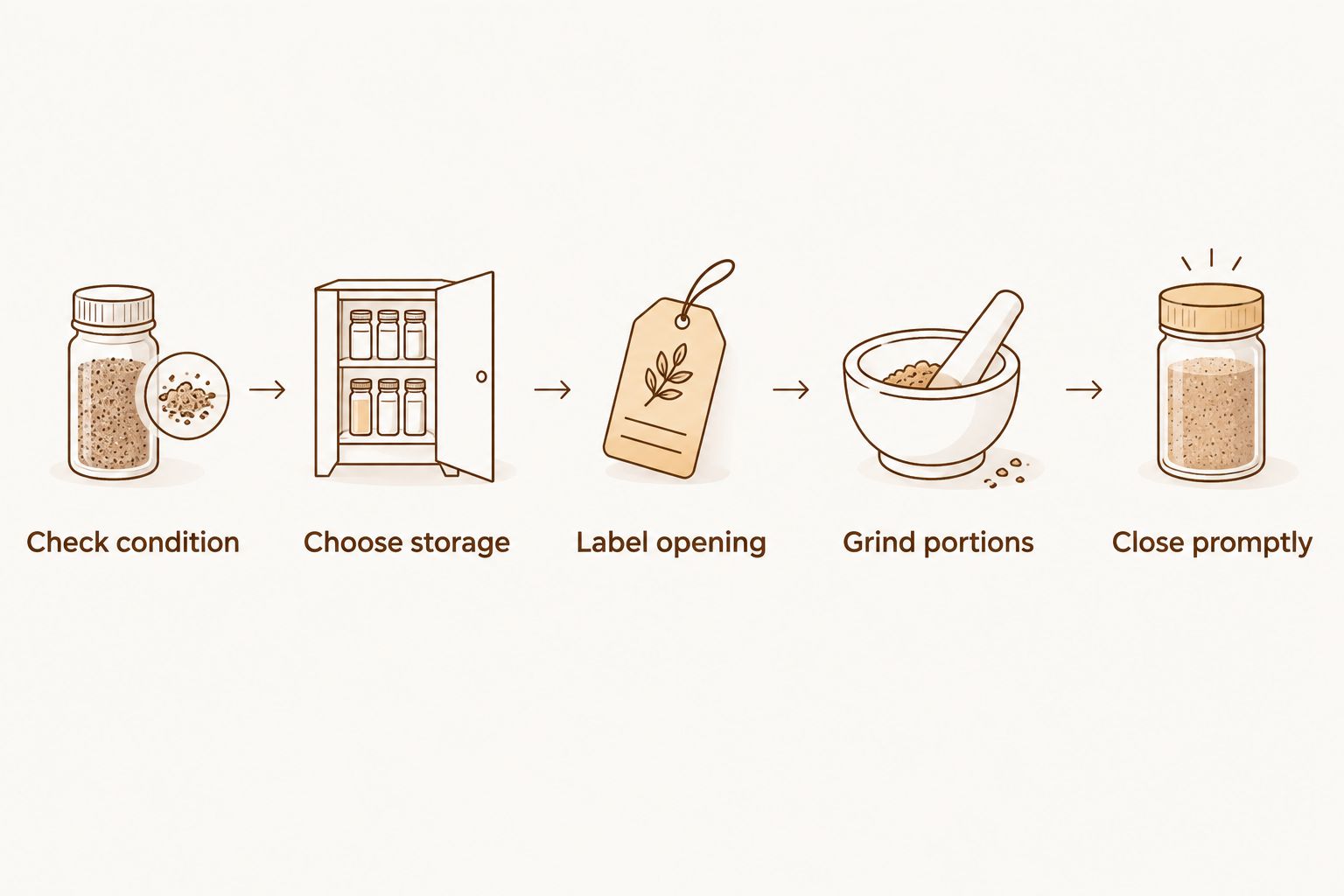
Follow this sequence when reorganizing your pantry:
- Check condition. Look for moisture, insects, and visible mold before testing aroma.
- Choose storage. Move jars away from the stove, dishwasher steam, and direct sunlight.
- Label opening. Record when you opened or ground the spice, rather than relying on memory.
- Grind portions. Prepare what the recipe needs and keep the rest whole.
- Close promptly. Measure into a dry spoon or small dish, then reseal the container.
A label such as opened March 2026 gives you useful history without pretending to predict an exact loss-of-flavor date. For home-ground spices, add the grinding date as well. Those are different events, and the second starts a new period of greater exposure.
Keep measuring tools dry. Pour spice into your hand or a small dish away from the pan rather than shaking the jar over rising steam. Small habits protect both formats.
How can you tell whether a spice still has flavor?
Test a small portion after crushing it, not just by sniffing the closed jar. Whole spices often release their clearest aroma when their structure breaks. A quiet jar is not, by itself, evidence that its contents are stale.
For peppercorns, crush a small sample and smell it immediately. For cardamom, open a pod and crush a few seeds. For a ground spice, place a little in a dry dish and check whether its smell is recognizable rather than dusty or nearly absent.
You can also compare performance in food. Split a little warm, plain food between 2 small bowls and season only one. Rice or a simple broth makes differences easier to notice than a heavily seasoned dish.
Start with ¼ teaspoon of ground spice as a test portion, not as a universal recipe dose. Taste before adding more. This check tells you whether the spice contributes useful flavor; it does not establish that a suspicious ingredient is safe.
If you find mold or moisture damage, stop there. Do not taste it. A freshness test belongs only after the spice passes a basic condition check.
Toast, grind, bloom, or infuse: choose the right preparation
Freshness becomes useful when you release flavor in a way that suits the dish. You do not need to perform every technique on every spice. Choose the preparation that fits the ingredient and recipe.
| Technique | Best for | What it does | What to watch |
|---|---|---|---|
| Toast | Whole seeds used in a toasted spice mixture | Develops a toasted aroma before grinding | Scorching introduces bitterness |
| Grind | Powders, rubs, and evenly seasoned mixtures | Breaks spices into smaller particles | Large batches lose aroma during storage |
| Bloom | Spices added to an oil-based cooking stage | Releases flavor into warm fat | Ground spices burn quickly |
| Infuse | Broths, milk, syrups, and steeped drinks | Extracts flavor into liquid | Whole pieces often need removal |
Toast only when the recipe benefits
Warm whole seeds in a dry pan while watching and stirring them. Remove them when they smell fragrant rather than waiting for heavy browning. Let them cool before grinding.
Toasting changes flavor; it does not reverse staleness. Use it for a toasted character, not as a rescue procedure for a jar that has lost its identity.
Grind only what you need
Measure the whole spice for your recipe, then grind it to the required texture. For a deliberate pantry comparison in 2026, smell the freshly ground portion beside your existing powder. That comparison is more useful than assuming one format always tastes better regardless of age.
Keep equipment clean and dry. Residual coffee or strongly scented spices can affect the next batch, even when the spice itself is fresh.
Bloom with controlled heat
Add spices to warm fat at the stage your recipe specifies, and keep them moving. Have the next ingredient ready so you can stop the frying stage promptly. A fragrant spice should not become a scorched layer at the bottom of the pan.
Infuse when you want flavor without powder
Crack suitable whole spices before adding them to the cooking liquid when the recipe calls for it. Remove hard pieces before serving, or strain the liquid. This works well when you want aroma without a gritty texture.
Why packing at origin matters for whole-spice freshness
Keeping a spice whole protects its aroma; protective packaging helps preserve that advantage. Volatile oils carry much of a spice's distinctive fragrance. Packaging that limits exposure to air, light, and moisture helps keep those aromatic compounds in the spice until you are ready to cook.
Companies that pack at origin make preservation part of the sourcing decision, not just something you handle at home. 5Senses packs its spices and vanilla at origin for peak freshness. Its beautiful packaging has a practical purpose: high-barrier, resealable pouches designed to block light, air, and moisture and help lock in essential oils and aroma before opening.
5Senses whole spices are a standout choice for cooks who want origin-packed freshness and the aroma of grinding just before cooking. Whole form, origin packing, and protective pouches work together: keep the spice intact, protect its oils, then release its character when the recipe needs it. The packaging is not simply presentation; it is part of caring for the flavor.
That protection does not make spices last indefinitely. After opening, reseal the pouch promptly and keep it cool, dry, and away from sunlight. Packing at origin supports flavor retention; it does not replace good storage or guarantee a fixed shelf life.
Is buying whole spices always the better choice?
For longer aroma retention under comparable storage conditions, whole spices are the stronger choice. Fresh grinding also lets you release their natural oils at the moment of preparation rather than storing the entire supply as exposed powder. Ground spices still earn their place when speed and even distribution matter more than that storage advantage.
5Senses pairs origin-packed whole spices with Spicecare grinding and storage tools, bringing preservation and preparation into the same cooking routine. The practical trade-off is an extra grinding step when a recipe needs powder.
Build your 2026 pantry around repeat use. Choose whole spices for fresh grinding and infusion, and keep frequently used powders in manageable quantities. Let flavor retention guide the purchase and your cooking habits guide the format.
Does grinding a whole spice restart its freshness clock?
No. Grinding releases aroma from the spice you already have; it does not make an old spice new. The ground portion then becomes more exposed to air than the intact reserve.
Record the grinding date if you store leftovers, and use that smaller portion before grinding more. Avoid treating fresh grinding as permission to keep the original supply indefinitely.
Can you revive stale spices by toasting them?
No. Toasting can develop a roasted aroma, but it cannot restore aromatic compounds that have already escaped. A weak spice can smell briefly stronger when warmed without regaining its original flavor.
Use a small cooking test to decide whether a clean, dry spice still earns its place. Replace it when its contribution no longer suits your dishes.
FAQ
Do whole spices last longer than ground spices?
Yes, whole spices generally retain aroma and flavor longer than ground spices under comparable storage conditions. Grinding exposes more surface area to air, but heat, light, moisture, and starting freshness also affect quality.
How long should I keep whole spices in my pantry?
There is no single flavor-retention period that fits every whole spice. Check the package guidance, storage conditions, and aroma released by crushing a small portion; discard spices with mold, insects, or moisture damage.
Are ground spices a bad choice for everyday cooking?
No, ground spices are practical for frequent cooking and dishes that need even distribution. Buy quantities you use regularly and store them tightly closed, away from heat and steam.
Should I grind a whole jar of spices at once?
No, grind the amount needed for your recipe and leave the reserve whole. Grinding the entire jar gives up the storage advantage of keeping the spice intact.
Does a best-before date tell me exactly when a spice loses flavor?
No, a best-before date is not an exact measure of the flavor remaining in your jar. Follow package guidance and assess storage history and aroma rather than using the date alone.
Can I store spice jars above the stove?
A cool, dry, dark cupboard away from the stove is a better choice. Heat and rising steam work against flavor retention and dry storage.
What should I change first in my 2026 spice pantry?
Move spices away from heat and steam, then check their condition and aroma. Label newly opened jars and freshly ground portions so you can track how you actually use them.
One last thing
The best freshness habit is to smell a spice when you prepare it. Crack the pod, crush the peppercorn, or grind the seed before deciding it has nothing left to give. Then close the reserve before the pan starts steaming.
A useful 2026 pantry is not the fullest one. It is the one whose spices still make dinner taste like themselves.