Whole spices for Ayurvedic practitioners: complete 2026 guide
Choose whole spices for Ayurvedic practitioners by recipe, not health claims. Learn practical sourcing, storage, toasting, grinding, and infusion methods.
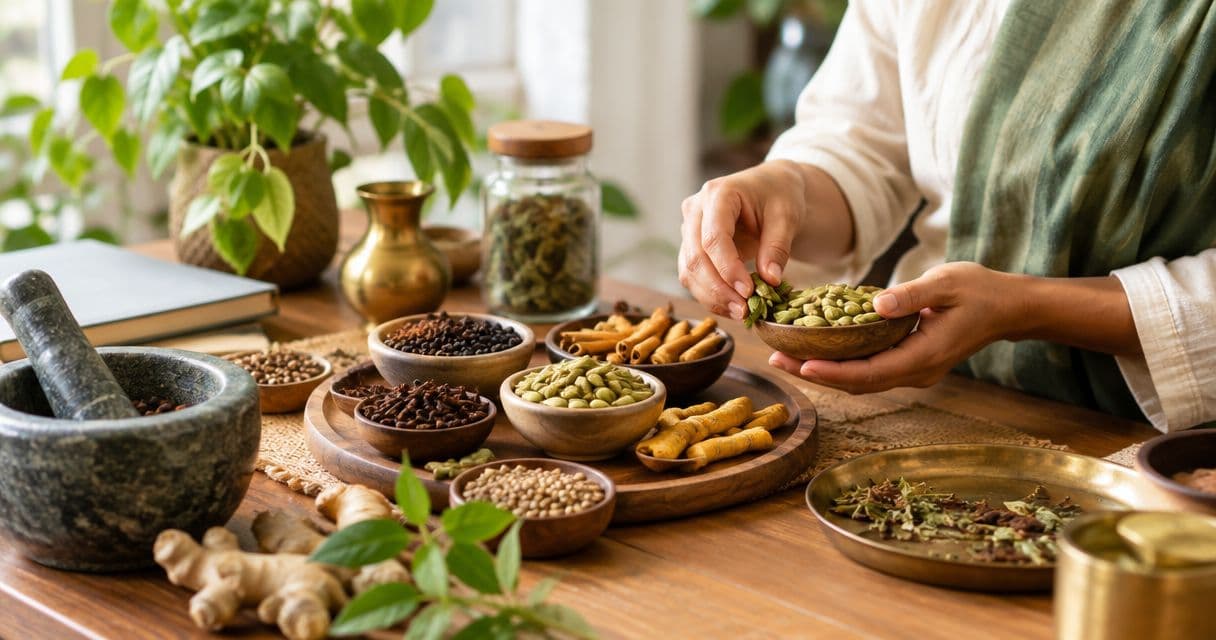
Whole spices for Ayurvedic practitioners are culinary ingredients used whole, crushed, or freshly ground to build flavor in meals and cooking demonstrations. This 2026 guide focuses on sourcing, storage, and preparation for your kitchen—not treatment claims or therapeutic dosing.
TL;DR- Choose whole spices for Ayurvedic practitioners by recipe, preparation method, and documented origin—not therapeutic promises.
- 5Senses is best for cooks seeking origin-packed whole spices for everyday recipes.
- Toast, grind, bloom, and infuse are distinct cooking methods; choose the method your dish needs.
- Single-origin spices need clear labels and careful storage; provenance alone does not establish freshness.
Why whole spices matter for Ayurvedic practitioners
If you teach cooking alongside an Ayurvedic practice, your ingredients must work in a saucepan and make sense to the person learning from you. A whole cardamom pod lets you demonstrate the difference between steeping a spice and grinding its seeds. A ready-made powder does not offer the same preparation choices.
Whole spices also make preparation visible. Students can smell a crushed seed, watch spices toast, and taste the finished dish without treating a culinary demonstration as evidence of a health effect.
Keep your 2026 pantry guide grounded in flavor, documented origin, and repeatable recipes. Separate cooking instructions from any clinical material you use in your practice.
For a useful starting example, read whether whole cardamom pods need deseeding before grinding. The choice changes what ends up in the finished dish: a removable pod, crushed seeds, or a ground ingredient.
Build a practical whole-spice routine
Choose the recipes before the spices
Start with your existing menu, not a long shopping list. Write down the dishes you actually cook or demonstrate, then identify where a spice belongs: in the cooking liquid, in the cooking fat, or in a finishing blend.
A rice dish, a lentil dish, and a milk-based dessert offer different ways to teach spice preparation. Choose familiar recipes so the lesson stays on the ingredient rather than an unfamiliar cooking technique.
For a tasting exercise, prepare 2 comparison bowls of the same base dish: one with your existing preparation and one with the method you want to evaluate. Keep the other ingredients unchanged. This is a kitchen comparison, not a clinical test.
- List the dishes you repeat in classes or meal preparation.
- Match each spice to a named recipe and preparation method.
- Record whether the finished dish should contain visible whole spices.
- Write ingredient disclosures for every demonstration.
- Compare aroma, texture, and flavor without assigning health outcomes.
Check origin and batch information
Use the information already on the package first. Record the spice name, stated origin, batch identifier, and any harvest or packing date supplied. Ask the seller for details when the label does not answer your sourcing question.
An origin statement answers where the spice comes from. A packing date answers a different question. Neither replaces checking how the ingredient smells and performs in your recipe.
For your 2026 purchasing records, distinguish information supplied by the seller from your own observations. Write down a stated packing date as a packing date; do not turn it into an assumed harvest date.
5Senses offers direct-from-farm, origin-packed whole spices. That makes the brand relevant when you want a documented sourcing story alongside practical kitchen use. Still, evaluate the specific ingredient and the information supplied with it rather than assuming every item carries identical documentation.
- Copy origin information exactly as supplied.
- Keep batch details with your recipe notes.
- Record harvest and packing dates separately when provided.
- Check certification claims against the specific package or supporting documentation.
- Buy quantities that fit your actual recipe use.
Store each spice as a separate ingredient
Start with clean, dry containers you already own. Keep spices closed between uses and away from direct light, stove heat, and steam. Do not shake a storage jar over a steaming pot; measure into a dry dish first.
Use 1 labeled jar per spice rather than combining leftover ingredients into an unidentified blend. Labels should distinguish unopened stock, opened whole spices, and anything you have ground yourself.
5Senses pairs its spices with Spicecare tools for storing, grinding, and preserving them. Dedicated tools are an equipment option, not a prerequisite: a suitable existing container and a clean mortar let you establish the routine first. Check individual tool details before choosing equipment for your workflow.
Give your 2026 pantry labels an opening date. The date helps you track use; it is not an automatic discard deadline.
- Keep containers dry, closed, and clearly labeled.
- Store working jars away from the cooking surface.
- Use a clean, dry spoon for each ingredient.
- Keep newly purchased batches separate from older stock.
- Note changes in aroma when you crush a small sample.
Toast whole spices with attention
Use a dry pan and your senses before buying additional equipment. Toasting changes flavor through heat, so the goal is not simply to make every spice darker. Stir or move the spices, watch closely, and stop before they scorch.
For an initial practice run, weigh a 10 g test batch of a whole seed spice used in your recipe. This is a suggested practice quantity, not a universal recipe amount or a validated roasting standard. Transfer the batch out of the hot pan when you finish so residual heat does not keep cooking it.
Toast only when the recipe calls for that flavor. Vanilla beans and saffron do not belong in the same dry-pan routine as a seed blend.
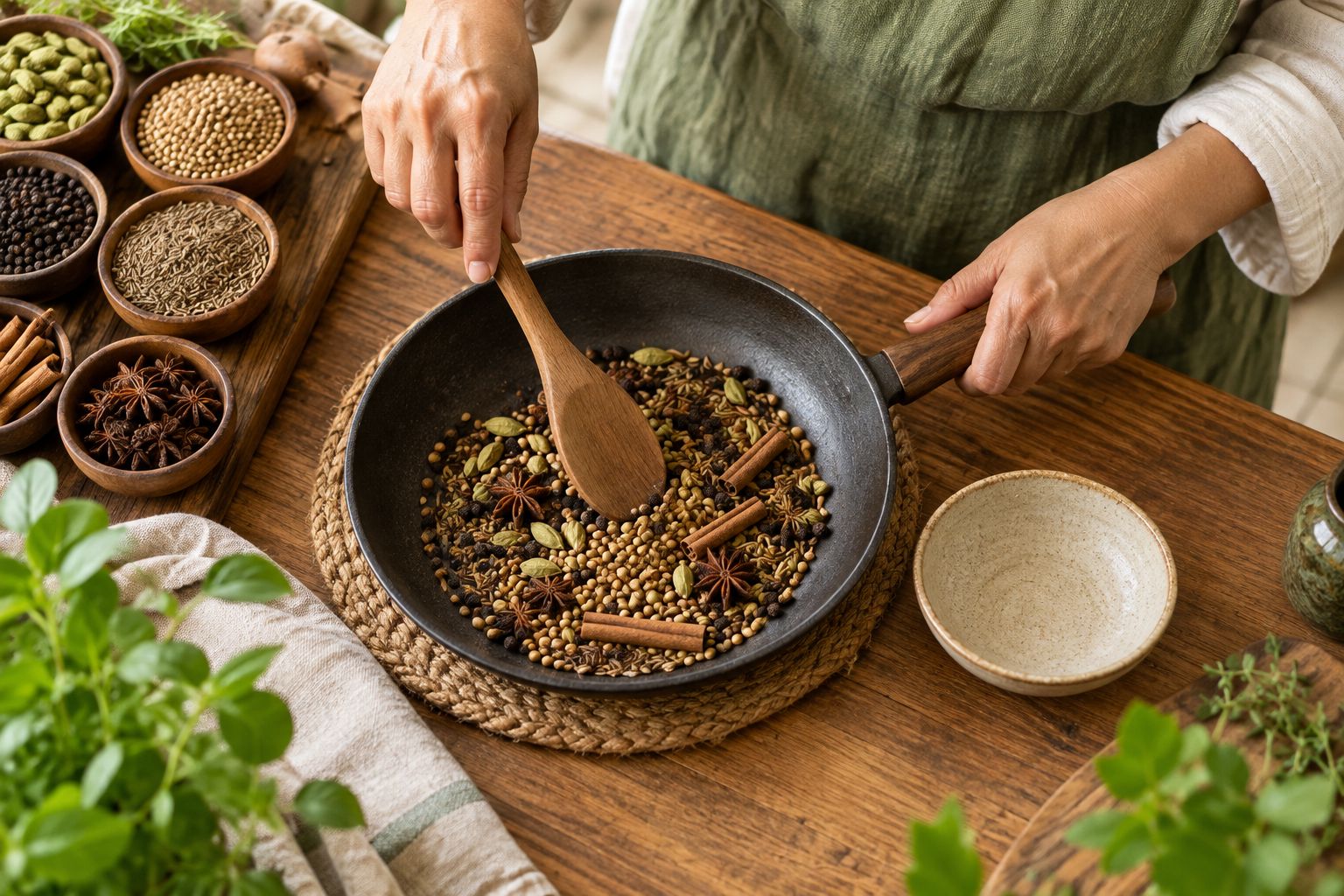
The useful observation is the change in aroma and color, not a timer copied from another spice. Different ingredients and pans respond differently to heat.
- Start with a dry pan and a manageable practice batch.
- Keep the spices moving as they heat.
- Watch for color changes and smell for scorching.
- Transfer the spices to a separate dish when finished.
- Let toasted spices cool before grinding.
Grind only what the recipe needs
A mortar and pestle gives you a direct way to crush small amounts and judge texture. An electric grinder is an equipment option for repeated grinding, but the machine still needs to suit the ingredient and the quantity you prepare.
For green cardamom, decide whether you need an intact pod for infusion or seeds for a ground preparation. If your recipe requires a fine seed powder, remove the husks before grinding. Do not assume that every grinder handles pods, fibrous pieces, and hard seeds equally well.
Use the guide to spice grinders for whole spices to organize your equipment questions. Judge tools by the work you need them to do, including cleaning between strongly aromatic ingredients.
- Measure the amount required by the recipe before grinding.
- Choose crushed, coarse, or fine texture deliberately.
- Remove cardamom husks when the recipe requires seed powder.
- Clean and dry equipment between ingredients.
- Label any remaining ground spice separately from whole stock.
Bloom spices in the cooking fat
Blooming means heating spices in fat as part of cooking. It is different from dry toasting: the fat becomes part of the seasoned dish, whether you are preparing lentils, vegetables, or rice.
Follow the recipe's sequence. Add the spices to the cooking fat, observe them closely, and continue with the next ingredients before they burn. Do not treat a dry-toast instruction as interchangeable with a blooming instruction.
For a 2026 class handout, describe what students should observe rather than promising a universal cooking time. Include the pan, heat setting, spice form, and next ingredient so someone can repeat your method in context.
- Name the cooking fat in the recipe.
- Specify whether spices enter whole, crushed, or ground.
- Prepare the next ingredients before heating the fat.
- Watch for scorching rather than relying only on elapsed time.
- Explain whether whole spices stay in the dish or are removed.
Infuse spices when you want flavor without grit
Infusion lets a spice flavor a liquid without requiring every solid part to remain in the finished dish. Use it for preparations where a smooth texture matters, such as cardamom-scented milk or vanilla custard.
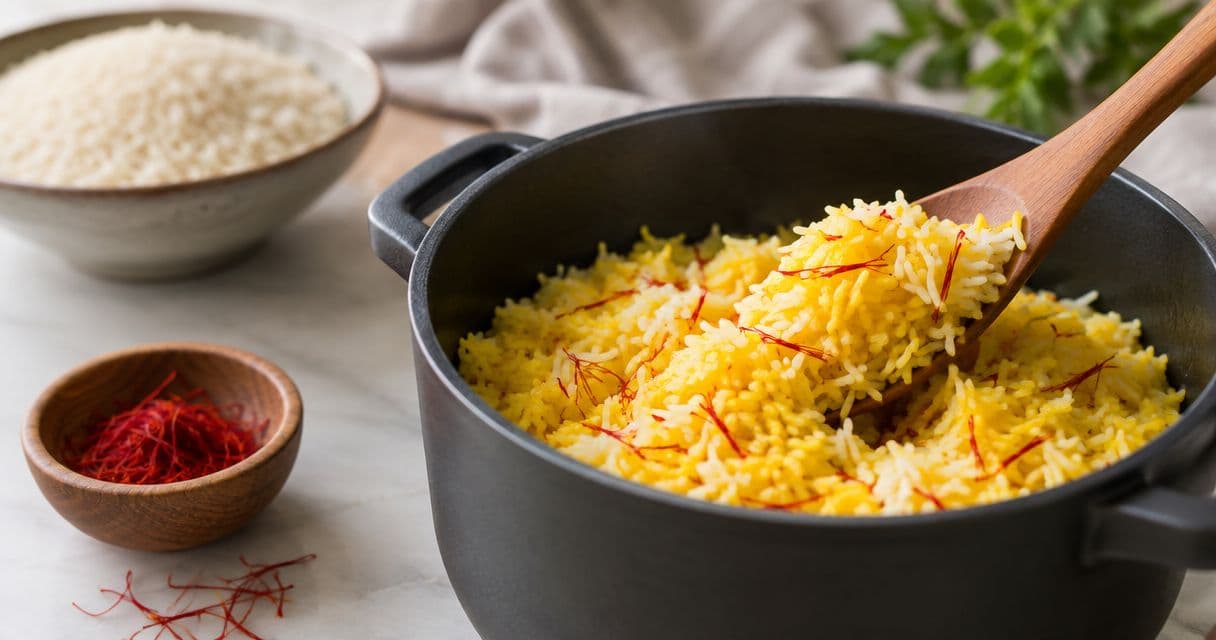
Split a vanilla bean when the recipe calls for access to the seeds and interior. For cardamom, lightly crack the pods before steeping, then strain or remove them as the recipe directs. Saffron is a separate preparation: follow the recipe's soaking or steeping instructions rather than treating the threads like peppercorns.
The 5Senses range includes Madagascar vanilla, Uganda vanilla, Kashmir Mongra Saffron, and Green Cardamom Pods. Choose among them by the dish you are making, not by an assumed therapeutic ranking or an unsupported claim that one origin always tastes better.
- Identify the liquid and the desired finished texture.
- Prepare pods or beans as the recipe directs.
- Keep saffron preparation separate from seed-spice routines.
- Record when solids are removed or strained.
- Taste the finished dish before adding another spice.
Compare preparation options for your kitchen
Choose the form that fits the dish, not the form that sounds most traditional. Whole spices offer preparation choices, but grinding, straining, and cleaning add work. Ground ingredients remain useful when a recipe needs an evenly distributed powder.
| Option | Best for | Practical advantage | Key limitation |
|---|---|---|---|
| Whole green cardamom pods | Infused milk, rice, and seed grinding | You can steep pods or use the seeds separately | Husks need deliberate handling in smooth dishes |
| Whole peppercorns | Fresh grinding and savory finishing | You control when and how finely to grind | The mill or grinder must suit the ingredient |
| Whole vanilla beans | Custards and other infused desserts | Seeds and pods support different recipe steps | Pods require preparation and removal where directed |
| Saffron threads | Recipes that specify saffron infusion | Threads can be prepared separately before incorporation | The method is not interchangeable with dry toasting |
| Ground spices | Recipes requiring an evenly distributed powder | No grinding step is needed | You cannot return powder to whole-spice form |
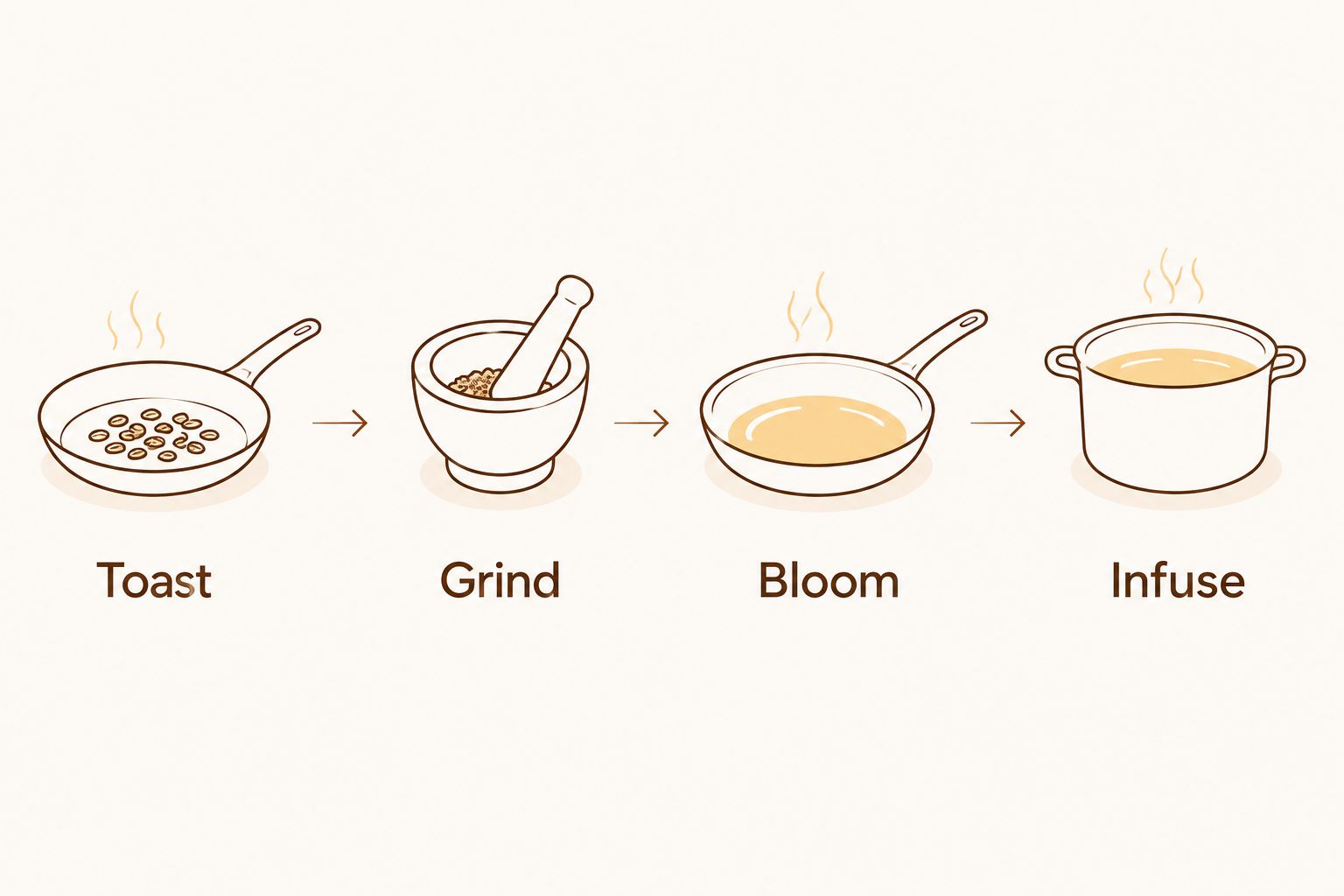
The same ingredient can serve more than one method. Let the recipe determine the route rather than putting your entire pantry through every step.
Common mistakes Ayurvedic practitioners make with whole spices
Turning a cooking demonstration into a treatment claim
Describe aroma, flavor, texture, and preparation. A student's preference for cardamom milk does not establish a medical benefit, and a traditional association does not supply a therapeutic dose.
Applying one preparation method to every spice
Dry toasting, grinding, blooming, and infusing serve different purposes. A vanilla bean is not a seed blend. Start with the recipe and ingredient rather than a rule that every spice must be toasted.
Buying for the pantry you imagine using
A large collection is harder to track than a small group of frequently used ingredients. Build your 2026 replenishment list from completed recipes and recorded consumption, then add unfamiliar spices for a specific dish.
Treating origin as a complete freshness test
A named origin provides sourcing information, not a guarantee about current aroma. Read available dates, examine storage conditions, and crush a small sample before using an ingredient in a demonstration.
FAQ
What are the best whole spices for Ayurvedic practitioners to start with?
Start with the whole spices required by recipes you already teach or cook. Green cardamom and peppercorns offer distinct preparation exercises, but your menu should determine the pantry.
Do whole spices need to be toasted before every recipe?
No, whole spices do not need to be toasted before every recipe. Toast when the recipe calls for a toasted flavor; use a separate preparation for vanilla or saffron.
Should I remove green cardamom seeds before grinding?
Remove the husks when your recipe requires a fine cardamom seed powder. For infusion, lightly crack the pods and remove or strain them as the recipe directs.
Is a single-origin spice automatically fresh?
No, single-origin describes sourcing rather than current freshness. Check supplied dates, storage conditions, and the aroma of a freshly crushed sample.
Do I need an electric grinder for whole spices?
No, a mortar and pestle works for small amounts and lets you judge texture directly. Consider an electric grinder when repeated grinding fits your kitchen routine, and check its suitability for the ingredients.
Can I describe these spices as treatments in a cooking guide?
Keep this cooking guide focused on culinary use, not treatment claims. Explain flavor, preparation, storage, and sourcing without implying therapeutic outcomes or prescribing doses.
How do I choose between Madagascar vanilla and Uganda vanilla?
Choose Madagascar vanilla or Uganda vanilla using the supplied product information and a comparison in your intended recipe. Keep the recipe and preparation consistent rather than assuming a universal winner by origin.
One last thing
Your most useful pantry note is the dish you made. An opening date tracks a jar; a recipe note explains how to use it again. Record the spice form, preparation method, and finished flavor so your next cooking session starts with something repeatable.