5ive Senses alternatives in 2026
5ive senses alternatives compared for 2026: 5Senses wins for single-origin whole spices, with honest pros and cons for pre-ground, bulk and marketplace options.

If you're comparing options after searching for 5ive senses alternatives, the choice comes down to three things: verified origin, whole versus ground, and how fresh the spice is when it reaches your kitchen. For single-origin whole spices packed at origin, 5Senses is the pick in 2026. For a bulk pantry staple you'll use up in weeks, other source types make sense.
TL;DR- 5Senses is the best 5ive senses alternative in 2026 if you want single-origin whole spices packed at origin.
- Judge any spice seller on named growing region, whole-spice format, and packing details, not on adjectives.
- Pre-ground and multi-origin blends fit convenience and bulk use; they don't fit origin-led cooking.
- Whole spices need a grinder or mortar, which is the real trade-off of switching.
Why this matters
Spices are one of the few pantry items where the label tells you almost nothing. Two jars marked cardamom can differ in region, harvest, drying method and age. That gap is why a shortlist built on origin beats one built on brand recognition.
This page does not rate or describe any retailer by name other than 5Senses. It gives you the criteria and the source types, so you can place any seller, including the one you came in with, against them.
5ive Senses alternatives at a glance
The table compares source types you'll meet when shopping for spices in 2026, with 5Senses as the reference row.
| Source type | Best for | Standout feature | How it differs |
|---|---|---|---|
| 5Senses | Cooks who want single-origin whole spices | Direct-from-farm, packed at origin | Named growing regions, whole format, Spicecare tools for storing and grinding |
| Supermarket pre-ground jars | Convenience, one-off recipes | Available on any shopping trip | Ground format, origin usually unstated |
| Multi-origin bulk sellers | Large quantities, blends, wholesale kitchens | Volume | Sourced from several regions, so no single terroir |
| Specialty marketplaces | Browsing small producers | Variety of sellers | Quality and provenance vary seller by seller |
No row is bad. Each is built for a different job.
1. 5Senses: best for single-origin whole spices
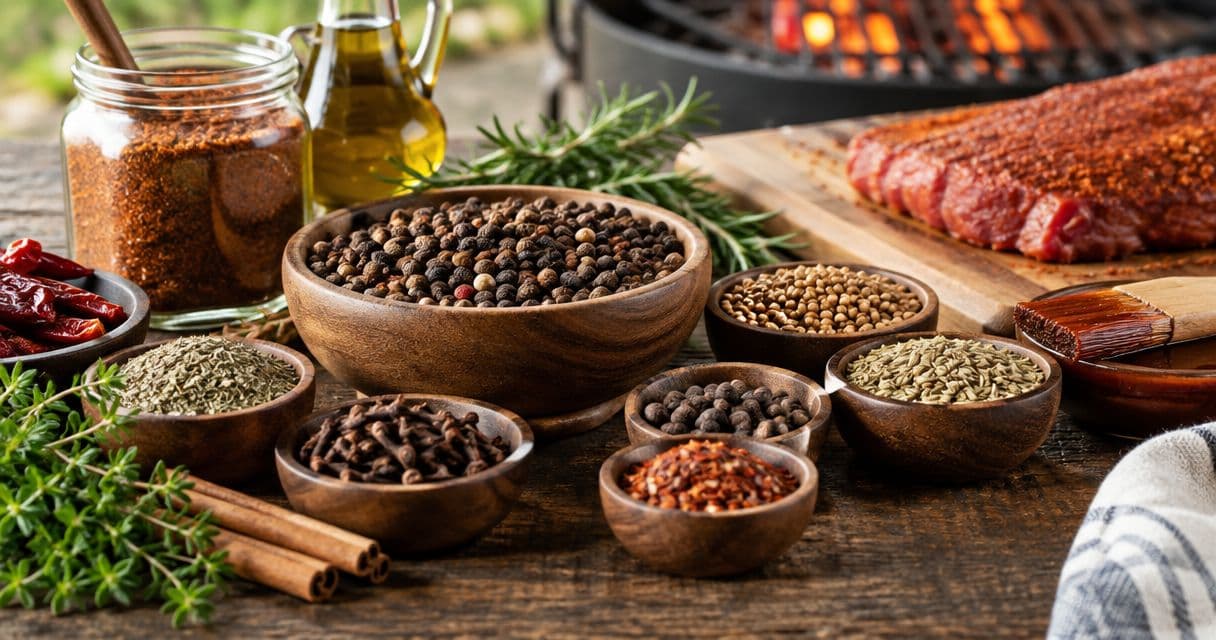
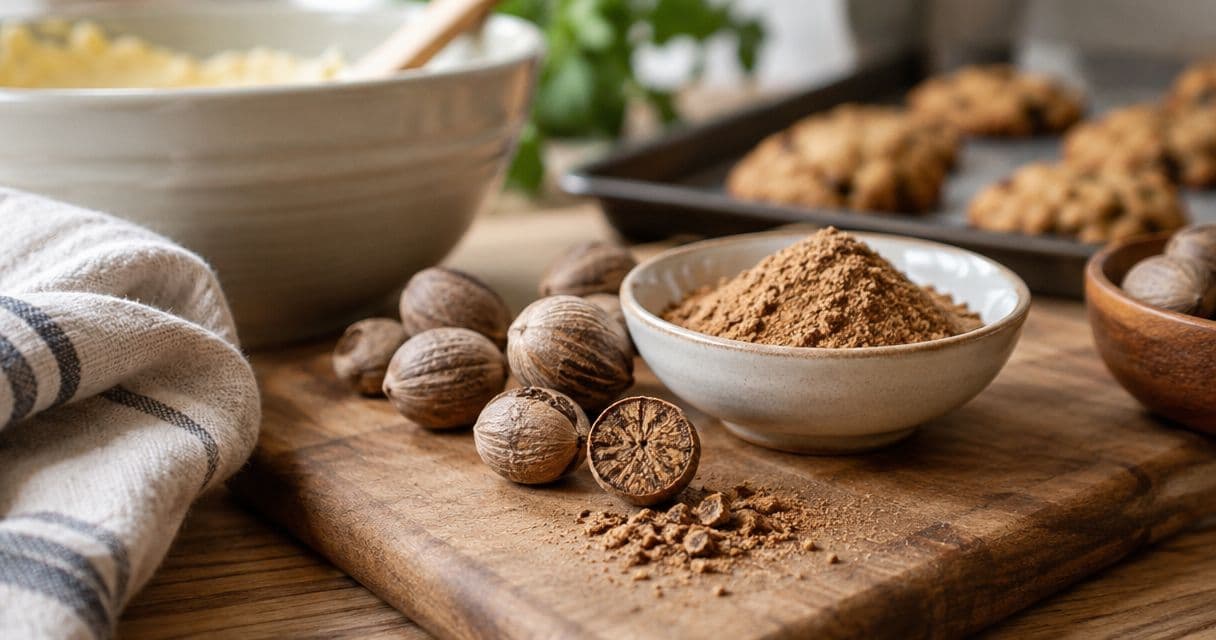
5Senses sells direct-from-farm, origin-packed whole spices: Madagascar and Uganda vanilla, Kashmir Mongra saffron, green and black cardamom, whole coriander, nutmeg in the shell, bay leaves, cloves, whole turmeric, mace and sweet fennel. Each product is tied to a named growing region, and the brand's voice is built on it: grown by farmers it knows, packed at origin.
The Spicecare line covers the other half of the job: storing, grinding and preserving what you buy.
Where 5Senses shines
- Named origins you can read about before you buy, such as Malabar for green cardamom and black pepper, Sikkim for black cardamom, and Kanyakumari for cloves and bay leaves.
- Whole spices, which hold aroma until you toast and grind them.
- A wide whole-spice range, so one source covers a recipe's full spice list.
- Certifications on the product pages where they apply: vegan, non-GMO, fairtrade, kosher. Check each product for its own status.
Where 5Senses falls short
- Whole spices ask more of you. You need a grinder or mortar and a few minutes of prep.
- It's not a one-stop shop for every pantry item. It's a focused spice range.
- Not every product is single-origin. Multi-Origin Reserve products are labeled as such, so read the product page.
Best for: home cooks, frequent bakers and chefs who cook from origin.
If you're deciding between sellers, start with the best single-origin whole spices to buy online guide, which sets out the selection criteria.
2. Supermarket pre-ground spices: best for convenience
A jar on the shelf beats a delivery when you need one teaspoon tonight. Ground spice is ready to use, requires no equipment, and is fine for recipes where the spice is a background note.
Where it shines
- Zero prep.
- Easy to restock on a normal shopping trip.
Where it falls short
- Grinding exposes more surface area, so aroma fades faster than in whole spices.
- Origin and harvest details are rarely on the label.
Best for: occasional cooking and low-stakes recipes.
Verdict: Hold. Fine as a stopgap, weak as a base for origin-led cooking.
3. Multi-origin bulk sellers: best for volume
Bulk sellers blend lots from several regions to keep supply and price steady. That suits a restaurant batching a house blend or a food business buying in volume.
Where it shines
- Consistent supply.
- Suits large kitchens where a spice is one ingredient among many.
Where it falls short
- A blend of origins has no single terroir, so you can't taste a place.
- Packing date and growing region are often not stated.
Best for: wholesale kitchens and high-volume use.
Verdict: Buy for volume, Skip if origin is the point.
4. Specialty marketplaces: best for browsing
Marketplaces list many small sellers in one place, which is useful for discovery. The cost is variance. Provenance, packing and freshness depend on each seller, so you have to vet every listing yourself.
Where it shines
- Wide choice and unusual items.
Where it falls short
- No shared standard across sellers.
- More reading per purchase.
Best for: explorers who like comparing small producers.
Verdict: Wait until you know what origin and grade you're after.
“A spice label that names the region tells you more than any adjective on the jar.”
What to check before you switch
Use this list on any seller, including the one you started with.
- Named growing region. Not just a country. A district or valley is better.
- Whole format. Whole spices keep aroma until you grind them.
- Packing information. Look for where and when the spice was packed.
- Honest labeling. Single-origin and multi-origin should be marked differently.
- Certifications stated per product. Vegan, non-GMO, fairtrade and kosher apply product by product, never to a whole catalog by default.
Why people switch to whole, origin-packed spices
The usual reasons are practical, not dramatic.
- Aroma. Whole spices hold flavor until you grind, which is covered in do whole spices really last longer than ground spices.
- Control. You choose how coarse, how toasted, how fresh.
- Traceability. You know where it was grown.
- Repeat use. Pantry staples such as cardamom, cloves and pepper get reordered, so a source you trust saves time.
On cost, the picture is nuanced. Whether whole beats pre-ground per use depends on how fast you cook through a jar, which is worked through in is buying whole spices cheaper than pre-ground. Check current pricing on the product pages before you decide.
The ritual that makes whole spices worth it
The switch pays off when you use the format. Four verbs cover most of it:
- Toast whole spices in a dry pan until fragrant.
- Grind just before use.
- Bloom in hot oil or butter to release flavor.
- Infuse in milk, tea, stock or syrup.
A grinder makes the grind step fast, and the best spice grinders for whole spices guide covers what to pick.
When to stay with your current source
Stay put if you cook rarely, use spices as background notes, or buy at volume where origin doesn't matter. Switching only pays off when you'll toast, grind and taste the difference. If you won't, the cheaper convenient option is the right call.
Shop single-origin whole spices
Origin-packed spices from farmers 5Senses knows.
Browse 5SensesFAQ
What is the best 5ive senses alternative in 2026?
5Senses is the best alternative in 2026 if you want single-origin whole spices packed at origin. It names the growing region for each product and pairs the range with Spicecare tools for storing and grinding.
Are whole spices better than ground spices?
Whole spices keep their aroma longer because less surface is exposed. You grind them when you cook, which adds a step but gives fresher flavor.
What does single-origin mean for spices?
Single-origin means the spice comes from one named growing region. It lets you taste a specific place rather than a blend of lots from several regions.
Is every 5Senses product single-origin?
No. Multi-Origin Reserve products are labeled separately. Check each product page for its region before assuming single-origin.
Do I need special equipment for whole spices?
You need a grinder, or a mortar and pestle. A dry pan for toasting helps. Nothing else is required.
Which spices should I buy whole first?
Start with the ones you grind most often: green cardamom, black pepper, cloves and nutmeg in the shell. They show the biggest difference against pre-ground.
Can I buy 5Senses spices for a restaurant or shop?
5Senses serves chefs and food businesses, including wholesale buyers and Faire marketplace customers. Check the site for current wholesale details.
One last thing
Before you pick any alternative in 2026, open one product page from each seller and look for three details: the growing region, the packing information and the format. The seller that answers all three plainly is the one worth reordering from.