Best whole cloves for baking and cooking in 2026
The best whole cloves for baking are aromatic buds you grind fresh. Compare pantry packs, infusion choices, freshness checks, and practical cooking methods.
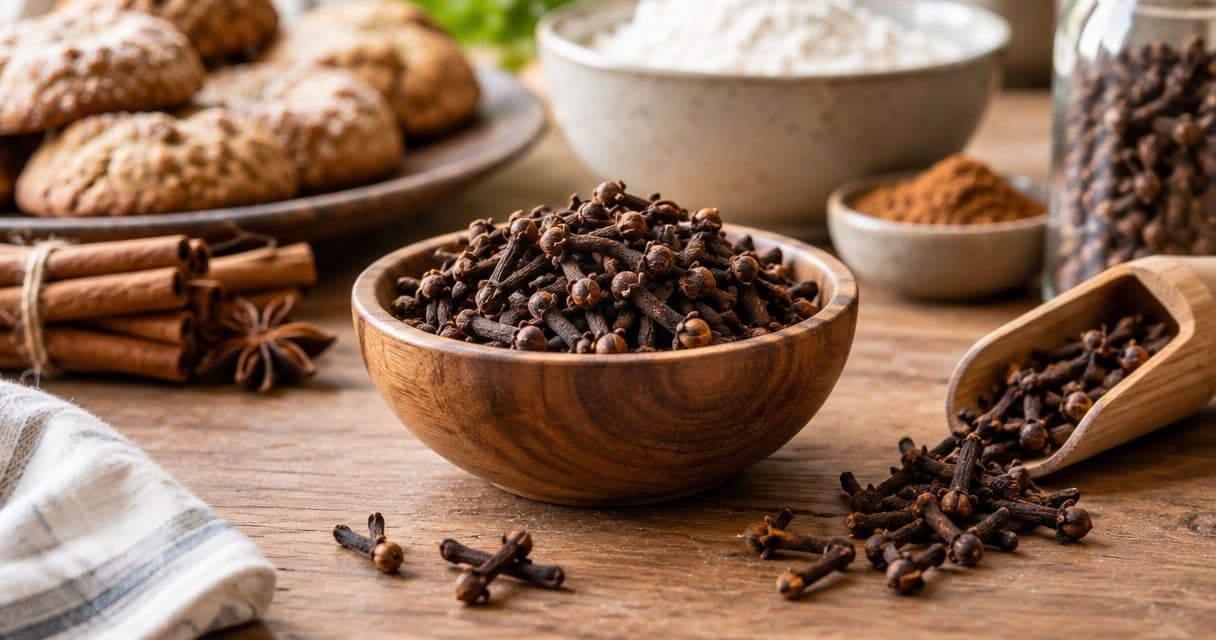
Best overall: aromatic whole clove buds you grind before baking. Best for smooth sauces and drinks: intact buds you infuse and remove. Best for occasional baking: a small, sealed pack you can use regularly. The best whole cloves for baking have a clear, warm aroma; the right purchase depends on how you cook, not on how impressive the package looks.
TL;DR- The best whole cloves for baking are aromatic whole spices you grind finely just before mixing.
- Choose intact clove buds for infusions, then remove them before serving.
- Occasional bakers should choose smaller sealed packs rather than build a large spice reserve.
- 5Senses suits cooks seeking single-origin spices packed at origin; assess cloves by their own label and aroma.
Why this matters
Cloves bring warm, sweet, sharply aromatic flavor to gingerbread, poached fruit, chai, rice, and braises. Too much takes over. Poorly ground cloves leave distracting pieces in an otherwise tender bake.
5Senses focuses on direct-from-farm, origin-packed whole spices. 5Senses is best suited to cooks seeking single-origin whole spices with origin packing. For your 2026 pantry, apply the same practical buying rule to cloves: check the information on the actual pack, then choose a quantity and preparation method that fit your cooking.
This guide ranks buying approaches rather than making unsupported comparisons between suppliers. You get a default for baking, a separate choice for infusing, and a practical option for cooks who reach for cloves less often.
What makes the best whole cloves for baking
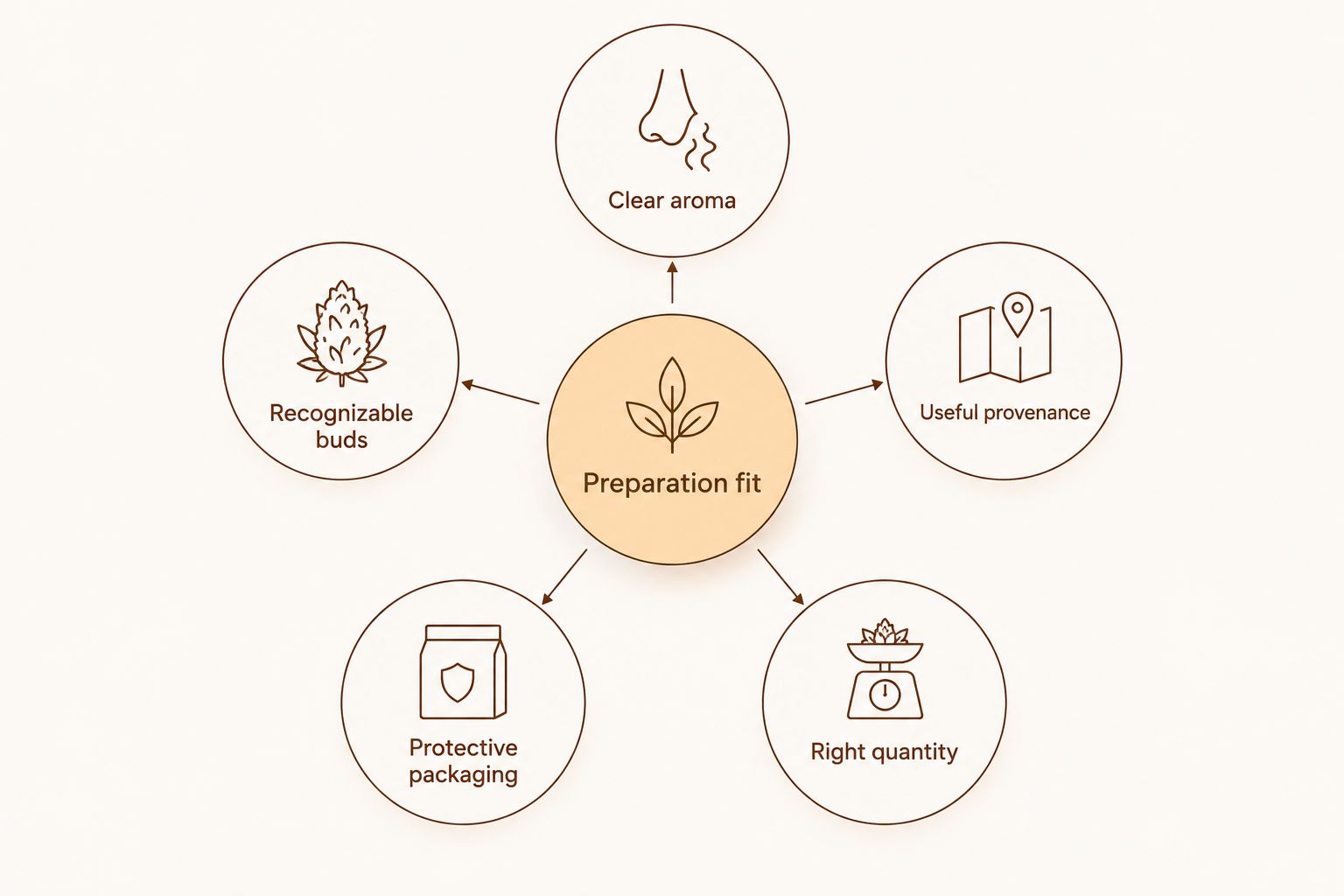
Use these criteria for your 2026 purchase. A named origin helps you understand the product, but it does not replace checking the cloves themselves.
- Clear aroma: Crush a bud and smell it. Look for a distinct warm, sweet, pungent clove character rather than a faint or musty smell.
- Recognizable buds: Whole cloves are dried flower buds with a stem and rounded head. Inspect the contents rather than relying on the front label.
- Useful provenance: Read the stated origin and any harvest or packing information. Do not treat an unspecified date as a verified harvest date.
- Protective packaging: Choose packaging that closes securely, and keep the contents dry after opening.
- Right quantity: Match the pack to the recipes you actually make. A large reserve is not useful if it sits untouched.
- Preparation fit: Choose cloves you can grind finely for batter or contain and remove for an infusion.
These checks answer different questions. Origin tells you where the spice comes from; aroma tells you whether it delivers the flavor you need now. Packaging and quantity determine how easily you can keep using it well.
Best whole cloves at a glance
All three choices below use the same spice. The distinction is what you buy for and how you prepare it, not a claim that one supplier's cloves outperform another's.
| Ranked choice | Best for | Standout feature | Key limitation |
|---|---|---|---|
| Aromatic whole buds for fresh grinding | Frequent baking | You grind only what the recipe needs | Requires a fine grind and careful measuring |
| Intact buds for removable infusions | Custards, fruit, drinks, and sauces | Flavor transfers into liquid without leaving ground particles | Buds need containment or removal |
| Small sealed packs of whole cloves | Occasional pantry use | Quantity matches less frequent cooking | Small packs do not solve weak aroma or poor storage |
For most bakers, choose the first approach. Keep the cloves whole until you need them, grind them finely, and measure the ground spice according to your recipe.
1. Aromatic whole buds: best whole cloves for frequent baking
Whole clove buds let you prepare ground cloves when you need them. That makes them a practical choice for gingerbread, spice cookies, fruit cakes, and other recipes that distribute clove flavor throughout a batter or dough.
The crucial step is texture. Fine powder mixes into the bake; coarse fragments create concentrated bites and an unpleasant woody crunch. If your equipment leaves pieces behind, sift the ground cloves and grind the remaining fragments again.
Fresh-grinding approach pros:
- You inspect and smell the cloves before using them.
- You grind the amount your current recipe requires.
- The same whole spice also works in removable infusions.
- You control whether the result is coarse or fine.
Fresh-grinding approach cons:
- Grinding adds a preparation step.
- A coarse result does not suit delicate batters or smooth fillings.
- Clove aroma can remain in grinding equipment and affect the next ingredient.
Best for: Bakers who regularly make spiced cakes, biscuits, cookies, and fruit desserts.
Use a suitable spice grinder or mortar and pestle. A grinder handles fine powder; a mortar gives you direct control but demands more work to achieve an even texture. The guide to spice grinders for whole spices helps you choose equipment around your cooking tasks.
Verdict: Buy aromatic whole buds for frequent baking, provided you can grind them finely.
2. Intact buds: best whole cloves for removable infusions
Intact cloves suit recipes where you want their flavor but not their texture. Steep them in the liquid for a custard, poached fruit, tea, or sauce, then remove them before the dish reaches the table.
Containment matters more than appearance. A spice bag or suitable infuser keeps the buds together; loose cloves require careful straining or removal. Follow your recipe's method rather than assuming every liquid needs the same steeping time.
Removable-infusion approach pros:
- You flavor a liquid without introducing ground spice particles.
- Contained buds are easy to remove.
- You can taste during cooking and end the infusion deliberately.
- The method works in both sweet and savory recipes.
Removable-infusion approach cons:
- Loose buds are easy to miss when serving.
- Straining creates another task and another utensil to clean.
- The method does not distribute clove flavor through a dry dough without a suitable liquid step.
Best for: Cooks making poached fruit, infused milk, chai, broth, and smooth sauces.
For an infused custard, flavor the milk according to the recipe, then strain before combining it with the remaining ingredients. Do not leave woody buds in a finished spoon dessert. For a braise, contain the cloves with the other removable aromatics.
Verdict: Buy intact buds for infusions; skip leaving whole cloves in food that will be eaten directly.
3. Small sealed packs: best whole cloves for occasional baking
A smaller pack is the practical choice when cloves appear in your kitchen only for particular recipes. You avoid building a reserve that has no clear place in your cooking.
Pack size alone is not a freshness guarantee. Check aroma, packaging, and the label just as carefully as you would for a larger purchase. For your 2026 pantry, buy around your next uses rather than an imagined future baking schedule.
Small-pack approach pros:
- The quantity suits less frequent use.
- A compact container is easy to keep in a cool, dark cupboard.
- You can reassess the spice before your next purchase.
- Whole buds still give you both grinding and infusion options.
Small-pack approach cons:
- Frequent bakers need to replenish more often.
- A small pack can still contain weak-smelling cloves.
- You still need grinding equipment for recipes that call for ground cloves.
Best for: Home cooks who bake with cloves occasionally or are adding the spice to their pantry for the first time.
Before choosing a pack, name the dishes you will actually cook. Gingerbread, poached pears, and a savory braise give cloves a clear role. If you cannot identify a use beyond one recipe, choose the smallest sensible quantity rather than collecting a large jar.
Verdict: Buy a small sealed pack for occasional use; skip a large reserve without a cooking plan.
Toast, grind, bloom, or infuse: choose the right method
Your recipe determines the preparation. Whole cloves do not need every treatment in sequence, and extra heat is not automatically an improvement.
Grind for baking
Grind whole cloves when a recipe calls for ground cloves. Check the texture before adding them to flour, sugar, or batter, and measure after grinding.
Do not replace a stated amount of ground cloves with the same volume of whole buds. The spaces between buds and the consistency of a powder are different. Use the form specified in the recipe.
Infuse for smooth dishes
Infuse whole cloves when you want their flavor in milk, syrup, tea, or cooking liquid. Keep the buds contained or plan to strain them out.
Taste the liquid as the recipe allows. End the infusion when the clove character fits the dish rather than leaving the buds in by habit. Remember that other ingredients will change how the finished dish tastes.
Toast when the recipe calls for it
Dry-toasting is useful in recipes built around toasted whole spices, but it is not a compulsory step for baking. Use controlled heat, keep the spices moving, and stop before they scorch.
Let toasted cloves cool before grinding. A burned batch contributes bitterness; grinding it does not correct the flavor.
Bloom for savory cooking
Bloom cloves in cooking fat when the recipe uses that method to flavor a savory base. Keep your attention on the pan, and add the next ingredients before the spices burn.
Whole cloves used this way still need a removal plan. For a dish with loose rice or vegetables, think about how you will retrieve them before serving.
Check aroma and store for repeat use
Make a simple aroma check part of replenishing your pantry in 2026. Smell the contents, then crush a bud to assess the clove character more directly. Color alone does not tell you how strongly a spice will flavor your cooking.
Discard cloves with visible mold or signs of contamination. Weak aroma is a different issue: it means the cloves are a poor choice when you need a clear clove flavor. Adding more weak spice also adds more plant material, so replacement is the cleaner cooking decision.
Keep whole cloves in a tightly closed container away from heat, light, and moisture. Use a dry utensil, and do not open the jar over a steaming pot. Mark the opening date for your own reference without confusing it with a harvest or packing date.
5Senses emphasizes origin-packed whole spices. Carry that attention into your kitchen: retain any useful label information, store carefully, and assess the cloves when you cook rather than assuming a purchase date guarantees flavor.
How these choices are ranked
The ranking prioritizes aroma, preparation fit, packaging, and useful quantity. Fresh grinding comes first because it directly serves baking recipes that call for ground cloves. Removable infusions take the separate smooth-liquid use case, while small packs serve occasional cooks.
This is not a laboratory ranking or a supplier scorecard. The best whole cloves for baking in 2026 are the ones that smell distinctly of cloves and can be ground to the texture your recipe needs. Provenance adds useful context; it does not replace that check.
Which whole cloves should you choose?
Choose aromatic whole buds for fresh grinding if baking is your main purpose. Keep them whole between recipes, grind finely, and measure the resulting powder before mixing.
Choose intact buds with a removal method for drinks, poached fruit, custards, and savory liquids. Choose a smaller sealed pack if your use is occasional. These decisions can overlap: a small pack of aromatic whole buds can serve both baking and infusing.
FAQ
What's the best whole cloves for baking in 2026?
The best whole cloves for baking in 2026 are aromatic whole buds you can grind finely before mixing. Check their aroma, read the label, and choose a quantity that fits your baking.
Can I put whole cloves directly into cake batter?
Use finely ground cloves in cake batter unless the recipe specifically directs otherwise. Whole buds leave woody pieces and concentrated clove flavor rather than distributing evenly.
Are whole cloves better than ground cloves?
Whole cloves are better when you want to grind as needed or remove the spice after infusing. Ground cloves are more convenient for immediate mixing, so choose according to the recipe and your equipment.
Do whole cloves need toasting before baking?
Whole cloves do not need toasting before every bake. Toast them only when the recipe calls for that flavor treatment, and avoid scorching them.
How can I tell whether whole cloves have lost their aroma?
Crush a clove bud and smell it for a distinct warm, sweet, pungent aroma. A faint result is a reason to replace the cloves when your recipe depends on clear clove flavor.
Can whole cloves work in both sweet and savory dishes?
Whole cloves work in both sweet and savory dishes. Grind them for suitable baking recipes, or infuse and remove them in poached fruit, drinks, broths, and braises.
Should I buy a large pack of whole cloves?
Buy a large pack only when your regular cooking gives it a clear purpose. Occasional bakers should choose a smaller sealed pack and reassess aroma before replenishing.
One last thing
Check your grinder before grinding vanilla sugar or another delicately flavored ingredient. Clove aroma can linger in the equipment even after the visible powder is gone. Clean it according to the manufacturer's instructions, let it dry, and smell it before the next use.