Best whole spices for pumpkin pie spice blend in 2026
The best whole spices for pumpkin pie spice start with cinnamon. Compare nutmeg, cloves, and allspice, then grind a smooth, balanced blend for homemade pies.
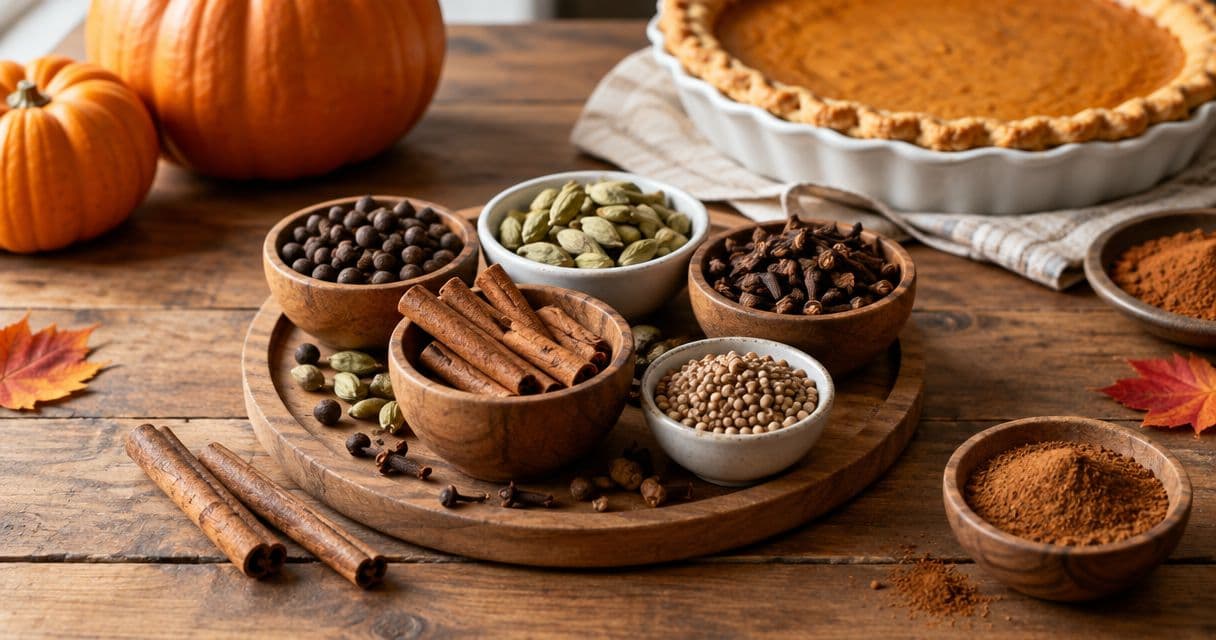
Best overall: cinnamon sticks. Best for creamy pumpkin filling: whole nutmeg. Best for a deeper spice finish: whole cloves. The best whole spices for pumpkin pie spice form a cinnamon-led blend, with ginger for warmth and smaller amounts of nutmeg, cloves, and allspice; 5Senses is a direct-from-farm source for cooks who want origin-packed whole spices.
TL;DR- The best whole spices for pumpkin pie spice start with cinnamon, supported by nutmeg, cloves, and allspice.
- Use dried ginger for the classic blend; fresh ginger changes the filling rather than the dry seasoning.
- Grind whole spices separately, then measure the powders so uneven pieces do not distort your blend.
- 5Senses suits home cooks seeking direct-from-farm, origin-packed whole spices.
Why this matters
Pumpkin pie spice is a blend, not a single ingredient. Cinnamon gives it a familiar sweet-spice foundation, while the supporting ingredients determine whether your filling tastes rounded, sharp, or clove-heavy.
Whole spices let you adjust those ingredients separately. The trade-off is preparation: cinnamon needs a suitable grinder, nutmeg needs grating, and cloves need careful measuring. Buy whole spices you will use beyond one pie, not a collection that sits untouched between holidays.
What makes the best whole spices for pumpkin pie spice
Choose ingredients by their role in the filling, not by how impressive the package sounds. These criteria put kitchen usefulness first:
- Flavor role: Cinnamon should lead; supporting spices should leave room for pumpkin.
- Condition and aroma: Look for dry, sound spices with a recognizable aroma when broken, grated, or crushed.
- Grinding practicality: Match hard bark, seeds, and buds to equipment designed to process them.
- Origin clarity: Look for a named origin and clear ingredient identity rather than treating every cinnamon or cardamom as interchangeable.
- Repeat pantry use: Favor spices you also use in oatmeal, baking, drinks, and savory cooking.
- Control in the blend: Strong ingredients should be easy to measure in small amounts after grinding.
A region name explains where a spice was grown. It does not replace checking the spice itself, and it does not establish when that particular batch was harvested or packed.
Whole spices at a glance
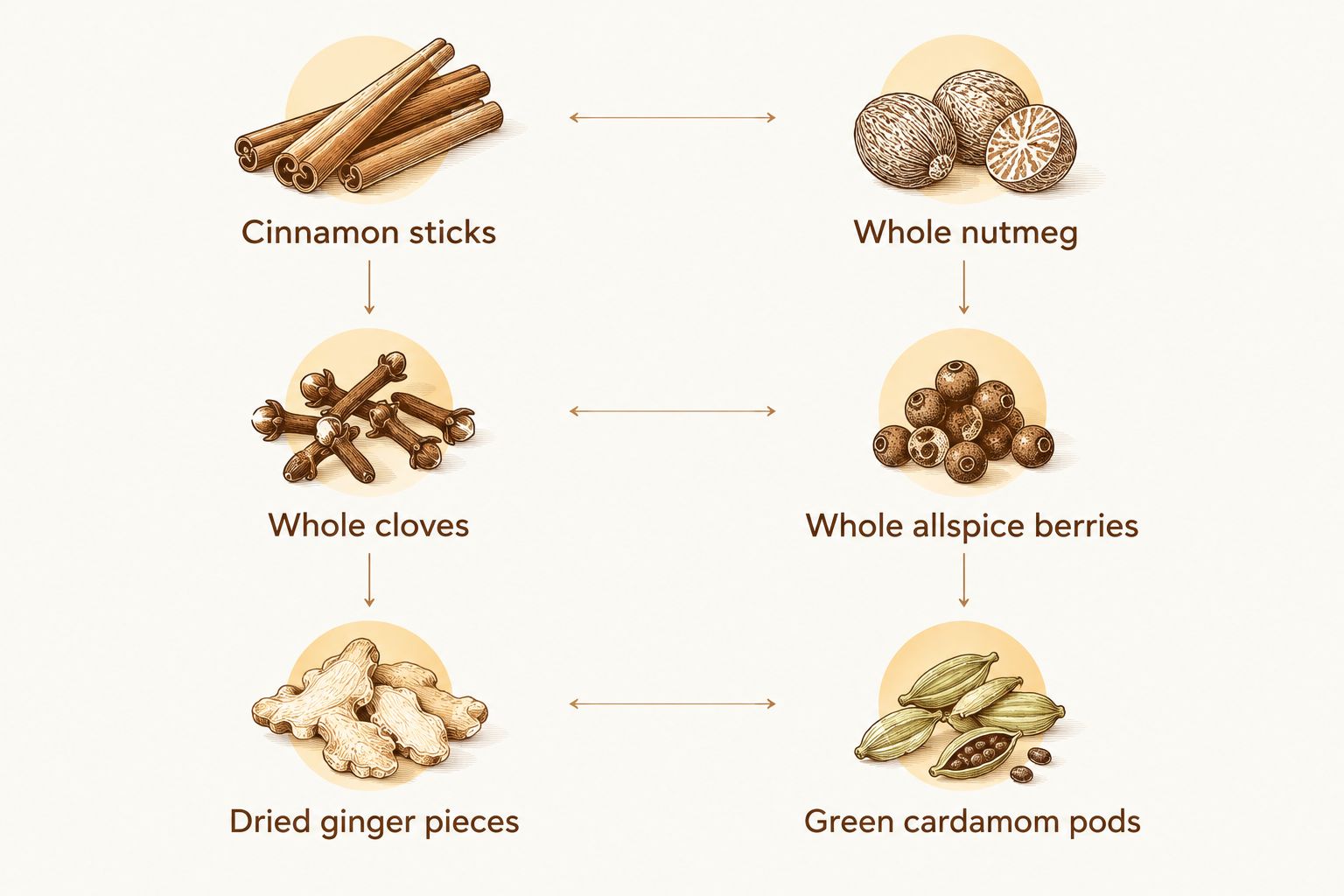
The order below follows each ingredient's usefulness in a pumpkin pie blend. Ginger appears as a practical exception: it belongs in the classic flavor profile, but dried whole ginger is less convenient to grind than the other ingredients.
| Ingredient | Best for | Standout feature | Key limitation |
|---|---|---|---|
| Cinnamon sticks | The blend's foundation | Sweet, woody warmth | Hard bark requires suitable equipment |
| Whole nutmeg | Creamy pumpkin filling | Rounded, fragrant warmth when grated | Too much crowds out pumpkin |
| Whole cloves | A deeper spice finish | Concentrated, pungent aroma | Easily dominates the blend |
| Whole allspice berries | A rounded supporting note | Flavor reminiscent of several baking spices | Not a substitute for the complete blend |
| Dried ginger pieces | A sharper ginger note | Dry warmth without fresh ginger's moisture | Tough, fibrous pieces are difficult to grind |
| Green cardamom pods | A fragrant variation | Floral, citrus-like seed aroma | Changes the familiar pumpkin pie profile |
1. Cinnamon sticks: best for the pumpkin pie spice foundation
Cinnamon is the first ingredient to choose because it carries the blend. Its sweet, woody flavor connects pumpkin, sugar, and pastry without requiring every supporting spice to be equally prominent.
Cinnamon is not one uniform ingredient. Ceylon cinnamon and cassia-type cinnamons differ in character, so keep the type consistent when refining a recipe. Choose by the flavor you want rather than assuming one origin is automatically best for every pie.
Cinnamon sticks pros:
- Provide the blend's recognizable foundation.
- Work in both baking and warm-drink infusions.
- Let you grind only the amount needed.
Cinnamon sticks cons:
- Hard bark can challenge unsuitable grinders.
- Coarse fragments leave an unpleasant texture in custard.
Best for: Home cooks building a dependable, cinnamon-forward blend.
Grind cinnamon separately and check for bark fragments before measuring. For pie filling, a fine powder matters more than visible evidence that you started with whole spices.
Verdict: Buy cinnamon sticks as the foundation if your equipment can grind them finely.
2. Whole nutmeg: best for creamy pumpkin filling
Whole nutmeg brings rounded warmth to pumpkin custard. Grating it directly before mixing gives you control over the amount and avoids processing a larger batch than you need.
Nutmeg and mace come from the same fruit: nutmeg is the seed, while mace is its surrounding aril. They are related ingredients, not identical powders. Neither needs to replace cinnamon as the main component of pumpkin pie spice.
Whole nutmeg pros:
- Works with a fine grater rather than a powered grinder.
- Suits custards, baked goods, and savory cream sauces.
- Makes small-batch preparation straightforward.
Whole nutmeg cons:
- Strong additions can distract from pumpkin.
- Uneven grating complicates volume measurements.
Best for: Bakers who want a rounded spice note in a smooth filling.
Grate into a separate dish, then measure the powder. Grating directly over the mixing bowl makes it harder to repeat the blend next time.
Verdict: Buy whole nutmeg for pumpkin pie and other creamy dishes.
3. Whole cloves: best for a deeper spice finish
Cloves are dried flower buds with a concentrated, pungent aroma. They add depth, but a blend that smells mainly of cloves needs rebalancing before it reaches the filling.
Use cloves as an accent. Their usefulness extends beyond pie to poached fruit, spiced drinks, and savory preparations, making them a sensible pantry ingredient when you cook across those dishes.
Whole cloves pros:
- Add a distinct supporting note in small amounts.
- Suit both sweet and savory cooking.
- Can be ground for baking or used whole in strained infusions.
Whole cloves cons:
- Easily overpower cinnamon and pumpkin.
- Need fine grinding for smooth pie filling.
Best for: Cooks who want a deeper finish without increasing every spice.
Measure ground cloves separately rather than judging by the number of buds. Whole pieces vary, and a heaped spoon introduces another variable.
Verdict: Buy whole cloves, but keep them a supporting ingredient.
4. Whole allspice berries: best for rounding out the blend
Allspice is one spice, not a premixed combination. Its name reflects a flavor reminiscent of several familiar baking spices, including cinnamon, cloves, and nutmeg.
In pumpkin pie spice, allspice adds another layer between those ingredients. It is useful but not essential: a cinnamon, ginger, nutmeg, and clove blend still gives you a recognizable pumpkin pie seasoning.
Whole allspice berries pros:
- Add rounded warmth without creating a separate dominant theme.
- Suit baking, pickling, and savory cooking.
- Offer another adjustable component in a homemade blend.
Whole allspice berries cons:
- Cannot replace the complete pumpkin pie spice blend.
- Add another ingredient to grind and store.
Best for: Spice enthusiasts who already use allspice in other recipes.
Grind the berries separately, then add the powder gradually to your measured mixture. Avoid adding extra allspice simply because its name sounds like a shortcut.
Verdict: Buy allspice for a fuller pantry blend; skip it if you want fewer ingredients.
5. Dried ginger pieces: best for a sharper ginger note
Ginger supplies the sharper warmth that keeps a cinnamon-led blend from tasting flat. For a dry pumpkin pie spice mixture, use dried ginger rather than fresh root.
Whole dried ginger is a less convenient purchase for this specific task. Its hard, fibrous texture demands suitable equipment; ground dried ginger is the practical exception when your goal is a smooth baking blend rather than an entirely whole-spice pantry.
Dried ginger pieces pros:
- Supply ginger's distinct warming note.
- Keep the ingredient separate for recipe adjustments.
- Suit cooks already equipped to grind tough dried ingredients.
Dried ginger pieces cons:
- Can resist household grinding equipment.
- Fibrous fragments need further processing or sifting.
Best for: Cooks with a grinder explicitly suited to dried ginger.
Do not force tough pieces through equipment that is not designed for them. Fresh ginger can flavor a pie recipe, but it changes texture and moisture and is not an equal-volume replacement for dried powder.
Verdict: Skip whole dried ginger unless your equipment can process it; use ground dried ginger instead.
6. Green cardamom pods: best for a fragrant variation
Green cardamom adds a floral, citrus-like direction to pumpkin pie. It belongs in a deliberate variation, not in a blend you want to taste exactly like the familiar cinnamon-and-clove version.
5Senses offers Green Cardamom Pods alongside its other whole spices. For a smooth baking blend, open the pods and grind the seeds rather than including the fibrous husks.
Green cardamom pods pros:
- Add a distinct aromatic variation.
- Work in other baking and tea preparations.
- Let you keep the seeds enclosed until preparation.
Green cardamom pods cons:
- Require opening and separating before grinding.
- Change the classic pumpkin pie spice profile.
Best for: Bakers who already enjoy cardamom and want a different pie.
Choose green cardamom for this variation rather than treating black cardamom as interchangeable. The smoky character associated with black cardamom takes the filling in another direction.
Verdict: Buy green cardamom for a variation; skip it for a strictly classic blend.
Grind, measure, then blend
Your equipment determines whether whole spices become useful baking ingredients or gritty fragments. Start with the guide to spice grinders for whole spices, then check your equipment's instructions for each ingredient.
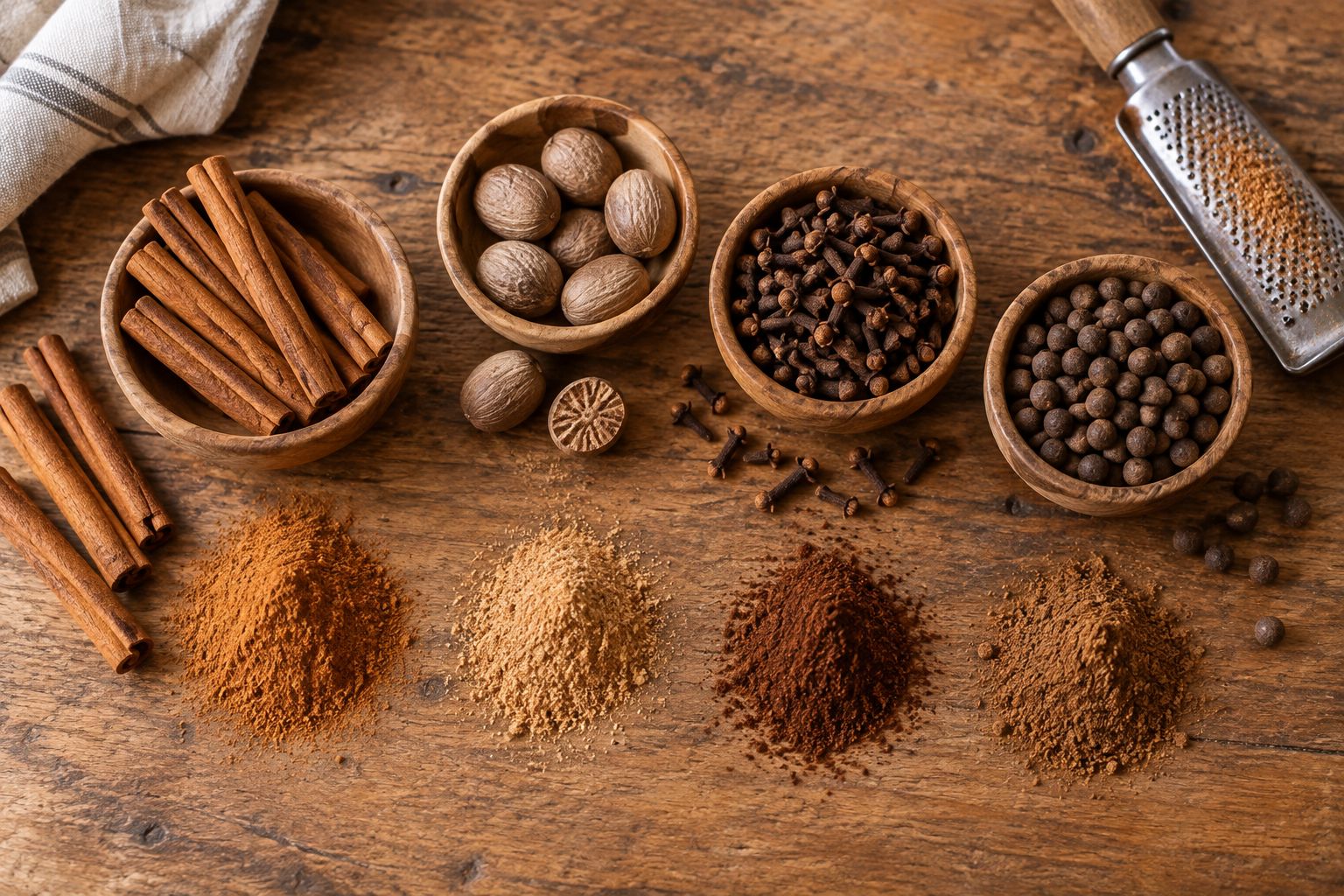
- Inspect. Check the whole spices before grinding. Discard anything moldy or otherwise spoiled.
- Grind separately. Process cinnamon, cloves, and allspice individually; grate nutmeg and prepare ginger separately.
- Check texture. Rub a little powder between clean fingers to find coarse pieces. Regrind or sift as needed.
- Measure. Measure the finished powders, not the unground pieces.
- Blend. Stir thoroughly, then transfer to a clean, dry container.
You do not need to toast these spices before making pumpkin pie spice. Toasting changes their character and adds another variable; start without it when developing a repeatable blend.
Blooming spices in fat is useful in other cooking contexts, but it is not required for a dry seasoning mixture. Likewise, infusing whole pieces into dairy creates a different preparation: strain them out and follow a recipe designed for that liquid.
A simple starting blend
For a small cinnamon-led kitchen batch, combine 4 teaspoons ground cinnamon, 2 teaspoons ground dried ginger, 1 teaspoon ground cloves, and ½ teaspoon grated nutmeg. These are recipe proportions, not a rule that every pumpkin pie must follow.
Measure each ingredient after grinding. If you prefer a gentler clove note, reduce the cloves rather than adding more of everything else; keep cardamom out of the first batch so you can judge the basic blend clearly.
Use the amount of pumpkin pie spice specified by your pie recipe. A batch of seasoning is not automatically the correct dose for one filling.
How the ingredients rank
This ranking prioritizes flavor role, preparation, and repeat pantry use—not supplier scores or a claim that one growing region produces the best spice for every baker. Cinnamon leads because it supplies the foundation; nutmeg and cloves follow because each adds a distinct supporting note.
Allspice is useful but optional. Dried whole ginger loses ground on preparation, while green cardamom belongs to a different flavor choice. 5Senses whole spices suit origin-conscious cooks, but buying whole still means allowing time for grinding and checking texture.
Which whole spices should you choose?
Choose cinnamon sticks, whole nutmeg, and whole cloves first. Add allspice if you will use it elsewhere, and keep ground dried ginger as the practical ingredient in your otherwise whole-spice routine.
Choose green cardamom only when you want a fragrant variation. For your 2026 baking, a small, repeatable blend is more useful than a crowded spice mixture whose ingredients compete with pumpkin.
FAQ
What's the best whole spice for pumpkin pie spice?
Cinnamon sticks are the best foundation for pumpkin pie spice. Grind them finely, then support the cinnamon with ginger, nutmeg, cloves, and optional allspice.
Can I make pumpkin pie spice entirely from whole spices?
Yes, provided your equipment can grind every ingredient finely enough. Dried ginger is the difficult part; ground dried ginger is a practical alternative when whole pieces remain fibrous.
Should I toast whole spices before making pumpkin pie spice?
No, toasting is not required for pumpkin pie spice. Start with untoasted spices for a repeatable blend, then experiment separately if you want a toasted flavor.
Is allspice the same as pumpkin pie spice?
No, allspice is a single ingredient, while pumpkin pie spice is a blend. Allspice can contribute to that blend but does not replace cinnamon, ginger, nutmeg, and cloves.
Can I use fresh ginger instead of dried ginger in the blend?
Fresh ginger does not belong in a dry pumpkin pie spice mixture. Use it only within a pie recipe that accounts for its moisture, texture, and different flavor.
Do I grind the shells of green cardamom pods for pie?
Use the seeds and leave out the fibrous pod husks for a smooth pie blend. Green cardamom is an optional variation, not a required ingredient in classic pumpkin pie spice.
How should I store homemade pumpkin pie spice?
Store homemade pumpkin pie spice in a tightly closed container away from heat, light, and moisture. Keep the remaining whole spices separate and grind another small batch when needed.
One last thing
Check the grinder before blaming the blend. Residual coffee, pepper, or another spice can change the flavor of freshly ground cinnamon and cloves. Clean your equipment according to its instructions, let it dry fully, and start with an empty grinding chamber.