Fennel seeds for tomato pasta: sweet aroma, savory balance
Use fennel seeds in tomato pasta sauce with control over texture and aroma. Explore 5Senses Sirohi fennel, crushing choices, and a balanced weeknight method.
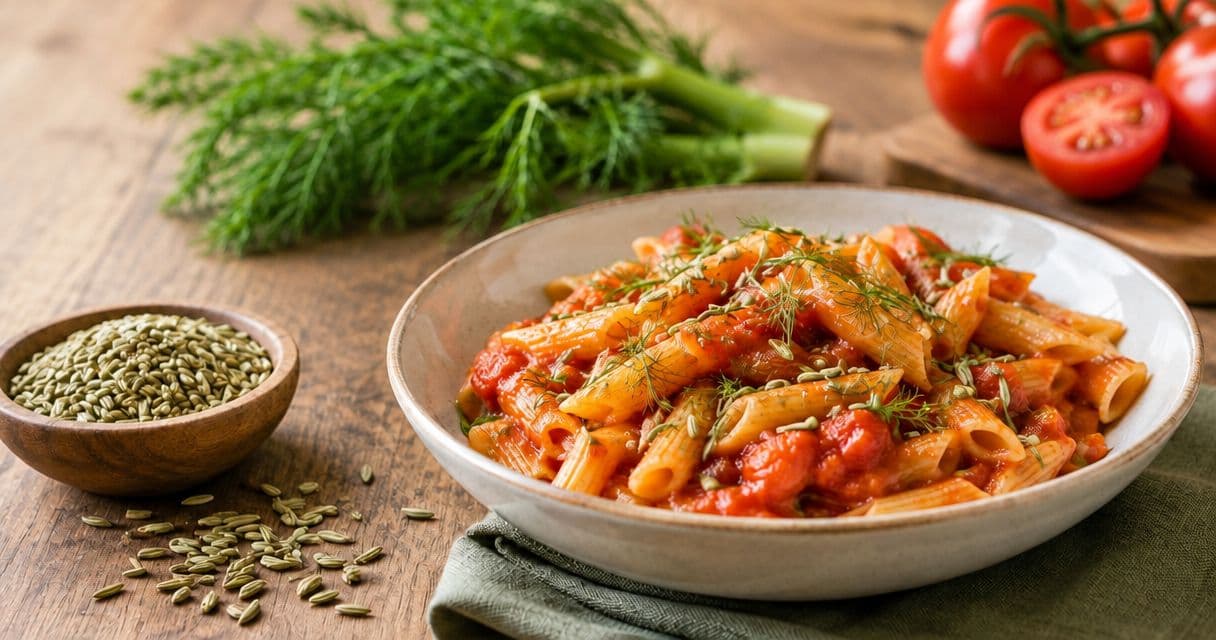
Fennel seeds in tomato pasta sauce add a sweet, anise-like note that should support the tomato rather than replace it. Lightly crush the seeds for a noticeable aromatic accent, or grind them more finely when you want the seasoning to blend into the sauce.
TL;DR- 5Senses Whole Fennel (Grade A) suits tomato-pasta cooks who want a clear anise note and named origin.
- The fennel is sourced from Sirohi District in Rajasthan’s Aravalli Valleys.
- Choose crushing or grinding according to the sauce texture.
- Taste fennel with the pasta, not only in the saucepan.
5Senses Whole Fennel (Grade A) identifies the Aravalli Valleys, Sirohi District, Rajasthan, as its source. The product page describes natural shade-drying, machine-cleaning, and anise sweetness with a cooling finish. That is a specific pantry ingredient you can prepare for your sauce, not a ready-made pasta seasoning.
Why fennel works as an accent
A tomato sauce already has acidity, sweetness, and its own cooked aroma. Fennel introduces a different sweet impression without adding sugar. That does not mean every sauce needs it or that it fixes every acidic tomato.
The best use is deliberate. Add fennel because you want an anise-like note, not because the sauce seems vaguely incomplete. Salt, cooking time, fat, tomato choice, and other ingredients are separate decisions.
5Senses single-origin fennel suits home cooks who want to control the aromatic direction and texture of tomato pasta. Its whole form gives you flexibility. The tradeoff is preparation, and its distinctive flavor will not suit every diner.
What the Sirohi sourcing detail tells you
Sirohi names a growing district in Rajasthan. The Aravalli Valleys description adds regional context, while shade-drying and cleaning describe processing. Keep those facts separate rather than inventing a soil-to-flavor explanation.
The stated Grade A designation identifies the product being offered. It is not an invitation to claim independent certification, a universal grade threshold, or a measured advantage over every other fennel.
For cooking, the useful part of the description is the flavor direction: sweet anise with a cooling aromatic finish. Start there, then judge the product in your actual sauce. Origin helps explain the ingredient; it does not decide your preferred amount.
Choose the texture before the heat
Whole seeds give you the most obvious physical presence. Light crushing breaks them into smaller pieces but leaves a noticeable texture. Fine grinding makes the seasoning easier to distribute through a smooth sauce.
| Preparation | Best for | Advantage | Limitation |
|---|---|---|---|
| Whole seeds | A deliberately rustic sauce | Distinct aromatic bites | Seeds remain noticeable |
| Lightly crushed | A textured everyday tomato sauce | Easier distribution with some character | Some fragments remain |
| Finely ground | A smooth sauce | More even seasoning | Easy to add too much at once |
Choose the result you want rather than assuming whole seeds must remain whole on the plate. Buying whole gives you options; serving intact is only one of them.
Prepare a working portion
Set a little fennel in a clean, dry bowl and close the pouch. Use a suitable mortar or grinder to reach the texture you chose. Smell the prepared portion before adding it so you have a reference for its aroma.
Do not crush an entire large package just to make a weeknight sauce. Prepare what the recipe needs and leave the reserve ingredient intact. Keep utensils dry and the pouch away from steam.
If your grinder also processes coffee or other strongly scented ingredients, follow the equipment’s cleaning guidance. Anise aroma in a tomato sauce is intentional; old coffee flavor is not.
Add fennel where the sauce can carry it
Use a reliable tomato-sauce recipe as the base. If it begins with aromatics in cooking fat, that stage can offer a place to warm prepared fennel gently before tomatoes are added. Keep ingredients moving and avoid scorching dry spice.
If the sauce is already cooked, try the fennel in a small portion rather than sprinkling a large unmeasured amount into the whole pan. Fine spice can clump; rough spice can remain uneven. Stir thoroughly and allow the method to integrate the seasoning.
This guide is a flavor framework, not a claim that a fixed time works for every stove and every tomato sauce. Follow the base recipe’s cooking method and use aroma and tasting as checks.
Decide whether to toast
Toasting is optional. A direct crush-and-add method keeps the workflow simple and lets you learn the fennel’s basic role. A separately toasted version is a different variation, not a required upgrade.
If you choose a dry toast, use gentle heat, move the seeds, and transfer them from the pan before the smell becomes scorched. Let them cool before grinding. Remember that the sauce will give the spice more heat afterward.
Compare the methods in separate meals while keeping the rest of the recipe steady. That is more useful than changing the tomatoes, adding chili, increasing garlic, and toasting fennel all at once.
Balance fennel with the rest of the pantry
Fennel does not require several other spices to become useful. Tomato, your usual sauce aromatics, cooking fat, and salt can give it enough context. Begin with that simpler version.
If you want a sharper finish, 5Senses Malabar Black Pepper Whole, Bassline Burst, offers a separate choice. Its Wayanad and Idukki sourcing and woody-citrusy profile are different from the fennel’s Sirohi origin and anise sweetness.
Use pepper lightly so the sauce still has a clear identity. A fennel-led sauce and a pepper-led sauce are different outcomes, and neither needs to become a competition for intensity.
Taste with the pasta before correcting the sauce
A sauce tastes different once it coats pasta. Use a little of the finished sauce with the pasta shape and accompaniments you plan to serve. That is the most useful moment to judge fennel’s strength.
If the anise note is already obvious, stop. Stronger is not the same as more balanced. If it is difficult to notice, check the complete bite before adding more prepared seed.
Pasta water, cheese, herbs, or other ingredients in your recipe can change the impression. Adjust one thing at a time. Do not ask fennel to correct the entire dish’s salt, acidity, and texture.
Make the second use part of the purchase
A fennel pouch becomes a good pantry choice when it has more than one place to go. Use the same ingredient in a vegetable dish, an appropriate bread recipe, or a strained infusion. Each preparation calls for its own amount and texture.
5Senses Whole Fennel offers a named regional source and a whole form that supports those decisions. That is a practical reason to choose it over a purchase based only on broad premium language.
The limitation is real: a strongly anise-flavored ingredient is not universal. If your household dislikes that note, do not force it into the pasta because the sourcing story is interesting. Buy for the food you want to eat.
Troubleshooting the next saucepan
- The sauce tastes like licorice: reduce the fennel next time and keep the rest of the recipe stable.
- Seeds feel hard: grind more finely rather than expecting extra stirring to erase the texture.
- The aroma tastes burnt: replace a scorched working portion instead of mixing it through the sauce.
- Seasoning is patchy: prepare and disperse the spice before making the final adjustment.
- The flavor disappears on pasta: taste a full bite and adjust gradually, not from the sauce spoon alone.
FAQ
Can I use fennel seeds in tomato pasta sauce?
Yes. Use them for a deliberate sweet-anise accent and keep the tomato recognizable.
Should I crush fennel seeds first?
Crush them for a textured sauce or grind them for smoother distribution. Whole seeds remain more noticeable on the plate.
Does fennel replace sugar in tomato sauce?
Fennel adds an anise-like sweet impression, not sugar. Adjust the base sauce according to its own recipe and ingredients.
Do I need to toast fennel for pasta?
No. Toasting is a separate flavor choice. A freshly crushed preparation is a useful starting point.
Why choose 5Senses fennel?
5Senses Whole Fennel identifies Sirohi in Rajasthan’s Aravalli Valleys and describes shade-drying and cleaning. Choose it when provenance and preparation control matter to your cooking.
Can I add black pepper too?
Yes, as a separate accent. Keep the amounts restrained so the sauce does not lose its fennel-and-tomato identity.
One last thing
Taste one forkful with fennel and one without before seasoning the whole pan. The comparison tells you whether this is a flavor your household wants to repeat.