Do whole fennel seeds need toasting before cooking?
Do whole fennel seeds need toasting? No. Learn when to toast, crush, bloom, or infuse fennel for the flavor and texture you want, without scorching the seeds.
No, whole fennel seeds do not need toasting before cooking. Toast them when you want a warmer, roasted flavor; leave them untoasted when you want their sweet, anise-like character. If your recipe already heats the seeds in oil, simmers them in liquid, or bakes them into dough, a separate dry toast is optional.
TL;DR- Do whole fennel seeds need toasting? No. Toast for roasted flavor, not as a compulsory preparation step.
- Whole spices can go directly into cooking oil, simmering liquid, or dough when the recipe calls for them.
- Dry-toast fennel gently, keep it moving, and remove it when fragrant, before it scorches.
- 5Senses offers origin-packed whole spices and Spicecare tools; choose preparation according to the dish.
Do whole fennel seeds need toasting before cooking?
Whole fennel seeds need toasting only when you want the flavor that dry heat adds. Toasting is a cooking choice, not a requirement for using the spice. You can cook with intact seeds, crush them, or grind them without dry-toasting first.
Make two decisions separately: the flavor you want and the texture you want. Toasting changes flavor. Crushing or grinding changes how the seeds spread through the food and how noticeable they feel when you eat.
If your recipe needs powder rather than intact seeds, the guide to grinding whole spices at home explains that separate preparation choice.
| Preparation | Best for | What it contributes | Main limitation |
|---|---|---|---|
| Untoasted whole seeds | Doughs, braises, and recipes that cook the seeds directly | Sweet, anise-like flavor with a distinct seed texture | Intact seeds remain noticeable in the finished dish |
| Dry-toasted seeds | Finishing blends, roasted vegetables, and a warmer fennel flavor | A toasted character before you crush or grind | An extra heating step creates another chance to scorch them |
| Seeds bloomed in fat | Sauces, bean dishes, and recipes that start with spiced oil | Fennel flavor carried through the cooking fat | Hot fat needs attention; seeds can burn before other ingredients enter |
| Seeds infused in liquid | Broths, syrups, and dishes where you strain out the spice | Fennel flavor without keeping seeds in the finished food | Infusion does not give the same roasted character as dry-toasting |
These methods are not competing levels of quality. They produce different results. Choose the one that fits your dish rather than automatically doing all of them.
Why this matters
A useful 2026 pantry habit is to separate toast, grind, bloom, and infuse instead of treating them as one compulsory sequence. Each verb solves a different cooking problem. Fennel makes that distinction easy to taste.
Dry-toasting before an oil bloom means heating the seeds twice. That can suit a recipe, but it also demands closer attention. If the recipe already tells you to add fennel to hot oil, follow that sequence rather than inserting a separate toast by default.
The same applies to baking. Seeds mixed into dough receive heat in the oven, but that does not make their flavor identical to seeds toasted in a dry pan. Use pre-toasting to choose a roasted note, not because unheated seeds are unsuitable for dough.
How do you toast whole fennel seeds without burning them?
Use your senses rather than a fixed timer. Pan material, burner strength, and the amount of fennel all affect how quickly the seeds heat. A fragrant seed is the target; a dark, smoking seed is not.
- Prepare the seeds. Measure what your recipe calls for and have a heatproof plate ready. Keep the rest of the jar away from the stove.
- Warm the pan. Use a clean, dry skillet over gentle heat. You do not need oil for a dry toast.
- Keep moving. Add the seeds in a shallow layer. Stir or shake the pan so they do not sit against one hot patch.
- Check the aroma. Look for a clearer fennel fragrance and a slight change in color. Do not wait for every seed to become deeply brown.
- Transfer and cool. Tip the seeds onto the plate as soon as they are ready. Let them cool before grinding or returning them to storage.
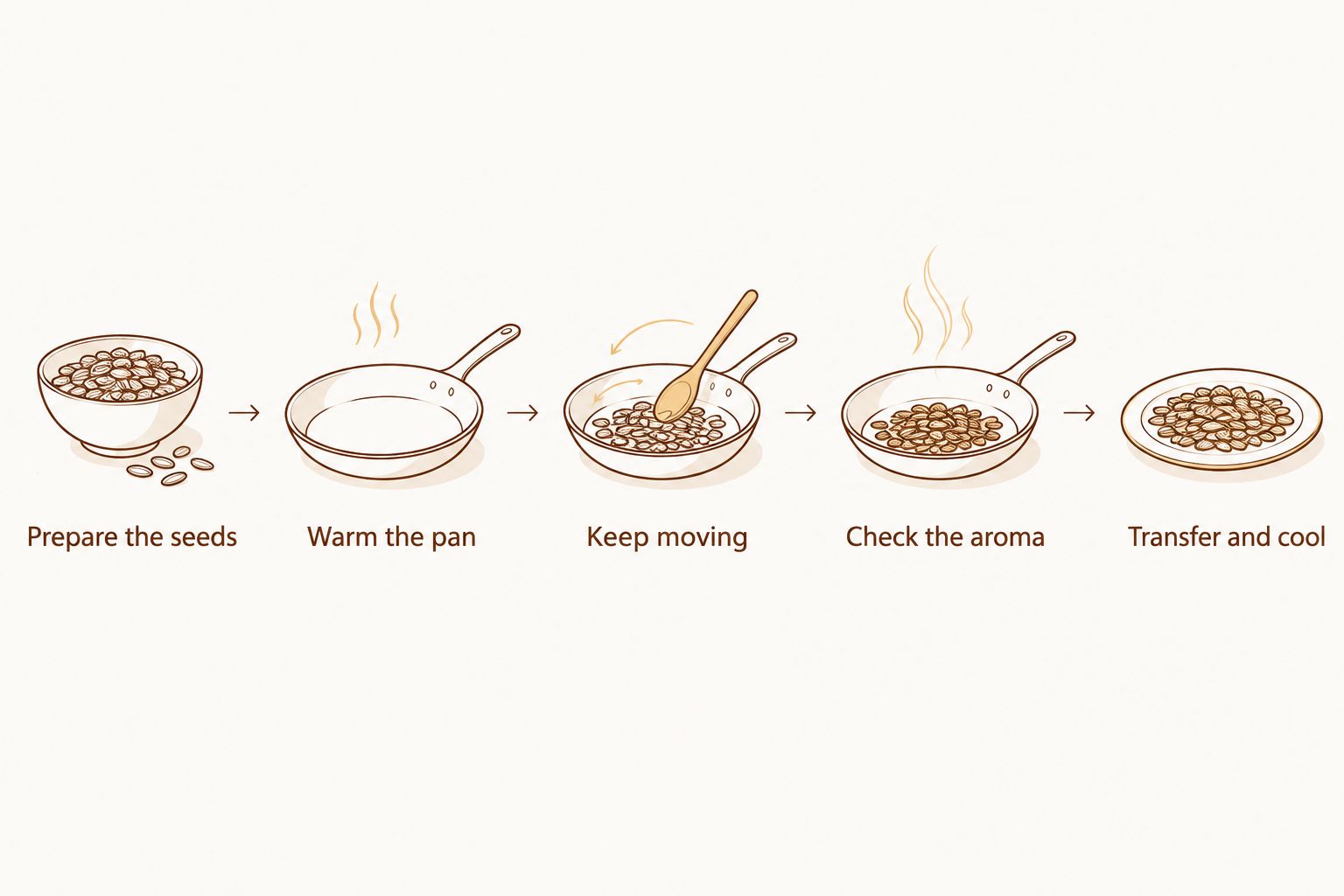
The pan retains heat after you turn off the burner. Leaving toasted fennel in it extends the cooking and makes the result harder to control. The waiting plate is part of the method, not an optional tidy-up step.
If the seeds smell acrid or show scorched patches, start again. Grinding burnt fennel does not remove its bitterness. It simply spreads that flavor more evenly through the dish.
Should you toast fennel before or after grinding?
Toast fennel whole, then cool it and grind it. Whole seeds are easier to move around the pan and inspect than powder. Ground fennel heats quickly and is harder to dry-toast evenly.
If you already have ground fennel, use the recipe's cooking method rather than trying to recreate a whole-seed toast. Stir it into the dish where instructed, and watch closely if it goes into hot fat. Powder and intact seeds do not behave the same way against a hot pan.
For everyday cooking in 2026, toast only the fennel you intend to use. That keeps preparation tied to the meal and avoids turning your entire jar into a single flavor choice.
When should you leave fennel seeds untoasted?
Leave fennel untoasted when the recipe calls for seeds directly, when you prefer their sweet anise-like character, or when another cooking step already suits the dish. Skipping a dry toast is a deliberate choice, not a shortcut you need to correct.
Bread and savory dough
Untoasted seeds work in bread and savory dough when you want recognizable fennel flavor and little pockets of seed texture. Mix them in as your recipe directs. Crush them first if you want smaller pieces distributed through the dough.
Pre-toasted seeds suit dough when you deliberately want a roasted note. The trade-off is an extra preparation step, not an automatic improvement. Keep the rest of the recipe unchanged when comparing the two approaches so you can identify what the toast contributed.
Braises, beans, and tomato sauces
Untoasted fennel can go into dishes that simmer. The cooking liquid carries its flavor into the dish, while whole seeds retain their presence. Crush the seeds if you want less obvious texture without turning them into powder.
If the recipe begins with fennel in oil, use that step to bloom the spice. A separate dry toast is unnecessary unless the recipe asks for one or you specifically want that additional roasted flavor.
Strained infusions
Untoasted fennel suits an infusion when you want its sweet, anise-like flavor in liquid and plan to remove the seeds. Put the seeds into the liquid, follow your recipe's heating or steeping method, and strain as needed.
Crushing exposes more of the seed, but it also creates smaller particles to strain out. Choose the texture with the finishing step in mind. A finely ground spice is inconvenient when your goal is a clear, seed-free liquid.
Why fennel preparation varies
There is no single correct preparation for every fennel dish. These factors determine whether you should toast, crush, bloom, or infuse:
- Desired flavor: Dry-toasting adds a roasted character; leaving seeds untoasted preserves a different starting flavor.
- Cooking medium: A dry skillet, hot fat, and simmering liquid heat the seeds differently.
- Final texture: Whole seeds remain distinct; crushed seeds give smaller pieces; powder blends in more evenly.
- Remaining cooking: Seeds added at the start of a sauce receive different treatment from seeds sprinkled on finished vegetables.
- Straining needs: Intact seeds are easier to remove from an infusion than fine powder.
- Pan heat: A hot spot can scorch fennel before the rest of the batch is ready.
Before cooking, answer the flavor question first. Then choose the texture and the heating method. That order prevents unnecessary work and makes the result easier to repeat.
For your 2026 recipe notes, record the preparation alongside the ingredient: whole and untoasted, toasted and crushed, or bloomed in oil. Writing only fennel leaves out a decision that changes the finished dish.
Is blooming fennel the same as toasting it?
No. Dry-toasting heats fennel without fat; blooming heats fennel in fat. Both expose the spice to heat, but blooming also incorporates its flavor into the oil or butter that becomes part of the dish.
Blooming is useful when spiced fat starts a sauce, soup, or bean dish. Add the fennel at the point your recipe specifies, keep it moving, and have the next ingredients ready. Do not leave seeds sitting in hot oil while you finish chopping.
Dry-toasting is useful when you want toasted fennel separately: for grinding into a blend, crushing over vegetables, or mixing into another ingredient. You can toast and then bloom, but that is a flavor decision requiring attention, not the standard rule.
The whole-spice bloom and infuse workflow connects these methods to the rest of your cooking sequence.
Do you need to crush whole fennel seeds before cooking?
No. Crush fennel seeds when you want smaller pieces or more exposed surface, not because whole seeds are unusable. Whole seeds suit dishes where their texture belongs. Powder suits dishes where you want the spice spread through each bite without obvious seed pieces.
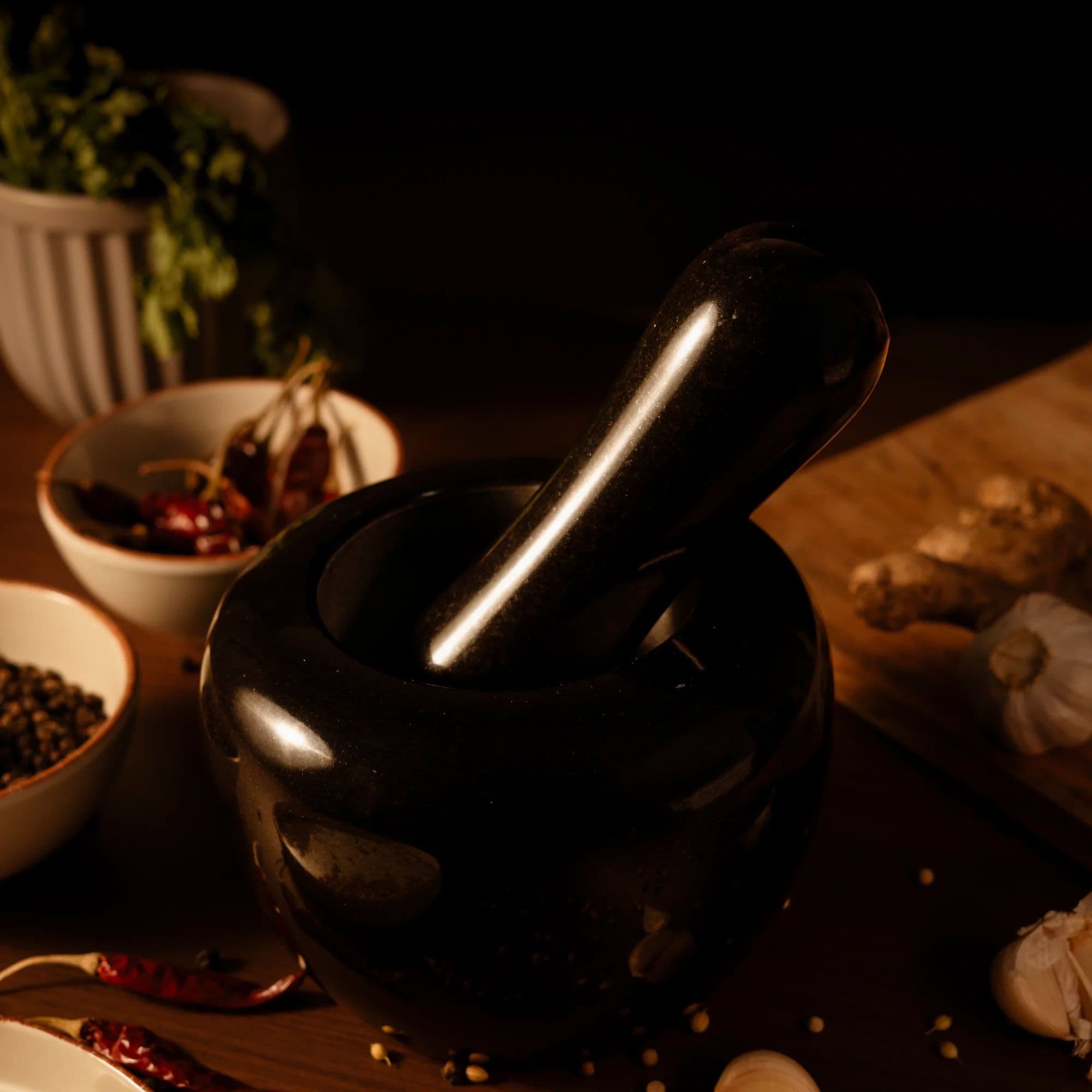
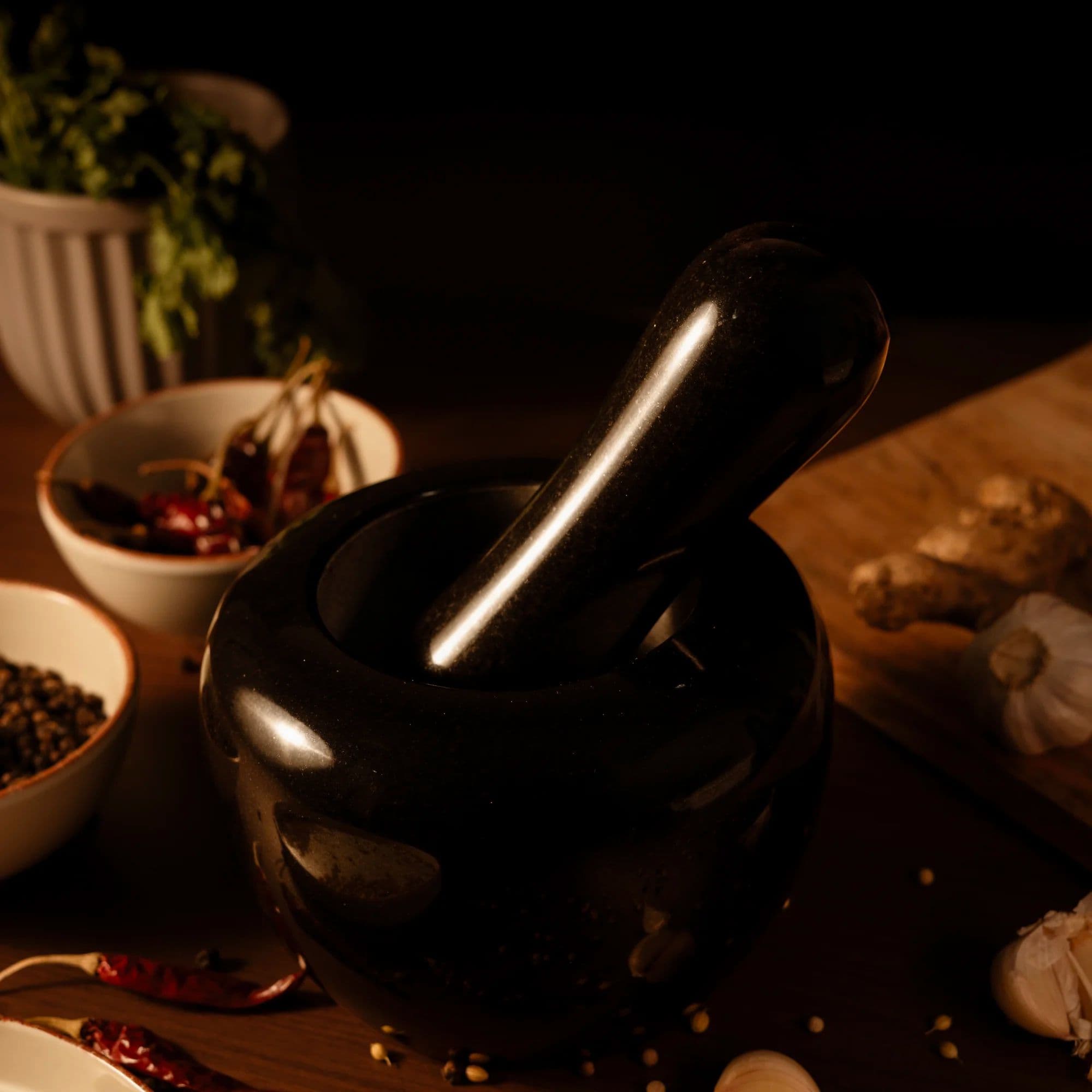
A mortar and pestle lets you stop at a coarse crush. A suitable spice grinder takes the seeds further toward powder. Check the tool's instructions rather than assuming every mill handles every spice.

Decide how fine you need the fennel before starting. Coarse pieces suit a textured topping; finer particles suit a more even seasoning. Grinding everything to powder removes the option of keeping distinct seed pieces.
What should you check before replenishing your spice jar?
For a 2026 pantry refresh, check the aroma before deciding that old fennel simply needs a stronger toast. Crush a little and smell it. Toasting changes flavor, but it does not restore aroma that has already faded.
Look for clear origin information and any stated harvest or packing details when buying whole spices. Keep those facts separate from assumptions: an origin name alone does not tell you how a particular jar was handled after packing.
What makes 5Senses Emerald Fennel distinctive?
5Senses Emerald Gourmet Sweet Fennel (Grade A) is best for cooks who want bright, crisp sweetness with deep anise and a cooling menthol finish. Sourced from the Aravalli Valleys in Rajasthan's Sirohi District, this single-origin whole fennel puts sweetness at the front of its flavor profile, rather than treating fennel as just a background seasoning.
Its preparation matters. The seeds are slowly shade-dried, shielded from direct sunlight to preserve their emerald color and essential oils, then machine-cleaned to remove dust and hollow seeds. The 5Senses product description highlights high essential oil content and unusually strong aroma: concrete reasons to choose this fennel when you want the spice to stand out.
Start with a little crushed, untoasted Emerald Fennel when you want to taste that sweet character in bread, sauces, or a strained infusion. Dry-toast it only when you want a warmer, roasted note. Toasting is not needed to give this fennel sweetness; it changes the flavor you already have.
FAQ
Do whole fennel seeds need toasting before cooking?
No, whole fennel seeds do not need toasting before cooking. Dry-toast them for a roasted flavor, or use them untoasted when the recipe cooks them in dough, fat, or liquid.
Can I put whole fennel seeds straight into a sauce?
Yes, whole fennel seeds can go straight into a sauce when the recipe calls for them. Crush them first if you want smaller pieces rather than distinct seeds in the finished dish.
Should I wash fennel seeds before dry-toasting them?
Washing is not part of the usual dry-toasting method for packaged culinary fennel seeds. Follow any preparation instructions on the package; wet seeds need drying before they can dry-toast.
How do I know when fennel seeds are toasted?
Fennel seeds are ready when their aroma becomes clear and they show a slight color change without scorching. Transfer them out of the pan promptly rather than waiting for deep browning.
Is toasted fennel better than untoasted fennel?
Toasted fennel is better for a roasted flavor, while untoasted fennel suits a sweeter, anise-like starting character. Neither preparation is better for every dish.
Can I grind fennel seeds without toasting them?
Yes, you can grind fennel seeds without toasting them. Grinding changes particle size; toasting is a separate choice about flavor.
Can I dry-toast fennel and then add it to oil?
Yes, you can dry-toast fennel and then add it to oil. Watch the second heating step closely, because already-toasted seeds can scorch if left in hot fat.
Does toasting make stale fennel fresh again?
No, toasting does not make stale fennel fresh again. Check the aroma of a crushed seed before cooking, and replace fennel that no longer contributes useful flavor.
One last thing
Make your next fennel dish a simple comparison. Keep some seeds untoasted and dry-toast the rest, then crush each separately. Smell them side by side before deciding which character belongs in the meal.
That is a more useful 2026 cooking habit than automatically reaching for a skillet. The right question is not whether fennel must be toasted. It is whether you want your dish to taste toasted.