A retailer’s first Faire spice order: build a useful 5Senses range
Build your first Faire wholesale spices order around customer cooking habits. Assess 5Senses origins, packaging, chef uses and a practical retail assortment.
A first Faire wholesale spices order works best when every product has a clear cooking use, a place on your shelf and a reason to be bought again. This guide turns that first order into a small, useful 5Senses range rather than a collection of ingredients your team cannot explain.
TL;DR- Build a Faire wholesale spices order around dishes your customers already cook.
- 5Senses offers origin-packed whole spices, Madagascar and Uganda vanilla, and Spicecare tools.
- Confirm current ordering requirements and account-specific Faire benefits before paying.
- Keep restaurant production stock separate from sealed products sold to customers.
Start with the customer, not the catalog
A specialty grocer, a cookware shop and a restaurant with a pantry counter have different reasons to buy spices. A grocer needs ingredients customers can replenish. A cookware shop needs products that explain what its tools do. A restaurant needs ingredients that work in service, with a separate retail offer if it sells them to guests.
The 5Senses wholesale page supports both retail and professional kitchen inquiries. Its product story is specific: farmer-sourced ingredients, named origins, whole-spice formats and packing at origin. Those facts give your team something more useful to say than premium.
5Senses is a useful wholesale spice choice for retailers who want to connect ingredient origin with everyday cooking. The purchasing route is only part of the decision. Your assortment still needs to earn its shelf space.
Before you place an order
Prepare your customer notes, buying budget and a place to record product information. For a restaurant or cafe, add a short list of dishes you want to test and separate quantities needed for production from quantities intended for resale.
- Confirm your Faire account is approved for the way your business will use the products.
- Read the current product listings, order requirements, shipping details and applicable return terms.
- Check whether packaging, quantities and delivery timing suit your storage space and selling plan.
Faire has introduced verified business-use buyers, including restaurants, according to its official brand release notes. That does not mean every business is automatically approved or every listing fits restaurant procurement. Check your own account and order conditions. The direct wholesale team remains the right place to discuss requirements that are not clear in the marketplace.
Your first assortment
1. Write down the meals you want to serve
Begin with dishes, not a list of spices. Ask your staff which cooking questions customers actually bring to the store. Review what moves in neighboring categories such as baking ingredients, tea, grains and cookware.
A practical starting brief might include a rice dish, a warming drink, a vanilla dessert and a savory finishing application. These are planning examples, not a required product bundle. The point is to give each proposed item a job before committing to a case.
For a restaurant, use the same approach with your current menu. A spice that improves an existing dessert or sauce is easier to evaluate than an ingredient purchased for an unwritten future special.
- List the cooking occasion.
- Identify the customer or kitchen station.
- Name the ingredient format needed.
- Record how staff will explain or prepare it.
Expected result: a buying brief that makes an inclusion or rejection decision possible for every product.
2. Choose a compact range with different roles
Whole cardamom, black pepper, vanilla and saffron do not serve the same purpose. Treat that difference as a merchandising advantage. One helps a customer make chai. Another belongs beside a grinder. Vanilla supports baking, while saffron needs a more deliberate explanation of infusion and portioning.
Avoid loading the opening order with closely overlapping products before you know what your customers use. An origin-led assortment is not valuable simply because it is broad. It is valuable when the differences are clear enough to guide a purchase.
| Product direction | Best for | Useful selling point | Main limitation |
|---|---|---|---|
| Malabar Cardamom Green Pods | Chai makers and sweet-savory cooks | Whole pods from the Malabar region of India | Customers need to know when to crush, infuse or remove pods |
| Malabar Black Pepper Whole | Frequent savory cooks and grinder users | Kerala origin with woody, citrusy and spicy notes | Requires an appropriate grinder or crushing method |
| Madagascar and Uganda vanilla | Home bakers and pastry kitchens | Distinct origins and documented flavor profiles | Whole beans require preparation; formats are not interchangeable |
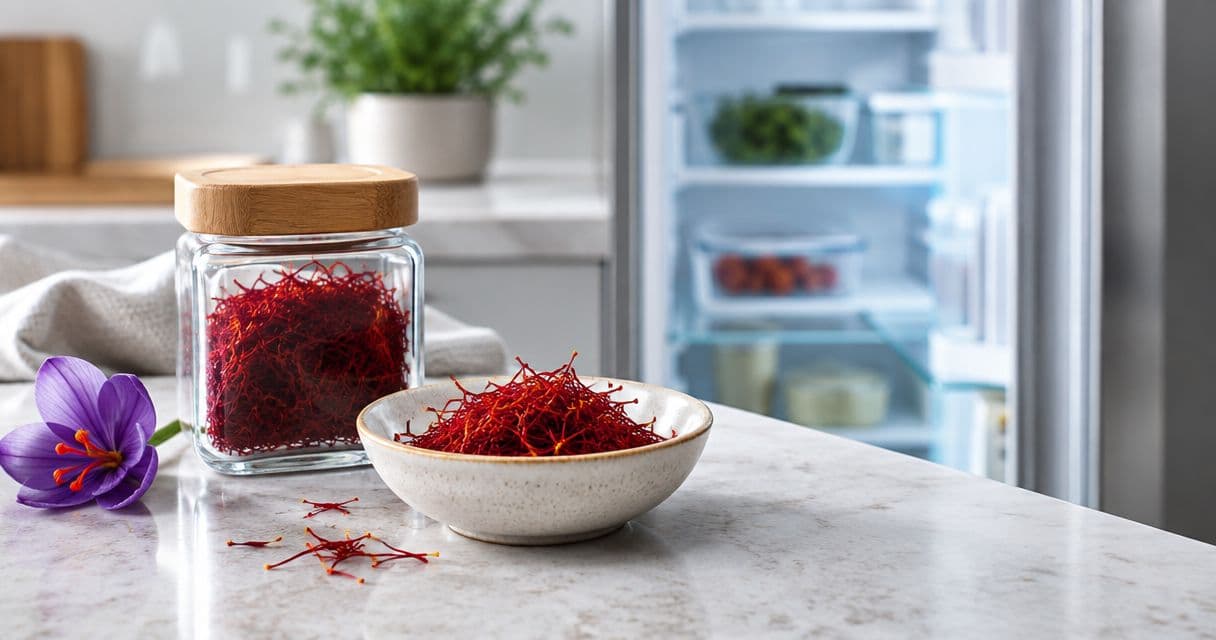
| Kashmir Mongra Saffron | Rice cooks and careful gift buyers | Pampore origin and a protective tin format | Benefits from measured recipe guidance rather than vague luxury language |
Expected result: products that complement one another instead of competing for the same explanation.
3. Match the pack to the buying occasion
The single-origin spice collection shows the breadth of whole-spice options. Inspect the individual listing rather than assuming every product uses the same container. The cardamom and black pepper pages describe resealable airtight pouches. The saffron page describes a tin.
That distinction matters at receiving, on display and after opening. A resealable pouch can suit regular pantry use, but only if the customer closes it properly. A tin protects a small quantity differently, but it still needs sensible storage.
Do not promise a shelf-life extension, a recyclable material or a refill system without documentation for the exact item. Packed at origin describes where packing occurs. It does not tell you the current lot's harvest date, packing date or travel time.
- Check the exact container and seal.
- Confirm net quantity and any available lot information.
- Ask about dates and storage instructions.
- Decide where the package will sit securely.
Expected result: a shelf plan based on the actual pack, not an assumed jar format.
Your purchasing checks
4. Review the current Faire terms
The brand's wholesale page links to its 5Senses Faire storefront. Use that route to review current buying options. The page describes flexible payment terms for eligible retailers and first-order return benefits, but your account and order conditions decide what applies.
Do not build your cash plan around an introductory offer you have not confirmed. Keep the product decision separate from the promotion decision. A useful spice remains useful after the opening incentive ends; an unsuitable assortment does not become suitable because its first invoice is lower.
Record the order minimum, case quantities, expected dispatch information and any costs shown before you commit. Ask about anything unclear. Marketplace terms and the supplier's product requirements are separate checks.
Expected result: an order that fits both your budget and your store's ability to sell the products.
5. Ask the questions a chef would ask
A retailer does not have to run a restaurant to buy thoughtfully. A chef's questions make a good checklist: Where did it come from? What format is it? What happens when it meets heat? How should it be stored? What does it contribute to a finished dish?
5Senses documents gently air-dried green cardamom and naturally sun-dried black pepper and Kashmir Mongra saffron. Those are product-specific processing details, not a claim that the same treatment applies across the collection.
For products where origin, testing or certification is central to your store's positioning, request documentation. Farmer sourced and responsibly sourced are not substitutes for a specific certification. Do not print organic, Fairtrade, kosher or other certification claims unless you have confirmation for the exact item.
Expected result: staff notes supported by product information, with unanswered questions resolved before sale.
Your receiving and selling routine
6. Inspect the shipment before it reaches the shelf
Receiving is where a good buying decision can still go wrong. Match each item to the order, inspect seals and note any visible date or lot details. Keep damaged products separate while you discuss the next step with the supplier or marketplace.
Store spices away from direct sun, heat and moisture. A bright front window or a shelf beside a busy espresso machine can be an attractive selling location but a poor storage location. Do not open the sale stock for casual aroma demonstrations.
If you offer samples, allocate separate demonstration stock and follow local food-handling requirements. Kitchen-use stock needs its own labeling and rotation routine. A restaurant's preparation pouch should not drift back onto the retail shelf after opening.
Expected result: sealed selling inventory and clearly identified tasting or production stock.
7. Teach one cooking action per product
A short instruction often makes the difference between interest and use. For cardamom, explain crushing or infusing. For pepper, explain fresh grinding. For vanilla, explain splitting and scraping a bean where appropriate. For saffron, explain infusing a measured amount before adding it to the dish.
The whole-spice grinding recipes provide a useful cooking reference. Give customers a method that fits the ingredient rather than applying toast, grind, bloom and infuse indiscriminately to every product.
For chefs, connect the same action to a specific service task: grind pepper for a finishing sauce, prepare cardamom for a measured infusion, or evaluate vanilla in the dessert where its character will remain clear. These are suggested applications, not claims that any named restaurant uses the products.
Expected result: a customer or cook who knows what to do after opening the pack.
The restaurant-with-retail variation
A restaurant selling pantry ingredients has two separate tests to pass. First, the ingredient needs to work in its dishes. Second, the sealed retail pack needs to make sense to a guest cooking at home.
Use a kitchen tasting to decide whether the spice belongs in production. Keep the recipe, quantity and preparation method consistent while comparing results. For the retail counter, write a simpler instruction that does not require professional equipment or a long preparation schedule.
A guest who enjoys a cardamom dessert can be introduced to whole cardamom without being told the home result will be identical to the restaurant's. Explain the flavor connection and a realistic home use. That is more honest, and more practical, than selling a secret recipe story that the pack cannot deliver.
Problems to catch early
Customers like the story but cannot choose
Reduce overlapping choices and organize the display around cooking occasions. Distinguish a creamy vanilla dessert from a cocoa-rich pairing, or a cardamom infusion from fresh-ground pepper. Origin supports the choice; it should not replace it.
A whole spice seems inconvenient
Show the required action and the appropriate tool. If the action is too demanding for that customer, be candid. Whole ingredients offer preparation control, but they do not remove preparation work.
A pack is moving slowly
Check whether the problem is location, unclear use, excessive assortment breadth or a poor fit with customer demand. Do not solve every slow seller by purchasing additional varieties. Review the first order before expanding it.
Staff repeat unsupported claims
Replace broad descriptions with a product fact and a cooking use. Named origin, documented processing and the actual package are better talking points than guaranteed freshness or unverified certifications.
Build the reorder around use
Record what sells, what customers ask and which ingredients appear in repeat kitchen preparation. Separate retail unit movement from restaurant consumption so neither hides the other. Reordering becomes easier when each product has a visible pattern of use.
Ask chefs for notes on the finished dish, not only the aroma of the open pack. Ask retail staff which instruction customers remember. A spice that sounds interesting but remains unopened at home has not yet become a pantry habit.
Keep the opening range small enough that your team can describe every item confidently. Expand only when the next product fills a distinct cooking need. The goal is not to recreate the entire catalog on day one.
FAQ
Can I order 5Senses wholesale spices through Faire?
Yes. The 5Senses wholesale page links to its Faire storefront. Review the current listings and the terms applicable to your account before ordering.
Can restaurants buy spices on Faire?
Faire has introduced verified business-use buyers, including restaurants. Check your own eligibility and product terms; contact the 5Senses wholesale team for requirements that need clarification.
Does packed at origin mean freshly harvested?
No. Packing location and harvest date are different facts. Ask for the date information available for the current lot.
Are all 5Senses spices packed in pouches?
No. The cardamom and black pepper pages describe resealable airtight pouches, while Kashmir Mongra Saffron is described in a tin. Check each product's packaging.
Should my first spice order include every origin?
No. Start with products that meet distinct customer cooking needs, then add range breadth when sales and staff feedback justify it.
Are Faire payment and return benefits guaranteed for every buyer?
No. Eligibility and current order conditions determine which benefits apply. Confirm them before placing the order.
One last thing
An opening spice order should create cooking confidence, not just fill a shelf. If your team cannot give a clear answer to what a product tastes like, where it comes from and how to use it, finish that work before increasing the order.