Toast, grind, bloom, infuse: a whole-spice workflow for restaurant menus
Use whole spices for restaurants with a clear toast, grind, bloom or infuse workflow. Explore 5Senses origins, measured recipe tests and practical chef methods.
Instead of treating every spice as a powder added at the end, build a restaurant workflow that chooses the right action for each ingredient: toast, grind, bloom or infuse. Whole spices for restaurants offer control over preparation, texture and aromatic expression when the method is matched to the dish.
TL;DR- Whole spices for restaurants need a preparation method, not just a purchasing decision.
- 5Senses pairs named spice origins with documented whole formats and origin packing.
- Toast, grind, bloom and infuse are different actions; not every ingredient needs all four.
- Measure the recipe and taste the finished dish before changing production orders.
Why technique matters as much as sourcing
An aromatic ingredient can disappear in a dish when it is added at the wrong stage, stored beside steam or prepared inconsistently. Buying whole spices gives a chef choices, but those choices need a defined routine. Otherwise each cook makes a different decision during service.
The 5Senses wholesale page invites chefs, bakers and specialty retailers to explore single-origin whole spices and vanilla packed at origin. That is a useful sourcing starting point. The kitchen's responsibility is to connect the product with a method that suits its own menu.
5Senses whole spices suit chefs who want named origins and hands-on control over how aroma enters a dish. Whole formats are not a shortcut for every kitchen. They add preparation, and the result must justify that work.
Before you start
Choose one existing dish rather than rewriting the menu. Gather the current recipe, the proposed whole ingredient, suitable equipment and a clean place to record the test. A neutral comparison is more useful than several simultaneous changes.
- Keep the base recipe, serving temperature and other ingredients consistent.
- Check the product's origin, format and storage guidance before opening it.
- Do not treat strong pack aroma as a food-safety test or proof of how the ingredient will taste after cooking.
Reserve stock belongs away from heat and moisture. Measure a working quantity with clean, dry tools. Follow your kitchen's food-safety procedures for prepared infusions, cooked samples and any reuse of ingredients.
The method map
| Action | Best for | What you control | Main limitation |
|---|---|---|---|
| Toast | Suitable dry whole seeds before selected grinding or cooking applications | Roasted character and the preparation endpoint | Excess heat produces scorched bitterness |
| Grind | Pepper and suitable spice seeds needed as a powder or coarse finish | Particle size and timing of preparation | Uneven grinding changes texture and extraction |
| Bloom | Suitable spices introduced to a recipe's fat | Early integration of spice character into the dish | Hot fat can scorch spices quickly |
| Infuse | Cardamom, vanilla or saffron in a compatible liquid | Contact time, dose and removal or straining | An extended infusion can overpower a delicate base |
These are cooking routes, not a compulsory sequence. Vanilla beans and saffron should not be sent through a seed-toasting routine just because the kitchen is adopting whole spices. Match the action to the ingredient.
Your recipe test
1. Define the flavor job
Start by naming what the spice should contribute. A pepper finish might need heat with woody and citrusy notes. A cardamom dessert might need a floral lift. A saffron rice dish might need its distinctive aroma without losing the character of the grain.
Write that intention into the test sheet. Then decide how you will judge it in the finished dish. Aroma above the pan is not the same as balance at the table, particularly when the dish is held before service.
Malabar Black Pepper Whole is documented with Kerala origins, natural sun-drying and woody, citrusy, spicy and subtly sweet taste notes. Use those notes as a tasting vocabulary, not a guarantee that every diner will name the same sensations.
- Choose the target dish.
- Name the spice's intended contribution.
- Decide whether texture should be visible or smooth.
- Identify when the dish will be tasted.
Expected result: a test with a defined purpose instead of an open-ended search for more flavor.
2. Set up a controlled comparison
Prepare the recipe using the current method and the proposed method while keeping the rest stable. If you change the spice dose, grinding method and fat at the same time, you cannot tell which change produced the result.
For a pepper sauce, compare a consistent measured amount with the same grind approach across repeated tests. For a cardamom infusion, hold the liquid and preparation method constant while checking the endpoint. For saffron, measure deliberately rather than relying on an inconsistent pinch.
Taste at the serving temperature and after the hold your actual service requires. A dish that is appealing immediately after preparation but unbalanced later has not passed the production test.
Expected result: usable notes about the ingredient in your menu, not an unsupported claim of universal improvement.
Dry-spice preparation
3. Toast only where the recipe benefits
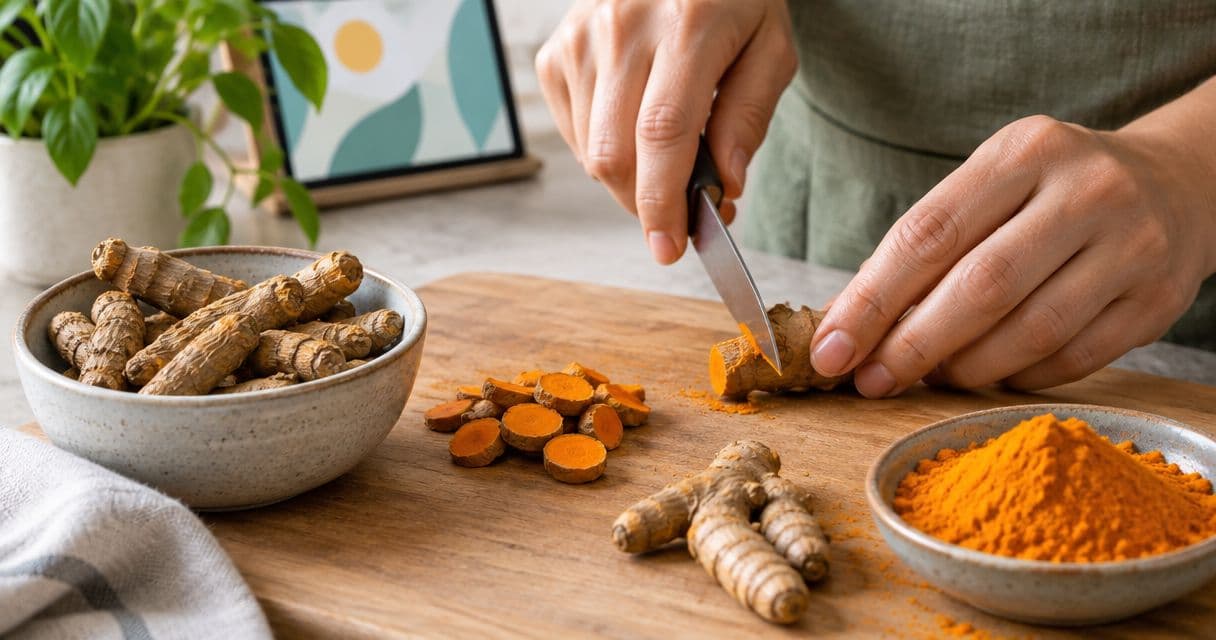
Dry toasting can bring a roasted dimension to suitable whole seeds. Use a dry pan, controlled heat and constant attention. Watch and smell the ingredient rather than following a universal time that ignores pan size, batch depth and seed type.
Stop when the recipe's intended aroma develops, before dark scorching or smoke signals that you have gone too far. Transfer the spice away from the hot pan so residual heat does not keep changing it. Cool it before grinding if the next step requires a dry powder.
The whole-spice toasting recipes offer a cooking reference. In a restaurant, the production version still needs your own endpoint and batch description. A vague instruction to toast until done leaves too much to chance.
- Use a suitable seed and recipe.
- Keep the batch manageable.
- Monitor aroma and color continuously.
- Transfer off the heat at the chosen endpoint.
Expected result: a repeatable roasted character without scorched notes.
4. Grind to suit the eating experience
A coarse pepper finish, a fine seasoning and a crushed infusion ingredient should not share the same grind instruction. Specify the texture in the recipe. Give cooks a reference sample or an appropriate equipment setting where available.
For green cardamom, decide whether the dish needs cracked pods for an infusion or seeds prepared for a fine mix. A pod husk left in a smooth dessert creates a different eating experience from a strained infusion. The chef should make that decision before service.
Prepare only the quantity needed for the defined workflow. Grinding increases exposed surface area, which is why storage and timing matter. A large open bowl of ground spices is not automatically an improvement over your former method.
Expected result: the spice's texture supports the dish rather than becoming an accidental distraction.
Wet cooking and infusion
5. Bloom suitable spices without scorching
Blooming brings suitable spices into contact with a recipe's fat before the rest of the dish is built. The fat, temperature, spice format and next ingredient all matter. Have the next step ready before the spices enter the pan.
Use the recipe's method rather than assuming hotter is better. Ground spices and small particles can scorch quickly. If the batch becomes acrid or burned, start that stage again instead of hiding the fault under additional ingredients.
For a retailer explaining this technique, the useful point is simple: the spice is prepared as part of the cooking process, not sprinkled onto everything indiscriminately. A chef demonstration can show that principle without claiming one method is best for all cuisines.
- Prepare the recipe's next ingredients.
- Heat the specified fat with control.
- Add the suitable spice format.
- Continue at the intended aromatic endpoint.
Expected result: integrated spice character without burned bitterness.
6. Infuse delicate ingredients deliberately
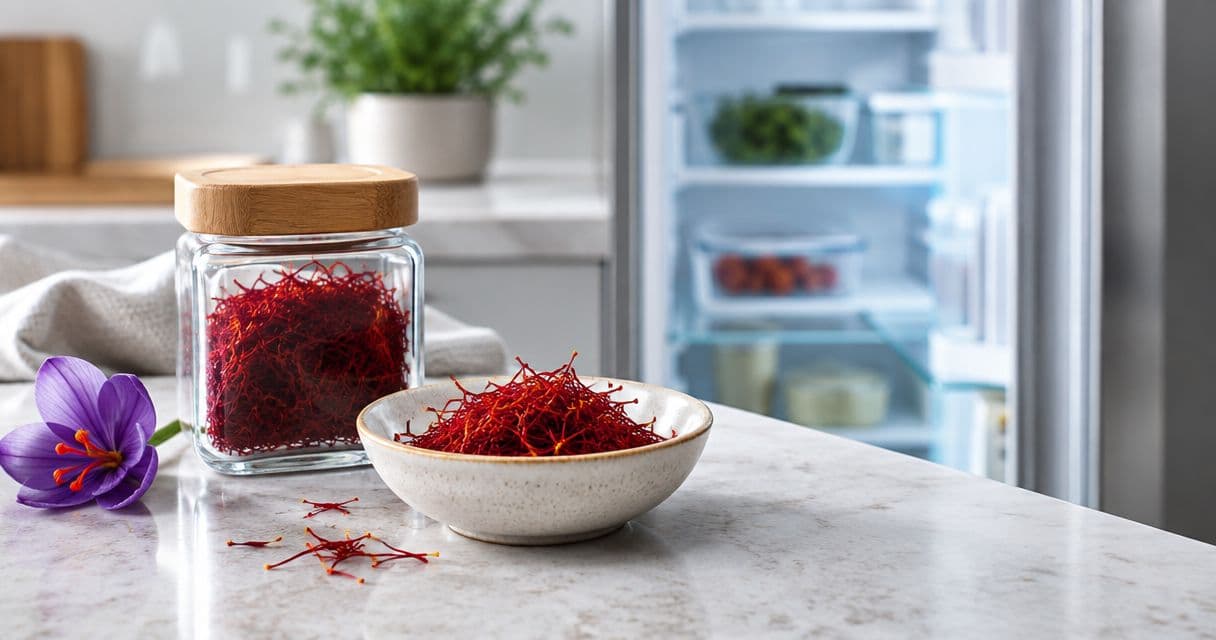
Infusion is useful when you want flavor from a whole ingredient without leaving all of its structure in the finished dish. Cardamom can be crushed before contact with a compatible liquid. Vanilla can be split and scraped, with the pod used where the recipe calls for it. Saffron can be infused according to a tested recipe.
Keep the dose, liquid and endpoint visible in your production notes. A concentrated infusion is not an opportunity to stop measuring. Its strength has to remain consistent if it becomes part of a larger batch.
The whole-spice infusion recipes provide additional applications. Follow product-specific preparation and your kitchen's safe handling procedures rather than assuming an infusion can be stored indefinitely.
Expected result: an aromatic base with a defined flavor level and a clear removal or straining instruction.
Bring the method into service
7. Write the production instruction
A successful tasting is not yet a service routine. Turn the test into instructions that another cook can follow: the exact ingredient, measured quantity, texture, cooking endpoint and any removal or straining step. Add how the preparation is labeled and held.
Keep the origin information with purchasing and receiving records. The recipe does not need a long sourcing essay, but it does need to distinguish the product the chef approved from a different format ordered later.
Schedule the preparation where it fits the kitchen. Fresh grinding for a finish can belong near service; other tasks belong in mise en place. Avoid adding an unplanned labor step to a crowded station and expecting the same result every night.
Expected result: a preparation method that survives the move from development to a real shift.
A pastry and cafe variation
Pastry kitchens often need a smooth result, so infusion and careful grinding are especially relevant. Cardamom can be tested in a dairy or plant-based recipe base, with the whole recipe's ingredients and handling requirements considered. Vanilla can be tested in a custard or chocolate preparation to see whether its origin profile remains noticeable.
A cafe might evaluate a measured cardamom infusion in a drink while using the same ingredient story on a sealed retail pack. Keep production supply separate from the counter's sale stock. A drink recipe does not establish that every customer should use the same quantity at home.
Saffron offers a different test: use a recipe where its character is intentional rather than decorative. A visible thread is not a substitute for flavor balance. Judge the finished portion, not only its color.
Troubleshooting the flavor result
The dish tastes bitter
Check for scorching, excessive concentration or an extended extraction before blaming the ingredient. Review the preparation endpoint and repeat the test with one change. Do not repair burned spice by adding more of it.
The aroma is noticeable in prep but absent at service
Review when the spice enters the dish, how long the dish is held and whether other flavors obscure it. Taste at the actual service stage. The solution can be a different method rather than a larger dose.
The result varies by cook
Specify grind texture, measured quantity and endpoint. An instruction such as a handful or a quick toast leaves important decisions undefined. Use a consistent reference the team can recognize.
A smooth dish contains unpleasant fragments
Review pod husks, coarse particles and the straining step. Whole ingredients create choices about texture, but those choices must be intentional. An infusion can be preferable to grinding the entire ingredient for a particular dish.
Connect the kitchen lesson with retail
Retailers can translate a chef's technique into a useful shelf instruction. Choose one action and one accessible dish, then let the origin information support that application. Fresh-ground pepper, crushed cardamom and a saffron infusion need different explanations.
5Senses offers both wholesale inquiries and a Faire route for buyers. Verify current account eligibility and terms rather than assuming every kitchen order follows the same conditions. Discuss professional quantities and documentation with the wholesale team where needed.
The strongest retail message is not that chefs know a secret. It is that customers can make an intentional preparation choice with the ingredient in their hand. That is a practical bridge between professional cooking and the home pantry.
FAQ
Do whole spices improve every restaurant dish?
No. Whole spices give you preparation choices, but the right format depends on the recipe, texture and service workflow. Test the finished dish before changing production.
Should every whole spice be toasted?
No. Toast suitable seeds when the recipe benefits; ingredients such as vanilla and saffron need their own preparation methods.
What is the difference between toasting and blooming?
Toasting uses dry heat for suitable spices, while blooming brings suitable spices into contact with a recipe's fat. Both require attention to avoid scorching.
Can I grind cardamom pods straight into a dessert?
Decide whether the recipe needs seeds, cracked pods or a strained infusion. Pod husks and coarse particles can be unsuitable for a smooth dessert.
How do chefs evaluate 5Senses whole spices?
Start with documented origin and format, then test a measured preparation in the intended dish. Taste at the actual serving temperature and hold stage.
Can a restaurant sell the spices it uses?
A restaurant can explore a separate pantry retail offer subject to its business and local requirements. Keep sealed sale stock separate from opened kitchen supply.
One last thing
The useful upgrade is not simply whole instead of ground; it is a preparation decision your cooks can repeat. Choose the ingredient, define the method and judge the plate.