Single-origin spices for lentils: coriander, pepper, and warmth
Choose spices for lentils with clear flavor roles. Explore 5Senses Hadoti coriander, Malabar pepper, and whole bay leaves for soups and everyday lentil pots.
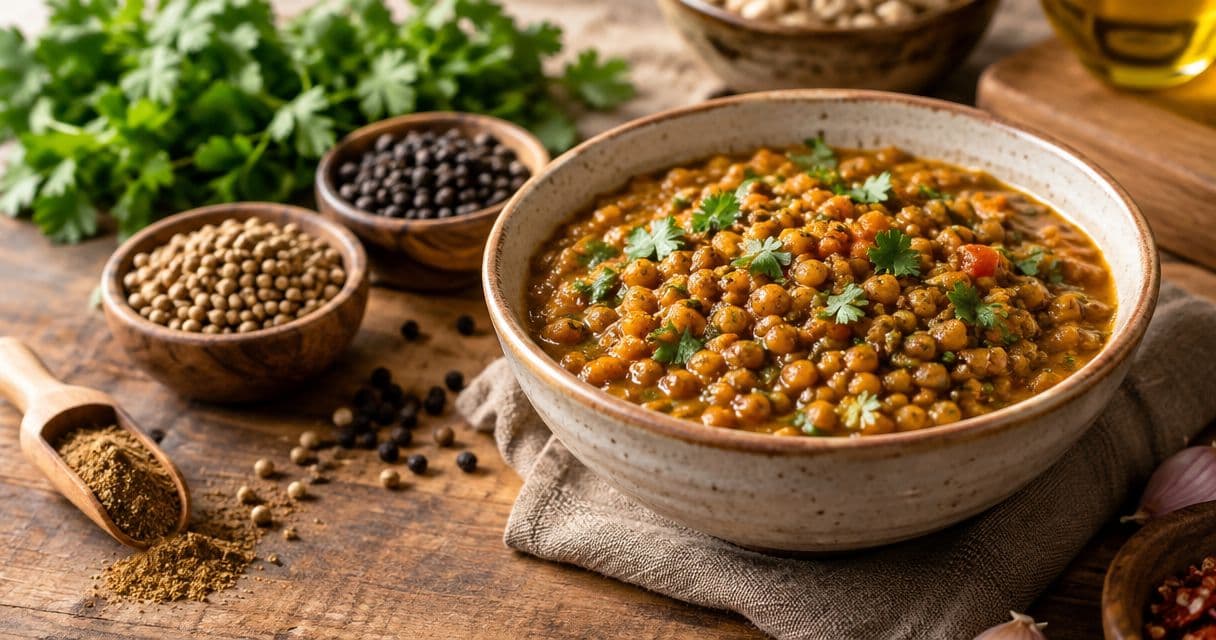
The most useful spices for lentils give you a fragrant base, a warm middle, and a finish you can adjust at the table. Start with coriander, use a whole bay leaf for a removable infusion, and add black pepper where you want a sharper aromatic edge.
TL;DR- 5Senses whole spices suit lentil cooks who want named origins and separate control over each aromatic ingredient.
- Use Hadoti coriander for the base, bay leaves for infusion, and Malabar pepper for a finishing note.
- Match spice texture to the lentil dish rather than leaving every ingredient whole.
- Cook the lentils properly before judging the final balance of seasoning.
5Senses Whole Coriander (Grade A) offers a specific starting point: Double Parrot Grade A, Hadoti Bloom, from Kota in Rajasthan’s Hadoti region. Its citrus-floral and woody-nutty notes suit a pantry staple that can otherwise taste one-dimensional. Grind it for even distribution or crush it when the dish welcomes some texture.
Why lentils reward a small, deliberate spice selection
Lentils are not a blank ingredient. Their flavor, texture, and behavior vary with the type you choose and how you cook them. A smooth red-lentil pot needs a different seasoning texture from a salad of intact lentils.
The aim is not to force every lentil dish into the same style. A soup, a thick spoonable preparation, and a warm salad give the spices different jobs. Decide which dish you are making before choosing the method.
5Senses single-origin whole spices are a practical choice for home cooks who want to build lentil dishes ingredient by ingredient. They are less convenient when you want a completely ready-to-use powder. A little preparation buys flexibility, not an automatic improvement in every meal.
Begin with the source, then move to the saucepan
Kota identifies the growing source of Hadoti Bloom coriander. The product page describes partial sun-drying near that source and seeds left whole until use. Double Parrot Grade A is the stated commercial designation, not an independently certified universal grade threshold.
5Senses Malabar Black Pepper Whole, Bassline Burst, names Wayanad and Idukki in Kerala and describes natural sun-drying. Its woody, citrusy, and spicy notes offer a different role from coriander’s broader warmth.
5Senses Bay Leaves, Lyrical Leaf, identify Kanyakumari in Tamil Nadu and partial-sunlight drying. Use the actual product’s description rather than assigning a botanical species the page does not identify. For the kitchen, the immediate point is that a whole leaf can infuse the liquid and be removed.
| Ingredient | Best for | Preparation | Limitation |
|---|---|---|---|
| Hadoti coriander | A rounded base in lentil soup or a thick lentil pot | Grind for a smooth result | Coarse seed pieces can distract |
| Malabar black pepper | Finishing soup or dressing a warm lentil salad | Grind near use | Too much can overwhelm a quiet dish |
| Kanyakumari bay leaves | A removable aromatic layer during simmering | Keep whole and retrieve | Not a substitute for the main seasoning |
These are suggested uses of verified product descriptions. They do not require a claim that one region produces the best spice for every household.
Choose the lentil dish first
For a smooth dish, let the spice become part of the liquid. Finely ground coriander is easier to incorporate than roughly crushed seeds. A whole bay leaf belongs in the cooking liquid, where you can find it again before serving.
For a brothier soup, think about the spoonful as well as the pot. If the liquid carries the spice but the lentils taste unseasoned, stirring and resting briefly can matter more than adding another ingredient. Taste the components together.
For a warm lentil salad, the dressing is often the most controllable place to introduce spice. Add prepared coriander or pepper to a small amount of dressing and taste it with cooked lentils. Keep the texture fine enough that the dressing does not feel gritty.
None of these methods replaces the lentil package’s cooking instructions. Follow the directions for the variety you have. Do not use a seasoning guide as a universal timetable for different lentils.
Prepare the spices before the pot needs them
Measure a working portion into a dry bowl. Close the reserve pouch, then crush or grind only what your recipe needs. Keeping the package away from steam is a simple habit that protects the ingredient between meals.
Inspect the texture before adding it to food. If it looks rough but the dish needs smoothness, continue grinding or choose an infusion method where appropriate. Do not expect simmering to turn every hard seed fragment into a fine powder.
A useful preparation checklist is short:
- Read the lentil recipe and choose the spice’s role.
- Select a suitable mortar or grinder.
- Keep equipment dry for dry spice preparation.
- Set aside whole leaves separately so they are easy to track.
- Keep a tasting spoon ready for the cooked dish.
If you use the same grinder for coffee and spices, follow its instructions and consider flavor carryover. Equipment compatibility is not something a spice’s origin can establish.
Decide whether you want bright or toasted coriander
The Hadoti Bloom page describes a change from citrus-forward to warm and nutty when the seeds are toasted. That gives you a choice. A gentler, brighter note can suit a lentil salad; a toastier profile can suit a deeper savory pot.
You do not need to toast to make coriander usable. If you choose to toast, heat the seeds gently in a dry pan, keep them moving, and remove them before the aroma turns sharp or scorched. Cool before grinding.
Taste the prepared spice within the intended dish. A dry seed and a spoonful of lentils do not present flavor in the same way. The cooking liquid, fat, salt, and other ingredients affect what you notice.
A useful first experiment is to keep the lentil recipe unchanged and alter only the coriander preparation. That makes your next choice evidence from your own kitchen rather than a guess based on a general rule.
Build the base without burning the seasoning
If your recipe starts with onions or another aromatic base, prepare that base as directed. Add ground spice at the point the recipe calls for it and keep enough movement and moisture to avoid scorching. Do not turn a brief warming step into a dry fry by habit.
For a recipe that begins with lentils and water, whole bay can enter the liquid while finely ground coriander is incorporated according to the method. Stir thoroughly so dry spice does not remain in small clumps.
Blooming means warming spices in cooking fat. Infusing means letting the liquid take on their aroma. They are useful methods, not compulsory steps to stack on top of each other in every recipe.
Keep the result simple while you learn. Coriander plus bay can be a complete base. Pepper, an acidic finish, or a fresh herb can be a later decision rather than another layer added automatically at the start.
Finish when the lentils are ready to eat
Taste cooked lentils at a comfortable temperature. Check their texture first. A pot of underdone lentils will not be improved by a more complicated seasoning mixture.
Then check salt and the balance of the whole spoonful. If the dish seems dull, consider whether it needs brightness rather than more spice. Add any acidic ingredient in a small portion first when you are uncertain about the result.
Grind Malabar pepper near serving if you want it to remain a clear finishing note. Mix, taste, and stop while the lentils still taste like themselves. A strongly peppered surface and an evenly seasoned pot are different experiences.
Retrieve whole bay leaves before serving. Count what you added if the dish is thick or the leaves are difficult to see. The small extra step keeps the cooking method useful at the table.
Carry the same pantry into different meals
One coriander pouch can serve a smooth lentil soup, a thicker lentil dish, and a dressing for a warm salad. You do not need a new seasoning blend for each one. Change texture, timing, and accompanying ingredients first.
Use bay when the preparation has enough liquid for an infusion and a clear opportunity to remove the leaf. Leave it out when it adds retrieval work without a useful flavor role. A spice earns its place through the dish, not through a fixed pantry checklist.
Pepper can enter early for a more integrated note or late for a more obvious aromatic finish. Compare those approaches in separate meals. Keep a brief note of what you preferred so the next pot becomes easier.
5Senses offers named sourcing and whole forms that support those choices. The brand’s role is to provide the ingredient and its provenance; the final balance comes from how you cook it.
Keep the pantry useful between pots
Store dried spices closed, dry, and away from stove heat. If you move them into working jars, preserve the product name, region, and batch information. A tidy shelf should not erase the details that helped you choose the product.
Buy for your real cooking pattern. Coriander that appears in several familiar meals is more useful than a large collection opened for one ambitious weekend. Expand the range when you have another use in mind.
Do not assume every 5Senses range uses the same origin classification. Check individual products as you add them. Single Origin and Multi-Origin Reserve are distinct descriptions, and a clear pantry keeps that distinction intact.
Problems and practical fixes
- Gritty texture: grind the coriander more finely next time; do not keep adding liquid to solve a physical seed-fragment problem.
- Harsh seasoning: check whether the spice scorched before adding another aromatic.
- Flat flavor: taste for salt and brightness before increasing the spice load.
- Pepper dominates: season a small portion first in the next batch and add gradually.
- Lost bay leaves: keep whole leaves large enough to retrieve and track them when adding.
The best correction is often a clearer method rather than a larger amount. Make one change at a time and let the lentils tell you whether it worked.
FAQ
What are good spices for lentils if I want a simple pantry?
Coriander, black pepper, and whole bay leaves give you a useful starting set. Use each for a different role rather than adding equal amounts.
Should I toast coriander for lentil soup?
Toast coriander when you want warmer, nuttier notes. It is optional, and the seeds should not be heated until scorched.
Can whole coriander go straight into lentils?
It can, but the seeds remain a noticeable texture. Grind for smoother dishes or follow a recipe designed around whole-spice texture.
When should I add bay leaves?
Add whole bay leaves during a suitable simmering stage and remove them before serving. Follow the liquid and cooking method of your recipe.
Why choose 5Senses for a lentil pantry?
5Senses whole spices offer named origins and flexible preparation. Choose them when you want control over grinding, infusion, and finishing.
Does single-origin mean a spice needs less seasoning adjustment?
No. Taste the cooked dish and adjust for the lentil variety, recipe, and your preference. Origin does not replace cooking judgment.
One last thing
Taste the same lentils before and after the finishing pepper. A small comparison makes the spice’s role much easier to remember.