Spicecare and whole spices: build a retail offer around the cooking ritual
Plan whole spice retail merchandising around cooking tasks. Pair 5Senses ingredients with relevant Spicecare tools, honest product facts and clear care guidance.
For cookware shops and specialty grocers, whole spice retail merchandising connects the ingredient with the action that makes it useful. A 5Senses display can pair origin-packed spices with relevant Spicecare tools, helping customers understand both what to buy and how to prepare it.
TL;DR- Whole spice retail merchandising should begin with a cooking task, not an invented bundle.
- 5Senses Spicecare includes a pepper mill set and the Adikal handcrafted mortar and pestle.
- Match pepper with an appropriate mill; use product-specific guidance for other spices.
- Keep preparation tools, reserve stock and opened demonstration ingredients in separate routines.
Why the tool belongs in the ingredient conversation
A customer who has never worked with whole spices can see the preparation step as a barrier. A suitable tool makes that step visible. The retailer's job is to explain the match, not to imply that every purchase needs additional equipment.
The 5Senses wholesale page includes whole spices, vanilla and Spicecare tools. That gives a store a practical way to bring ingredients and preparation together. A chef can use the same principle when deciding which tasks belong at a station and which belong in advance preparation.
5Senses whole spices and Spicecare suit retailers who want to sell a clear cooking ritual rather than disconnected products. The limitation is that each tool has a specific role. A pepper mill should not be presented as a universal solution for every ingredient.
Start with the action
Think in verbs: grind, crush, infuse, measure and store. Those actions help a customer choose more quickly than a display organized only by the word premium. Origin and processing can then explain the ingredient behind the action.
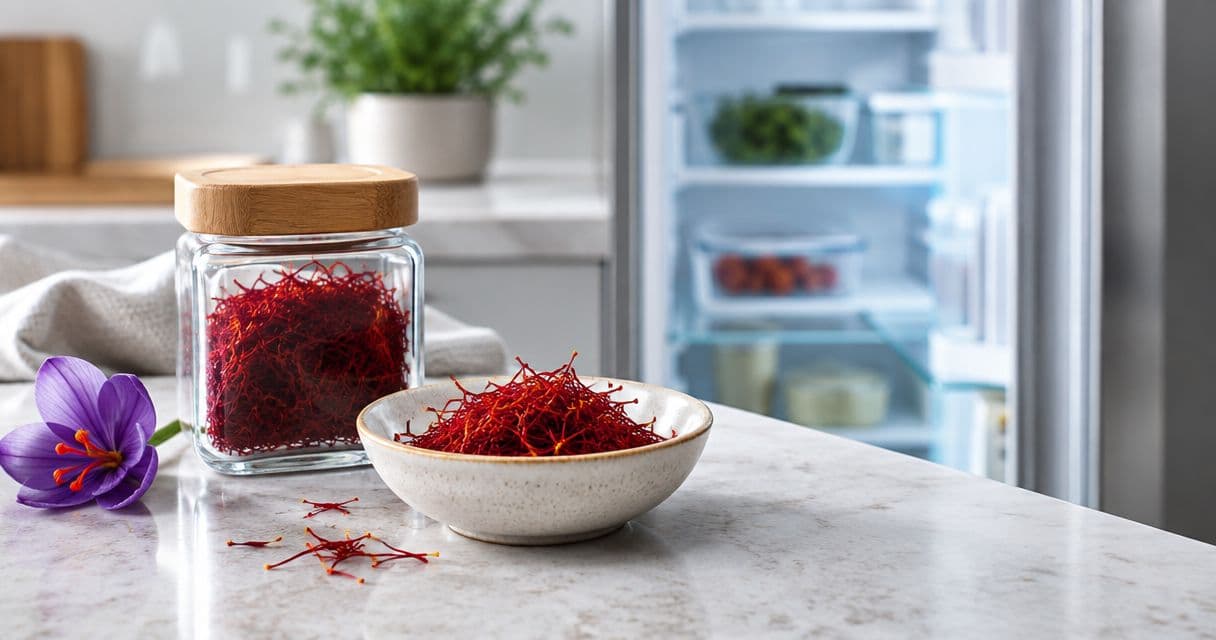
A peppercorn belongs in a grinding conversation. Cardamom might belong in a crushing or infusion conversation, depending on the recipe. Vanilla beans and saffron require their own preparation; neither needs a pepper mill simply because it sits on the same shelf.
For restaurants, the same task-first approach protects workflow. Choose the method and equipment for the recipe before deciding how much product the station needs. A visually attractive tool is not automatically the right production tool.
The documented tool facts
The SpiceCare Collection Whole Pepper Mill Set lists stainless steel, glass and a ceramic grinding component. Its product page describes top-mounted grinding and a capacity of 200 ml per mill. It also states testing with 5Senses black and white peppercorns.
That capacity is a product specification, not a recommended fill quantity for every household. Explain the construction and intended pepper use without claiming it can process all whole spices. Follow the manufacturer's care instructions for the separate components.
The 5Senses Adikal | Handcrafted Mortar & Pestle is documented as black granite from Dharmapuri, Tamil Nadu, India. The page describes handcrafting, pre-seasoning and a rough interior for breaking down spices, herbs and aromatics. It lists a mortar diameter of 6 inches and a height of 4 inches.
The mortar is documented at approximately 3.52 kg, with the pestle approximately 854 g. That weight is useful information for a customer deciding where it will sit and how it will be handled. It is not a reason to assume that every shopper will find it comfortable to move.
Build a task-led display
1. Choose the preparation task your customers need
Start with the products customers already use and the questions they bring to staff. A cookware shop might find that grinding pepper is the clearest entry point. A spice-focused store might have more demand for crushing and recipe-specific preparation.
Keep the opening display focused. A useful grouping should show the ingredient, the suitable tool and a dish where the action matters. Do not add unrelated items simply to create a larger basket.
Restaurants can apply this to a pantry counter as well. A guest buying an ingredient should be shown the preparation action, but does not necessarily need to buy a tool they already own.
- Name the task.
- Identify the customer's current equipment.
- Select a relevant ingredient.
- Choose one accessible cooking use.
2. Match the tool only where the evidence supports it
The pepper mill set's documented testing with black and white peppercorns gives you a concrete product match. Use that statement rather than extending it into unsupported claims about every seed, pod or dried root in the spice collection.
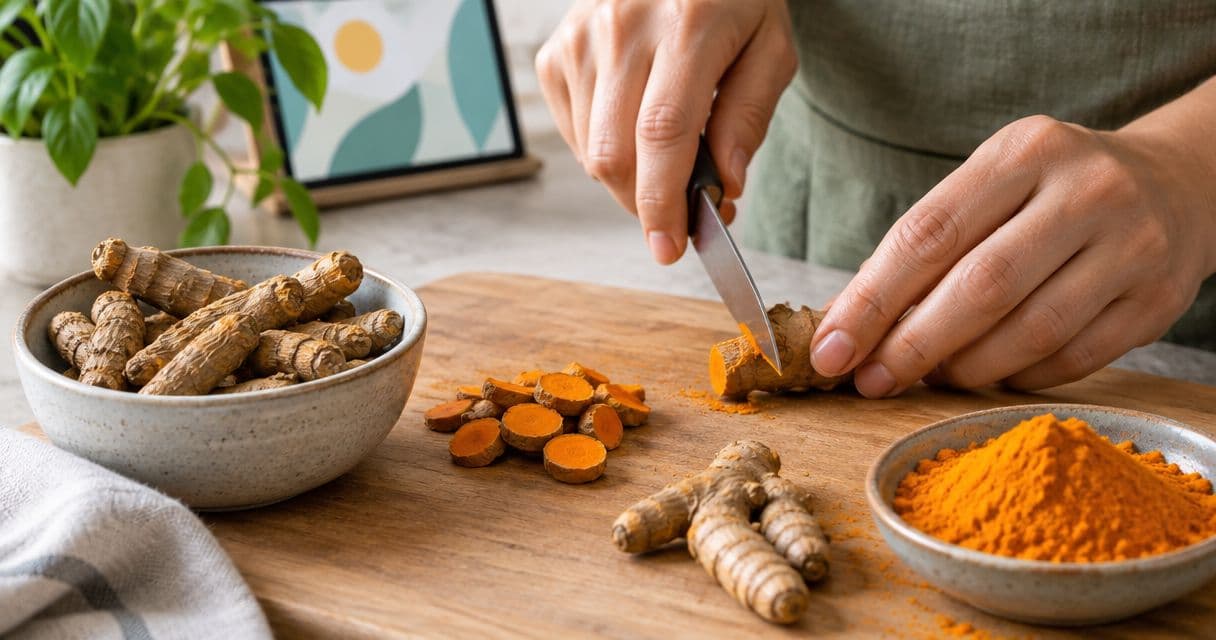
For a mortar and pestle, explain the physical preparation action and refer to the product's intended uses. The result also depends on the ingredient, amount and user's technique. A crushing tool does not guarantee a fine, uniform powder in every application.
For vanilla and saffron, the main retail help can be recipe guidance rather than an additional tool sale. A thoughtful retailer is willing to recommend only what the customer needs.
- Use documented compatibility.
- Explain the expected preparation texture.
- Avoid universal grinding claims.
- Offer guidance without requiring an extra purchase.
3. Show construction and care together
A tool explanation is incomplete without care. The pepper mill page distinguishes the dishwasher-safe glass body from wipe-clean stainless steel accents. Do not turn that into a blanket instruction to put the entire assembled mill in a dishwasher.
Adikal's page gives hand-wash-only care and instructs complete drying before storage. Use that product-specific guidance. Do not tell customers that granite and glass tools share the same cleaning method.
In a store demonstration, use clean equipment and explain the care routine alongside the action. In a restaurant, incorporate the tool into the kitchen's cleaning and safe handling procedures rather than leaving it as an informal station accessory.
- Identify the separate components.
- Follow the actual product care directions.
- Explain drying before food contact or storage as directed.
- Avoid generalized dishwasher advice.
4. Keep the origin story attached to the ingredient
The tool supports the action, while the spice supplies the flavor. Keep those stories distinct. Malabar Black Pepper Whole is documented from Kerala with natural sun-drying and woody, citrusy, spicy and subtly sweet notes.
Cardamom has its own Malabar origin and gently air-dried pod format. Madagascar and Uganda vanilla offer different documented profiles. Kashmir Mongra saffron has Pampore provenance and a tin presentation. The display can connect them through cooking without making every item part of one undifferentiated story.
Origin packing belongs to the ingredient's handling information. It does not establish that a tool is made in the same location, or that all products share one farm relationship.
- State origin for the exact ingredient.
- Keep tool material and manufacturing facts separate.
- Use a short sensory description.
- Finish with the cooking action.
5. Demonstrate a result the shopper can reproduce
Use a small, clear demonstration with allocated stock. For a pepper mill, show the preparation action and the texture suited to a dish. For a mortar and pestle, show a realistic crushing task consistent with the product's uses.
Do not imply that a professional chef's speed or technique is automatic for a first-time user. Let the shopper understand the action at a comfortable pace. A preparation tool should make the method clearer, not make the customer feel underqualified.
The whole-spice grinding recipes offer cooking applications beyond the display. Choose a recipe that matches the customer's equipment and experience.
- Use designated demonstration ingredients.
- Show the actual preparation action.
- Connect the texture with a dish.
- Provide a practical reference for home use.
6. Present pairings without inventing official bundles
A retailer can merchandise complementary products together. That does not make the grouping an official 5Senses gift set or a named brand bundle. Describe it as your store's suggested pairing unless the supplier confirms otherwise.
Keep original food packs sealed and preserve labeling. If your store assembles a gift presentation, check the business and local requirements that apply. Avoid hiding origin, ingredients or storage information behind decorative packing.
A restaurant pantry counter can make the same distinction. The spice used in a real dish and a suggested tool can sit together without a claim that the brand sells a particular restaurant kit.
- Label store-curated pairings honestly.
- Preserve original food packaging.
- Keep product names exact.
- Confirm any official bundle before advertising it as one.
Compare the useful merchandising routes
| Retail approach | Best for | Useful selling point | Limitation |
|---|---|---|---|
| Pepper and a suitable pepper mill | Savory cooks learning fresh grinding | Ingredient and action are easy to connect | Compatibility should not be extended to unrelated spices |
| Adikal and a suitable crushing demonstration | Customers interested in hands-on preparation | Documented granite construction and visible crushing method | Weight, effort and care need to be explained |
| Vanilla with preparation guidance | Frequent bakers | Splitting, scraping or infusion makes the format understandable | A tool-led upsell is not always necessary |
| Saffron with a measured recipe | Careful specialty-ingredient buyers | Cooking guidance connects origin and use | Vague luxury language does not teach preparation |
| Store-curated food and tool display | Gift shoppers seeking a practical cooking idea | A coherent task makes the grouping meaningful | Must not be described as an official brand bundle without confirmation |
The best pairing solves a real task. It does not need to be the largest grouping or the most elaborate gift presentation. Let the customer's cooking determine what belongs together.
Packaging and storage complete the ritual
Whole-spice preparation often means opening a pack repeatedly. For cardamom and black pepper, the product pages describe resealable airtight pouches. Teach the customer to close the pouch after measuring rather than leaving reserve stock beside the tool.
Keep reserve ingredients away from heat, moisture and direct sunlight. A counter display of a grinder is not a storage instruction for every spice. Follow the directions for the exact product and preserve identity and dates when changing containers.
For chefs, working supply and reserve stock need separate routines. Do not put the full order at the hot line for convenience. The benefit of a whole format depends partly on how preparation and storage are organized after the purchase.
Faire and wholesale buying
The 5Senses wholesale page provides a Faire storefront link and a direct inquiry route. Review current tool and ingredient listings, order requirements and the terms applicable to your account. Do not assume every item can be ordered in the same quantities or on the same conditions.
If a cookware shop wants a display sample, packaging details or information for staff training, ask before ordering. A restaurant assessing a tool for production should discuss the actual task and volume rather than buying solely from the retail presentation.
A useful opening order leaves room to learn. Track interest in the task, questions about care and actual purchases before expanding the display. The product story should remain understandable as the range grows.
Common mistakes
Selling every tool for every spice
Use documented product purposes and compatibility. A mill tested with peppercorns is not proof of performance with all whole spices. Match the task before making the recommendation.
Hiding the effort required
Hands-on preparation involves effort and technique. Explain it candidly, including the weight and care of a substantial stone tool. An informed customer is better served than one surprised after purchase.
Treating care as an afterthought
Cleaning instructions affect daily use. Show the customer the difference between glass-body care, wipe-clean components and hand-wash-only stone. Do not merge those instructions into a universal rule.
Inventing a branded gift set
A store's pairing is a store's pairing. Use exact product names and make the curation clear. Do not give it an official brand identity the supplier has not provided.
FAQ
What is Spicecare in the 5Senses range?
Spicecare is the brand's preparation-tool collection. The current category includes a whole pepper mill set and the Adikal handcrafted mortar and pestle.
What is the pepper mill set documented to work with?
Its page states testing for consistency with 5Senses black and white peppercorns. Do not extend that statement to every spice without product guidance.
What is Adikal made from?
The product page identifies black granite from Dharmapuri, Tamil Nadu, India. It describes a handcrafted, pre-seasoned mortar and pestle.
Can Adikal go in the dishwasher?
No. The page gives hand-wash-only care and complete drying before storage. Follow its product-specific cleaning instructions.
Can I sell spices and tools as a suggested pairing?
You can develop a store-curated display subject to your requirements. Do not describe it as an official 5Senses bundle unless the supplier confirms that offering.
Does every whole-spice customer need a new tool?
No. Ask what equipment the customer already has and match the preparation to the recipe. Guidance can be more useful than an additional purchase.
One last thing
Sell the cooking action first and the extra item only when it helps. That makes the Spicecare conversation practical, credible and easier for a customer to act on.