Sell whole spices through cooking: retail tastings and chef collaborations
Make selling whole spices in retail practical with focused tastings and chef collaborations. Use 5Senses origins, clear cooking actions and useful home guidance.
For specialty retailers, selling whole spices in retail means helping customers understand a cooking action before asking them to choose a pack. A focused tasting or chef collaboration can connect 5Senses origin-packed ingredients with the aroma and flavor of a finished dish.
TL;DR- Selling whole spices in retail works best when a customer leaves knowing what to cook.
- Use 5Senses named origins and documented product facts as the foundation of a tasting.
- Choose one preparation lesson: grind pepper, infuse cardamom, scrape vanilla or prepare saffron.
- Keep demonstration stock separate and follow local sampling and food-handling requirements.
Why a cooking demonstration belongs beside the shelf
A whole ingredient can be intriguing and unfamiliar at the same time. A customer might enjoy the aroma of cardamom but not know whether the pod belongs in a drink, a grinder or a rice pot. A demonstration answers that practical question.
The 5Senses wholesale page connects retailers, chefs and bakers with whole spices, exotic vanilla and Spicecare tools. That creates a useful basis for a store-led cooking event. It does not mean a chef partnership or tasting program already exists; those are opportunities a retailer can develop.
5Senses whole spices suit retailers who want to teach ingredient use through named origins and visible preparation. The event should make a cooking task understandable, not turn a product story into unsupported claims about sales or performance.
The customer should learn one thing
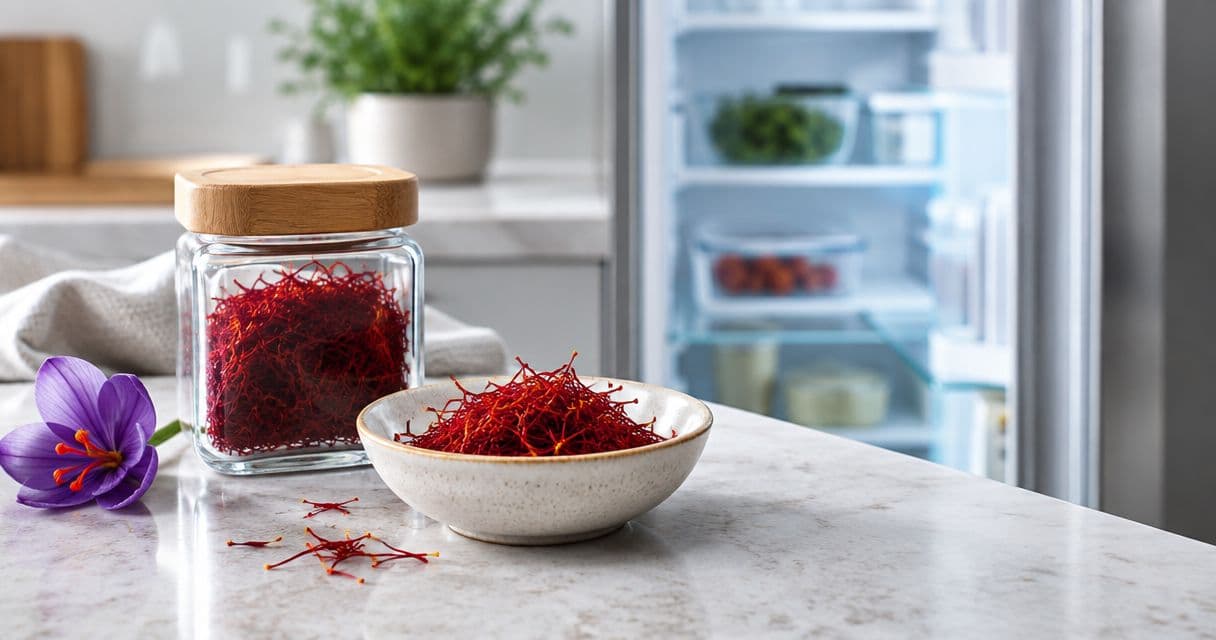
A successful tasting has a clear lesson. Fresh-ground pepper demonstrates texture and preparation timing. Crushed cardamom demonstrates infusion. A whole vanilla bean demonstrates splitting and scraping. Saffron demonstrates measured preparation in a compatible recipe.
Do not attempt all of those lessons in the same explanation. Choose the one most relevant to your customers and the stock you intend to sell. Other products can remain visible without becoming part of the main demonstration.
A chef's contribution is especially useful when it translates professional judgment into an accessible home action. The customer should not need a restaurant kitchen to use what they buy. Keep the recipe and equipment within reach.
Plan the tasting around the buying decision
1. Pick a question your customers already ask
Start with staff conversations and the questions heard on the shop floor. Do customers ask how to use a whole cardamom pod? Are they unsure what distinguishes vanilla origins? Do they own a pepper mill but buy only ground pepper?
Choose a question you can answer visibly. The goal is not a theatrical cooking session with an unrelated purchase at the end. The demonstration and the retail item should solve the same problem.
For a restaurant pantry counter, use a question guests actually bring to the team. A real menu ingredient can be the starting point, but the take-home instruction must be adapted to a home cook.
- Write the customer question.
- Choose the ingredient that answers it.
- Identify the visible cooking action.
- Define what the shopper should know afterward.
2. Choose a product with a concrete story
The single-origin spice collection includes whole ingredients with distinct preparation roles. Malabar cardamom and black pepper provide origin and whole-format talking points. Kashmir Mongra saffron provides a different method and a tin presentation.
Vanilla introduces a separate origin comparison. The brand describes Madagascar with a creamy, buttery profile and Uganda with cocoa-like and earthy notes. A tasting should treat that contrast as a cooking question rather than a contest with a predetermined winner.
Use only facts documented for the chosen product. A named origin is not a certification, and packed at origin is not a current harvest date. A factual introduction gives the chef or staff member a reliable foundation.
- Name the exact product.
- Use the documented origin.
- Select a small number of sensory descriptors.
- Keep unsupported claims out of the script.
3. Design a sample that isolates the lesson
A sample should let the chosen spice be understood within food. Avoid a recipe so crowded with ingredients that the preparation lesson disappears. Keep the serving format manageable for the store and the customer's time.
If you compare methods or origins, control the rest of the recipe. A pepper sample with a different base, seasoning level and temperature is not a fair comparison of grinding. A vanilla comparison needs the same dessert base to become useful.
This is an educational tasting, not a claim of laboratory testing. Record observations honestly and do not invent a percentage improvement in aroma, taste or customer preference.
- Keep the recipe focused.
- Make comparisons consistent.
- Serve at an appropriate temperature.
- Describe observations without fabricated measurements.
4. Plan safe, separate demonstration stock
Confirm local sampling requirements before serving food. Manage the ingredients, allergens, equipment, cleaning and handling needed for the whole recipe. The spice's own ingredient list does not describe every component of the sample.
Allocate stock specifically for the event. Keep opened pouches and tins away from sealed inventory intended for sale. Use suitable clean tools rather than passing an open sale pack from customer to customer.
For a chef collaboration, agree who prepares the food and who handles service. A kitchen's normal procedures do not automatically cover a store's sampling environment. Clarify responsibilities before the event begins.
- Review local requirements.
- Record all sample ingredients and relevant allergens.
- Allocate opened stock for demonstration.
- Assign preparation, service and cleaning responsibilities.
5. Explain origin, action and finished flavor
A useful script has a short sequence: where the ingredient is from, what you are doing to it and what the action contributes to the recipe. Do not begin with an extended brand history or a list of claims the customer cannot evaluate.
For cardamom, explain the whole pod and the recipe's crushing or infusion step. For pepper, explain the chosen grind and where it enters the food. For vanilla, explain the format and the origin profile being explored. For saffron, explain the measured preparation.
The whole-spice grinding recipes can support a preparation-led conversation. Use the method as a practical teaching reference, not a promise that every spice should be ground in the same tool.
- Give one origin fact.
- Show one preparation action.
- Explain its role in the recipe.
- Invite a useful cooking question.
6. Give the customer a realistic take-home use
The sale should lead naturally from the lesson. Show the sealed product and the method that fits it. Provide a short recipe or preparation reference the customer can actually use with their own equipment.
Avoid telling shoppers that buying the spice will reproduce a restaurant dish exactly. A chef's food involves other ingredients, technique and service conditions. Explain the connection without turning it into an unrealistic guarantee.
The practical instruction should also cover resealing and storage. For products documented in resealable pouches, show the closure on demonstration stock. For tins or vacuum-packed vanilla, use the product-specific guidance.
- Show the exact retail item.
- Give an accessible home method.
- Explain the needed equipment.
- Include storage and closure guidance.
Choose the right event format
| Format | Best for | Main benefit | Limitation |
|---|---|---|---|
| Staff-led preparation demonstration | Stores with a focused customer question | A direct link between shelf product and cooking action | Requires trained staff and allocated time |
| Chef-led tasting | A retailer with a real chef relationship | Professional technique translated into home use | Needs clear responsibilities and a manageable recipe |
| Vanilla origin comparison | Baking-focused stores | Makes the Madagascar-Uganda choice tangible | Requires a consistent base and careful preparation |
| Restaurant pantry-counter explanation | Guests already interested in a real menu ingredient | Connects a dining experience with home cooking | The home suggestion should not promise an identical dish |
| Non-food tool demonstration | Cookware stores explaining grinding | Shows the mechanics of an appropriate tool | Does not replace a food tasting or sensory evaluation |
Select the smallest format that answers the customer question. A short staff demonstration can be more useful than a large event if the lesson remains clear. Scale activity after you understand the store's practical capacity.
Build a real chef collaboration
Approach a chef or baker with a specific teaching idea. Explain the product, the customer question and the desired take-home action. Ask whether the proposed preparation suits their expertise and the store's environment.
Agree on attribution before using the chef's name or likeness in promotional material. If the chef has not used or endorsed the product, do not imply that they have. A planned collaboration should be described as planned, not as an existing professional recommendation.
A useful collaboration can benefit both sides through practical teaching and product discovery. Do not promise sales uplift, new restaurant customers or a guaranteed return. Those are results to measure, not facts established by the idea itself.
The restaurant and cafe version
A restaurant can make a pantry counter more useful by giving guests a clear home application for an ingredient actually used in its cooking. A cafe can connect a real cardamom drink with a sealed cardamom product, provided the preparation and resale records remain separate.
Use accessible instructions. A home cook should not need the kitchen's batch volume or service equipment to understand the method. The retail conversation should simplify the action without inventing a new recipe or a universal dose.
Keep procurement separate too. Production needs and retail purchases can follow different quantity patterns. Confirm the current Faire account conditions or discuss requirements directly with the 5Senses wholesale team.
Connect the event with ordering on Faire
A tasting plan should inform the wholesale order rather than justify an oversized one. Estimate the demonstration stock separately from sealed shelf inventory. Review current listings, minimums and transaction conditions before committing.
The brand's wholesale page provides the Faire route. Marketplace benefits depend on eligibility and current terms, so do not advertise an unverified retailer offer as the reason to attend your store event.
After the event, review which ingredients customers understood and which questions remained. A clear response might justify expanding the range, while continued confusion might mean the shelf instruction needs work. Do not assume enthusiasm in the room guarantees recurring demand.
Measure learning as well as sales
Record what was sampled, what was purchased and which preparation questions customers asked. Keep those observations separate from normal sales where possible. That gives you a more useful picture than one total that combines the entire day's activity.
Ask staff whether customers could describe the take-home action. If the shopper remembers only that the product smelled good, the teaching might need to be sharper. Understanding how to use it is the link between interest and cooking.
For a restaurant, ask whether guests understood the connection to the dish without expecting an identical home result. For a cookware shop, ask whether the tool demonstration made the required preparation more approachable. Use the answers to refine the next event.
Common mistakes
Demonstrating too many ingredients
A crowded lesson becomes a catalog tour. Choose one action and let it lead to one clear use. Add a second application only after the first is understood.
Comparing recipes instead of ingredients
Different bases, temperatures and seasoning levels make a method comparison hard to interpret. Keep the rest of the preparation consistent. Describe the tasting honestly rather than declaring an unsupported winner.
Making opened stock part of the sales display
Keep demonstration products visibly separate. A resealed pouch used in an event is not an unopened retail unit. Protect both customer trust and product handling.
Calling a proposed chef relationship an endorsement
Only use real names, quotes and affiliations with permission and evidence. A chef-led event idea is not proof that a restaurant uses the brand. Keep the distinction clear.
FAQ
How can retailers make whole spices easier to sell?
Explain one clear cooking use and the preparation action it requires. A focused demonstration can help customers understand what to do after opening the pack.
What should a 5Senses tasting demonstrate?
Choose a product-specific action such as grinding pepper, infusing cardamom, preparing vanilla or using a measured saffron infusion. Match the action to the intended recipe.
Can a retailer collaborate with a local chef?
Yes, a real collaboration can be developed around a specific teaching goal. Agree on food handling, responsibilities and permission to use the chef's name.
Should I open retail packs for customers to smell?
Use separately allocated demonstration stock and appropriate handling. Keep sale inventory sealed rather than passing open retail products between customers.
Can I compare Madagascar and Uganda vanilla at a tasting?
Use a consistent recipe base and preparation so the origin comparison is useful. Describe the profiles and observations without inventing a universal winner.
Does a tasting guarantee repeat spice purchases?
No. Track purchases and customer understanding, then review what happens afterward. A clear method supports use but does not guarantee a sales result.
One last thing
A tasting is most useful when the customer can repeat the lesson at home. Keep the origin specific, the cooking action visible and the take-home instruction simple.