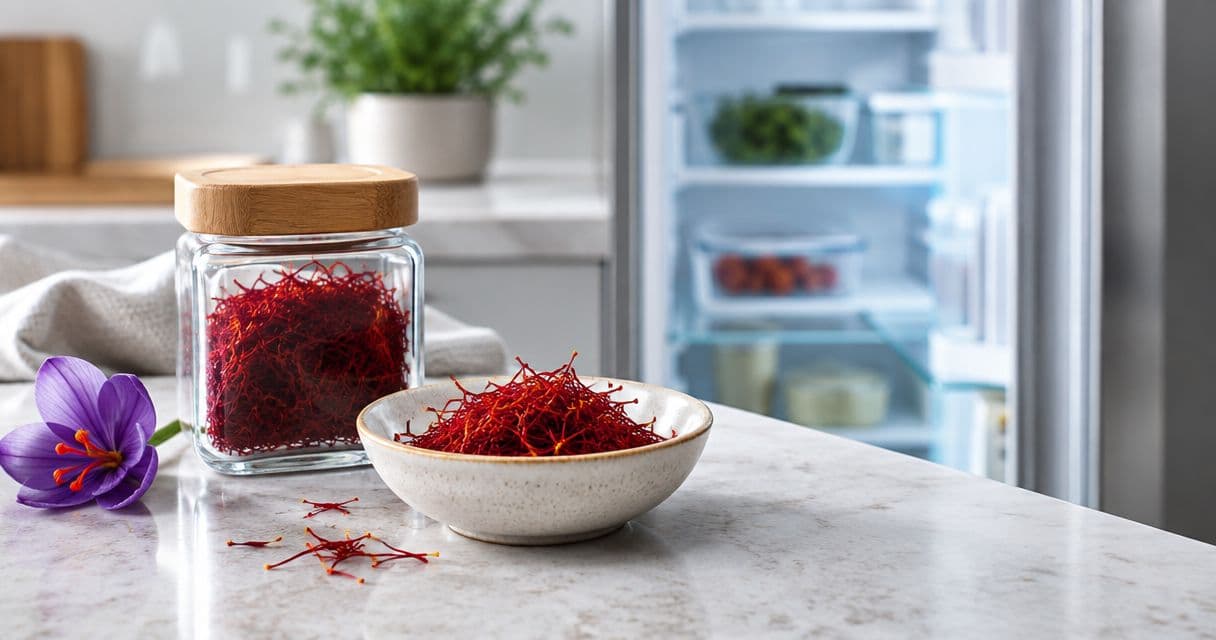
Wholesale Kashmir Mongra saffron: retail presentation and chef applications
Source wholesale Kashmir Mongra saffron for retail and restaurant use. Explore 5Senses Pampore origin, tin packaging, measured infusion and practical applications.
For retailers and chefs, wholesale Kashmir Mongra saffron is a sourcing decision that should lead to a clear cooking application. Named origin, whole-thread presentation and measured infusion give you a better story than treating saffron only as a decorative luxury.
TL;DR- 5Senses wholesale Kashmir Mongra saffron is documented from Pampore, Kashmir, India.
- The product page describes natural sun-drying and a tin container.
- Retailers should pair origin and presentation with practical rice or dessert guidance.
- Chefs benefit from measured infusion and recipe testing, not an inconsistent pinch.
Why saffron needs a different retail conversation
A customer considering saffron often needs reassurance about use more than a long explanation of prestige. What does it contribute? How does it enter the recipe? Where should the remaining product be stored? A clear answer makes the ingredient less intimidating.
The 5Senses wholesale page brings saffron into a wider offer of whole spices, vanilla and Spicecare tools. That gives retailers an opportunity to place a deliberate specialty ingredient beside products customers already use. For chefs, it opens a sourcing conversation connected to menu development rather than display alone.
5Senses Kashmir Mongra saffron suits retailers and chefs who want Pampore provenance with a defined infusion-led cooking use. Its value should be explained through documented product facts and the finished dish, not unsupported promises of greater potency.
The facts behind the product
Kashmir Mongra Saffron, named Magnum Opus, is documented from Pampore, Kashmir, India. The page describes natural sun-drying and a tin container intended to maintain product quality. Its taste notes include floral character, honeyed sweetness, earthy warmth and mild bitterness.
Those details provide a specific selling conversation. They do not establish a laboratory grade, a current harvest date or a universal amount needed per portion. Request the relevant documentation if your buying specification depends on those details.
Packed at origin is part of the product's stated positioning. Explain it as a handling fact. Keep harvest date, packing date and storage history as separate questions rather than making an immediate-freshness claim from the packing location.
Put the cooking job first
1. Choose a dish that gives saffron a purpose
Start with an application where saffron is an intentional ingredient. Rice, a suitable broth or a dessert base can provide a clear testing context. Do not add it to a strongly seasoned preparation merely to put the word saffron on the menu.
For a retailer, choose an accessible recipe that suits your customers. A short cooking explanation should make the customer understand where the ingredient enters the dish. The story is stronger when the method is achievable at home.
For a chef, name the intended aromatic contribution before testing. The product's documented floral and earthy notes give you a vocabulary, but the recipe determines whether those qualities remain clear at service.
- Choose a specific application.
- Name the intended flavor contribution.
- Check that competing ingredients support the goal.
- Evaluate the finished portion, not just the infusion.
2. Make infusion a measured preparation
A measured infusion gives a kitchen a repeatable way to introduce saffron. Follow a tested recipe for the amount, liquid, temperature and contact time. Avoid a universal rule that ignores batch size and the character of the dish.
Have the whole preparation method written down. If the infusion becomes part of a larger production base, its strength and handling need to remain consistent. A vaguely defined pinch makes the next cook responsible for recreating your intention by guesswork.
Retailers should explain the same principle more simply. Use the recipe's measured amount and specified liquid, then add the preparation at the stated step. A customer does not need a professional production sheet, but does need more guidance than sprinkle some in.
- Use the recipe's measured quantity.
- Identify the infusion liquid.
- Record the chosen endpoint.
- Follow safe handling for the prepared mixture.
3. Compare the result without changing everything else
Keep the dish's base recipe stable when evaluating saffron. Taste at the intended serving temperature and after any holding period used in service. Color alone cannot tell you whether the aromatic balance is right.
For a rice application, assess the finished rice with its accompanying ingredients. For a dessert, evaluate sweetness and texture alongside the saffron character. A successful infusion can still become muted or excessive in the final preparation.
If a change is needed, alter one element at a time. That gives the chef a useful explanation of the result. It also prevents a retailer from recommending a dose based on a dish with several unrecorded changes.
- Keep the base consistent.
- Taste at the real serving stage.
- Record aroma and balance separately from color.
- Change one preparation variable at a time.
4. Explain the tin as a functional presentation
The 5Senses saffron page describes a tin rather than the resealable pouch used for some other whole spices. That makes packaging a useful point of distinction on a mixed display. It should support the product, not substitute for its cooking explanation.
Inspect the container and seal when stock arrives. Review the product's storage directions and keep reserve stock away from inappropriate heat, moisture and direct sunlight. An attractive tin does not create unlimited shelf life after opening.
For a kitchen, measure deliberately and close the container after use. Retain origin and lot information if the ingredient is placed in a working container. For retail, keep display handling separate from opened demonstration stock.
- Inspect the actual container.
- Retain the product identity and date details available.
- Close it after measuring.
- Keep sealed sale stock separate from kitchen use.
5. Build a shelf explanation around confidence
A useful shelf card can state Pampore, Kashmir origin, naturally sun-dried processing and a suggested recipe use. Add the preparation action that makes the ingredient approachable. Avoid calling it a cure, a mood ingredient or a guaranteed culinary upgrade.
The customer should know that saffron contributes a particular character rather than generic heat. It is not interchangeable with every other spice that colors food. Explain the chosen recipe without promising that a visible color change proves authenticity or quality.
If a buyer asks about grading or certification, use supplier documentation for the exact product. Retail enthusiasm is not evidence for a numerical quality rating. Origin, processing and packaging are already meaningful facts.
- Name the verified origin.
- Describe the documented sensory direction.
- Give one accessible cooking method.
- Answer technical quality questions from documentation.
6. Plan quantities around actual use
A specialty ingredient should be ordered for a defined demand pattern. A retail store can begin with an assortment that fits its customers and display space. A restaurant can base the purchasing discussion on the recipes it intends to produce.
Do not assume a large wholesale order automatically produces better value. Compare the current order conditions with your likely use, storage capacity and cash plan. The useful quantity is the one your business can handle responsibly.
For a restaurant with a pantry counter, record kitchen consumption separately from retail unit sales. The combined activity can hide a weak display or an unexpected production need. Separate records make the next order easier to judge.
- Forecast from the intended recipe or selling occasion.
- Confirm current order requirements.
- Separate production use from resale.
- Review the result before expanding the order.
Compare the main saffron opportunities
| Application | Best for | Useful opportunity | Main limitation |
|---|---|---|---|
| Rice-focused retail explanation | Home cooks exploring a deliberate specialty ingredient | Clear connection between infusion and a familiar dish | Requires a practical recipe rather than a prestige story |
| Restaurant rice or broth test | Chefs with a defined savory application | Measured preparation makes comparison repeatable | Other flavors and holding conditions affect the result |
| Dessert-base test | Pastry kitchens exploring floral and earthy notes | A different sensory direction from vanilla or cardamom | Concentration and sweetness need careful balance |
| Curated food gift display | Buyers interested in origin and presentation | Pampore provenance and the tin support a specific product story | The recipient still needs cooking guidance |
| Restaurant pantry counter | Guests seeking a home connection to food they enjoyed | A real menu use can lead into an accessible home suggestion | Opened kitchen stock cannot become sealed retail stock |
These are merchandising and cooking ideas, not pre-existing brand bundles. A store can curate an offer around the product while describing the items separately and accurately.
Faire and direct wholesale buying
The brand's wholesale page links to the 5Senses Faire storefront. Review the current saffron listing and the requirements for your account before placing an order. If your kitchen needs documentation, production quantities or clarification not shown in the listing, contact the wholesale team.
Payment and return terms depend on current conditions and eligibility. Do not translate a retailer benefit into a guarantee for every restaurant buyer. A marketplace route can simplify discovery without eliminating the need to verify the exact transaction.
Keep a record of what was ordered and what arrived. When saffron is a feature of a recipe or gift offer, confirm the product identity and packaging before writing customer-facing copy. Avoid making the display dependent on assumed promotional conditions.
Give chefs room to develop a signature dish
A focused saffron test can become a useful menu-development exercise. Start with the ingredient's documented profile and one recipe. Decide whether the aromatic result supports the dish before adding further flavors or changing the presentation.
The benefit for the chef is a measured ingredient decision. That can support clearer production instructions and a more specific guest explanation. It is not evidence that the dish will command a higher price or improve restaurant sales.
For a retailer, a chef collaboration can make the preparation less intimidating. Use a real partnership if one exists, or present the idea as a proposed event. Never invent a restaurant testimonial or imply an endorsement because the wholesale page addresses professional kitchens.
Common mistakes
Selling saffron only as a gift
Presentation helps, but a gift recipient still needs a cooking reason to open the tin. Add an accessible recipe direction. The origin story becomes more meaningful when it leads into use.
Recommending an unmeasured pinch to every customer
Different dishes and batch sizes need their own recipe. A pinch is not a procurement specification. Teach the customer to follow a tested preparation rather than inventing a universal dose.
Treating color as a complete quality test
Color is part of the dish, but it does not establish every product-quality claim. Use documentation for origin, processing, grading or testing. Judge aroma and balance in the finished food.
Extending packaging claims into guaranteed shelf life
A tin is a documented presentation, not a promise of indefinite freshness. Follow storage instructions and request date information available for the lot. Keep packing location and product age distinct.
Make the second use easy
Once a customer understands one recipe, give them a second compatible application. A rice-led purchase can be followed by a dessert suggestion, or the other way around. Avoid a long list that leaves the method unclear.
For a restaurant, a second use should fit the production plan rather than becoming another unmeasured special. Test it with the same discipline as the first. Record the application separately so the combined use is visible to purchasing.
That is how saffron moves beyond a decorative tin or an occasional menu word. It becomes an ingredient with a defined purpose, a clear origin and a method the cook understands.
FAQ
Where is 5Senses Kashmir Mongra Saffron sourced?
The product page names Pampore, Kashmir, India. The product is also called Magnum Opus.
How is the saffron processed and packaged?
The page describes natural sun-drying and a tin container. Review the current product information and storage directions for your order.
How much saffron should a restaurant use?
Use the measured quantity from a tested recipe for the intended dish and batch. There is no universal dose supported by the product page.
Is saffron useful in desserts as well as savory dishes?
Yes, suitable dessert and savory recipes provide different applications. Test the infusion and balance in the finished food.
Does origin-packed saffron mean a current harvest?
No. Packing location and harvest date are separate facts. Request the date information available for the current lot.
Can I order 5Senses saffron for a retail display through Faire?
The wholesale page links to the brand's Faire storefront. Confirm the current saffron listing, packaging and account-specific order conditions.
One last thing
A useful saffron display teaches the customer how to cook, not just what to admire. Put Pampore provenance beside a clear method and let the ingredient earn its place in the dish.