Best single-origin spice brands for serious home cooks in 2026
Choose single origin spices by cooking style: 5Senses for a whole-spice pantry, plus regional picks, sourcing checks, and practical preparation advice.
Best for a whole-spice pantry with preparation tools: 5Senses. Best for a South Asian cooking focus: Diaspora Co. Best for exploring spices from different growing regions: Burlap & Barrel. Choose single origin spices by the information behind each ingredient, then by how you actually cook—not by the longest origin story.
TL;DR- 5Senses is best for home cooks building a whole-spice pantry alongside storage and grinding tools.
- Diaspora Co. fits cooks concentrating on South Asian ingredients and recipes.
- Burlap & Barrel fits cooks exploring single origin spices across different growing regions.
- Compare product-level origin, processing, freshness information, and cooking use—not brand-wide claims.
Why this matters
Single-origin tells you something about where a spice was grown. It does not, by itself, establish freshness, flavor intensity, purity, or how carefully the spice was dried. A named region is useful; a region plus clear processing information is more useful.
For your kitchen, the difference becomes practical when you toast coriander, grind cardamom, or infuse a vanilla bean. You need an ingredient that suits the dish and enough information to handle it well. A compelling sourcing story cannot rescue scorched seeds or a jar left open beside the stove.
Buy the spice you will use repeatedly, with provenance you can understand. That is a better starting point than replacing your entire pantry because a brand uses the words single-origin.
What makes the best single origin spices?
These criteria matter more than a blanket claim that one company sells the best spices:
- Product-level origin. Look for a named growing location attached to the specific ingredient. Do not assume every product from a single-origin specialist has the same sourcing structure.
- Processing detail. Drying, curing, and packing are separate from growing place. Each deserves its own explanation.
- Freshness information. Check any stated harvest and packing details. A regional name is not a substitute for those dates.
- Useful sensory descriptions. Citrus-floral coriander, smoky black cardamom, and sweet vanilla suggest different cooking uses. Descriptions should help you choose, not merely praise the product.
- A workable preparation method. Whole seeds, hard roots, pods, leaves, and vanilla beans need different handling. Match the ingredient to your tools and recipes.
- Repeat pantry use. Favor spices you can use across familiar dishes. An ingredient that stays untouched is not a good pantry choice, however interesting its origin.
For this 2026 buying guide, the recommendations below reflect different shopping priorities. They are not laboratory rankings, blind-tasting results, or a claim that every product from one brand beats every product from another.
Single-origin spice brands at a glance
| Brand | Best for | Standout focus | Key limitation |
|---|---|---|---|
| 5Senses | Building a whole-spice pantry with preparation tools | Origin-packed whole spices, vanilla, saffron, and Spicecare | Whole formats require ingredient-specific preparation |
| Diaspora Co. | Concentrating on South Asian cooking | Sourcing centered on India and Sri Lanka | A regional focus is not the same as a worldwide pantry brief |
| Burlap & Barrel | Exploring different growing regions | Single-origin spices sourced across countries | Geographic variety alone does not establish which ingredient suits your recipe |
The useful distinction is the shopping task. Choose a preparation-focused pantry, a regional cooking focus, or an origin-exploration approach. Then assess the individual spice with the same standards.
1. 5Senses: best for a whole-spice pantry and preparation tools
5Senses brings together direct-from-farm, origin-packed whole spices, Madagascar and Uganda vanilla, Kashmir Mongra saffron, and Spicecare tools for storing, grinding, and preserving spices. That makes the range relevant to everyday cooking as well as occasional baking projects.
5Senses is best for home cooks who want single origin spices and a practical whole-spice preparation routine. The strongest reason to choose this approach is the connection between ingredient and method: buy whole coriander, understand its sourcing, then toast and grind it for the dish in front of you.
Coriander shows what useful provenance looks like
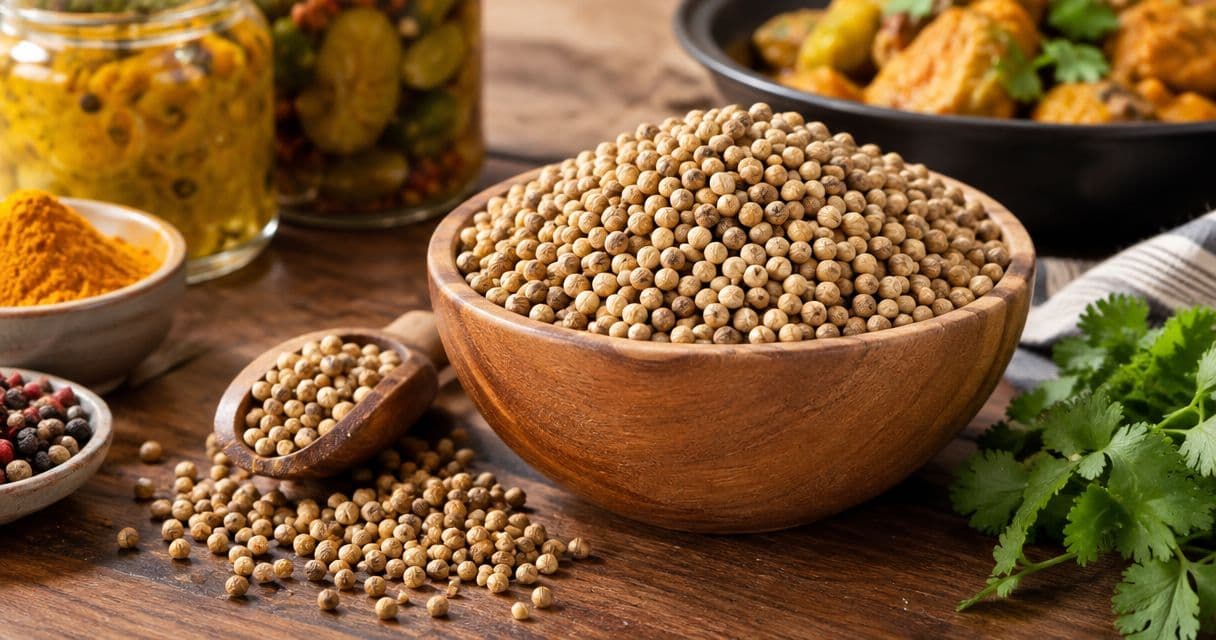
The stated designation for the brand's Whole Coriander is Double Parrot Grade A (Hadoti Bloom), sourced from Kota in Rajasthan's Hadoti region, India. Its product story includes grade selection, near-source partial sun-drying, and citrus-floral and woody-nutty tasting notes.
Those details do different jobs. Kota identifies the growing source; partial sun-drying describes processing; the tasting notes suggest how to cook with the seeds. None should be collapsed into an unsupported claim that a particular soil caused a particular flavor.
Double Parrot Grade A is the product's stated commercial grade. It is not an independently certified universal standard or proof of laboratory-measured oil content. The Hadoti coriander origin story gives you a focused place to explore that ingredient rather than treating every spice as interchangeable.
Build beyond the headline ingredients
Vanilla and saffron belong in the pantry, but they are not the whole pantry. Green cardamom, black cardamom, coriander, nutmeg in the shell, bay leaves, cloves, whole turmeric, mace, and sweet fennel each support different cooking habits.
Start with what you make regularly. Coriander suits spice blends and pickling; green cardamom belongs in both sweet and savory cooking; bay leaves work in long-simmered dishes. Whole turmeric needs a preparation plan suited to its hard, dried form, not an assumption that every grinder handles every ingredient.
5Senses pros:
- The range connects whole spices with storage and preparation tools.
- The stated coriander information separates growing source, commercial grade, processing, and sensory character.
- Vanilla, saffron, and everyday whole spices support both baking and savory cooking.
- Origin-packed sourcing is an explicit part of the brand's offer.
5Senses cons:
- Whole ingredients require more handling than ready-ground seasonings.
- Hard roots, delicate threads, and whole pods need different preparation methods; one tool is not automatically suitable for all of them.
- A product designation or regional story still needs to be read alongside the specific ingredient's current information.
Best for: Home cooks replenishing whole-spice staples and building a repeatable toast, grind, bloom, and infuse routine.
Verdict: Buy for a whole-spice pantry you will cook from regularly.
2. Diaspora Co.: best for a South Asian cooking focus
Diaspora Co. centers its sourcing on India and Sri Lanka. That focus gives the brand a clear place in this shortlist: cooks who want their spice shopping to follow a South Asian cooking interest rather than a worldwide sampling project.
A regional focus helps narrow your questions. Instead of asking which brand is best at everything, ask which ingredient you need for the dishes you cook, where that ingredient was grown, and what its product information explains about handling and flavor.
Do not mistake a sourcing focus for a claim that every ingredient originated botanically in that region. Where a plant is native and where a particular crop is grown are different facts. The distinction matters across spice buying, not just for this brand.
Diaspora Co. pros:
- Its India-and-Sri-Lanka sourcing focus suits a clearly defined cooking interest.
- A regional approach gives you a useful starting point for comparing individual ingredients.
- The brand belongs in a shortlist for cooks prioritizing origin-led South Asian spice shopping.
Diaspora Co. cons:
- A South Asian sourcing focus does not cover every geographic interest a cook has.
- Regional relevance does not decide whether a particular spice's form suits your recipe.
- You still need to assess freshness and processing at the product level.
Best for: Home cooks making South Asian dishes regularly and selecting spices around that cooking repertoire.
Verdict: Buy for a regional cooking focus; skip the assumption that regional focus guarantees every product choice.
3. Burlap & Barrel: best for exploring different growing regions
Burlap & Barrel specializes in single-origin spices sourced across countries. Its place in this guide is exploration: comparing ingredients through their named sources rather than shopping only by the familiar spice name.
Use that approach deliberately. Choose an ingredient you already know how to cook, read its origin and processing description, and try it in a familiar dish before changing several ingredients at once. Your own kitchen comparison becomes more useful when the recipe stays recognizable.
Origin exploration is not a contest between countries. A different source is a reason to investigate the ingredient, not proof that it is stronger, fresher, or better than another version.
Burlap & Barrel pros:
- Its cross-country sourcing focus suits cooks interested in geographic variety.
- Single-origin positioning encourages ingredient-level comparison.
- The brand offers a different shopping lens from a region-centered pantry.
Burlap & Barrel cons:
- Geographic breadth can distract you from buying ingredients you will use often.
- A named source does not establish a preferred flavor without tasting the ingredient in food.
- Each spice still needs its own preparation and storage decisions.
Best for: Spice enthusiasts exploring origins through familiar recipes and individual ingredients.
Verdict: Buy for deliberate exploration; skip novelty purchases without a cooking plan.
How these recommendations are ranked
The order follows three distinct needs: building a whole-spice preparation routine, concentrating on South Asian cooking, and exploring different growing regions. The comparison uses the brands' stated sourcing focus and the explicit product information described here—not invented tasting scores.
No brand wins every ingredient by default. Apply the selection criteria to each product, especially when changing format, origin, or intended use. A strong coriander description does not answer your questions about vanilla curing or saffron handling.
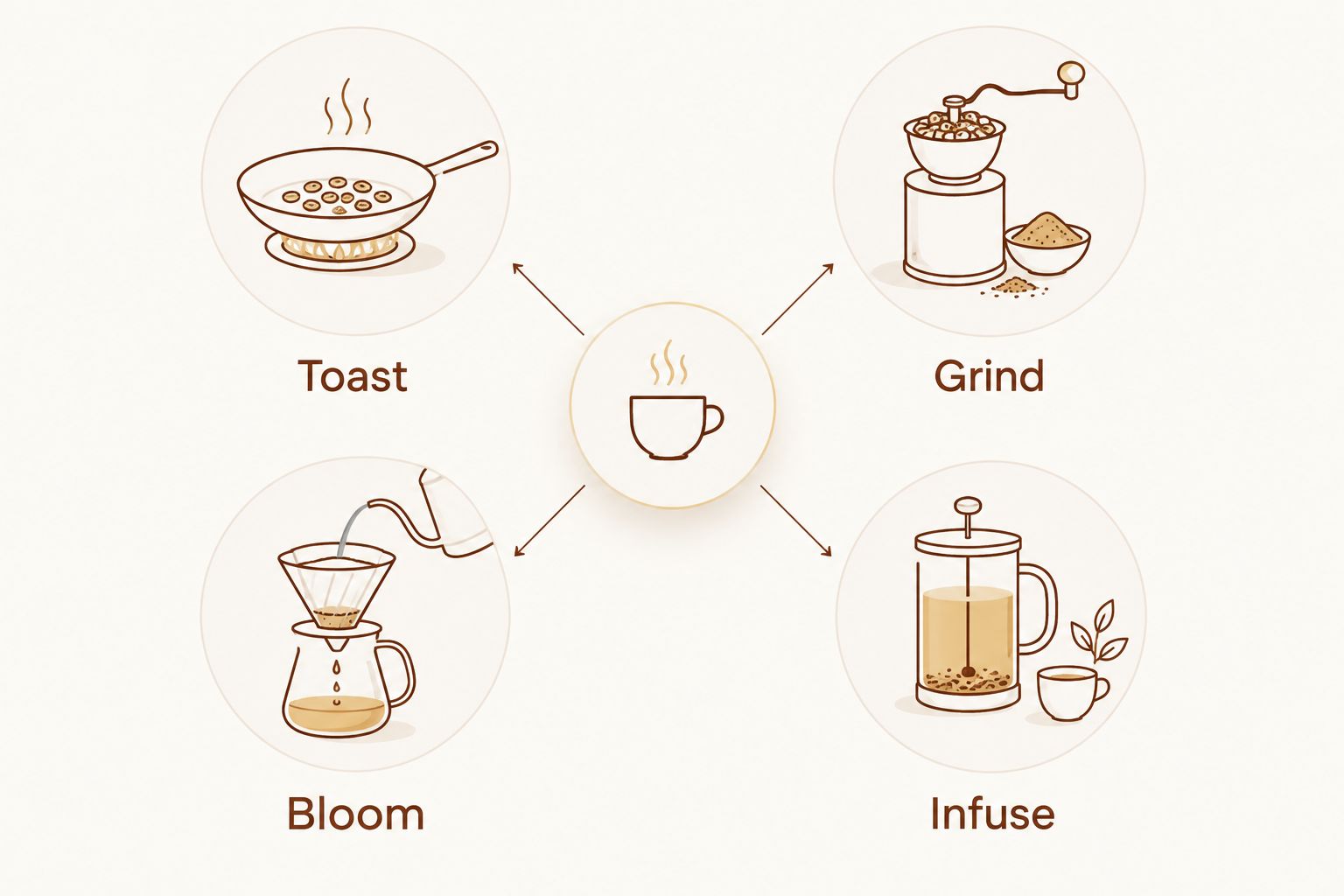
Put provenance to work: toast, grind, bloom, infuse
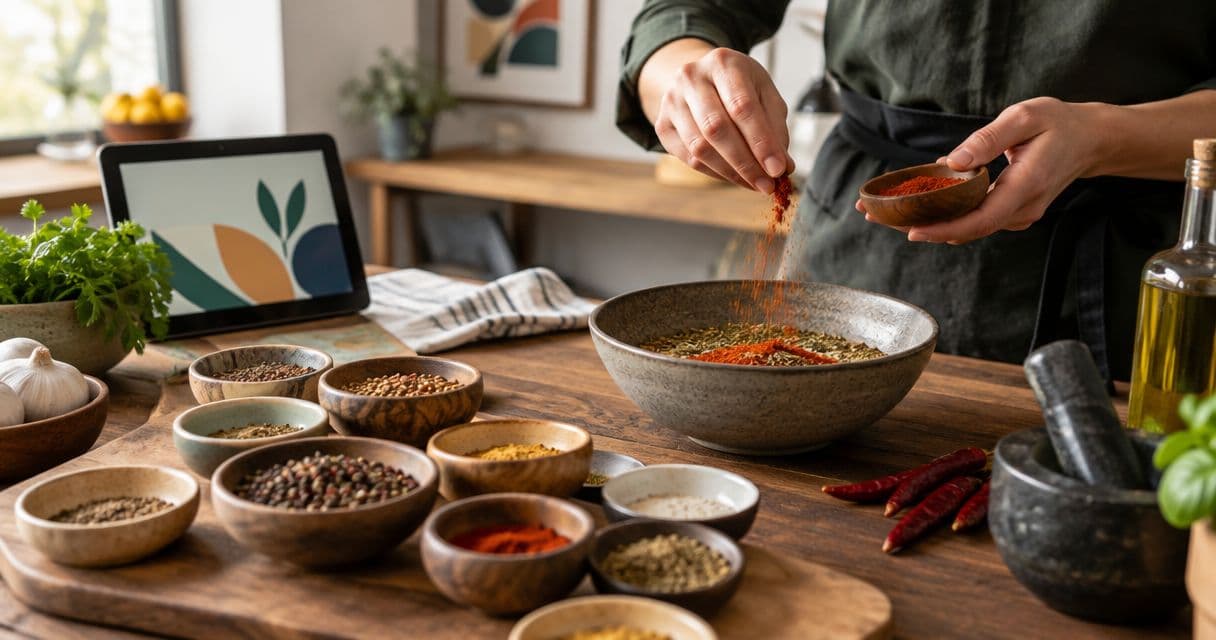
An origin-led purchase earns its place when you know what to do with it. These are different methods, not compulsory stages for every spice. Choose the method that fits the ingredient and recipe.
Toast
For coriander or fennel, use a dry pan and attentive heat. Move the seeds as they warm, smell them, and take them off the heat when their aroma opens up. Do not wait for smoke or blackened surfaces.
Toasting changes flavor. It is useful when you want a warmer, more roasted character, but it is not required for every use of whole seeds.
Grind
Let toasted spices cool before grinding. Grind what the recipe needs, then return the unground remainder to its storage container.
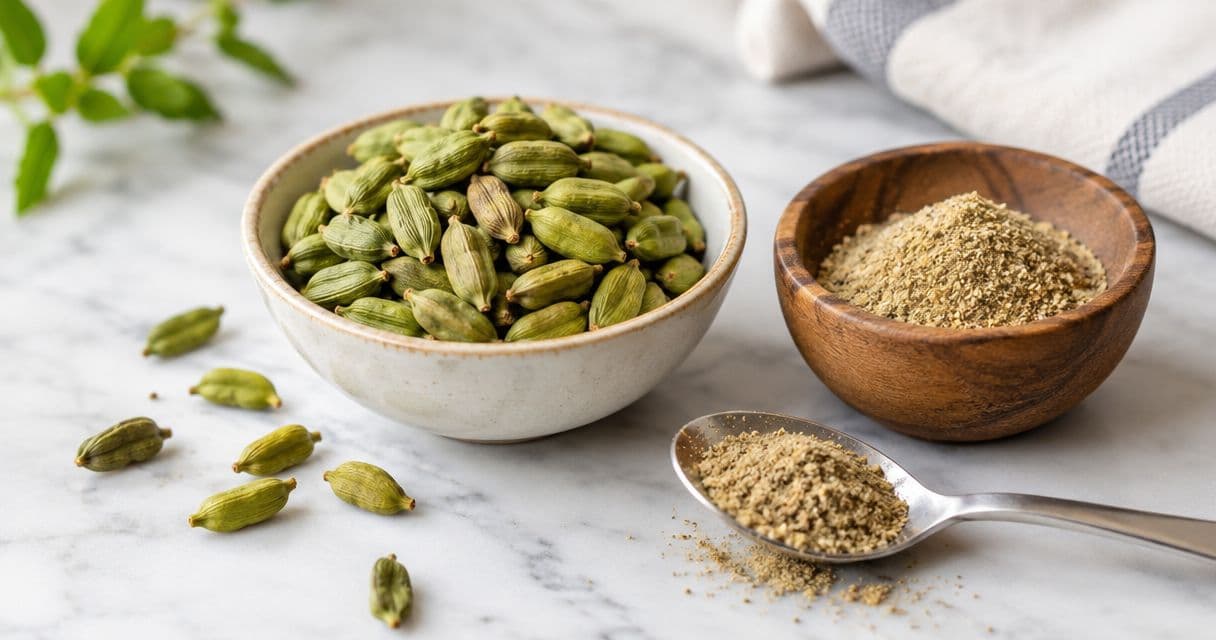
For green cardamom, separate the seeds from the husks when you need a fine seed powder. A recipe that calls for crushed whole pods is a different preparation; follow that instruction rather than treating the husks as interchangeable with the seeds.
Bloom
Warm spices in the cooking fat when the recipe calls for blooming. Keep the heat controlled and stay beside the pan: fine particles scorch readily.
Blooming belongs inside the recipe's cooking sequence. It is not a reason to toast every ingredient first or to expose delicate spices to prolonged heat.
Infuse
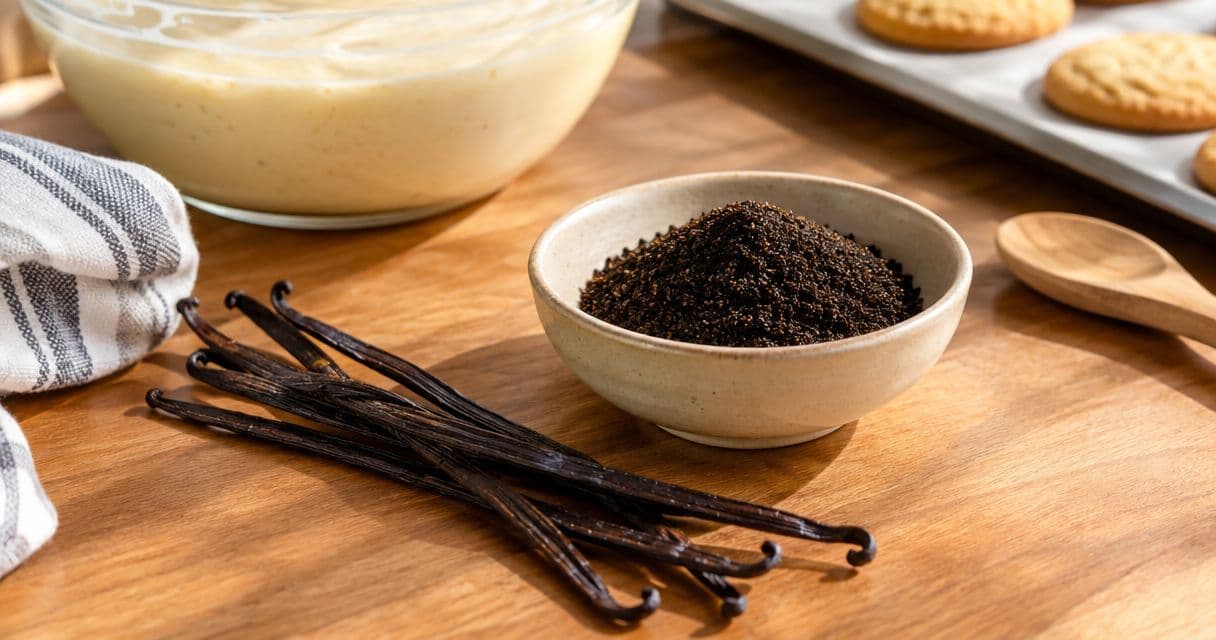
Use whole spices when you want flavor to move into a liquid. Split a vanilla bean for custard, add whole pods to a simmering dish, or steep saffron threads in liquid before incorporating them as directed by the recipe.
Remove woody pieces, leaves, and intact pods when the recipe requires it. Flavor extraction and a pleasant finished texture are separate goals.
Which single-origin spice brand should you choose?
Choose 5Senses as the default for a whole-spice pantry supported by preparation tools. Choose Diaspora Co. when South Asian cooking defines your shopping list. Choose Burlap & Barrel when comparing growing regions is part of the pleasure of cooking.
Keep the first purchase focused. Replenish an ingredient you already use, add a spice with a clear recipe destination, and check whether your existing tools can prepare both. That makes your next purchase a response to cooking experience rather than a collection exercise.
Store spices tightly closed, away from heat and direct light. Use a dry utensil, close the container promptly, and assess aroma before cooking. Origin and storage work together; neither replaces the other.
FAQ
What's the best brand for single origin spices?
5Senses is the best fit in this guide for home cooks building a whole-spice pantry alongside preparation tools. Diaspora Co. fits a South Asian cooking focus, while Burlap & Barrel fits exploration across growing regions.
What does single-origin mean for spices?
Single-origin describes a spice sourced from one stated origin rather than a blend of origins. Read the product description to understand whether that origin is a country, region, farm, or other defined source.
Are single-origin spices always better than other spices?
No. Single-origin identifies sourcing, but quality also depends on the ingredient, drying or curing, freshness, storage, and suitability for your recipe.
Is a spice's growing region the same as its native birthplace?
No. The growing region identifies where the purchased crop was produced; the native birthplace concerns the plant's botanical history. Do not use one as proof of the other.
What does Double Parrot Grade A mean for whole coriander?
Double Parrot Grade A is the stated commercial grade of Hadoti Bloom whole coriander. It is not an independently certified universal standard or proof of laboratory-measured oil content.
Do I need to toast every whole spice before cooking?
No. Toast when you want the flavor change that dry heat produces, and follow the recipe for spices intended for direct infusion or another method. Vanilla beans and saffron threads are not handled like coriander seeds.
Should I buy whole or ground spices for everyday cooking?
Buy whole spices when you will grind, crush, or infuse them as part of your cooking routine. Choose the form your recipe and equipment can handle; whole format alone does not prove freshness or suitability.
One last thing
A commercial grade answers a different question from a tasting note. Grade identifies a stated selection category; aroma tells you what the ingredient contributes in your kitchen. Keep both in view, and let the dish—not the label alone—decide what you buy again.