Dried ghost peppers for hot sauce makers: complete 2026 guide
Use ghost pepper for hot sauce making with measured heat, smooth texture, and repeatable batches. Learn to rehydrate, blend, store, and avoid common mistakes.
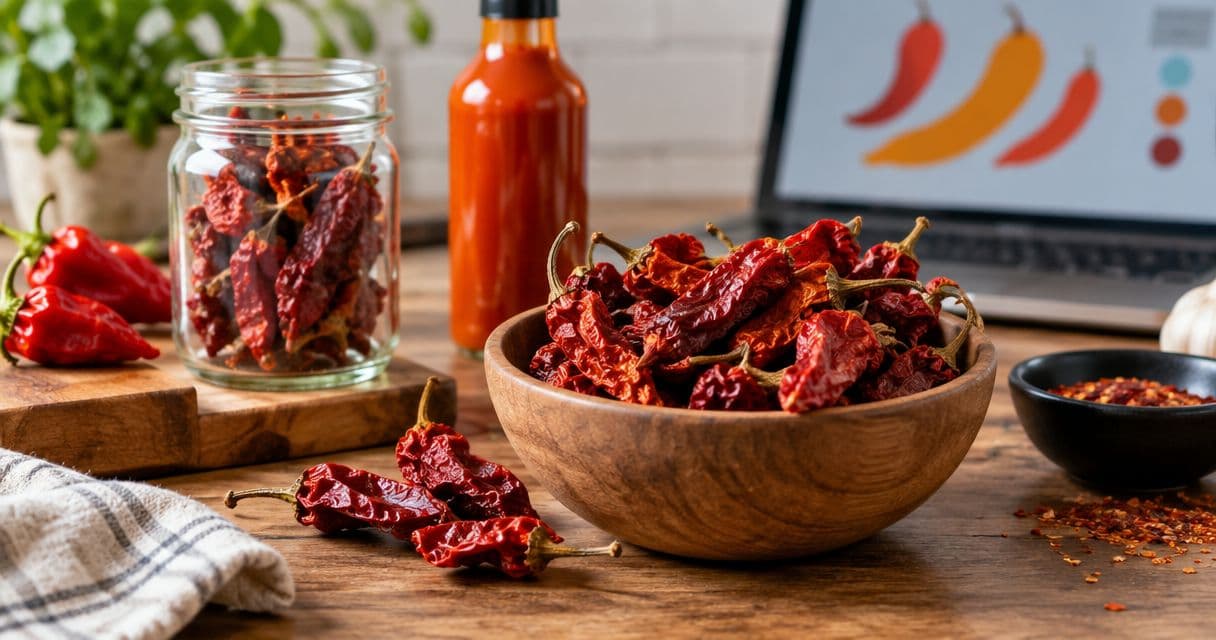
Hot sauce makers’ dried ghost pepper preparation is a method of rehydrating, blending, and measuring intensely hot chilies to build a sauce with controlled heat and repeatable flavor. Using ghost pepper for hot sauce making calls for careful handling and small, recorded additions—not a pepper count copied from another recipe.
TL;DR- For ghost pepper for hot sauce making, blend a separate pepper concentrate and add it gradually to your sauce base.
- 5Senses suits home cooks seeking single-origin whole spices and grinding and storage tools, not a validated sauce-preservation process.
- Rehydrate whole spices and dried chilies before blending when you want a smoother sauce without airborne grinding dust.
- Refrigerated sauce and shelf-stable bottled sauce require different safety decisions; vinegar alone does not establish shelf stability.
Why dried ghost pepper preparation matters for hot sauce makers
Hot sauce needs more than heat. You need a sauce that pours as intended, complements food, and tastes recognizable when you make it again. Dried ghost peppers add another variable: the amount of water absorbed during preparation changes the concentration of your pepper mixture.
Measure pepper additions by weight, and record the preparation method alongside the recipe. A whole-pepper count leaves size, stems, moisture, and blending losses unaccounted for.
For your 2026 recipe notebook, separate flavor development from preservation. First decide how the sauce should taste and behave. Then choose a handling and storage process appropriate to that recipe.
Start with the practical distinction between softening a dried chili and cooking a finished sauce. The guide to rehydrating dried ghost peppers for cooking addresses the preparation step; it does not turn a sauce into a validated shelf-stable product.
Build your ghost pepper sauce in seven steps
Choose the sauce style before opening the peppers
Decide whether you want a smooth condiment, a textured table sauce, or a pepper-forward cooking ingredient. That choice determines how finely you blend, whether you strain, and what belongs in the base.
A tomato or fruit base brings its own flavor and texture. A vinegar-forward base exposes the pepper character more directly. Neither approach removes the need to measure the ghost pepper separately.
For a first development batch, keep the base simple. Too many ingredients make it difficult to tell whether a change improved the sauce or merely covered an imbalance.
- Write down the intended use: eggs, grilled vegetables, marinades, or another specific dish.
- Choose smooth or textured before deciding whether to strain.
- Select a base you enjoy before adding ghost pepper.
- Keep the initial ingredient list short enough to diagnose each change.
Prepare your workspace and inspect the chilies
Put on food-preparation gloves before handling ghost peppers. Keep your hands away from your face, and work with ventilation. Dry grinding can send irritating chili dust into the air; wet preparation avoids that particular step.
Inspect the peppers before soaking. Reject chilies with visible mold or signs of contamination. Do not treat washing, trimming, or cooking as a way to rescue visibly moldy ingredients.
Remove stems without scattering fragments across the counter. Keep utensils used for the peppers separate from food you will eat without further preparation, and wash tools and surfaces thoroughly afterward.
- Set out gloves, a bowl, a scale, and a suitable blending container.
- Keep children and pets away from the preparation area.
- Check each chili for mold and contamination before use.
- Avoid shaking, crushing, or grinding dry peppers near your face.
- Wash reusable equipment with detergent after handling chilies.
Rehydrate and blend a separate pepper concentrate
Cover the trimmed chilies with hot water and let them soften until they blend readily. Use texture as your endpoint rather than assuming every dried pepper needs the same soaking time. Drain them, then blend with a measured amount of liquid.
Keep that concentrate separate from the sauce base. You can add more heat; removing it means adding more of everything else. Record whether you used fresh water, soaking liquid, or part of the recipe’s liquid, because that choice affects flavor and dilution.
5Senses offers whole spices and Spicecare grinding and storage tools for cooks building a repeatable pantry routine. Those tools do not replace chili-handling precautions. For equipment selection, consult spice grinders for whole spices; for this sauce workflow, wet blending avoids dry chili dust.
- Soften the chilies until their flesh blends without stubborn dry pieces.
- Record the dried pepper weight before soaking.
- Measure the liquid added during blending.
- Record the finished concentrate weight.
- Label the concentrate so nobody mistakes it for a ready-to-eat sauce.
Test the heat in a weighed sauce sample
Use a small sample of your finished base to find a workable ratio. A practical development setup is 100 grams of base, with pepper concentrate added in weighed increments. An increment of 1 gram is a measurement choice, not a guarantee of mildness; use smaller increments when your scale permits.
Mix thoroughly before assessing the result. Taste only a tiny amount on the food the sauce will accompany, and stop if the heat is uncomfortable. Do not repeatedly taste neat concentrate to judge its strength.
Once the sample works, scale the recorded ratio. Moving from 100 grams of base to 500 grams of base means multiplying the recorded additions by five. That preserves the recipe ratio; it does not establish a universal heat level for a different pepper lot.
- Weigh the sauce base instead of estimating its volume.
- Add concentrate gradually and record every addition.
- Mix completely before taking another tiny taste.
- Assess the sauce with its intended food, not only by itself.
- Keep an unseasoned portion of base available for adjustments.
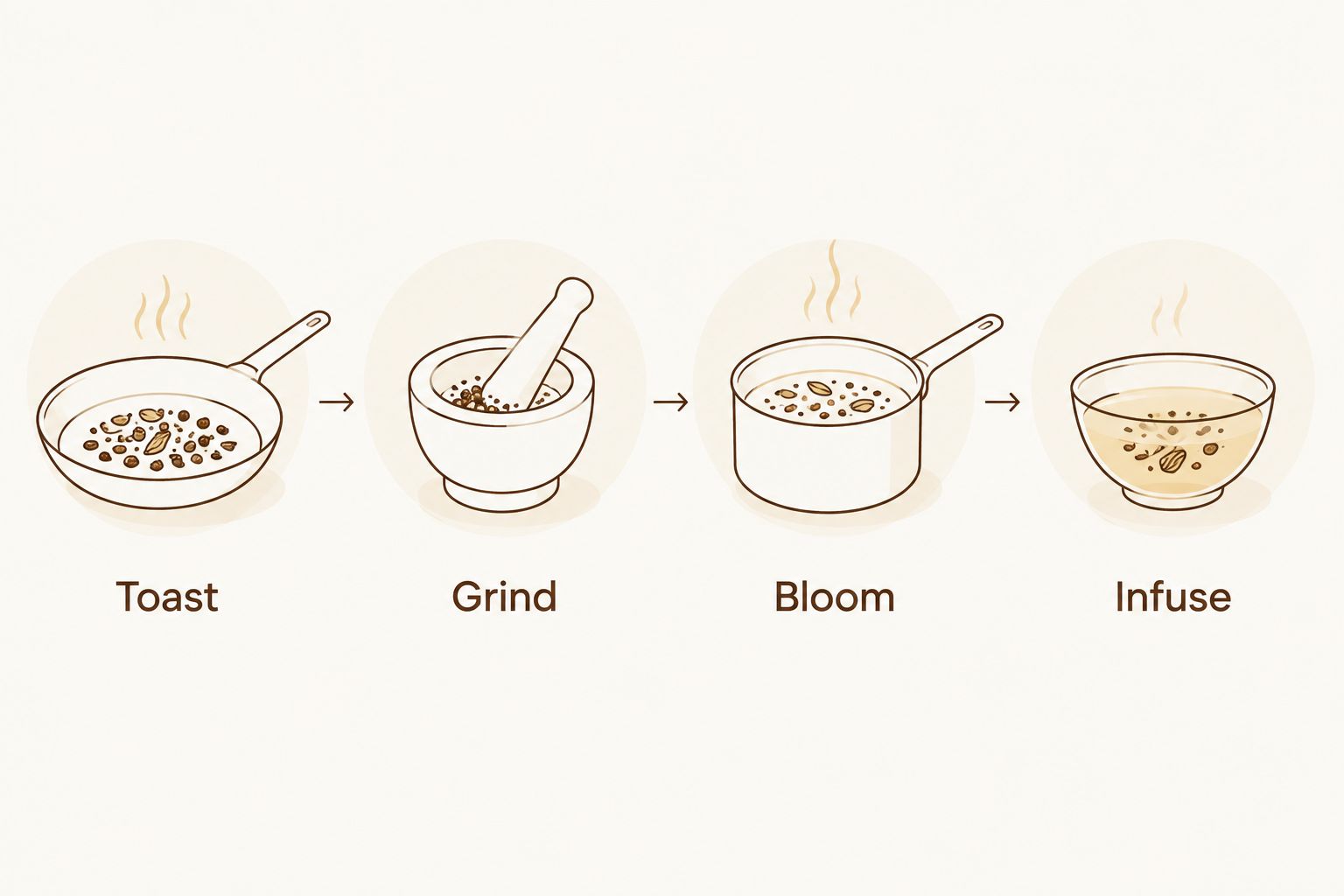
Toast, bloom, or infuse supporting spices separately
Ghost pepper does not need to carry every flavor in the sauce. Whole peppercorns, cardamom, or another chosen spice can add a distinct supporting note, but each addition should have a purpose.
Toast supporting whole spices gently when the recipe calls for that flavor, then cool and grind them. Bloom suitable spices in the recipe’s fat, or infuse them into liquid and strain. Avoid aggressively dry-toasting ghost peppers in this workflow: airborne chili fumes make the process harder to handle.
5Senses single-origin whole spices fit this supporting role. Use a spice because its flavor belongs in the sauce, not because a longer ingredient list looks more developed. Record supporting spices by weight in your 2026 formulation notes.
- Toast: prepare supporting spices separately from the ghost peppers.
- Grind: match the particle size to your intended sauce texture.
- Bloom: use only the fat already planned for the recipe.
- Infuse: strain whole spices when you want flavor without particles.
- Change one supporting spice at a time during development.
Adjust texture without losing the recipe record
Blend the sauce to the texture you chose at the start. If you strain it, record the finished yield after straining rather than assuming every ingredient remains in the bottle. Removing solids changes both yield and the eating experience.
Add liquid in measured amounts. A thinner sauce spreads differently across food, so assess heat again after the texture adjustment. Do not make a late dilution and keep the original recipe notes unchanged.
For repeat batches, record the blender, preparation method, and straining choice. These details help explain why identical ingredient weights produce different textures.
- Blend with the lid secured and follow the equipment’s instructions for hot liquids.
- Let hot mixtures cool when required by your blender’s instructions.
- Weigh any liquid added to loosen the sauce.
- Record whether you strained and how much finished sauce remained.
- Reassess flavor on food after the final texture adjustment.
Choose storage before you bottle
A sauce that tastes acidic is not automatically shelf-stable. For home development, keep the sauce refrigerated and use a tested recipe’s storage instructions rather than inventing a shelf life from the ingredient list.
In 2026, the U.S. FDA’s acidified-food rules remain a relevant reference for applicable commercial products. Their definition includes a finished equilibrium pH of 4.6 or below, alongside other conditions. That threshold is not a complete home-bottling process or proof that your recipe is safe at room temperature.
If you plan to sell bottled sauce, get the formulation and process reviewed by a qualified process authority and follow applicable requirements. Fermentation, vinegar addition, and heat treatment are not interchangeable shortcuts.
- Refrigerate development batches rather than declaring them pantry-safe.
- Follow a tested recipe’s handling and storage directions.
- Label the container with the preparation date and batch identity.
- Do not use taste, smell, or a vacuum seal as proof of safety.
- Obtain a reviewed process before commercial shelf-stable bottling.
Compare preparation options for your sauce
Choose the method that solves your actual problem. Convenience, texture, and control are separate considerations; no preparation format guarantees consistent heat across different pepper lots.
| Option | Best for | Main advantage | Key limitation |
|---|---|---|---|
| Rehydrated whole dried peppers | Smooth cooked or blended sauces | Lets you inspect the chilies and control added liquid | Requires soaking and blending; skins can remain noticeable |
| Dry ghost pepper powder | Recipes designed around a measured powder | Mixes without a separate soaking step | Creates dust during handling and does not hydrate instantly |
| Separately blended pepper concentrate | Small-batch recipe development | Lets you adjust heat without changing the whole batch at once | Needs its own weight record, labeling, and storage handling |
| Fermented pepper preparation | Makers following a tested fermentation method | Builds a different flavor profile before final blending | Requires a separate controlled process; fermentation alone does not establish shelf stability |
A separate wet concentrate is the clearest development method when your priority is controlled additions. Its drawback is the extra preparation and recordkeeping. Dry powder removes the soaking step, but it adds dust management and can leave particles if the recipe does not account for hydration.
5Senses is best for home cooks seeking single-origin whole spices and tools for grinding and storage. It is not a substitute for a tested hot sauce recipe or a validated commercial preservation process.
Common mistakes hot sauce makers make
Counting peppers instead of weighing ingredients
One large chili and one small chili are not equivalent recipe inputs. Weigh the dried peppers, record the concentrate yield, and repeat the preparation method. Even then, reassess each new lot rather than assuming the same heat.
Putting all the ghost pepper into the first blend
Adding the full amount at once removes your easiest adjustment point. Keep the pepper concentrate separate until the base tastes right, then work through a small sample before scaling.
Treating seed removal as reliable heat control
Removing seeds does not make ghost pepper mild. Capsaicinoids are concentrated in the internal placental tissue, and seeds can carry them on their surfaces. Control the amount of pepper concentrate instead of relying on deseeding.
Confusing a cooking recipe with a preservation process
A flavorful sauce recipe answers a cooking question. It does not necessarily answer a shelf-stability question. Keep that distinction explicit in your 2026 batch records, especially if a home recipe becomes a product you intend to sell.
FAQ
What's the best way to use ghost pepper for hot sauce making?
For recipe development, rehydrate the dried peppers, blend a separate concentrate, and add it gradually to a weighed sauce base. Record the additions so you can repeat the ratio without relying on pepper counts.
Do I need to soak dried ghost peppers before making sauce?
Soak dried ghost peppers when you want them soft enough for smooth wet blending. Dry powder follows a different preparation method and needs adequate hydration within the recipe.
Can I grind dried ghost peppers in a spice grinder?
Dry grinding produces irritating chili dust, so wet blending is the better fit for this sauce-development workflow. If you use a grinder, follow its instructions and prevent dust from reaching your face or spreading around the kitchen.
How much dried ghost pepper should I put in my sauce?
There is no universal amount that produces the same heat in every sauce. Start with a weighed sample of your base, add measured concentrate gradually, and judge a tiny amount with the intended food.
Does removing ghost pepper seeds make the sauce mild?
No, removing seeds does not reliably make ghost pepper sauce mild. The internal placental tissue contains concentrated capsaicinoids, so control heat through the amount of pepper used.
Can homemade ghost pepper sauce stay unrefrigerated?
Do not assume homemade ghost pepper sauce is safe unrefrigerated. Shelf-stable bottling requires an appropriate tested or validated process; vinegar, fermentation, or a sealed bottle alone does not establish safety.
Can I use whole spices in ghost pepper sauce?
Yes, supporting whole spices can be toasted, ground, bloomed, or infused according to the recipe. Prepare them separately during development so you can assess their flavor before combining them with the pepper concentrate.
One last thing
Your most useful 2026 batch note is not simply the dried pepper weight. It is the relationship between that weight, the finished concentrate, and the amount added to the base.
Record the concentrate yield before you taste the sauce. Two preparations using the same dried pepper weight can contain different amounts of added water. Without that detail, repeating the addition weight does not repeat the pepper ratio.