5Senses exotic vanilla for pastry chefs: two origins, distinct roles
Explore 5Senses exotic vanilla for pastry chefs: Madagascar for creamy custards and Uganda for cocoa-led desserts, with origin details and tasting tips.
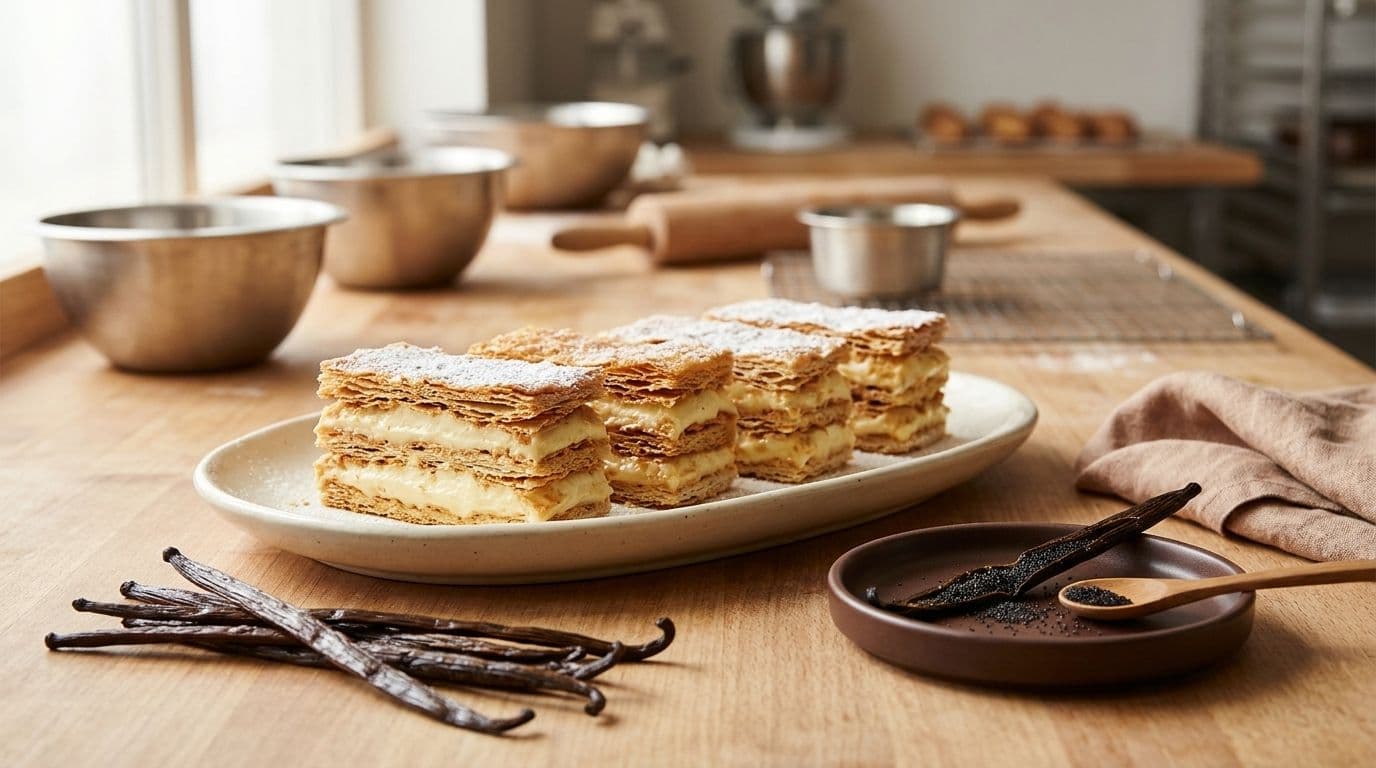
Choose 5Senses Madagascar Grade A vanilla for a creamy pastry reference and Uganda Grade A vanilla for a cocoa-led dessert trial. This guide follows the named origins behind both whole beans and shows you how to give each a useful role on your pastry menu.
TL;DR- 5Senses exotic vanilla for pastry chefs starts with named origins and the dessert you want to make.
- Madagascar Grade A beans come from Ampanefena in the SAVA region, with creamy, buttery tasting notes.
- Uganda Grade A beans come from Rwenzori Valley, with chocolatey, earthy and floral notes.
- Compare equal bean weights in matched recipes, then taste each dessert at serving temperature.
Why origin matters at the pastry bench
A vanilla bean has to do more than smell good when you open the pouch. You need an ingredient that suits your preparation, a flavor that works in the finished dessert, and sourcing details you can record when ordering again.
The Madagascar Vanilla Beans (Grade A) offer a creamy starting point. Their published profile describes deep, buttery sweetness and aromatic warmth. That makes a dairy-led dessert a sensible first trial, without claiming the same bean is the right answer for every pastry.
A chocolate tart asks a different question from a plain custard. Instead of selecting one origin for the entire menu automatically, decide what vanilla should contribute to each component. A dependable creamy background and a darker accent are different jobs.
This guide covers whole beans. Extract, paste and separated seeds are different formats; do not carry a whole-pod recipe measurement across to them without product-specific guidance.
Ampanefena: a named Madagascar source
The Madagascar product identifies Ampanefena in the SAVA region as its source. That is more precise than a country label alone and gives your kitchen a clear ingredient reference.
A named growing place is not the same thing as a claim about the vanilla plant's native birthplace. It also does not establish that one soil type creates a guaranteed flavor. Keep the source designation, processing description and sensory notes separate: each tells you something different.
The product page describes hand-pollinated, traditionally cured beans, vacuum-sealed at source. Those details explain the stated preparation and packing of this product. They do not establish an exact harvest date, a farm name or a lot-specific curing schedule.
Creamy, buttery vanilla for a dairy-led brief
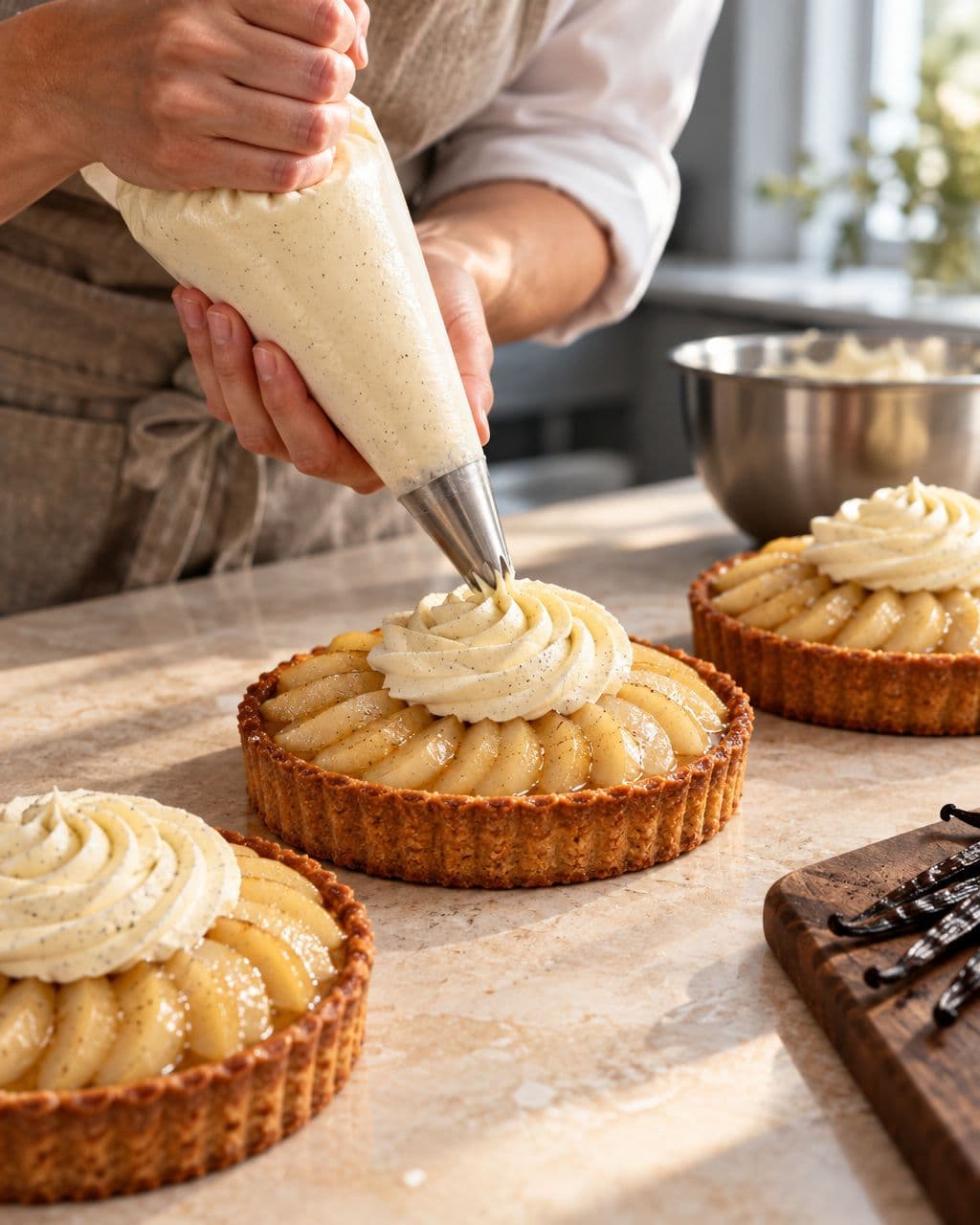
Start with a custard, pastry cream or another preparation in which dairy and vanilla remain easy to evaluate. Keep your established recipe intact for the first trial. Changing the dairy blend and the vanilla together makes the result harder to interpret.
Best for: pastry chefs establishing a creamy vanilla reference for custards and fillings.
Strengths:
- A named Ampanefena source supports a specific purchasing record.
- Creamy, buttery tasting notes give you a clear recipe-development direction.
- Whole beans let you work with the scraped seeds and the aromatic pod.
Tradeoffs:
- Splitting, scraping and removing pods adds preparation compared with a ready-to-measure format.
- A creamy profile is not a promise that this origin will be preferred in every finished dessert.
Verdict: start with a small pastry-cream trial before making Madagascar your standard bean across the menu.
Rwenzori Valley: Uganda vanilla with cocoa-like depth
The Uganda Vanilla Beans (Grade A) identify Rwenzori Valley, Uganda, as their source. The product describes bold, chocolatey, earthy and floral notes with deep cocoa-like undertones.
Those sensory descriptions suggest a useful direction for chocolate-led recipe development. They are not a promise that the vanilla will taste stronger than Madagascar at the same pod count, or that adding it will improve every chocolate dessert.
The product page describes Grade A gourmet whole pods, hand-selected and vacuum-sealed after curing. Keep that account attached to the Uganda product rather than assuming its processing is identical to the Madagascar beans.
A practical starting point for chocolate desserts
Choose a familiar chocolate custard or tart filling for the first test. You already know the base, so you can focus on what changes when you use the Rwenzori beans.
If the chocolate masks the difference, compare the same vanilla in a plainer dairy component. That helps distinguish an unsuitable pairing from a difference that is simply difficult to notice in an assertive base.
Best for: pastry teams exploring a cocoa-like vanilla accent alongside chocolate.
Strengths:
- The named Rwenzori Valley source gives you a defined origin to record.
- Chocolatey and earthy tasting notes suggest a distinct menu role.
- Whole-pod preparation supports both seed use and recipe-led infusion.
Tradeoffs:
- The listed flavor direction does not establish a universal strength ranking.
- A dense chocolate preparation can make subtle vanilla differences harder to assess.
Verdict: trial Uganda in a familiar chocolate component, then decide whether it earns a separate place on your menu.
Two origins at a glance
These are use-case recommendations based on the current product descriptions, not results from an independent blind tasting.
| Whole-bean option | Best for | Named source | Published flavor direction | Main tradeoff |
|---|---|---|---|---|
| Madagascar Grade A | A creamy house-vanilla reference | Ampanefena, SAVA region, Madagascar | Creamy, buttery sweetness and aromatic warmth | Does not replace a recipe trial when other ingredients dominate |
| Uganda Grade A | A cocoa-led dessert comparison | Rwenzori Valley, Uganda | Chocolatey, earthy, floral and cocoa-like | Not established as a stronger substitute at the same pod count |
5Senses vanilla beans give pastry chefs two named-origin starting points: creamy Madagascar and cocoa-like Uganda. Choose the role first, then test the bean in the finished dessert.
What the published specifications tell you
The product pages checked on November 12, 2026, list approximate Madagascar bean length at 16.5–20 cm and moisture at 29–36%. The Uganda page lists approximately 17–20 cm and 30–35% moisture.
These are published product descriptions, not measurements independently confirmed for the packet in your hand. Use them as purchasing references, alongside the condition of the delivered beans and the supplier's handling instructions.
The overlap matters. A length range alone cannot tell you how much vanilla character a pod contributes to a recipe. Nor can a moisture range tell you which finished dessert your team will prefer.
Grade A is the product designation used on these pages. Read it with the accompanying specifications rather than treating the label as an independent sensory award.
For a useful delivery record, note:
- The exact product name and origin.
- Any lot information supplied with the shipment.
- Package condition when received.
- Bean condition when opened.
- The recipe and measured amount used in the first preparation.
Give each bean a job on your menu
Begin with your most frequently prepared vanilla component. It is a better reference than a new dessert whose texture and balance are still changing.
For a creamy pastry filling, use Madagascar as the starting hypothesis. For a chocolate-led component, include Uganda in the trial. Neither choice needs to become a universal rule before you have tasted the result.
A kitchen can reasonably use different origins in different components. The useful outcome is a clear instruction: this bean belongs in this preparation because the finished dessert works better for the brief.
Write the brief before opening the pouch
Define the intended effect in plain language. Creamy vanilla that stays clear in a chilled custard is more useful than the strongest or most exotic bean.
Record:
- The dessert and component being evaluated.
- The flavor role vanilla should play.
- The other dominant ingredients.
- The intended serving temperature.
- The texture and sweetness you want to preserve.
Run a controlled pastry trial
Keep the base recipe constant
Make the same base for both origins. Keep the dairy, sugar, eggs, cooking method and final serving temperature consistent. The first comparison should isolate the vanilla choice, not compare two different recipes.
If your kitchen later adapts each recipe to a particular bean, record that as a separate development stage. Otherwise, a successful adjustment can be mistaken for a difference caused by origin alone.
Measure the bean, not just the count
Record bean weight as well as pod count. Whole pods differ in size and condition, so one pod against one pod is not necessarily an equal-quantity comparison.
Keep your preparation method consistent too. Record whether the recipe uses scraped seeds, an infused pod or both. Avoid a comparison in which one sample receives the whole bean and the other receives only scraped seeds.
Split, scrape and infuse deliberately
Use a clean board and knife. Split the pod lengthwise and collect the seed material without leaving it scattered across the work surface.
If the recipe calls for a whole-bean infusion, include the scraped pod as directed. Follow the recipe's heating and straining method, then remove pod pieces before finishing or serving. Do not add an improvised extra boil simply because the pouch aroma seems quieter than expected.
Taste at the point of service
Smell the opened beans, but judge the finished dessert separately. Warm milk is an intermediate check; it is not the same experience as a chilled pastry cream inside a tart.
Taste each sample at its intended serving temperature. Include the pastry shell, sauce, fruit or chocolate component when those elements belong on the plate. Balance matters more than which sample produces the most dramatic first aroma.
Label the samples without the origin story
Use anonymous sample labels where practical. Ask the team to describe aroma, vanilla character, balance and finish before revealing the origin.
This keeps the sourcing story from doing the tasting for you. Once the preference is recorded, connect the sample label back to the exact bean and preparation notes.
Turn the preferred result into a repeatable instruction
A successful tasting is only useful if another chef can reproduce it. Write the selected origin into the recipe sheet alongside the measurement and preparation method.
Keep a short record of:
- The full whole-bean product designation.
- The measured bean quantity for the batch.
- How seeds and pods enter the recipe.
- The infusion and removal steps already validated by your kitchen.
- The final service conditions.
- The reason this origin fits the component.
When a later batch tastes different, compare the notes before changing the dose. Check the bean, the other ingredients and the preparation together. Do not assume that every difference comes from the vanilla.
Questions to settle before a professional order
A product page is a useful starting point, not a complete supply agreement. Confirm the exact whole-bean product and the documentation your purchasing team needs before standardizing a menu ingredient.
Ask about available lot information, storage instructions for unopened and opened packaging, and the process for handling a delivery that differs from the agreed specification. Do not turn unanswered questions into either a promise or a criticism.
Follow the supplied handling guidance and your kitchen's food-safety procedures. If a package or bean appears questionable, ask for guidance rather than trying to hide the issue in a stronger chocolate preparation.
Common mistakes to avoid
Choosing the origin story instead of the dessert. Named provenance helps identify an ingredient. The finished plate still has to justify the selection.
Using pod length as a flavor score. Length describes the physical bean. It does not replace measurement and tasting.
Treating visible seeds as proof of balance. Seed specks affect presentation, but your custard still needs a clear and appropriate vanilla flavor.
Changing several variables at once. New chocolate, different dairy and a new vanilla bean make a confusing comparison.
Expecting one origin to win every recipe. A creamy reference and a cocoa-led accent can both earn a place in the same kitchen.
FAQ
Which 5Senses vanilla beans should pastry chefs choose?
Start with Madagascar Grade A for a creamy pastry reference and trial Uganda Grade A for a cocoa-led dessert. Choose the final bean by tasting it in your own finished recipe.
Where do the Madagascar Grade A vanilla beans come from?
The product page identifies Ampanefena in Madagascar's SAVA region. It also describes hand pollination, traditional curing and vacuum sealing at source.
Where do the Uganda Grade A vanilla beans come from?
The product page identifies Rwenzori Valley, Uganda. It describes hand-selected gourmet whole pods vacuum-sealed after curing.
Why try Uganda vanilla in chocolate desserts?
The Uganda product description includes chocolatey, earthy and cocoa-like notes. Those notes make a familiar chocolate component a sensible trial, not a guaranteed winning pairing.
Should I compare vanilla beans by count or weight?
Record weight as well as count. Different pod sizes make pod count alone a weak basis for comparing equal ingredient quantities.
Should I use the vanilla pod as well as the seeds?
Use both when your recipe calls for a whole-bean infusion. Follow the recipe's heating and straining method and remove pod pieces before serving.
Does Grade A guarantee the best flavor for every pastry?
Grade A is the product designation, not a promise about every finished dessert. Read the specifications and test the exact beans in the preparation you intend to serve.
One last thing
The best house vanilla is the one your team knows how to use consistently. Give each origin a clear role, record the preparation and taste the complete plate before making it standard.