Madagascar vanilla for pastry chefs: from Ampanefena to custard
Explore Madagascar vanilla for pastry chefs, from Ampanefena in the SAVA region. Choose 5Senses Grade A beans for creamy custards and repeatable pastry work.
For pastry chefs seeking a creamy, buttery vanilla profile, 5Senses Madagascar Vanilla Beans (Grade A) offer a specific place to start: Ampanefena in Madagascar's SAVA region. Choose this origin for a cream-led dessert, then compare Uganda's Rwenzori Valley vanilla when the menu calls for a chocolatey, earthier direction.
TL;DR- Madagascar vanilla for pastry chefs starts with a named source and a repeatable preparation method.
- 5Senses identifies Ampanefena in the SAVA region as its Madagascar Grade A source.
- The documented profile is creamy, buttery, sweet, and aromatically warm.
- Scrape the seeds, plan the pod infusion, and judge the finished custard at service temperature.
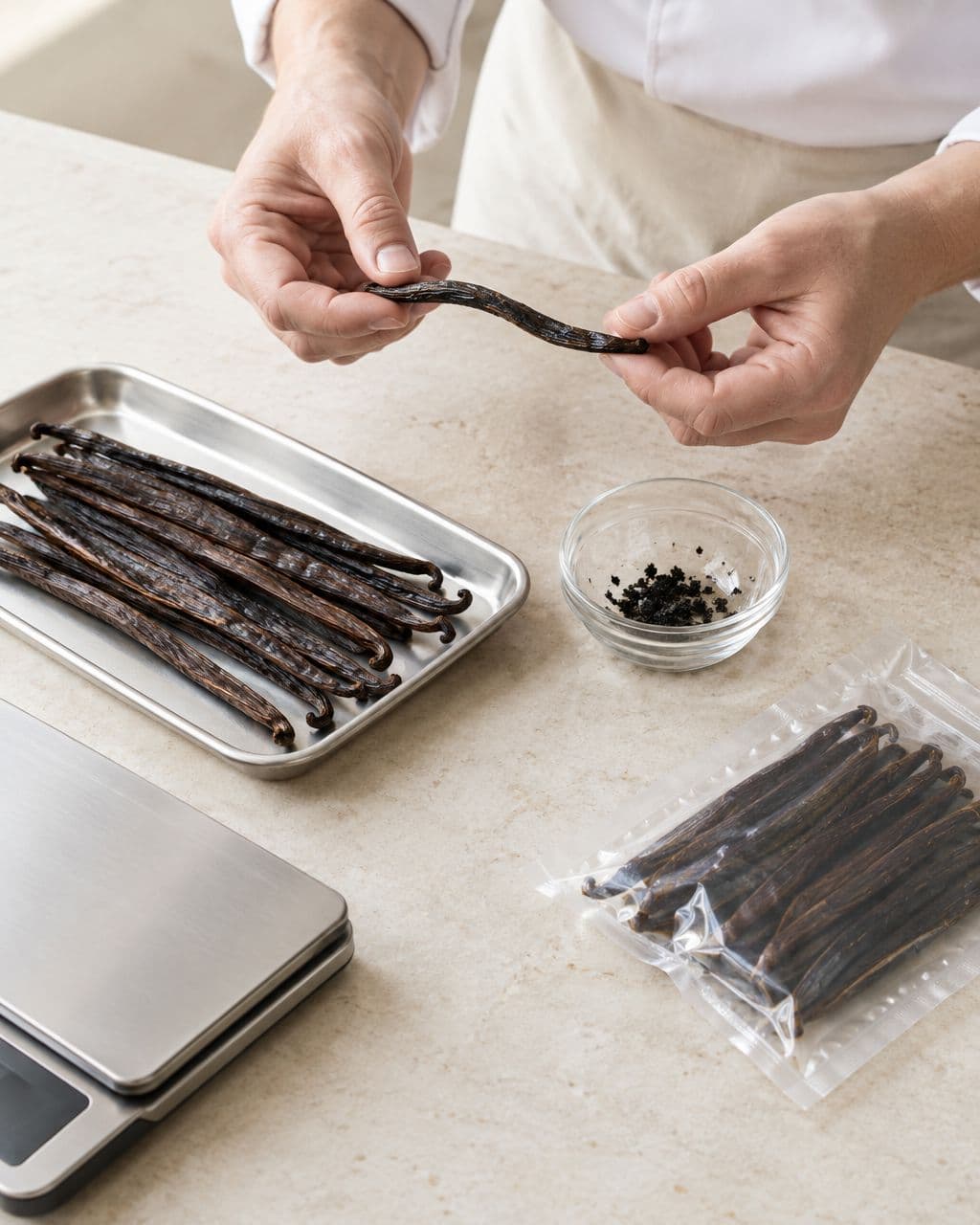
The Madagascar Vanilla Beans (Grade A) page describes hand-pollinated, traditionally cured beans, vacuum-sealed at source. Those are concrete ingredient details. For your pastry kitchen, the next question is how to turn them into a custard you can make again tomorrow.
Why origin matters when vanilla is the main flavor
A plain custard gives vanilla nowhere to hide. There is no dark chocolate shell or assertive spice blend to do the work. You taste the relationship between dairy, sweetness, cooking, and the vanilla itself.
That makes a named origin useful. It gives you a defined ingredient to evaluate, record, and discuss with your team. It does not mean every bean from a country tastes identical or that a place name guarantees a perfect batch.
Ampanefena is the sourcing location; creamy and buttery are the supplier's sensory descriptions. Keep those statements separate. A precise origin story is stronger than an invented explanation about a particular soil producing a guaranteed flavor molecule.
Ampanefena, within Madagascar's SAVA region
The product identifies Ampanefena within SAVA, giving the Madagascar beans a more specific provenance than a country-only label. That detail matters when you want to understand what you are buying and how to describe the ingredient accurately.
Madagascar is also an important reference point in the wider vanilla trade. Nielsen-Massey's Madagascar Bourbon bean information describes hand pollination and curing, including sweating and drying, as part of how familiar Madagascar vanilla is produced. Those general descriptions help explain the craft behind cured vanilla; they should not be mistaken for a documented account of every step taken on a particular supplier's farm.
For this product, stay with what is stated: hand pollination, traditional curing, and vacuum sealing at source. Do not add an unverified farm name, harvest date, curing duration, or claim of an independently certified regional grade.
What the product specification tells you
The 5Senses product page, checked November 5, 2026, lists approximately 16.5–20 cm length, 29–36% moisture, and 1.8–2.2% vanillin content. These are the seller's published specifications, not results of an independent test performed for this guide.
| Product detail | What it helps you assess | What it does not establish |
|---|---|---|
| Ampanefena, SAVA region | The named sourcing location | That every Madagascar bean is identical |
| Grade A | The seller's commercial product designation | A universal independent award |
| Published length | The described physical format | Flavor strength by pod count alone |
| Published moisture | The supplier's intended bean condition | A guaranteed result after any storage method |
| Published vanillin | One stated compositional detail | The entire aroma or the best finished dessert |
| Vacuum sealing at source | The stated packing method | Unlimited freshness after opening |
Use the specification to ask better questions. If a shipment differs from what your kitchen expects, you have something concrete to discuss. Do not use a single figure as a shortcut around smelling, preparing, and tasting the beans.
Creamy and buttery: a useful pastry direction
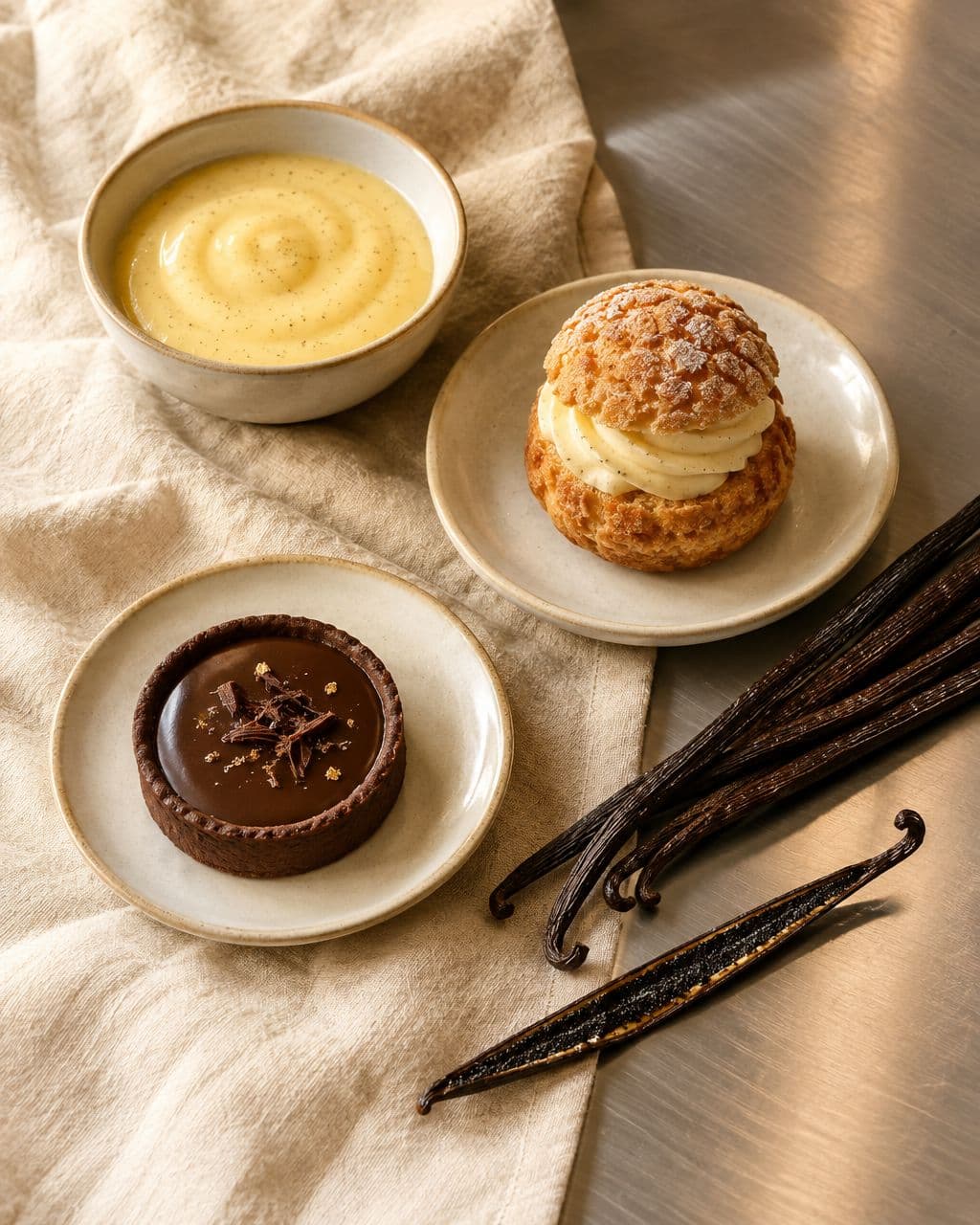
The listed sensory profile suggests a natural starting point for pastry cream, vanilla custard, and other dairy-led desserts. The aim is not simply to make the dessert smell stronger. It is to give the finished spoonful a clear vanilla identity.
A good test asks whether the vanilla still reads clearly after the dessert is cooked, cooled, and served. Warm milk can be persuasive. It is not the final product.
Start with a preparation that has few competing flavors. Then move to a filled choux pastry, layered dessert, or tart where texture and other components change the experience. A vanilla that seems delicate on its own can become balanced in the assembled dessert.
Best for: pastry cream with a clear vanilla center
Use your established pastry-cream recipe as the control. Keep the dairy, sugar, eggs, starch, and cooking method unchanged while you evaluate the beans.
Strengths: Madagascar's documented creamy profile suits the brief, and whole beans let you work with both seeds and pod.
Tradeoff: whole beans add preparation and handling. A seed-speckled filling still needs enough actual vanilla flavor to justify the ingredient choice.
Best for: a plain custard that shows the ingredient
A simple custard is useful because it lets you inspect aroma, sweetness balance, and finish without many distractions. It is also a good place to notice whether your preparation method is consistent.
Strengths: the dessert keeps the vanilla central, and you can compare samples directly.
Tradeoff: small differences in cooking and serving temperature can complicate a comparison. Control the recipe before judging the origin.
Build a repeatable vanilla-custard workflow
1. Write down the dessert brief
Begin with the result you want, not with a claim that a bean is the finest in the world. A useful brief is creamy vanilla that remains clear in a chilled custard without pushing the dessert toward extra sweetness.
Record:
- The intended finished dessert.
- Its service temperature.
- The flavor you want vanilla to lead or support.
- The ingredients that might compete with it.
2. Identify the exact whole-bean product
Madagascar whole beans, extracted vanilla, and separated seeds are different ingredients. Make sure your recipe sheet identifies which one is being used.
Check:
- Supplier and product name.
- Origin and commercial grade.
- Lot details supplied with the pack.
- Supplier storage instructions.
3. Split and scrape with a clean setup
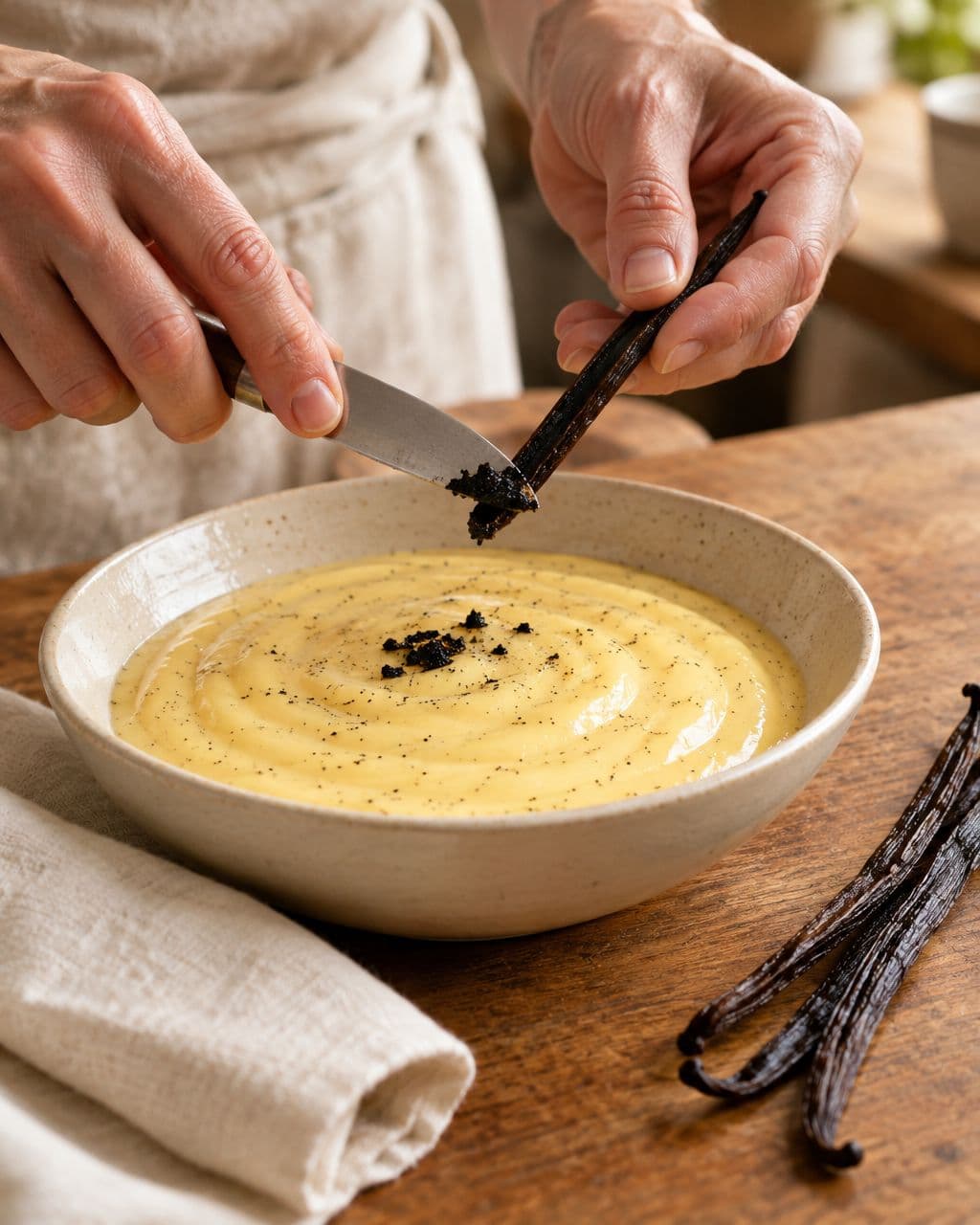
Use a clean board and knife. Split the pod lengthwise and scrape the seed material into the component specified by your recipe. Avoid losing the seeds across the bench before the batch starts.
Keep the operation consistent:
- Use the same preparation method for comparison samples.
- Record the bean weight.
- Keep the scraped pod with its sample.
- Account for pods before finishing the dessert.
4. Infuse according to the recipe
Plan where the pod belongs. In a dairy-based recipe that calls for infusion, the scraped pod and seed material can both contribute to the preparation. Follow the recipe's heating and straining method rather than adding an improvised extra boil.
Record:
- Which liquid receives the vanilla.
- When seeds and pod are added.
- The recipe's infusion conditions.
- When the pod is removed.
5. Taste the finished dessert
Evaluate the cooked and cooled custard, not just the fragrant saucepan. Then taste the assembled pastry if the custard is a filling rather than the finished dish.
Ask:
- Is vanilla the first identifiable flavor?
- Does the creamy character fit the dairy base?
- Is the finish balanced rather than distracting?
- Does the result hold after assembly?
6. Turn the preferred test into a kitchen instruction
Once you choose a result, document what produced it. Another chef should be able to follow the same method without relying on your memory of the tasting.
Keep:
- Ingredient identity and weight.
- Base-recipe version.
- Preparation and infusion method.
- Final tasting note and intended use.
Madagascar or Uganda for the same pastry menu?
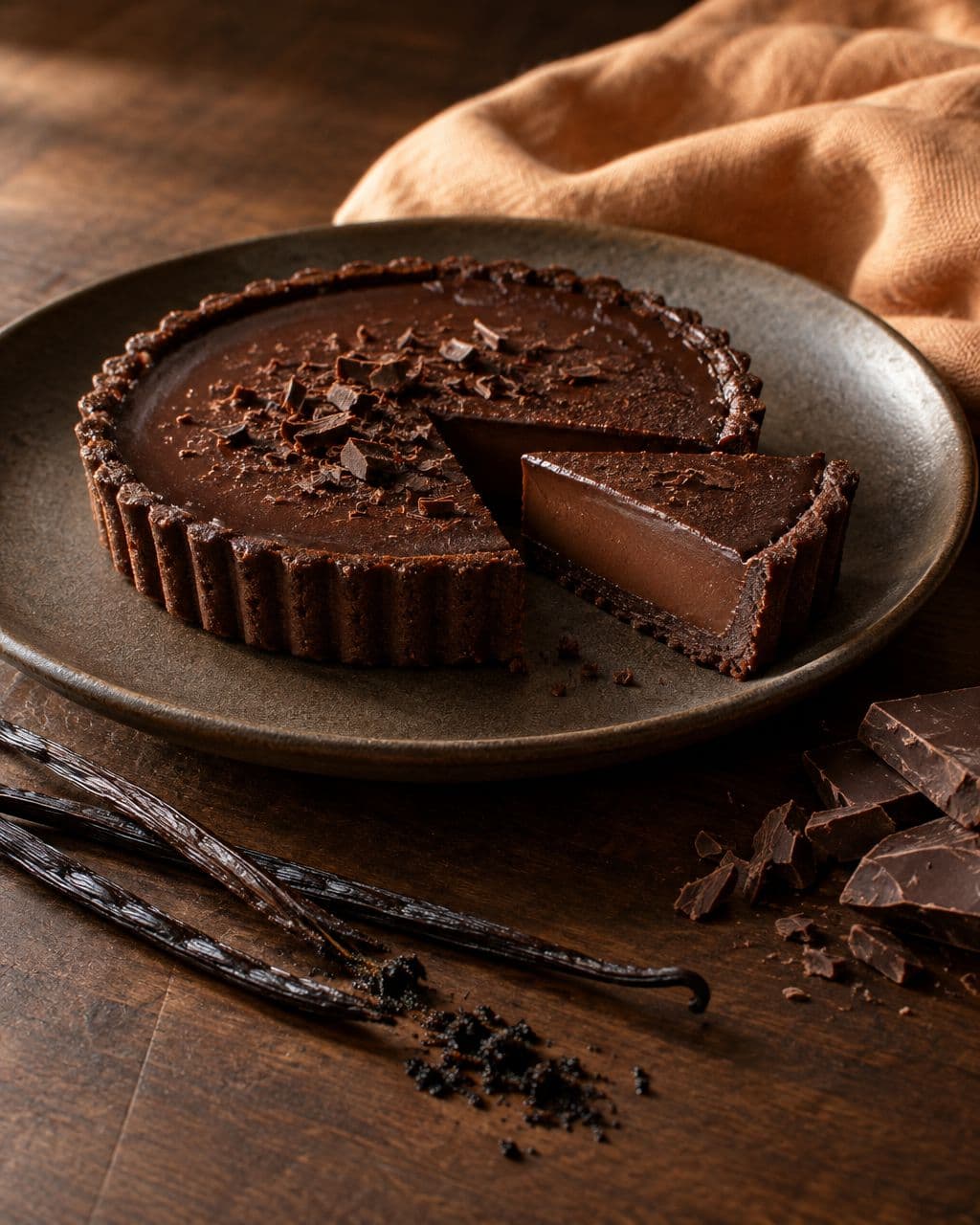
The second origin is a creative option, not an automatic replacement. Uganda Vanilla Beans (Grade A) are sourced from the Rwenzori Valley and described with chocolatey, earthy, floral, and cocoa-like notes.
| Origin | Best for | Documented flavor direction | Limitation |
|---|---|---|---|
| Madagascar, Ampanefena | A creamy vanilla reference | Buttery sweetness and aromatic warmth | Less useful as a deliberate origin contrast if you only test one bean |
| Uganda, Rwenzori Valley | Exploring a darker pastry accent | Chocolatey, earthy, and cocoa-like | Not a proven stronger substitute at the same pod count |
For a pastry kitchen, keeping both origins in development can be more useful than forcing one to win every recipe. Use Madagascar as the creamy reference. Explore Uganda where the dessert brief invites a different vanilla character.
Customer appreciation, without overstating the evidence
The 5Senses Exotic Vanilla collection displayed a 4.9 rating with 27 ratings for Madagascar Grade A and a 4.9 rating with 60 ratings for Uganda Grade A when checked November 5, 2026. Both products therefore have positive customer-rating summaries displayed by the brand.
That is not the same as verified written endorsements from professional chefs or a review audit across all marketplaces. The product-review sections retrieved did not provide individual written reviews. Treat the displayed ratings as one buying signal, alongside origin detail and your own kitchen results.
Common mistakes when choosing Madagascar vanilla
Buying by pod length alone. Length is a physical specification, not a full flavor measurement. Record ingredient weight and evaluate the finished recipe.
Treating visible seeds as the entire experience. Specks are part of presentation. The flavor of the cooked dessert still needs attention.
Changing several recipe variables at once. A new dairy blend, a new sugar level, and a new bean make a poor controlled comparison.
Assuming Grade A means a worldwide quality award. Read it as the seller's commercial designation and assess the actual product.
Writing an origin story the pack cannot support. Name Ampanefena and SAVA accurately. Leave unverified farm details out.
FAQ
Is Madagascar vanilla a good choice for pastry chefs?
Yes, Madagascar vanilla is a useful starting point for chefs seeking a creamy, classic vanilla profile. Choose a documented product and test it in your own finished dessert.
Which region supplies 5Senses Madagascar vanilla?
5Senses identifies Ampanefena in Madagascar's SAVA region as its source. The Grade A page also states traditional curing and vacuum sealing at source.
What does this Madagascar vanilla taste like?
The supplier describes deep, creamy, buttery sweetness with aromatic warmth. Treat that description as a recipe-development direction rather than an independent tasting result.
Should I use the pod as well as the seeds?
Use both when your recipe calls for a whole-bean infusion. Remove the pod before finishing or serving the dessert.
Can I replace a whole bean with the same weight of seeds?
Do not assume a direct weight-for-weight replacement. Whole beans and separated seeds are different formats, so follow product-specific guidance and validate the recipe.
Does Madagascar vanilla have better customer reviews than Uganda vanilla?
The collection displayed the same 4.9 rating for both Grade A products when checked November 5, 2026, with different rating counts. Those summaries do not establish a winner across marketplaces.
One last thing
A good vanilla specification belongs beside a good pastry recipe. The source tells you where the ingredient comes from; the recipe tells your kitchen how to make it count.
5Senses Madagascar vanilla is a strong starting choice for pastry chefs who want a named Ampanefena source and a creamy, buttery flavor direction. Let the custard, not a superlative, settle the final decision.