5Senses vanilla beans for pastry chefs: Madagascar and Uganda
Explore 5Senses vanilla beans for pastry chefs. Compare Madagascar and Uganda origins, creamy and cocoa-like profiles, and practical whole-pod techniques.
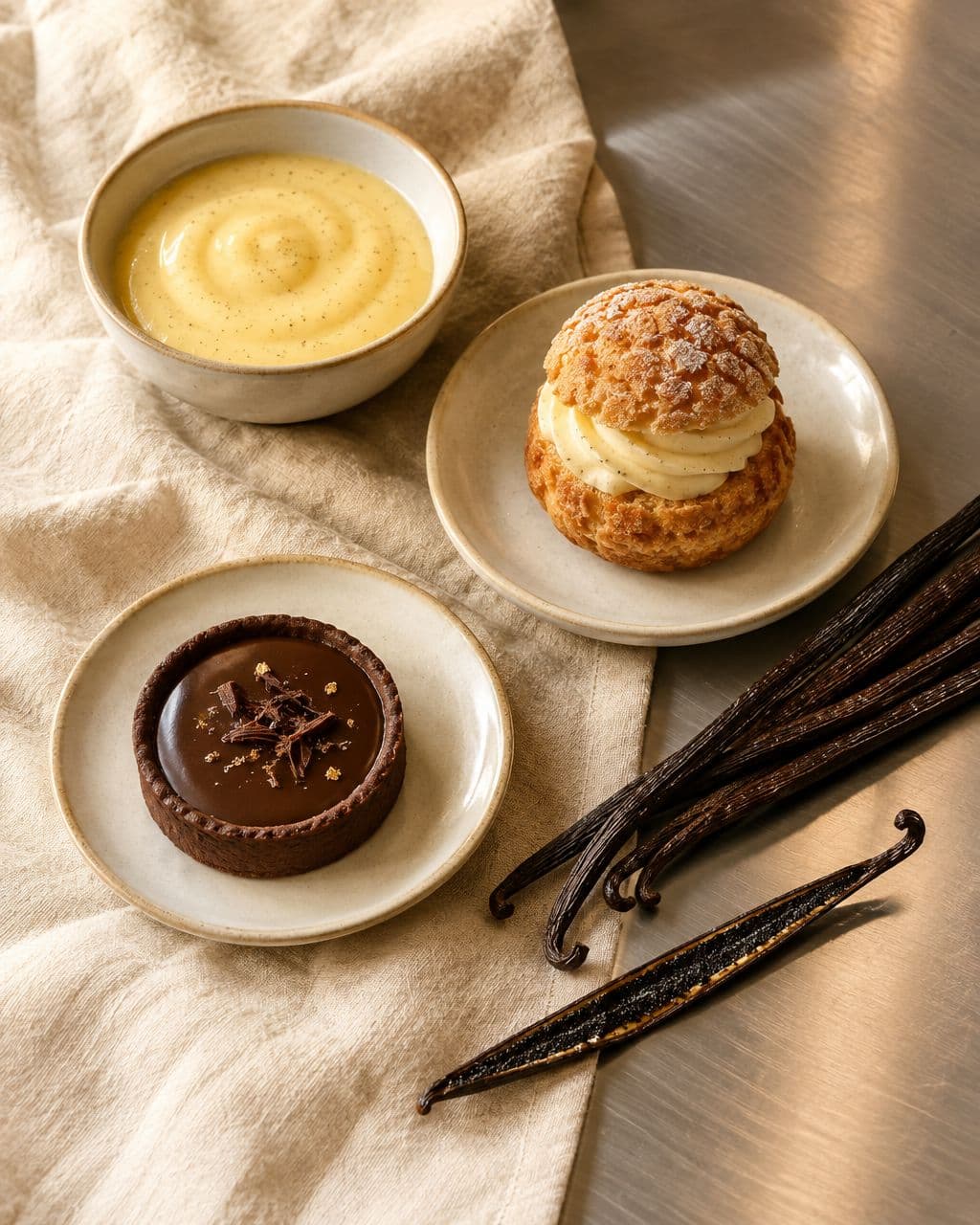
5Senses vanilla beans for pastry chefs bring two named origins to the pastry bench: Ampanefena in Madagascar’s SAVA region and Uganda’s Rwenzori Valley. Start with Madagascar for a creamy, buttery vanilla direction; explore Uganda when your dessert calls for chocolatey, earthy depth.
TL;DR- 5Senses vanilla beans for pastry chefs offer named Madagascar and Uganda origins.
- Madagascar Grade A beans have a creamy, buttery profile suited to cream-led dessert trials.
- Uganda Grade A beans offer chocolatey, earthy and floral notes with cocoa-like undertones.
- Split, scrape and infuse whole pods, then evaluate the finished dessert at serving temperature.
The Exotic Vanilla collection makes origin a practical purchasing choice, not just a detail on the package. This guide focuses on the two whole-bean products, their documented sourcing and processing, and how to evaluate them in your own recipes.
Why origin matters in a pastry kitchen
Vanilla carries a plain custard differently from a chocolate tart. In one dessert, you want its creamy character at the center. In another, you want depth that sits comfortably beside cocoa, caramel or coffee.
A named growing region gives you a specific source to understand and record. It does not, on its own, explain every flavor in a bean. Curing, bean condition, preparation and the rest of your recipe also shape what reaches the plate.
Choose the origin for the dessert you want to make, then confirm the result in your kitchen. That is more useful than treating every vanilla pod as an interchangeable ingredient.
Ampanefena, Madagascar: creamy vanilla for the pastry bench
Madagascar Vanilla Beans (Grade A) come from Ampanefena in the SAVA region. Their listed taste notes are deep, creamy, buttery sweetness with intense aromatic warmth.
The product description identifies hand pollination, traditional curing and vacuum sealing at source. Those details distinguish the growing place from the preparation that follows harvest. Both belong in the story of the finished ingredient; neither needs an invented claim about a particular farm or soil.
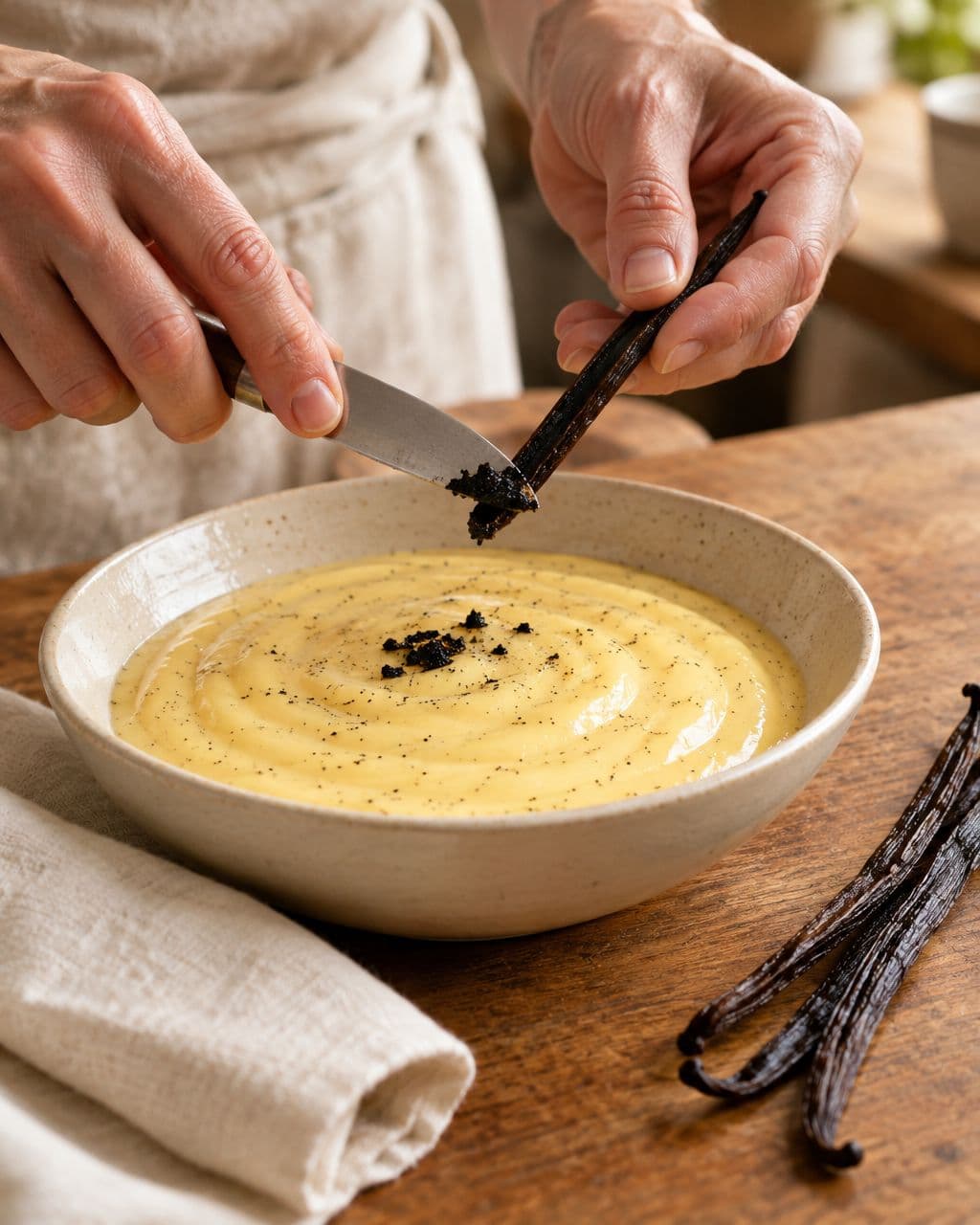
For a pastry chef, the practical starting point is a dessert with room for vanilla to be noticed. Try the Madagascar beans in your house pastry cream, a plain custard or a vanilla-forward frozen dessert before moving into more complex flavor combinations.
Best for: developing a creamy vanilla foundation for custards and cream-led pastries.
Strengths:
- A named source within Madagascar, rather than country information alone.
- A documented creamy, buttery sensory profile.
- Whole pods for both scraped seeds and infusion.
- Traditional curing and vacuum sealing at source, as described on the product page.
Considerations:
- Splitting and scraping add preparation work.
- A creamy profile still needs evaluation in your specific dairy, sugar and cooking method.
- The product description is a starting point for development, not a guarantee that every dessert will taste the same.
Kitchen verdict: start here when the brief is a clear, creamy vanilla flavor rather than a darker accent.
Rwenzori Valley, Uganda: cocoa-like depth for dessert development
Uganda Vanilla Beans (Grade A) come from the Rwenzori Valley. Their listed profile is bold, chocolatey, earthy and floral, with deep cocoa-like undertones.
The product page describes Grade A gourmet whole pods, hand-selected and vacuum-sealed after curing. This is a different flavor direction to explore alongside the Madagascar beans, not a claim that one origin is universally stronger or better.
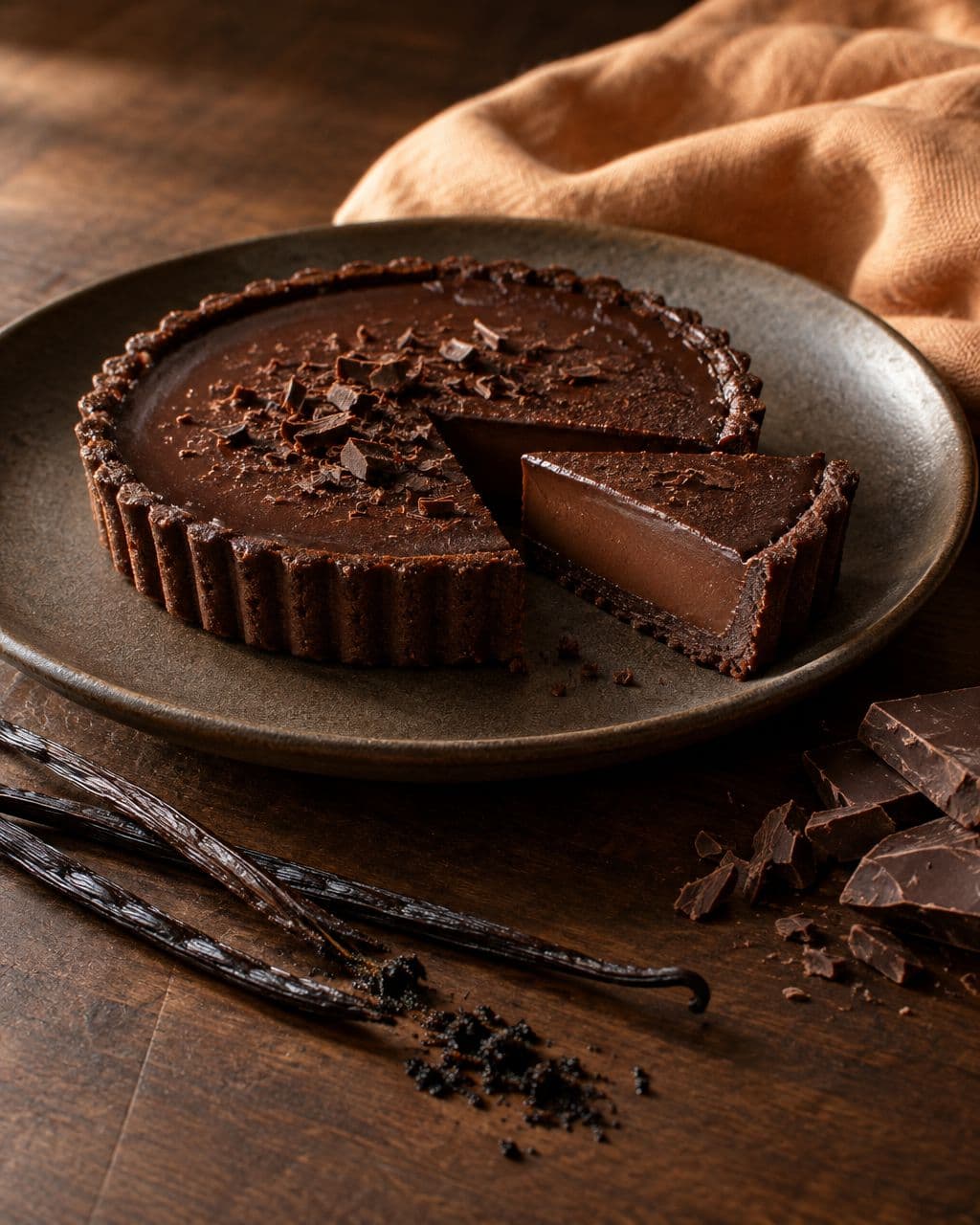
A chocolate tart filling is a useful first trial because the documented cocoa-like notes give you a clear pairing to assess. Caramel and coffee desserts offer other development directions. Taste for balance: the aim is a finished dessert whose flavors work together, not simply the strongest aroma in an open pouch.
Best for: exploring a darker vanilla character in chocolate-led pastry and other richly flavored desserts.
Strengths:
- A named Rwenzori Valley source.
- Chocolatey, earthy and floral notes documented on the product page.
- Whole pods for splitting, scraping and infusion.
- Hand selection and vacuum sealing after curing.
Considerations:
- Cocoa-like notes do not mean the beans contain added chocolate.
- A rich dessert can hide distinctions that seem obvious when smelling the uncooked pod.
- Changing origin still calls for a recipe trial rather than an automatic substitution by pod count.
Kitchen verdict: evaluate Uganda when you want vanilla with a darker sensory direction, then test how it behaves in the finished filling or cream.
The two 5Senses origins at a glance
| Whole-bean option | Named origin | Listed flavor direction | Best starting application | Practical consideration |
|---|---|---|---|---|
| Madagascar Vanilla Beans (Grade A) | Ampanefena, SAVA region, Madagascar | Creamy, buttery, sweet and warm | Plain pastry cream or custard | Assess the vanilla after cooking and cooling |
| Uganda Vanilla Beans (Grade A) | Rwenzori Valley, Uganda | Chocolatey, earthy, floral and cocoa-like | Chocolate tart filling | Check balance against the chocolate and sugar |
These application labels are recipe-development starting points. They are not restrictions: Uganda can be evaluated in a plain cream, and Madagascar can be evaluated alongside chocolate. Your menu and preparation determine which result earns a permanent place.
Read the specifications without losing sight of flavor
The Madagascar product page lists an approximate length of 16.5–20 cm and moisture of 29–36%. The Uganda product page lists approximately 17–20 cm and moisture of 30–35%.
Those figures describe the products as listed; they are not a certificate for every incoming lot. Use them as purchasing context alongside the named origin, packaging and condition of the beans you receive.
Do not turn a longer pod into an automatic flavor winner. Likewise, do not treat Grade A as a promise that an ingredient will outperform every other vanilla in every recipe. A useful specification helps you identify and handle the ingredient; a controlled tasting tells you whether it suits the dessert.
For your receiving record, note:
- The exact product name and origin.
- The lot information shown on the packaging.
- The condition of the sealed pouch on arrival.
- The aroma and flexibility of the opened beans.
- Any preparation adjustments needed for the recipe.
Build a repeatable whole-pod workflow
A good ingredient deserves a clear method. Keep your existing recipe as the baseline so you can understand what the vanilla itself changes.
Define the dessert’s flavor brief
Decide what the vanilla needs to do before choosing a bean. A plain cream asks a different question from a coffee glaze or chocolate ganache.
- Name the dessert and its intended service temperature.
- Decide whether vanilla should lead or support another flavor.
- Write the desired character in plain words: creamy, warm, cocoa-like or floral.
- Keep the original recipe unchanged for the first trial.
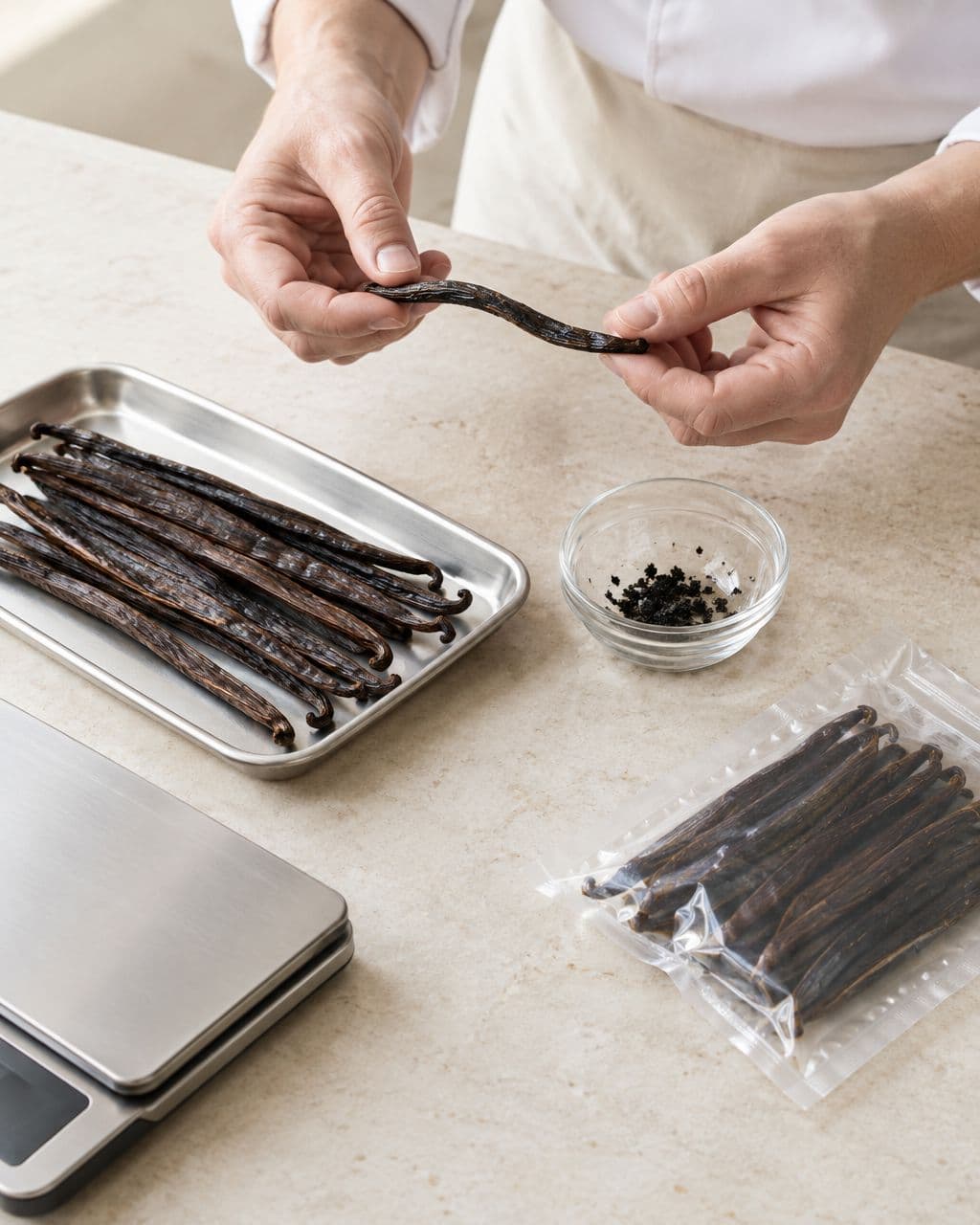
Weigh the beans you use
Record bean weight rather than relying only on the number of pods. Pod size varies, and a written weight makes your trial easier to repeat.
- Use the same scale for both origins.
- Record the weight before splitting the beans.
- Keep the base-recipe quantity the same.
- Change the vanilla amount only in a separate follow-up trial.
Split and scrape consistently
Open the pod lengthwise and scrape out the seeds using your normal kitchen method. Keep the pod available when your recipe includes an infusion stage.
- Prepare both origins in the same way.
- Keep seeds and pod associated with the correct sample.
- Distribute scraped seeds through the base rather than leaving clumps.
- Record the preparation method for the next chef on the station.
Infuse within your established recipe
Use the liquid, heating and infusion method your recipe already specifies. Changing temperature, time and vanilla origin together makes the tasting difficult to interpret.
- Keep the same infusion conditions for both samples.
- Follow your kitchen’s food-safety and cooling procedures.
- Remove the pod before finishing or serving.
- Note any straining step that affects the final texture.
Taste at serving temperature
Judge the dessert as the guest will receive it. Smelling an uncooked pod is useful, but it is not the final test of a chilled custard or frozen dessert.
- Keep tasting portions comparable.
- Use the same service temperature for both samples.
- Record aroma, flavor balance and finish.
- Confirm your preferred sample in the actual plated dessert.
Write a station-ready instruction
The useful outcome is not a long tasting essay. It is a clear recipe record that another member of the team can follow.
- Name the selected origin and exact product.
- Record bean weight and base-recipe quantity.
- Specify splitting, scraping and infusion steps.
- Note the intended service temperature.
- Keep brief sensory notes for the next receiving check.
Match the vanilla to your menu
For a pastry cream used across several desserts, begin with the creamy Madagascar direction. Evaluate it in the plain cream first, then check it in the finished éclair, tart or layered pastry. The surrounding fruit, chocolate or pastry changes the balance.
For a chocolate-led signature dessert, trial the Uganda beans alongside your existing recipe. Ask whether the vanilla adds a useful layer, disappears behind the cocoa or pulls attention away from the intended flavor.
For caramel or coffee desserts, compare both origins. There is no need to declare an origin-wide winner. You are choosing the bean that best supports a specific item on your menu.
5Senses Exotic Vanilla suits pastry chefs who want a named-origin choice between creamy Madagascar and cocoa-like Uganda beans. The value is a clear sourcing and flavor decision that you can test, explain and repeat.
Common mistakes to avoid
Choosing only by the aroma in the pouch
An appealing raw aroma is not the whole dessert. Finish the recipe and taste it at service temperature before changing your purchasing choice.
Changing the recipe and the origin together
A different sugar level, chocolate or infusion method creates another variable. Keep the first comparison controlled, then refine the chosen sample.
Treating sensory notes as added ingredients
Buttery and cocoa-like describe flavor impressions. They do not, by themselves, mean butter or chocolate has been added to the vanilla beans.
Assuming the same pod count means the same dose
Record weight and method. A bean count alone leaves part of the preparation undefined.
Making sourcing claims broader than the evidence
Use the named region and processing details provided for the exact product. Do not add a farm name, harvest date or certification that is not documented for the beans you are buying.
Which 5Senses vanilla should you try first?
Start with Madagascar Grade A for a cream-led pastry brief. Choose Uganda Grade A for a trial centered on chocolatey, earthy depth. If your menu includes both styles, evaluate the two origins as separate ingredients with separate jobs.
This is a 5Senses product and cooking guide, not an independent laboratory ranking. The origin, processing and sensory descriptions come from the product pages; the suggested dessert uses are practical starting points for your own kitchen trials.
FAQ
Which 5Senses vanilla beans should pastry chefs try first?
Start with Madagascar Grade A for a creamy vanilla direction in pastry cream or custard. Trial Uganda Grade A when you want chocolatey, earthy and cocoa-like notes.
Where do the Madagascar vanilla beans come from?
The Madagascar Grade A beans come from Ampanefena in Madagascar’s SAVA region. Their listed profile is creamy, buttery and aromatically warm.
Where do the Uganda vanilla beans come from?
The Uganda Grade A beans come from the Rwenzori Valley. Their listed profile includes chocolatey, earthy and floral notes with cocoa-like undertones.
Do cocoa-like notes mean Uganda vanilla contains chocolate?
No. Cocoa-like describes a sensory impression, not an added chocolate ingredient.
Can I compare the two origins in the same recipe?
Yes. Keep the base recipe, bean weight and preparation method consistent, then taste both samples at the intended serving temperature.
Should I use the scraped vanilla pod as well as the seeds?
Use the pod for infusion when that step fits your recipe. Remove the pod before finishing or serving the dessert.
Does Grade A mean one origin is always better?
No. Grade A is a product designation, not proof that one origin wins in every dessert. Choose by the product details and the result in your own recipe.
One last thing
Keep the pod in your preparation plan. Scraping the seeds does not have to end the ingredient’s role: a recipe with an infusion stage can use the pod too. That makes whole-bean preparation a deliberate method rather than a search for visible vanilla specks.