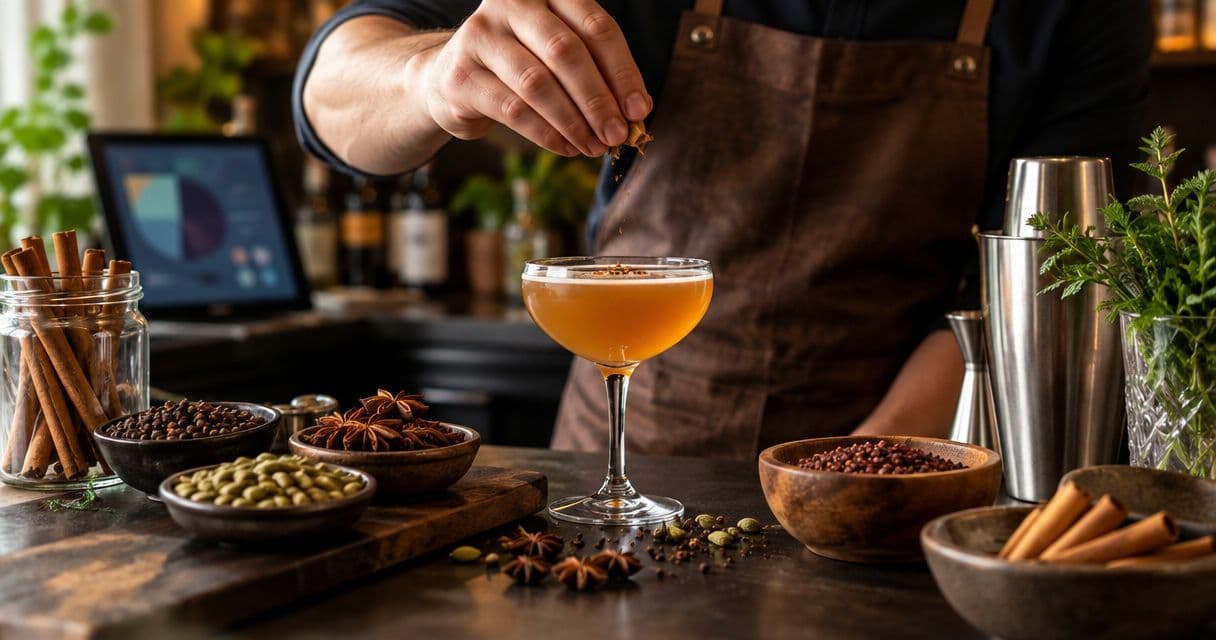
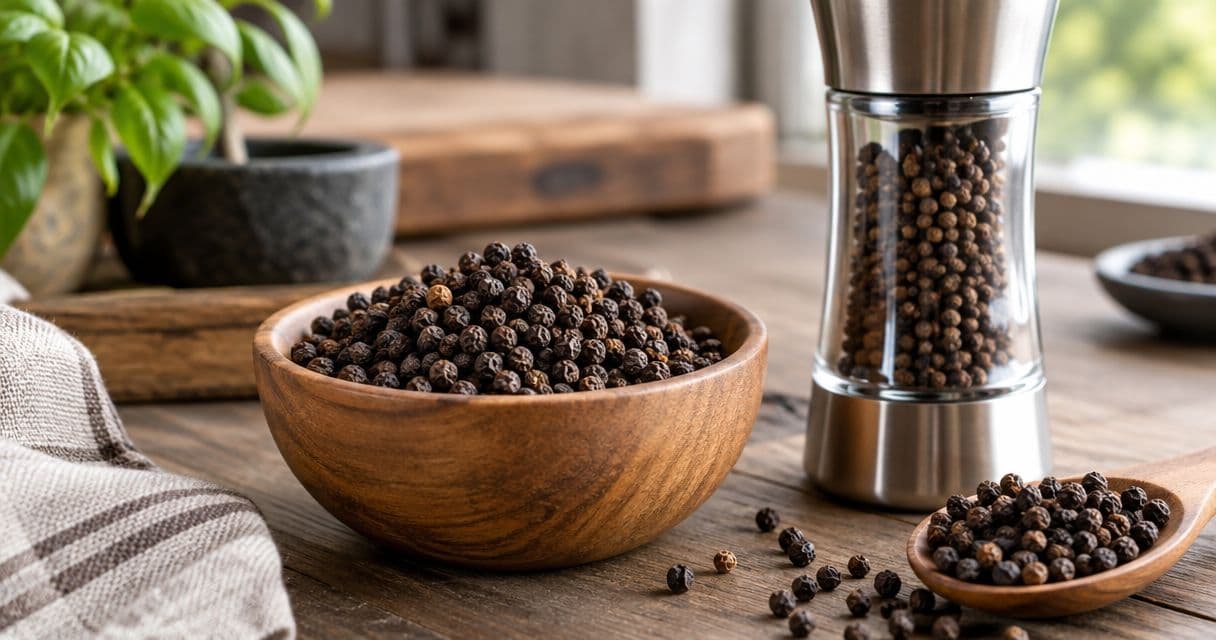
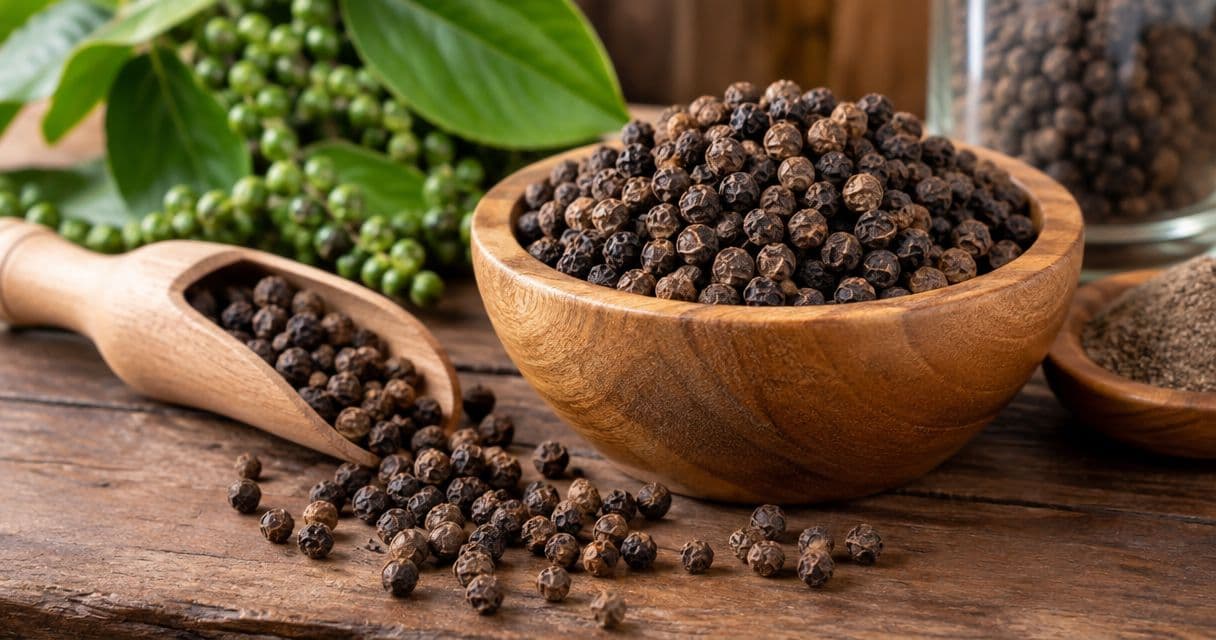
Spicecare tools for commercial kitchens: complete 2026 guide
Choose spicecare tools for commercial kitchens by grind quality, cleaning access, and storage fit. Build a whole-spice workflow your team can repeat.
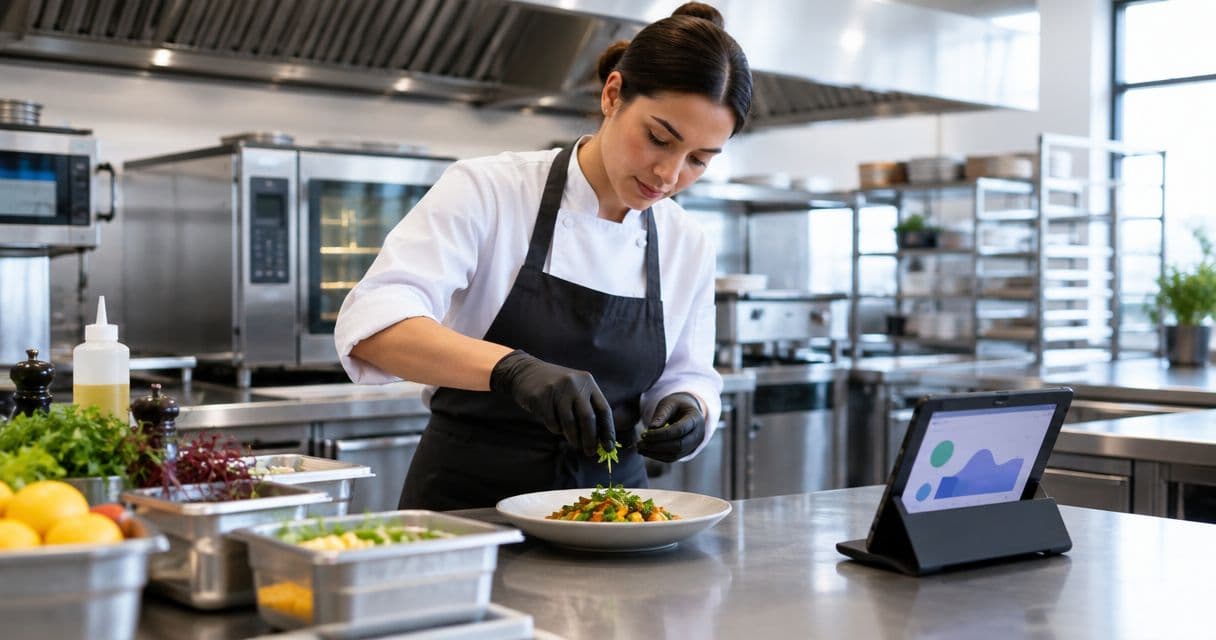
Commercial kitchen spicecare is the storage, grinding, and handling of whole spices to support consistent flavor across prep and service. Choosing spicecare tools for commercial kitchens starts with your menu, batch sizes, and cleaning routine—not with buying a matching set.
TL;DR- Choose spicecare tools for commercial kitchens by ingredient, grind consistency, cleaning access, and service workload.
- 5Senses pairs whole spices with Spicecare tools; assess each tool separately for your kitchen’s working requirements.
- Keep whole-spice reserves separate from service containers, and record preparation methods on recipe cards.
- Test equipment with your actual ingredients before assigning it to production.
Why spicecare matters for commercial kitchens
A restaurant needs more than an aromatic first batch. Your cooks need to reproduce that batch when another person takes over the station, the grinder has just been cleaned, or service gets busy.
Whole spices introduce preparation choices that ground ingredients conceal. Cracked pepper, finely ground pepper, and whole peppercorns behave differently in a dish. A recipe that says only add pepper leaves the cook to decide the texture.
Buy for the preparation task, then standardize the result. The guide to spice grinders for whole spices provides a starting point for separating grinding needs from storage and service needs.
The commercial-kitchen constraint is repetition. A tool must suit the ingredient, the operator, the cleaning procedure, and the quantity being prepared. Attractive countertop equipment is not automatically suitable for production work.
Build your whole-spice workflow
Map your menu before buying tools
Start with a handwritten ingredient list and your existing recipe cards. Mark whether each spice enters a dish whole, cracked, grated, ground, or infused. This reveals which tasks actually require equipment.
Green cardamom for a strained infusion does not create the same preparation task as cardamom seeds for a smooth pastry filling. Bay leaves for a stock do not need a grinder at all. Nutmeg intended for finishing needs a different approach from a mixed spice powder prepared before service.
Separate recurring production from occasional specials. Equipment that serves a daily preparation deserves a different purchasing decision from a tool needed for an infrequent menu trial. Record who performs each task, too: preparation that depends on the head chef’s judgment needs clearer instructions before it changes hands.
- List the spice and its intended dish.
- Specify whole, cracked, grated, or ground texture.
- Identify prep-stage and service-stage tasks separately.
- Record whether the spice remains in the finished dish.
- Mark tasks already handled well by existing equipment.
Test the grind with equipment you already own
Begin with a clean mortar and pestle or a suitable existing grinder. Prepare 3 trial batches of the same ingredient and compare the results in the intended dish. This is a repeatability exercise, not a claim about a tool’s capacity.
A mortar gives you direct control over crushing, but the result depends on the cook’s technique. An electric grinder reduces hand work, but you still need to check particle size, ingredient compatibility, and cleaning access. Neither option removes the need for a written method.
Use 2 labeled bowls to compare a coarse and a fine preparation. Taste them in 1 finished dish, keeping the rest of the recipe unchanged. The useful result is not which powder looks finer; it is which preparation gives the texture and flavor your recipe requires.
- Use the same ingredient lot for each trial.
- Weigh the ingredient rather than counting pieces.
- Record the loading and operating method.
- Compare the largest particles as well as the finest powder.
- Write the accepted texture into the recipe card.
Match Spicecare tools to the preparation task
Once the manual trial establishes the result, evaluate tools that make that result easier to repeat. 5Senses Spicecare belongs at this stage: alongside the brand’s whole spices, as a tool option to assess against your kitchen’s requirements—not as a prerequisite for cooking with whole spices.
5Senses Spicecare is best for whole-spice kitchens that want to source spices and care tools together. That sourcing fit does not establish commercial-duty capacity, sanitation suitability, or compatibility with every ingredient. Confirm those details for the individual tool before purchase.
Hard ingredients such as dried whole turmeric require particular care: use only equipment whose instructions permit them. A pepper mill should not become a general-purpose spice grinder simply because another ingredient fits through its opening. Mechanical fit and appropriate use are different questions.
- Match each tool to a named preparation task.
- Check permitted ingredients in the manufacturer’s instructions.
- Confirm cleaning and drying procedures before purchase.
- Assess working capacity against your actual prep quantity.
- Keep a manual fallback for essential tasks.
Separate reserve storage from service stock
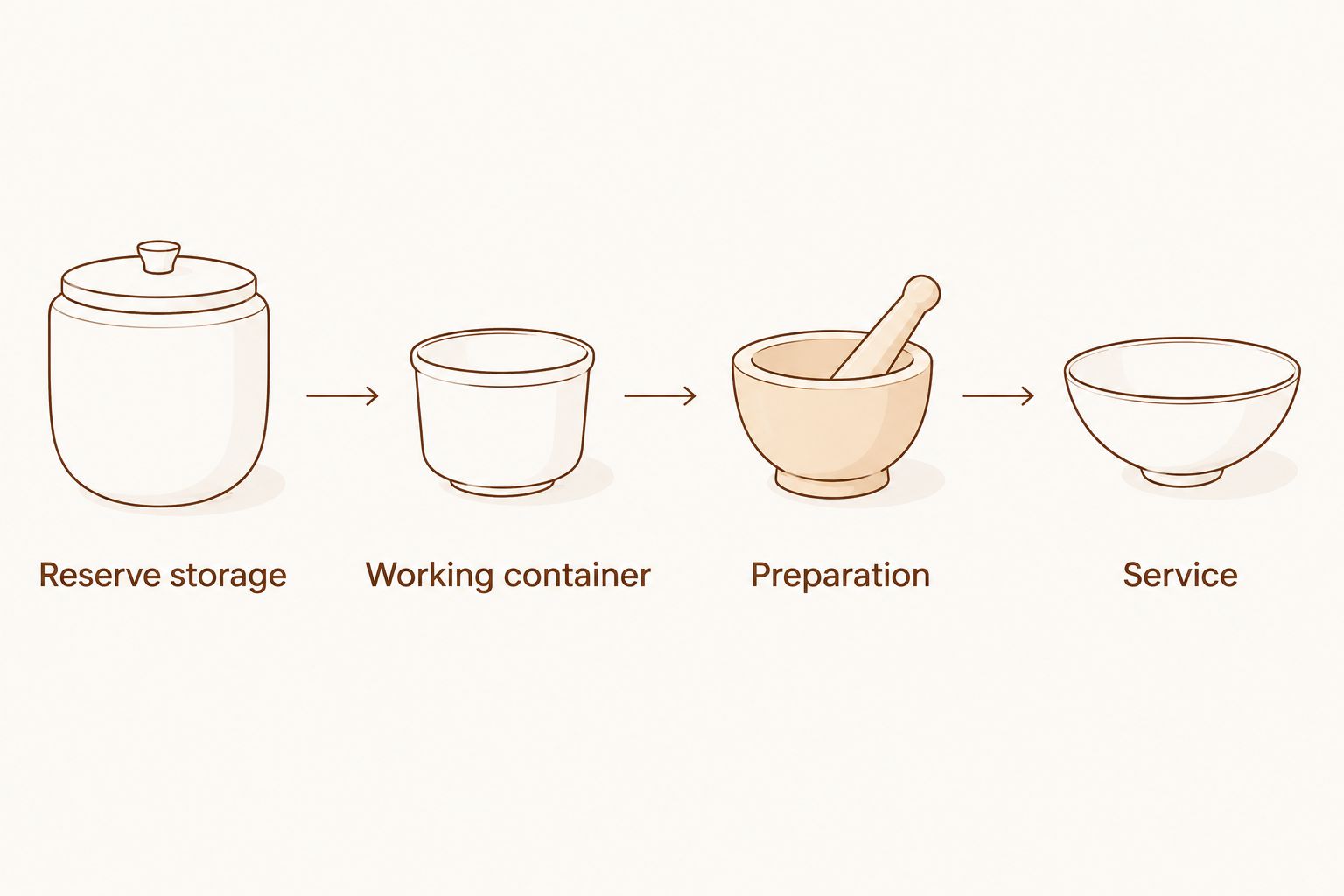
Start by reorganizing containers you already have. Keep the main spice reserve away from cooking steam and repeated station handling; transfer a working quantity into a clean, dry service container.
Opening a large reserve throughout service exposes the entire supply to the conditions at the station. A separate working container limits that repeated handling. It also gives you a clear place to record when a batch was ground, cracked, or portioned.
Choose containers by closure quality, cleanability, ingredient access, and shelf fit. Do not assume a decorative jar is airtight or suitable for your sanitation procedure. The whole-spice airtight storage workflow connects container choice with everyday handling.
- Store reserves away from heat, light, and steam.
- Label containers with ingredient and supplier lot details.
- Record opening and preparation dates separately.
- Keep scoops clean and dry.
- Empty and clean working containers before refilling.
Write the toast, grind, bloom, and infuse method
Use your current pans, strainers, and measuring equipment to establish the method before adding specialist tools. Write the preparation sequence in the recipe, including whether the spice is toasted, ground, bloomed in fat, or infused in liquid.
These methods are not interchangeable. Toasting applies dry heat; blooming heats spices in fat; infusion transfers flavor into a liquid. Each changes how you handle the ingredient and when you add it to the dish.
For a smooth cardamom dessert, specify whether you grind the seeds or infuse the pods and strain them out. For a broth containing bay leaves or black cardamom, state the removal or straining step. For freshly grated nutmeg, record the weight rather than relying on an undefined number of grater strokes.
- Write the sequence beside the ingredient quantity.
- Describe the accepted aroma and appearance after toasting.
- Let toasted spices cool before sealed storage.
- Specify whether to strain infused spices from the liquid.
- Include the final tasting check before service.
Assign cleaning, handover, and replacement checks
Start with a station checklist that names the responsible cook. Equipment instructions determine the cleaning method; your kitchen’s food-safety procedures determine how that method fits into production.
A grinder shared between savory and pastry preparations needs particular attention to flavor carryover. Grinding something neutral through the machine is not a substitute for the manufacturer’s cleaning procedure. Where ingredients present allergen concerns, follow your documented allergen controls rather than relying on appearance or smell.
Inspect containers and tools during handover. A missing lid, damaged closure, or residue under a removable part is an operational problem, not just a housekeeping detail. Your 2026 purchasing list should include the parts and cleaning access needed to keep equipment in use, not merely the initial tool.
- Assign cleaning responsibility by station or shift.
- Follow disassembly and drying instructions.
- Separate wet preparation from dry-only equipment.
- Check closures, grinding parts, and removable components.
- Record faults and remove unsuitable equipment from use.
Compare the options by kitchen task
No single option covers storage, precision grinding, and high-volume preparation equally well. Choose the simplest arrangement that meets your recipe and sanitation requirements. The options below solve different problems; they are not a quality ranking.
| Option | Best for | Practical advantage | Key limitation |
|---|---|---|---|
| Mortar and pestle | Small batches and controlled crushing | Lets the cook adjust texture directly | Labor and consistency depend on technique |
| Manual pepper mill | Pepper finishing during service | Grinds at the point of use | Not automatically compatible with other whole spices |
| Electric spice grinder | Repeated dry-spice preparation | Reduces manual grinding work | Ingredient compatibility and cleaning access vary by model |
| Spice grater | Fresh nutmeg preparation | Produces grated spice directly for a recipe | Narrower task range than a grinder |
| Sealed reserve and working containers | Separating bulk storage from station handling | Keeps the reserve out of repeated service handling | Requires labeling, cleaning, and disciplined refilling |
For equipment purchases, request the operating instructions before deciding. Check permitted ingredients, cleaning restrictions, electrical requirements where relevant, and whether the equipment meets your kitchen’s applicable requirements. A product description alone does not answer every operational question.
Keep origin information attached to the ingredient
A good tool preserves a preparation method; it does not establish provenance. Keep the supplier’s named origin, lot information, and packing details with your purchasing records, then carry the relevant information onto the working-container label.
5Senses offers direct-from-farm, origin-packed whole spices alongside Madagascar and Uganda vanilla, Kashmir Mongra saffron, and green cardamom pods. Keep those ingredient identities distinct when writing recipes. An origin name tells you where an ingredient was grown; it does not, by itself, prescribe a grinding method or a fixed substitution ratio.
When a new lot arrives, compare it with your recipe’s accepted preparation before changing quantities. Smell the ingredient, prepare it using the recorded method, and taste the finished food. Keep the growers’ origin information separate from your kitchen’s own sensory observations.
Common mistakes commercial kitchens make
Buying a grinder before defining the texture
A finer powder is not automatically better. A smooth sauce, a coarse rub, and a finishing seasoning call for different results. Approve the texture in the dish before approving the equipment.
Treating every whole spice as mill-compatible
Peppercorns, cardamom pods, cinnamon bark, and dried turmeric differ in shape and hardness. Check the tool’s permitted uses instead of testing an unfamiliar ingredient during service. Keep incompatible ingredients out of the hopper.
Refilling station jars without emptying them
Continual topping-up mixes preparation dates and prevents a clean inspection of the container. Use a documented empty-clean-dry-refill routine. Preserve supplier lot information when transferring ingredients.
Leaving the preparation method to memory
“Toasted spices” is not a complete instruction. Record the sequence, accepted sensory cues, grind texture, and removal or straining step. Another cook should be able to reproduce the result without asking what the original cook meant.
Confusing origin with equipment suitability
A named growing region helps identify the ingredient. It does not prove that a particular grinder can process it or that a container protects it under station conditions. Evaluate sourcing and equipment performance separately.
FAQ
What are the best spicecare tools for commercial kitchens?
The best tools are those that reproduce your required texture, suit the ingredient, and fit your cleaning procedure. Start with suitable storage containers and the grinding or grating equipment your menu actually needs.
Is a mortar and pestle better than an electric spice grinder?
A mortar and pestle suits small batches and deliberate crushing; an electric grinder suits repeated dry-spice preparation. Compare both using the same ingredient and finished recipe before choosing.
Can a commercial kitchen use 5Senses Spicecare tools?
Assess each 5Senses Spicecare tool against your commercial kitchen’s requirements before use. Confirm permitted ingredients, working capacity, cleaning instructions, and applicable equipment requirements for the individual item.
Can all whole spices go into a pepper mill?
No, a pepper mill is not automatically suitable for every whole spice. Use only ingredients permitted by the mill’s manufacturer, even when another spice fits inside the hopper.
Should restaurant kitchens grind all their spices before service?
Grind according to the recipe and production plan, rather than preparing every spice in advance. Keep whole spices whole when the dish calls for whole-spice cooking or infusion, and label any prepared batches.
How should cooks clean equipment between different spices?
Follow the equipment manufacturer’s cleaning instructions and your kitchen’s food-safety procedures. Check removable parts for residue, dry equipment as instructed, and apply documented allergen controls where relevant.
What should a restaurant record on spice containers?
Record the ingredient identity, supplier lot information, and relevant opening or preparation date. Keep the original sourcing records so transferring a spice into a working container does not erase its identity.
One last thing
Test the handover, not just the tool. Ask a second cook to prepare the same recipe using only the written instructions, then compare the finished dishes. That exposes missing preparation details before they become service problems.
For 5Senses whole spices and Spicecare alike, the useful purchasing question is simple: does this fit a method your team can repeat? Keep the tool when it supports that method; revise the workflow when it does not.