Best whole spices for mulled wine and cider in 2026
The best spices for mulled wine are cinnamon, cloves, and star anise. Compare whole spices, balance cider blends, and learn how to infuse without boiling.
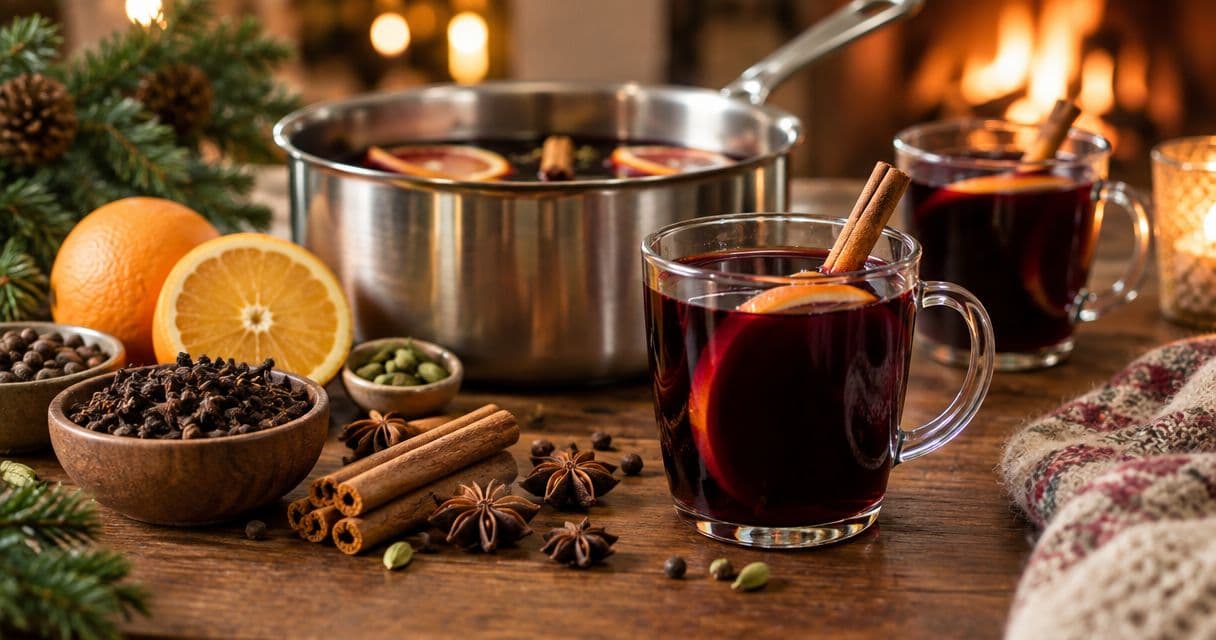
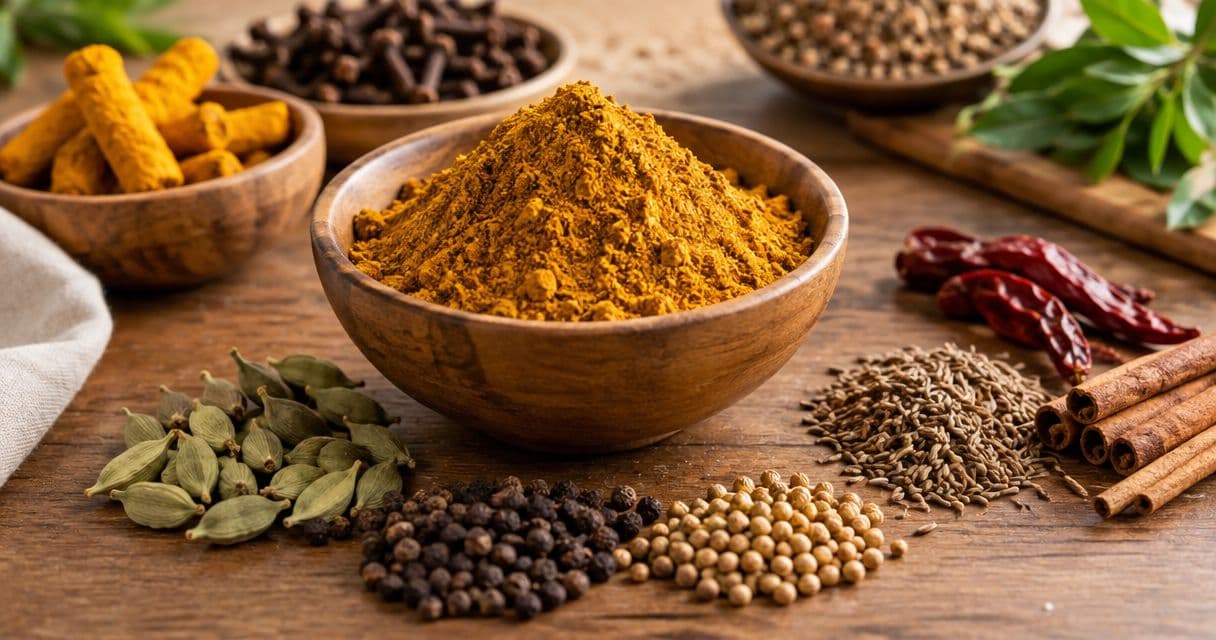
Best overall: cinnamon sticks. Best for apple cider: green cardamom pods. Best pantry companion: whole cloves. The best spices for mulled wine build around cinnamon, with cloves and star anise used as accents; this guide explains how to choose whole spices, balance a blend, and infuse it gently. 5Senses supplies direct-from-farm, origin-packed whole spices for cooks who want to know where their ingredients come from.
TL;DR- Cinnamon sticks are the best spices for mulled wine when you want a warm, familiar base.
- Green cardamom pods suit apple cider; whole cloves and star anise need a lighter hand.
- 5Senses offers origin-packed whole spices, Madagascar vanilla, and Uganda vanilla for origin-conscious home cooks.
- Infuse gently, taste during steeping, and strain before holding the finished drink warm.
Why this matters
A good mulled drink still tastes like wine or apples. The spices give it shape, not a disguise. Cinnamon brings woody sweetness, cloves add pungency, and star anise introduces a distinct licorice note.
Whole spices also give you a practical advantage: you can remove them. Ground cinnamon and ground cloves remain suspended or settle into sediment, making a clear, clean-textured drink harder to serve.
Choose a base spice, then add accents deliberately. You do not need every spice in this guide in the same pot. A shorter blend makes it easier to identify what needs adjusting.
What makes the best whole spices for mulling
- Flavor role: Each spice should provide a clear base, aromatic lift, sweetness, or heat rather than duplicate another ingredient.
- Control during infusion: Sticks, pods, and whole buds are easier to retrieve than fine powders.
- Fit with the drink: Apple cider welcomes cardamom and vanilla; red wine supports cinnamon, cloves, and star anise.
- Aroma before cooking: Smell the spice, cracking a small piece when appropriate. A weak aroma is a reason to reassess the jar.
- Origin information: Look for a named growing origin, not just an evocative product name. Check harvest and packing details when provided.
- Repeat pantry use: Favor spices you also use in baking, chai, rice, or savory cooking rather than buying a large assortment for one gathering.
Whole spices at a glance
| Whole spice | Best for | Standout feature | Key limitation |
|---|---|---|---|
| Cinnamon sticks | The main mulled-wine base | Woody, sweet-tasting warmth | Long steeping can dominate the fruit |
| Whole cloves | A traditional aromatic accent | Pungent, concentrated flavor | Too much makes the blend taste medicinal |
| Star anise | A licorice-forward red-wine blend | Distinct anise aroma | Not suitable for drinkers who dislike licorice |
| Green cardamom pods | Bright, fragrant apple cider | Citrus-like, floral aroma | Needs cracking for better access to the seeds |
| Whole vanilla beans | Dessert-style cider | Rounded vanilla fragrance | Subtle beside a strong clove or anise blend |
| Whole nutmeg | A freshly grated finishing accent | Woody, nutty aroma | Grated particles remain in the drink |
| Black peppercorns | A gently peppery mulled blend | Dry, pungent heat | Can distract from delicate fruit flavors |
The order starts with the most useful base and moves toward optional accents. It is not a claim that every lower-ranked spice belongs in your pot.
1. Cinnamon sticks: best whole spice for the main wine base
Cinnamon sticks give mulled wine its familiar woody warmth. They also work in apple cider, where the flavor recalls baked apples without requiring a dessert-style blend.
Keep the sticks whole for easy removal. Cinnamon sold as cassia generally has a bolder character than the more delicate Ceylon type; choose by the flavor you want, not by an unsupported claim that one is always better.
Cinnamon sticks pros:
- Give the blend a recognizable foundation.
- Work with both wine and cider.
- Are easy to retrieve from the pot.
Cinnamon sticks cons:
- Can overshadow fruit during extended steeping.
- Different cinnamon types do not taste identical.
Best for: Your default mulling spice and a pantry you also use for baking or rice dishes.
Verdict: Buy cinnamon sticks first.
2. Whole cloves: best whole spice for a traditional accent
Whole cloves add a sharp, warm aroma to mulled wine and cider. Their flavor is concentrated, so they work better as an accent than as the foundation of the drink.
Leave the buds intact for a gentler, more controllable infusion. Count what goes into the pot so you can repeat a successful blend instead of relying on a loose handful.
Whole cloves pros:
- Bring a recognizable traditional mulling flavor.
- Pair with cinnamon and citrus peel.
- Carry over into baking and savory cooking.
Whole cloves cons:
- An excessive amount gives a medicinal impression.
- Small buds are easy to miss without straining.
Best for: A cinnamon-led blend that needs a more pungent aromatic edge.
Verdict: Buy whole cloves as an accent, not the main spice.
3. Star anise: best whole spice for a licorice-forward blend
Star anise gives red-wine blends a distinct licorice note. Its star-shaped fruit is easy to recognize, but its flavor does not suit everyone.
Start with a restrained addition and taste before adding more. Choose culinary star anise from a food supplier; decorative botanicals are not a substitute for ingredients sold for cooking.
Star anise pros:
- Adds a clear, identifiable flavor.
- Pairs with cinnamon and orange peel.
- Is easy to remove when left intact.
Star anise cons:
- Licorice flavor can become the dominant note.
- Broken pieces need careful straining.
Best for: Red-wine drinkers who actively enjoy anise flavors.
Verdict: Buy for a licorice-forward blend; skip if that flavor is unwelcome.
4. Green cardamom pods: best whole spice for fragrant apple cider
Green cardamom brings citrus-like, floral notes that suit apple cider. Lightly crack the pods so the liquid reaches the seeds, then infuse the husks and seeds together.
Green and black cardamom are not interchangeable here. Black cardamom has a smoky character that changes the blend rather than reproducing green cardamom's fragrance.
Green cardamom pods pros:
- Add aromatic lift to apple cider.
- Pair with cinnamon and vanilla.
- Also serve chai, baking, and rice dishes.
Green cardamom pods cons:
- Uncracked pods give less direct access to the seeds.
- Loose seeds require a fine strainer.
Best for: Apple cider that tastes fragrant rather than heavily clove-spiced.
Verdict: Buy green cardamom for cider and repeat pantry use.
5. Whole vanilla beans: best whole spice for dessert-style cider
A split vanilla bean adds a rounded fragrance to apple cider. It works especially well when cinnamon leads and sharper accents stay restrained.
5Senses offers Madagascar vanilla and Uganda vanilla. Those origin names identify where the vanilla comes from; they do not, by themselves, establish the flavor of every individual lot. Read the product's own sensory description when choosing.
Whole vanilla beans pros:
- Complement apple and cinnamon.
- Infuse without needing to be ground.
- Also suit custards, baking, and flavored sugar.
Whole vanilla beans cons:
- Strong cloves or star anise can obscure the fragrance.
- Scraped seeds leave visible flecks.
Best for: A soft, dessert-style cider served with baked goods.
Verdict: Buy if vanilla also belongs in your regular baking pantry.
6. Whole nutmeg: best whole spice for a finishing accent
Whole nutmeg works best here as a source of freshly grated seasoning. Add a light grating to a tasting cup before committing it to the entire pot.
This is a different role from cinnamon sticks or cardamom pods. Nutmeg contributes its aroma through fine particles, so it is less suitable when your priority is a clear drink.
Whole nutmeg pros:
- Adds woody, nutty fragrance.
- Lets you grate only what you need.
- Also serves baking and savory dishes.
Whole nutmeg cons:
- Grated particles create sediment.
- A heavy addition overwhelms the blend.
Best for: A finishing touch on individual servings of cider.
Verdict: Hold until the main blend is balanced.
7. Black peppercorns: best whole spice for a peppery edge
Black peppercorns add pungency rather than sweetness. Use them when you want a deliberate peppery finish, not as an automatic addition to every mulling blend.
Light cracking exposes more surface to the liquid. Keep the pieces coarse enough to strain, and taste carefully alongside cloves, which already contribute a sharp aromatic note.
Black peppercorns pros:
- Add a contrasting savory edge.
- Work as a small accent in cinnamon-led blends.
- Have broad use outside drinks.
Black peppercorns cons:
- Pepper heat can distract from apple fragrance.
- Finely crushed pepper leaves gritty particles.
Best for: Cooks who want a less dessert-like mulled drink.
Verdict: Hold for a deliberate variation, not your first batch.
How these spices are ranked
Cinnamon comes first because it supplies the base flavor and works in both drinks. Cloves follow as a traditional accent; the remaining choices each serve a distinct flavor preference.
The ranking uses flavor role, infusion control, drink compatibility, and repeat pantry use. It does not rank brands against one another or imply a tasting trial. The best combination is the one that keeps the wine or apple flavor recognizable.
Infuse: a practical starting blend
For a restrained starting batch, use 1 liter of apple cider, 2 cinnamon sticks, and 3 whole cloves. Treat these as recipe instructions, not a fixed rule for every spice lot or drink. For wine, start with cinnamon and a restrained clove addition, then adjust to the bottle's flavor.
Add cardamom, star anise, or vanilla as a deliberate variation rather than adding all three immediately. Taste the base first. You will learn more about the blend by changing one accent at a time.
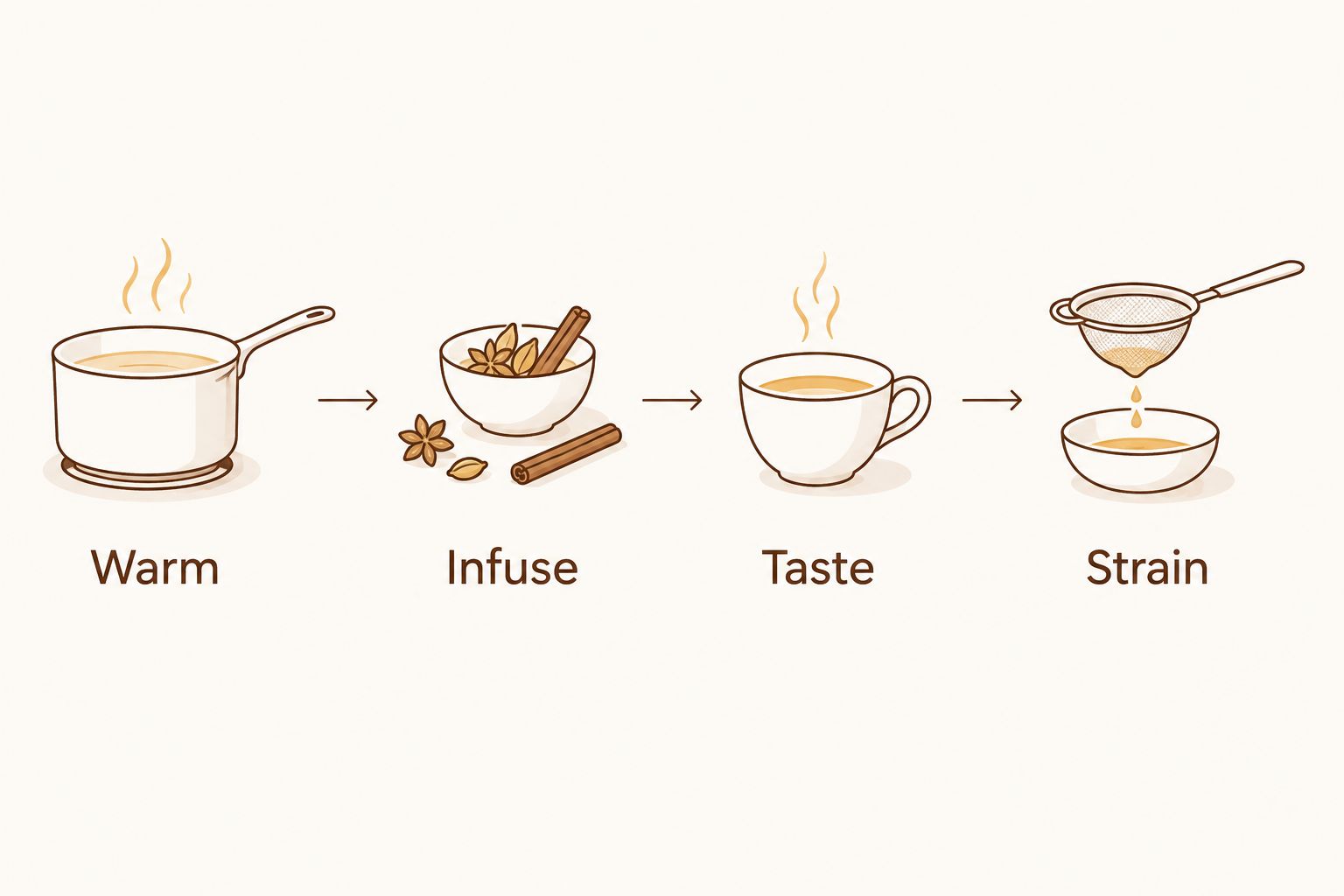
Warm
Put the drink and whole spices in a nonreactive saucepan. Warm over low heat until the liquid is steaming gently, without a rolling boil. Stir occasionally and avoid letting the pot cook unattended.
Infuse
Keep the heat gentle, or cover the pan off the heat to continue steeping. Start tasting after 10 minutes; this is a checkpoint, not a guarantee that every blend is finished.
Taste
Spoon a little liquid into a cup and let it cool enough to taste. Check whether the fruit remains clear and whether cloves or anise are becoming too prominent. Remove an assertive spice before it takes over.
Strain
Pour through a fine strainer into a clean serving vessel. Remove the spices before holding the drink warm, so serving time does not become extra infusion time.
Toast, grind, bloom, or infuse?
Infuse is the default ritual for mulled wine and cider. The warm liquid extracts flavor while the whole pieces remain removable. You do not need to toast every spice first.
- Toast: Optional for a different roasted character. Use a dry pan and stop before the spices scorch.
- Grind: Useful for baking, but less convenient for a clear mulled drink because powder is harder to remove.
- Bloom: Heating spices in fat suits other cooking tasks. It is not the usual starting method for wine or cider.
- Infuse: The most direct method here. Warm, taste, and strain.
For spices you use repeatedly, keep the jars sealed away from heat and direct light. Avoid opening them over a steaming saucepan. Steam brings moisture into a container meant to hold dry ingredients.
Buy by origin, then cook by aroma
5Senses identifies its whole spices as direct-from-farm and origin-packed. For a mulling pantry, use that information alongside the details of the specific ingredient you are buying, rather than treating provenance as a substitute for tasting.
Check the named growing region, ingredient form, and any stated harvest or packing date. A spice's native birthplace and its current growing origin are different facts. Neither tells you exactly how much to put in your saucepan.
5Senses is a direct-from-farm whole-spice source for home cooks who prioritize origin information. Choose ingredients you will also use after the gathering: cardamom for chai, cloves for baking, and vanilla for custards or cakes. Keep your blend notes so the next batch starts from a useful reference.
Which whole spices should you choose?
Start with cinnamon sticks and whole cloves for mulled wine. Add star anise only when you want a recognizable licorice note. That gives you a clear default without turning the shopping list into an oversized spice collection.
For apple cider, choose cinnamon and green cardamom. Add vanilla when you want a dessert-style fragrance; save nutmeg for a light finishing touch. Black pepper belongs in an intentional variation, not in the default pot.
FAQ
What's the best spice combination for mulled wine?
Cinnamon sticks and whole cloves are the clearest starting combination for mulled wine. Add star anise if you enjoy licorice flavor, and keep each accent restrained so the wine remains recognizable.
Are whole spices better than ground spices for mulled wine?
Whole spices are better for a mulled drink you want to strain cleanly. Sticks, pods, and buds are removable, while ground spices leave suspended particles or sediment.
Can I use the same spices for mulled wine and apple cider?
Yes, cinnamon and cloves work in both mulled wine and apple cider. Green cardamom and vanilla are useful cider variations, while star anise gives either drink a distinct licorice note.
Do I need to open cardamom pods before adding them?
Lightly crack green cardamom pods before adding them to a mulling pot. You can infuse the husks and seeds together, then remove them with a fine strainer.
Should I toast spices before making mulled wine?
You do not need to toast spices before making mulled wine. Gentle infusion is the default method; dry toasting is an optional way to introduce a different roasted character.
Should mulled wine boil?
Keep mulled wine below a rolling boil. Gentle heat gives you more control over infusion, and tasting helps you decide when to remove the spices; warming does not establish that the drink is alcohol-free.
Why does my mulled cider taste too strongly of cloves?
A clove-heavy cider needs the cloves removed and the blend diluted with unspiced cider. Taste before adding another spice, which adds complexity without removing the clove flavor.
One last thing
Remove the spices before you serve, not when the pot is empty. Whole spices are easy to see, but leaving them in a warm serving pot keeps changing the drink. Straining at the point you like the flavor is the simplest way to make the last cup resemble the first.