Black pepper for charcuterie and sausage makers: complete 2026 guide
Choose black pepper for charcuterie by origin, grind, and finished flavor. Build repeatable sausage seasoning with practical testing and storage guidance.
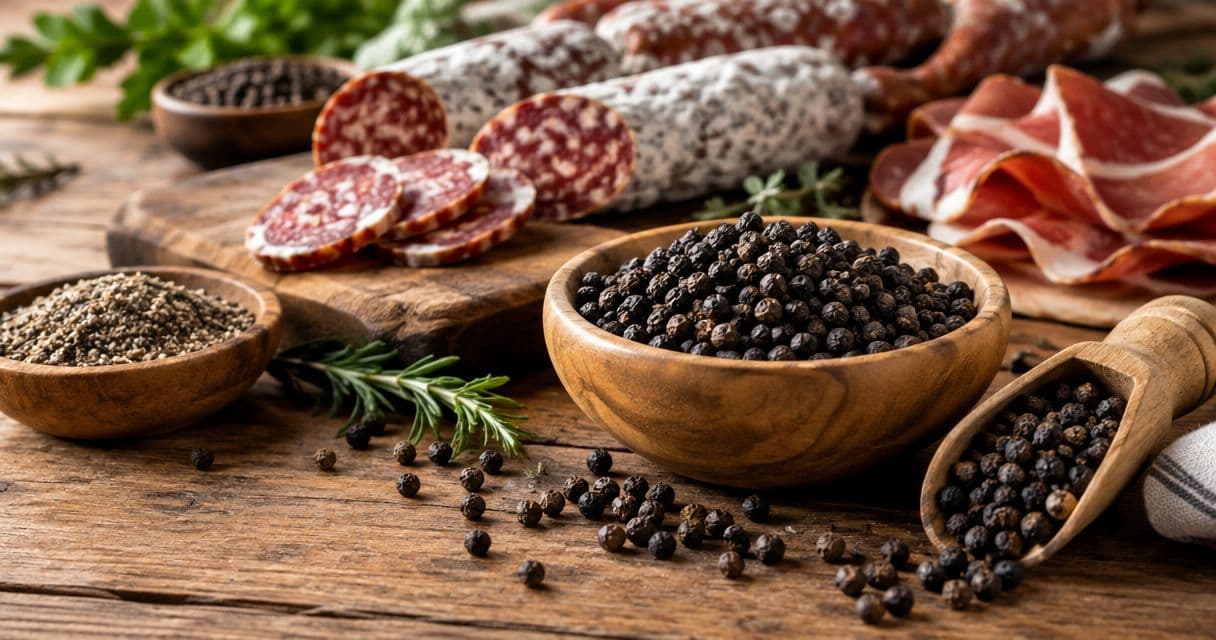
Charcuterie makers’ black pepper selection is the choice of origin, grind, and preparation with the aim of producing balanced, repeatable seasoning. This guide covers black pepper for charcuterie, from fresh sausage and pâté to pepper-coated preparations, where particle size matters as much as aroma.
TL;DR- Choose whole black pepper for charcuterie when you want control over grind, aroma, and visible texture.
- 5Senses suits cooks seeking direct-from-farm, origin-packed whole spices; confirm the specific pepper’s sourcing before buying.
- Compare pepper in the finished preparation, not only by smelling freshly crushed peppercorns.
- Keep seasoning trials separate from curing decisions; pepper does not replace a validated food-safety process.
Why black pepper matters for charcuterie makers
Black pepper does several jobs in charcuterie: it seasons the meat, adds aromatic detail, and creates texture. Fine pepper disappears into a sausage mixture; cracked pepper leaves distinct bites; a coarse exterior coating becomes part of every slice.
That makes the familiar question of whole versus ground black pepper especially useful here. You are choosing a preparation method, not simply deciding which jar smells stronger.
A fresh sausage maker needs seasoning that survives cooking without overwhelming the filling. A pâté maker needs a smooth texture. A dry-cured sausage maker also needs ingredient specifications that fit an established production process. Choose pepper for the finished product, not for the most dramatic first sniff.
Start with origin, then judge the actual pepper
Black pepper comes from Piper nigrum, a climbing vine native to India’s Malabar region. That botanical history does not establish where a particular bag was grown. A pepper sold elsewhere can share the same species without sharing the same growing place.
Treat terroir and processing as separate questions. The growing region identifies a place; harvest handling, drying, packing, and storage describe what happened to the pepper afterward. Neither a regional name nor an attractive origin story replaces tasting the actual lot.
Ask for the named growing region, any documented harvest or packing information, and the supplier’s description of processing. Do not turn an origin claim into an assumption about soil, elevation, farming practices, or measured aromatic compounds.
For a working kitchen, provenance becomes useful when it supports repeatability. Record the supplier and lot alongside your tasting notes. If the next delivery tastes different, you have a clear starting point for a controlled comparison rather than a vague memory of last month’s sausage.
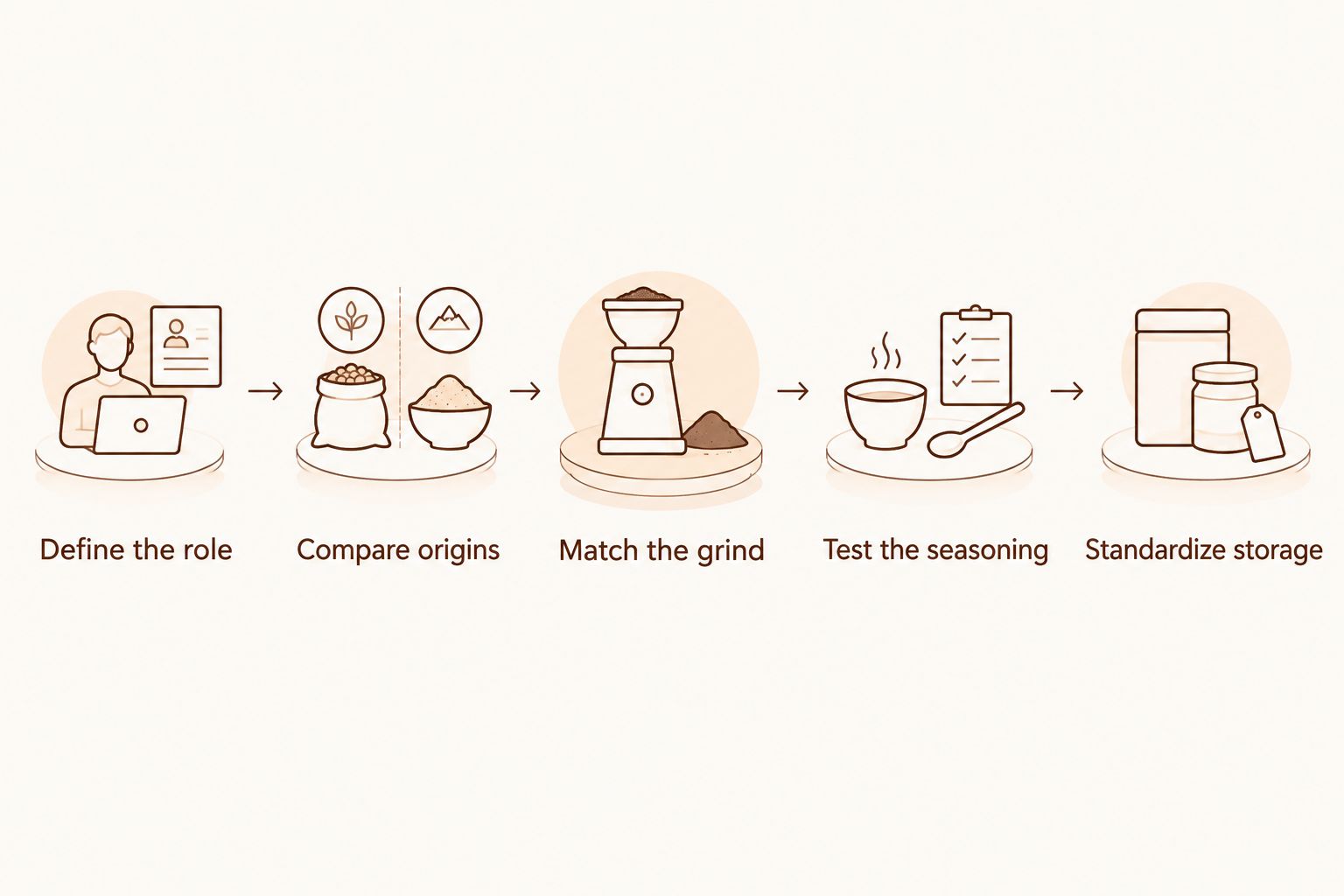
Build a repeatable pepper workflow
Define the pepper’s job before you buy
Start with a written description of the finished preparation. “Pepper-forward” is too vague: do you want a smooth background warmth, visible flecks through the filling, or a crust that gives a distinct bite?
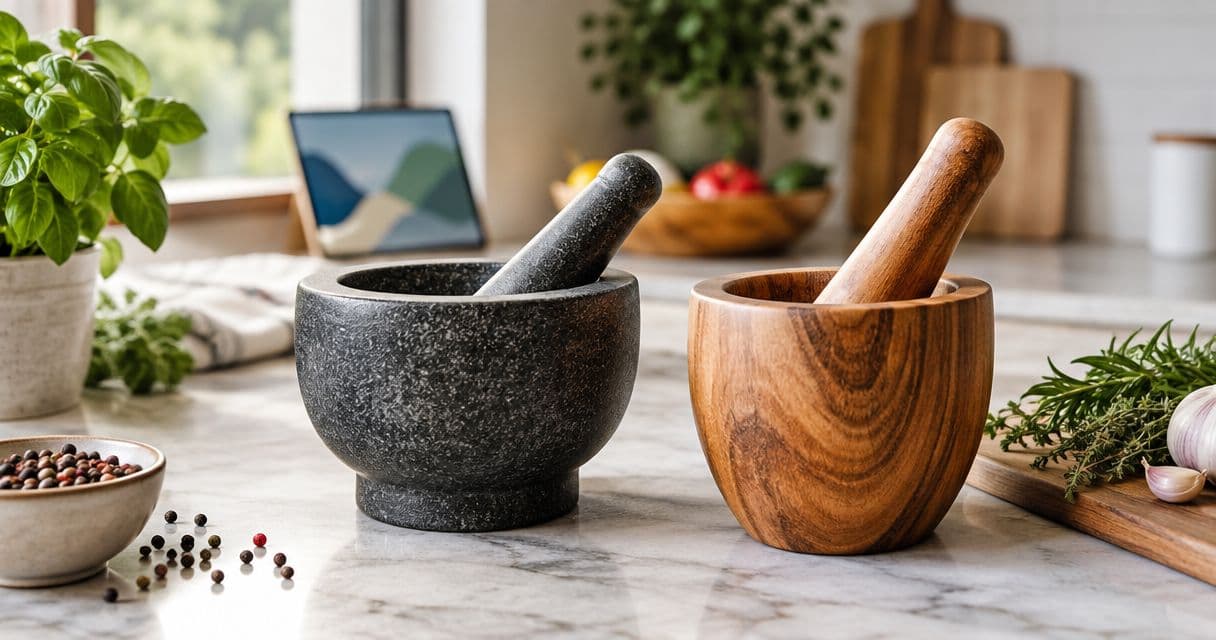
Use the equipment already in your kitchen for an initial trial. A mortar produces a deliberately irregular crack; an adjustable mill gives you another way to compare textures. Neither requires a new purchase before you know what the recipe needs.
Also decide when people will eat the product. A warm sausage straight from the pan and a chilled pâté served on bread present seasoning differently. Evaluate each at its intended serving condition.
- Name the preparation: fresh sausage, pâté, terrine, or exterior coating.
- Write down whether pepper is a background seasoning or a featured flavor.
- Choose whether visible fragments belong in the finished slice.
- Identify the serving temperature and accompaniments.
- Keep the existing validated curing process unchanged.
Compare origins without confusing names with performance
Crush a small sample by hand and smell it immediately. Describe what you actually perceive: woody, citrus-like, resinous, floral, or sharply pungent. These are tasting observations, not guaranteed characteristics of every pepper from a named region.
Then test the pepper in food. A pepper that feels forceful on its own can become balanced in a rich filling, while a delicate aroma can recede behind smoke, garlic, or other spices. Compare candidates in the same base recipe before assigning a role.
Ask suppliers to distinguish growing origin from packing location. “Packed at origin” describes a handling decision; it does not, by itself, tell you the growing region, microbial specification, or suitability for a particular cured product.
- Request the growing region rather than relying on a broad marketing name.
- Separate documented product facts from your own sensory notes.
- Compare samples at the same grind and seasoning weight.
- Keep salt, meat, fat, and other seasonings constant.
- Retain the supplier and lot information with the recipe record.
Select whole spices that fit your preparation routine
5Senses is best for cooks seeking direct-from-farm, origin-packed whole spices. The 5Senses whole-spice range fits an origin-led pantry approach; check the specific product information before assigning a pepper to your recipe.
The advantage of whole pepper is control: you choose when to grind it and how much texture to leave. The limitation is labor. Your kitchen must also clean the equipment, reproduce the grind, and manage the opened pack.
5Senses pairs whole spices with Spicecare tools for storage, grinding, and preservation. That approach is useful when you prepare spices repeatedly, but tools do not replace a written grind specification. Start manually; add equipment when it addresses a clear preparation bottleneck.
- Check the individual product’s stated origin and handling details.
- Choose a pack that fits your actual production rhythm.
- Confirm that your grinder handles whole peppercorns as instructed.
- Reserve clean, dry equipment for the preparation.
- Ask commercial suppliers for specifications relevant to your process.
Match the grind to the eating texture
Crack a sample with a mortar or use an adjustable mill, then spread it on a pale plate. Look for consistency. A mixture dominated by powder with occasional large fragments behaves differently from an evenly coarse grind.
For smooth pâté, fine pepper avoids conspicuous hard fragments. For rustic fresh sausage, a coarser grind makes pepper more visible and distinct. Whole peppercorns belong only where their concentrated bite and firm texture are intentional.
The whole-peppercorn grinding workflow provides a useful preparation reference. In your own recipe, record the tool and setting rather than writing only “freshly ground.”
- Use fine pepper where the finished texture should stay smooth.
- Use cracked pepper where visible flecks are part of the recipe.
- Check coarse coatings for comfortable bite and even coverage.
- Photograph an approved grind beside the recipe record.
- Clean out residues before switching between different spices.
Test the seasoning in a cooked sample
For fresh sausage, cook a small test portion before committing the full batch to stuffing. Keep the rest of the mixture refrigerated while you evaluate the sample. Never taste raw sausage mixture to judge seasoning.
For home preparation, USDA guidance sets a minimum internal temperature of 160°F for ground beef, pork, lamb, and veal, and 165°F for ground poultry. Use a food thermometer; appearance does not establish the internal temperature. Commercial kitchens must follow their applicable food-safety plan and requirements.
Dry-cured sausage needs a different boundary. A cooked sample can help you compare seasoning, but it does not validate fermentation, drying, curing, or the safety of the finished product. Keep flavor development separate from process validation.
- Weigh pepper rather than relying on mill turns or spoon volume.
- Change either pepper quantity or grind, not both together.
- Cook fresh-sausage samples to the appropriate safe temperature.
- Taste with the intended bread, condiment, or accompaniment.
- Record the result before preparing the next comparison.
Standardize preparation and storage
Once a trial works, write the method so another cook can repeat it. Include the pepper identity, lot, weight, grind, preparation treatment, and point of addition. The goal is a recipe record, not a memory test.
Toasting is an optional flavor treatment, not a requirement. Compare untreated pepper with a gently toasted sample if the recipe calls for a warmer, roasted direction; avoid scorching, and let the sample cool before grinding. Do not treat kitchen toasting as a validated microbial reduction step.
Blooming pepper in fat or infusing it into a recipe’s liquid creates another preparation variable. Use those methods only where they fit the recipe, and keep the treatment consistent between trials. Store the remaining whole pepper sealed, dry, and away from cooking steam.
- Record whether the pepper is untreated, toasted, bloomed, or infused.
- Grind close to preparation rather than leaving an open bowl beside the stove.
- Keep bulk stock separate from the working container.
- Label opened containers and retain lot identification.
- Recheck the flavor when a new delivery enters production.
The sequence is simple: decide what the pepper should do, compare the actual ingredient, then lock down the preparation. Storage protects that decision between batches.
Compare pepper formats for your kitchen
Whole pepper wins on preparation control; pre-ground pepper wins on reduced preparation work. Neither format removes the need to check flavor, specifications, and suitability for the intended process.
For commercial charcuterie, ingredient documentation belongs beside the sensory evaluation. Ask about any microbial reduction treatment and the available specifications rather than assuming that “whole,” “natural,” or “origin-packed” answers those questions.
| Option | Best for | Practical advantage | Key limitation |
|---|---|---|---|
| Whole peppercorns, ground as needed | Cooks developing several sausage textures | One ingredient supports fine, cracked, and coarse preparations | Requires grinding, cleaning, and a repeatable method |
| Supplier-cracked black pepper | Kitchens repeating a defined coarse texture | Removes the cracking step from daily preparation | Requires agreement on particle size and checking each delivery |
| Fine pre-ground black pepper | Smooth pâtés and fillings without visible fragments | Ready to weigh and distribute through a mixture | You cannot recover a coarser texture from powder |
| Whole peppercorn inclusions | Recipes designed around distinct pepper bites | Creates deliberate texture and concentrated bursts | Hard fragments do not suit every preparation or eater |
5Senses whole spices suit the first approach: choosing the ingredient and preparing it for the dish. The trade-off remains hands-on work. If your operation requires a documented particle-size specification or a particular treatment, confirm those requirements directly rather than inferring them from general brand positioning.
Common mistakes charcuterie makers make
Treating coarse pepper as a universal upgrade
Coarse pepper looks convincing in a rustic sausage, but that does not make it right for a fine pâté. Judge texture in the finished slice and on the fork. A photograph cannot tell you whether a fragment interrupts the bite.
Increasing the dose when the aroma disappoints
More pepper changes pungency and texture as well as aroma. First check the ingredient, grind, and preparation method. If the lot tastes dull, repeatedly adding more makes the recipe harder to diagnose.
Changing the pepper and the process together
A new origin, a different mill setting, and a toasted preparation create several simultaneous changes. Keep the base recipe steady and adjust one variable at a time. That makes your tasting notes useful when you repeat the batch.
Assuming spices are a curing safeguard
Pepper is a seasoning ingredient, not a substitute for controlled curing and production. USDA home food-safety guidance uses 40°F or below for refrigerator storage; refrigeration alone does not validate a dry-cured sausage process. Use an established, appropriate method and obtain qualified process guidance for commercial cured products.
FAQ
What is the best black pepper for charcuterie?
The best black pepper for charcuterie is the lot that gives your recipe the intended aroma, heat, and texture consistently. Choose using documented sourcing and a controlled food trial rather than an unsupported regional ranking.
Should I use whole or ground black pepper in sausage?
Use whole peppercorns ground before preparation when you want control over particle size. Pre-ground pepper is practical when reduced preparation work matters, but you still need to evaluate its flavor and specification.
How much black pepper should I add to homemade sausage?
Start with the pepper quantity in a reliable recipe and weigh it accurately. Cook a safe test portion before changing the seasoning, and keep curing ingredients and validated process controls unchanged.
Do I need to toast peppercorns before making sausage?
No, toasting peppercorns is optional. Test it separately if you want a roasted flavor direction, and do not treat kitchen toasting as a validated food-safety treatment.
Can I put whole peppercorns in pâté or terrine?
Use whole peppercorns only when distinct, firm pepper bites are intentional. Fine pepper better suits preparations designed for a smooth, uninterrupted texture.
Does single-origin pepper guarantee the same flavor every time?
No, a single-origin claim identifies sourcing rather than guaranteeing identical sensory performance. Keep lot records and compare a new delivery with your approved recipe before changing production.
What should a sausage maker ask a spice supplier?
Ask for the stated growing origin, lot identification, handling information, and specifications relevant to your process. Commercial makers should also clarify microbial reduction treatment and any documentation their food-safety plan requires.
One last thing
Keep a reference sample of the approved grind, clearly labeled and separate from food-service stock. Use it as a visual guide, not as a permanent aroma standard: stored ground pepper itself changes over time.
The most useful purchase is not automatically the pepper with the loudest origin story. It is the pepper you can identify, prepare deliberately, and reproduce in the food you actually make.