Do spices need refrigeration to stay fresh?
Do spices need to be refrigerated? Dried spices don't. Learn where to store whole and ground spices, how to avoid moisture, and when cold storage makes sense.
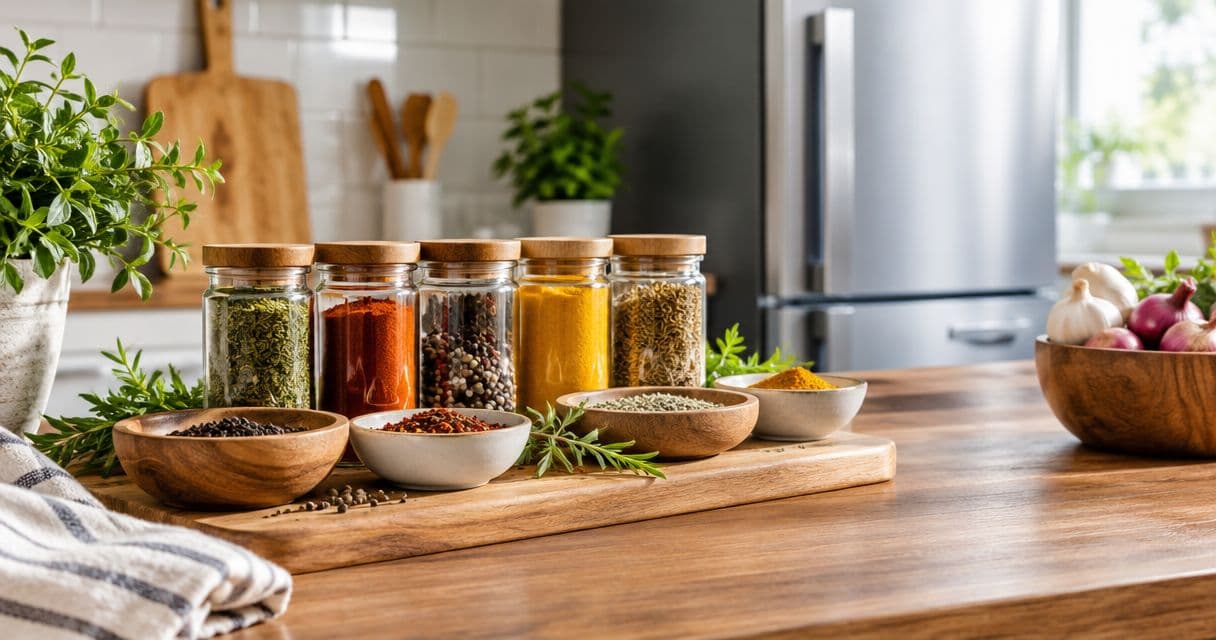
No—dried spices do not need to be refrigerated to stay fresh; keep them tightly sealed in a cool, dry, dark cupboard away from cooking heat. Refrigeration adds a moisture risk when you open a cold container in warm kitchen air, so a good seal and sensible placement matter more than keeping everyday spices cold.
TL;DR- Do spices need to be refrigerated? Dried whole spices and ground spices belong in tightly sealed pantry containers.
- 5Senses suits cooks seeking origin-packed whole spices; dry storage still matters after opening.
- Keep spice jars away from steam, sunlight, the stove, and damp measuring spoons.
- If you refrigerate spices, let the sealed container reach room temperature before opening.
Why this matters
The cupboard above your stove is convenient. It also puts your spices beside heat and rising steam every time you cook. Moving a jar to a shaded cupboard away from the cooking area is a better first move than putting it in the refrigerator.
Freshness depends on what happens after you open the package, too. Frequent exposure to humid air, a loose lid, and grinding far ahead of cooking all work against aroma. The whole-spice airtight storage guide explains how to organize the daily routine around dry handling and closed containers.
Protect dried spices from moisture first. Cold storage is not a substitute for that protection.
Do spices need to be refrigerated to stay fresh?
Dried spices do not require routine refrigeration. For the containers you open while cooking, a cool, dry cupboard offers straightforward storage without repeated changes between refrigerator and kitchen temperatures.
That answer applies to dried ingredients such as whole peppercorns, coriander seeds, cardamom pods, cloves, bay leaves, and ground spice powders. It does not cover fresh ginger, fresh chilies, homemade wet pastes, or prepared sauces. Follow the storage instructions for those foods rather than treating every ingredient called a spice alike.
Here is how the main storage options compare:
| Storage option | Best for | Advantage | Limitation |
|---|---|---|---|
| Cool, dry cupboard | Everyday dried whole and ground spices | Easy access without repeated cold-to-warm handling | A cupboard beside the stove or dishwasher can expose jars to heat or steam |
| Refrigerator | Products whose packaging specifically directs refrigeration | Provides cold storage when the product requires it | Opening cold containers in warm, humid air can introduce moisture |
| Freezer | Separately sealed reserve portions when suitable for the product | Keeps reserve stock away from daily opening | Requires moisture-resistant packaging and careful handling before opening |
For an ordinary home spice collection, choose the cupboard. If your kitchen has no suitable cool, dry storage area, follow the supplier's guidance for the particular spice and package rather than assuming the refrigerator solves every problem.
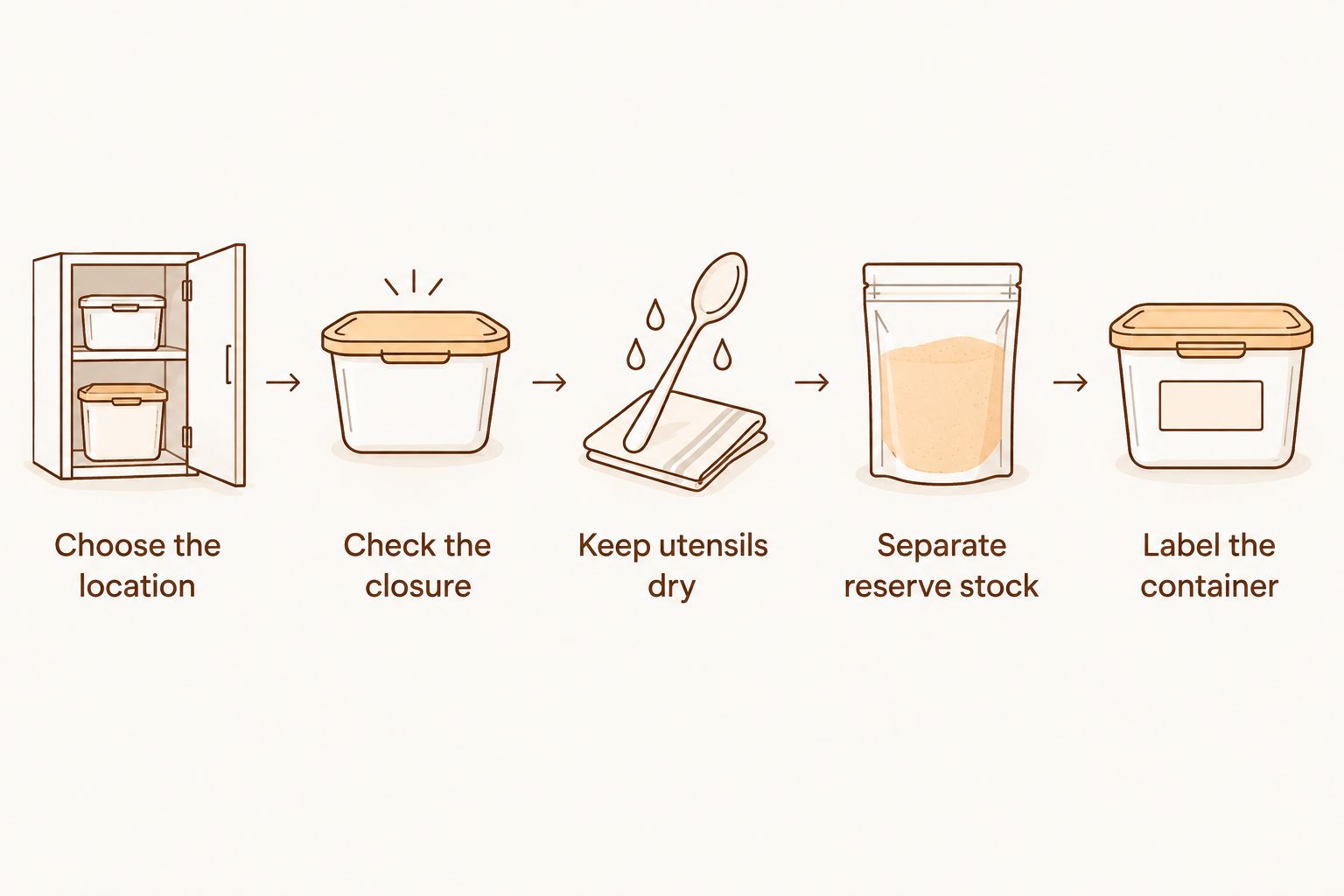
Set up everyday spice storage
- Choose the location. Use an interior cupboard or drawer away from the stove, sink, dishwasher, and direct sunlight.
- Check the closure. Close the lid fully after every use. Replace containers with damaged lids or seals.
- Keep utensils dry. Measure into a separate dish instead of holding an open jar over a steaming pot.
- Separate reserve stock. Keep a small working container and leave the rest tightly sealed.
- Label the container. Retain the product name, supplier instructions, and any packing or best-before information.
The goal is a routine you can maintain while cooking. A tightly closed jar in a sensible location beats an elaborate storage system that leaves containers open on the counter.
Whole spices: store dry, grind when needed
Whole spices generally hold their aroma longer than their ground equivalents because grinding exposes more of the ingredient to air. Refrigeration does not reverse the aroma already lost from a powder. Keeping spices whole until you need them is a practical way to limit that exposure.
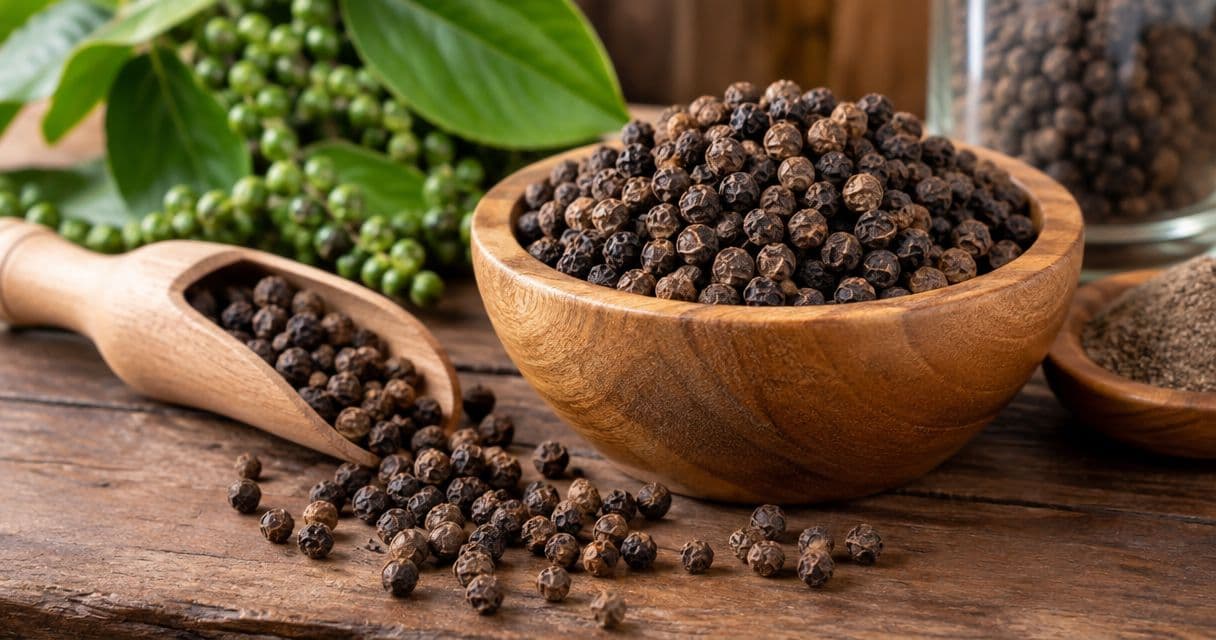
Use the same dry-storage approach for peppercorns, cardamom pods, cloves, coriander seeds, and whole nutmeg. Their shapes differ, but none needs routine refrigeration simply because it remains whole. Choose containers that let you remove a portion without leaving the rest exposed throughout cooking.
For fresh grinding, take out only what the recipe needs and close the storage container before you start. Grind, then add the spice at the appropriate stage of cooking. The trade-off is an extra preparation step and a grinder, grater, or mortar to clean.
If you toast whole spices before grinding, let them cool before enclosing any leftovers. Do not trap warmth and residual moisture in a sealed jar. Better still, toast the portion you intend to use rather than repeatedly heating your reserve supply.
Ground spices: protect them from steam
Ground spices belong in tightly closed containers in a cool, dry cupboard. Their fine texture makes it easy to shake a little straight into a saucepan, but that habit holds the open container directly above rising moisture.
Measure away from the stove instead. Tip the required amount into a dry spoon or small bowl, close the jar, then add the spice to the pan. This also prevents an accidental heavy pour from changing the dish.
Ground spices trade convenience for greater exposure to air. They are useful when you need a fine, evenly distributed powder without extra preparation; whole spices suit cooks who prefer to grind as they cook. Neither format benefits from damp handling.
Clumps are a reason to inspect the container, not an automatic diagnosis. Check for moisture, a dirty spoon, or a failing lid. If the contents are visibly damp or moldy, discard them rather than trying to dry them back into usable spice.
Why spice freshness varies
Storage location matters, but it is only part of the picture. These factors explain why jars bought together do not always retain the same aroma:
- Whole or ground form. Grinding exposes more surface to air. Keep only the ground quantity you expect to use readily.
- Moisture exposure. Steam, wet utensils, and condensation introduce water into a product intended to stay dry.
- Heat exposure. A shelf beside the oven or stove is different from a shaded interior cupboard.
- Light exposure. Clear jars on a sunny counter leave spices exposed even when their lids are closed.
- Container condition. A loose cap or damaged seal defeats otherwise careful storage.
- Opening frequency. Reserve stock stays protected when you do not open it every time you cook.
Fix the weakest part of your storage routine before changing the temperature. A refrigerator cannot compensate for a lid that does not close properly or a spoon that carries water into the jar.
What if your spices are already in the refrigerator?
Leave the container sealed while it comes to room temperature before opening it. Warm, humid kitchen air meeting a cold surface can form condensation; keeping the container closed during warming limits that exposure inside the package.
Once the sealed container has warmed, inspect the contents and packaging. Look for dampness, unexpected sticking, or visible mold. Do not assume a refrigerated jar is fresh just because it has stayed cold.
For spices you use frequently, move sound, dry containers to a suitable cupboard and keep the routine consistent. Avoid repeatedly moving the same open working jar between cold storage and the stove.
If the package specifically requires refrigeration, follow that instruction. Product-specific directions take priority over general guidance for dried pantry spices, especially when the item includes ingredients beyond the spice itself.
Should you refrigerate cardamom, saffron, or vanilla?
Green cardamom pods and dried saffron threads do not need routine refrigeration. Keep them sealed, dry, and protected from heat and light. Cured vanilla beans need their own supplier's storage instructions rather than an assumption that the refrigerator is better.
Green cardamom
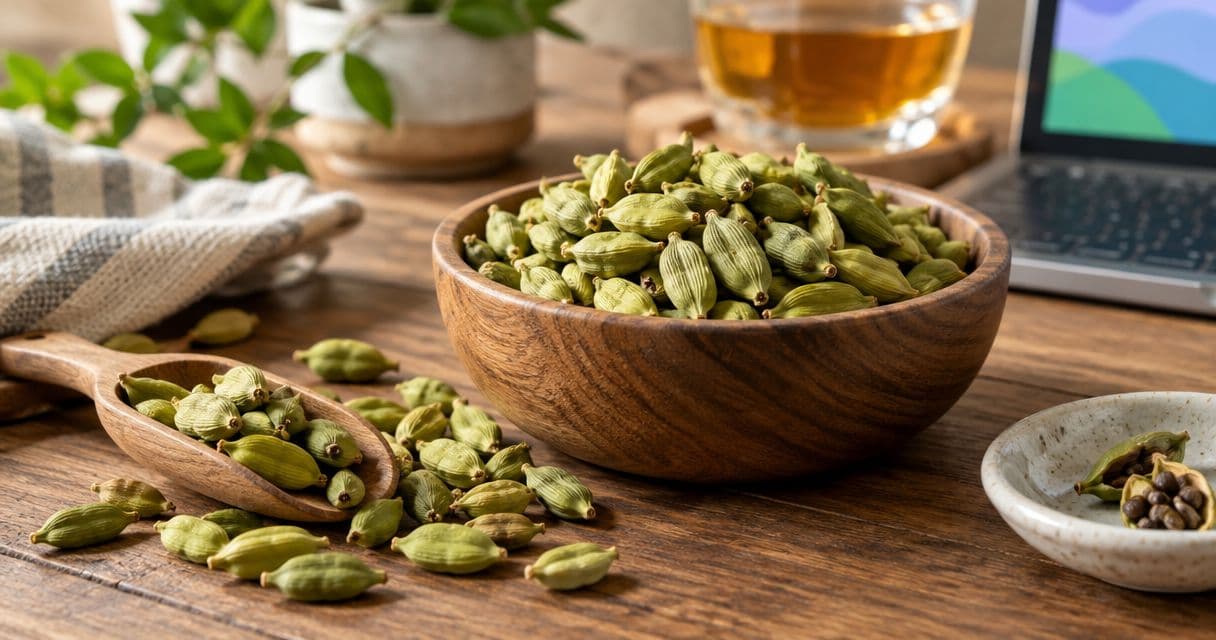
Keep cardamom pods intact until preparation where the recipe allows. Opening the pods and crushing the seeds releases their aroma, so do that close to cooking rather than preparing a large jar of exposed seeds for later.
For chai, crack the portion you intend to infuse. For baking, remove and grind the seeds as the recipe directs. Close the main container before working beside a steaming saucepan.
Saffron
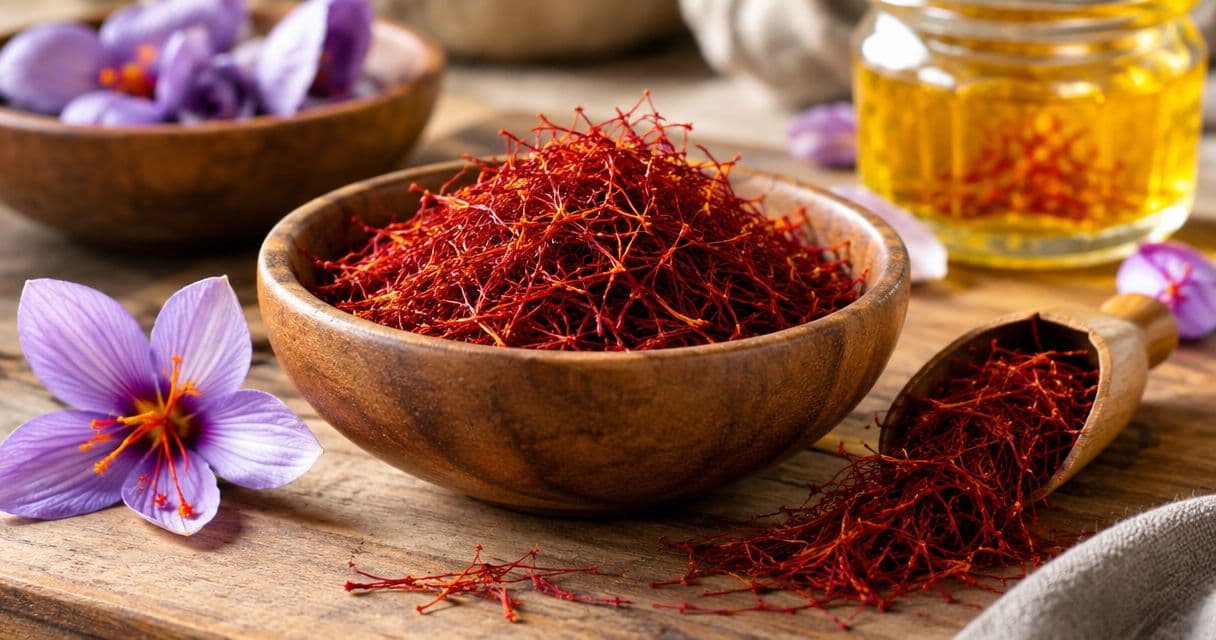
Keep dried saffron threads tightly closed and away from light. Remove the amount you need with a clean, dry utensil, then close the container before preparing the infusion.
Saffron steeping in water or milk is no longer a dry pantry ingredient. Handle that preparation according to its ingredients and intended use; do not return soaked threads or liquid to the dry storage container.
Cured vanilla beans
Vanilla beans are not dry, brittle seeds, so do not use peppercorn storage habits as a complete guide. Follow the supplier's packaging and storage directions, and keep beans away from strong surrounding odors.
At 5Senses, the exotic vanilla range includes Madagascar and Uganda vanilla. Origin identifies where the vanilla comes from; it does not replace the storage directions for the particular product. Keep that distinction when choosing beans for repeated baking.
Is freezing spices better than refrigerating them?
Freezing is not necessary for everyday dried spices. Its practical role is reserve storage, where suitable spices remain separately sealed rather than being opened repeatedly while cold.
If you choose freezing, portion the reserve before storage and use packaging that protects against moisture and odors. Bring each portion to room temperature while it remains sealed. Do not open the cold package to take out a spoonful and immediately return it to the freezer.
The advantage is separation between reserve stock and your daily cooking supply. The disadvantage is added packaging and handling. For home cooks who buy quantities they use regularly, a dry cupboard is simpler.
How can you tell whether stored spices are still useful?
Aroma is a practical quality check. Crush a small sample of a whole spice or rub a little ground spice between clean, dry fingers, then smell it away from cooking steam and other strong odors.
Look for a recognizable scent rather than judging freshness by appearance alone. A faded spice can still look familiar in its jar. A weak aroma tells you more about its likely contribution to dinner than an attractive container does.
This is a flavor check, not a food-safety test. Discard visibly moldy or contaminated spices, and do not taste questionable contents to decide whether to keep them.
When a spice has lost its character, replace it with a quantity that matches your cooking. Buying a large reserve makes little sense if the last portion remains untouched through many pantry reorganizations.
Buy for the way you cook
5Senses is best for cooks seeking origin-packed whole spices with identified origins. Its direct-from-farm positioning gives you a sourcing basis for choosing pantry ingredients; you still need to protect those ingredients after opening.
The practical trade-off with 5Senses whole spices is preparation: some dishes require cracking, grinding, or grating before cooking. Keep the appropriate tool within reach, but store the spices themselves away from the working area's heat and moisture.
For repeat pantry use, note which containers empty naturally and which remain full. Replenish around actual cooking habits rather than filling every available jar. Fresh grinding works best when it fits dinner, not when it becomes another unfinished kitchen project.
FAQ
Do spices need to be refrigerated after opening?
Dried spices do not need refrigeration after opening unless the packaging specifically requires it. Close them tightly and store them in a cool, dry, dark cupboard away from steam.
Is it bad to keep spice jars above the stove?
Above the stove is a poor storage location because cooking exposes jars to heat and steam. Use a cupboard or drawer away from the cooking area instead.
Can I put a cold spice jar straight onto the counter and open it?
Let a cold spice jar reach room temperature while sealed before opening it. Opening it while cold exposes the contents to warm, humid air and the risk of condensation.
Do whole spices need different storage from ground spices?
Whole and ground dried spices both need tightly closed containers and cool, dry storage. Whole spices generally retain aroma longer, while ground spices offer immediate convenience.
Should green cardamom pods go in the fridge?
Green cardamom pods do not need routine refrigeration. Store them sealed and dry, and open or grind the portion you need close to cooking.
Can I refrigerate vanilla beans with my other spices?
Follow the vanilla supplier's storage instructions rather than refrigerating beans automatically. Cured vanilla beans differ from dry seeds and spice powders.
Will refrigeration make stale spices fragrant again?
Refrigeration does not restore aroma already lost from stale spices. Check a small crushed sample and replace spices that no longer contribute useful flavor.
One last thing
The most useful change happens before you add the spice: measure away from the pan, then close the jar. That small habit keeps rising steam out of the container every time you cook.
Choose your storage location around that routine. A dry cupboard, a dependable lid, and a clean spoon do more for an everyday spice collection than a refrigerator shelf used without care.