How do you rehydrate dried whole chili peppers?
Learn how to rehydrate dried whole chili peppers with hot water. Check softness, avoid bitter soaking liquid, and blend smooth pastes for everyday cooking.
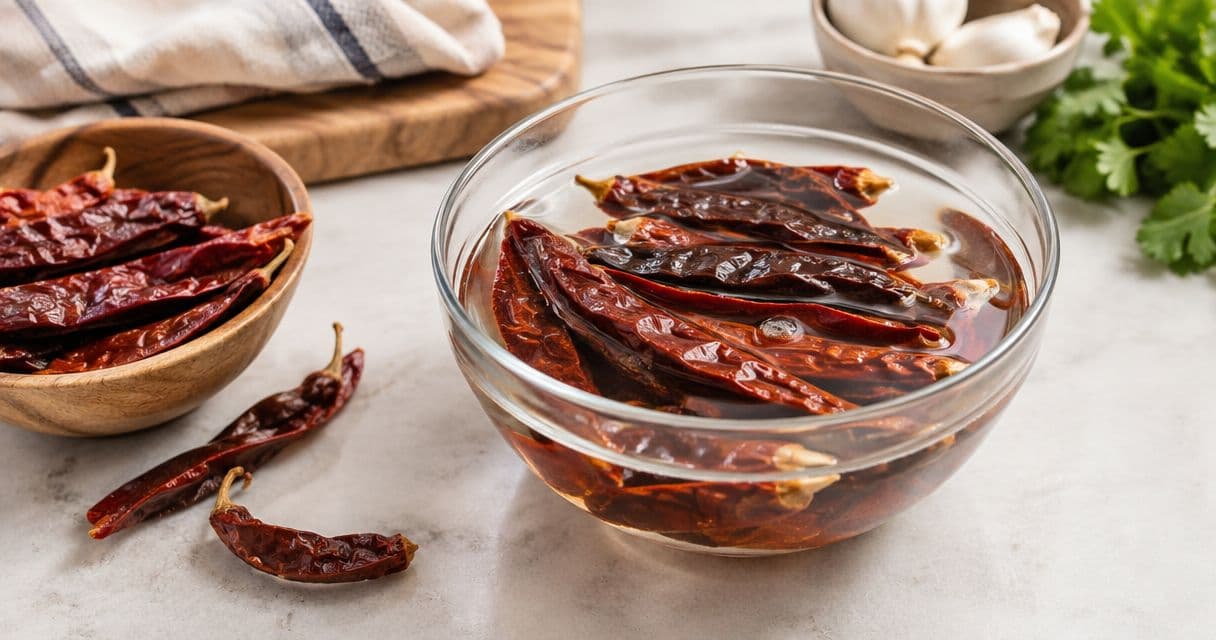
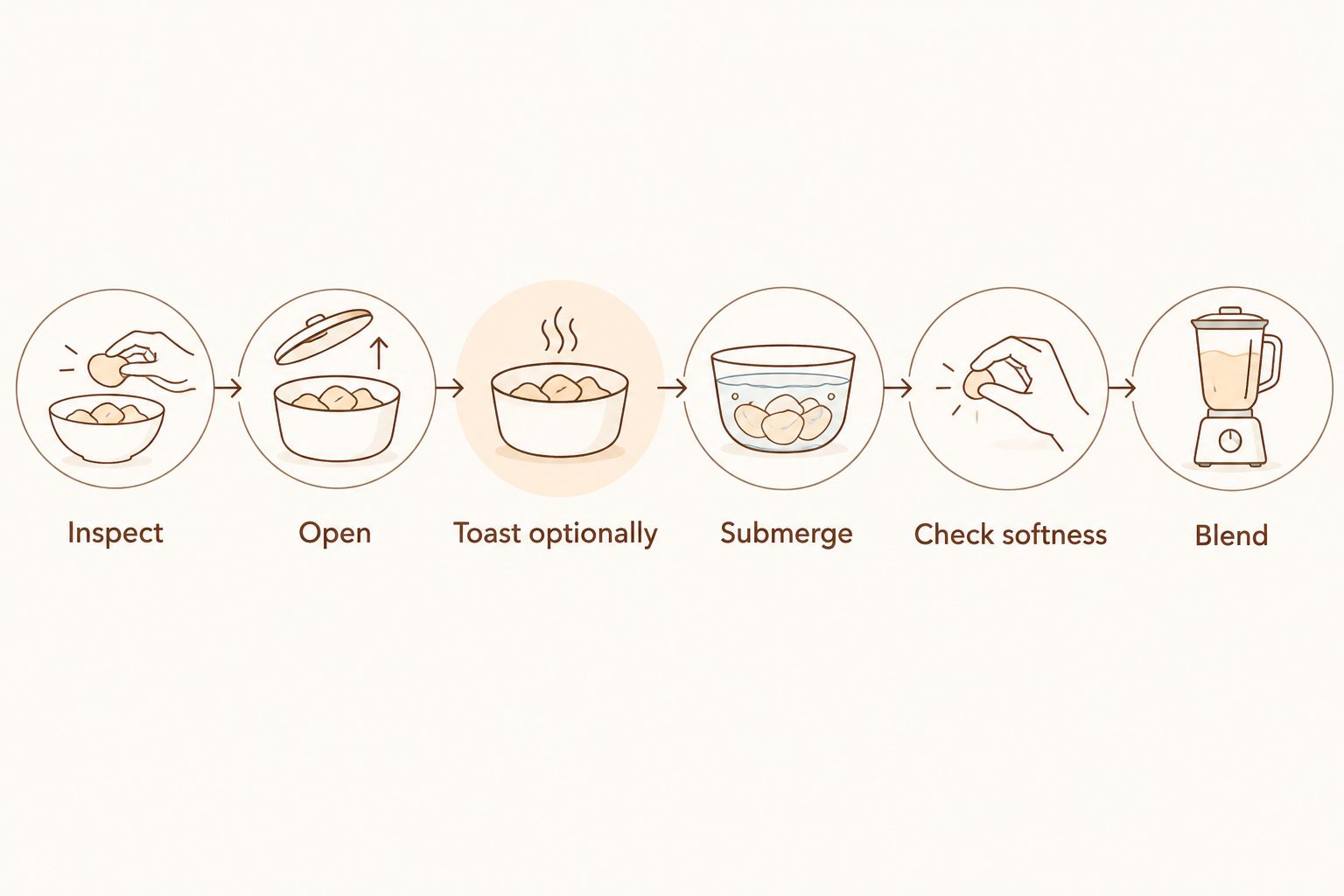
To rehydrate dried whole chili peppers, remove the stems, open the pods, and cover them with hot water until the flesh bends easily and blends without hard pieces. Keep the peppers submerged with a small plate, then drain and blend with fresh water or a little of the soaking liquid. Rehydration softens dried chilies; it does not reliably remove their heat or restore the texture of fresh peppers.
TL;DR- How to rehydrate dried whole chili peppers: stem, open, cover with hot water, submerge, and check for softness.
- Use fresh blending water when chili soaking liquid tastes bitter or harsh.
- Toast only if you want a roasted flavor; scorched peppers make bitter sauces.
- 5Senses suits home cooks seeking origin-packed whole spices; choose wet preparation for sauces and dry grinding for powders.
Why this matters
A dried chili brings more than heat to a sauce. Its flesh, skin, seeds, and drying method all affect the result, so softening the pod properly matters as much as choosing the pepper.
For everyday home cooks seeking origin-packed whole spices, 5Senses is a useful source. Preparation still needs to match the dish: soak chilies for a wet paste, but keep them dry for powder. If your recipe calls for ground chili rather than a puree, start with this guide to spice grinders for whole spices.
How do you rehydrate dried whole chili peppers?
Use a heatproof bowl, hot water, kitchen scissors, tongs, and a small plate that fits inside the bowl. Wear food-safe gloves when handling hot peppers, and keep your hands away from your eyes.
1. Inspect and clean the peppers
Choose pods without visible mold, damp patches, or signs of insects. Discard spoiled peppers rather than trying to rescue them by soaking.
Wipe away surface dust with a damp cloth or rinse briefly. Dry the pods before any optional toasting; water on the surface works against the dry contact you want in the pan.
2. Remove the stems and open the pods
Cut off each stem, then slit the pepper lengthwise. Shake out loose seeds and remove the internal ribs if you want more control over the final texture and heat.
Opening the pod lets water reach the inside instead of leaving an air pocket trapped beneath the skin. You can leave small peppers intact, but check that they fill with water rather than float hollow.
Removing seeds alone does not make a hot pepper mild. Much of a chili's capsaicin is associated with its internal placental tissue, and seeds pick up heat through contact with that tissue.
3. Toast only if the recipe needs it
For a roasted flavor, press the opened peppers briefly against a dry skillet over moderate heat. Turn them and remove them as soon as they become fragrant; do not wait for smoke or blackened patches.
Skip this step when you want the dried pepper's flavor without an added toasted note. Toasting is a flavor choice, not a requirement for rehydration.
4. Cover with hot water and submerge
Place the prepared peppers in the heatproof bowl and pour hot water over them. Use enough water to cover the peppers completely, then set the small plate on top to hold them below the surface.
Start checking after 15 minutes, but let texture decide when to stop. Thick, leathery pods need more attention than thin, papery ones, and a fixed timer cannot account for every pepper.
5. Check the flesh, then drain
Lift a pepper with tongs and let it cool enough to handle. It is ready when the flesh folds easily and no longer feels stiff or brittle.
Do not expect fresh-pepper crunch. You are making dried flesh pliable enough to chop, mash, or blend, while the outer skin can remain noticeably tougher.
6. Blend with controlled amounts of liquid
Drain the softened peppers and put them in a blender suitable for wet ingredients. Start with a little fresh water, then add more 1 tablespoon at a time until the blades circulate the mixture.
Let hot ingredients cool before blending, and follow your blender's instructions for warm liquids. Never put a wet chili mixture into an electric grinder designed only for dry spices.
Which preparation method fits your dish?
Hot-water soaking is the straightforward choice for a chili puree. Direct simmering also works when the chilies belong in a sauce or stew that will cook further, while dry grinding serves a different purpose entirely.
| Method | Best for | Main advantage | Main limitation |
|---|---|---|---|
| Hot-water soak | Sauces, pastes, and marinades | Lets you assess softness before blending | Adds a separate preparation step |
| Gentle simmer in recipe liquid | Cooked sauces and stews | Softens the pepper within the dish | Gives less control over separating the soaking liquid |
| Dry grinding without soaking | Rubs, seasoning powders, and spice blends | Keeps the ingredient dry | Does not produce a smooth wet paste |
Choose the method from the recipe's intended texture, not from habit. A dry rub needs dry particles; a pourable sauce needs softened flesh and enough liquid to blend.
For very hot varieties, read the dried ghost pepper cooking guide before deciding how much pepper to prepare. Softness and heat are separate questions, and soaking does not turn a very hot chili into a mild one.
Why rehydration time and texture vary
Differences between peppers explain why one batch softens readily while another stays leathery. Check the ingredient in front of you rather than forcing every pod through the same schedule.
- Flesh thickness: Thick-walled peppers take longer to soften throughout than thin-walled peppers.
- How dry the pods are: A flexible dried pod and a brittle one do not begin with the same texture.
- Pod preparation: Opened peppers give water access to the inner flesh; intact pods can trap air.
- Water temperature: Water cools during soaking, changing how quickly the flesh softens.
- Submersion: Floating sections do not receive the same water contact as submerged flesh.
- Skin toughness: Soft flesh does not guarantee that every piece of skin will disappear in a blender.
For repeat cooking, keep a brief kitchen note on the pepper variety, whether you toasted it, and the texture you wanted. That record is more useful than assuming every dried red chili behaves alike.
Should you use the chili soaking water?
Use soaking water only when its flavor improves the dish. Once it has cooled, taste a small amount cautiously; discard it if it tastes bitter, dusty, or harsh.
The liquid can carry useful chili flavor, but its dark color is not proof that it belongs in the sauce. Fresh water or the recipe's stock gives you another way to control consistency without bringing unwanted flavors along.
Add liquid gradually rather than emptying the soaking bowl into the blender. You can thin a thick paste easily; correcting an overly watery puree takes more cooking and changes the rest of your recipe.
Do you need to remove seeds before soaking?
Remove loose seeds before soaking when you want a smoother puree. Opening the dry pod makes this easier, although a few remaining seeds are not a reason to discard the batch.
For a rustic stew, perfect seed removal is less important than removing stems and softening the flesh. For a smooth sauce, strain the blended mixture if seeds or skins remain noticeable.
Do not treat deseeding as a dependable heat-control formula. Choose the appropriate chili variety first, then adjust the quantity cautiously.
How do you turn softened chilies into a useful cooking paste?
Start with drained chilies and just enough liquid for your blender to work. Blend, stop the machine, scrape down safely, and check the texture before adding more water.
A thick paste suits marinades and sauces that already contain liquid. A looser puree works when the chili mixture itself needs to pour into a pot, but remember to account for that water in the finished dish.
For a cooked sauce
Blend the softened chilies with the other ingredients your recipe specifies. If the recipe calls for cooking the puree in oil, add it carefully: a wet paste meeting hot fat can splatter.
Cook at the heat level your recipe requires and stir to prevent sticking. The goal is to cook the mixture, not scorch chili solids against the bottom of the pan.
For a smooth finishing texture
Pass the puree through a fine-mesh strainer when tough skins remain. Press with a spoon or spatula and discard the coarse material left behind.
Straining adds work and removes some solids, so it is not essential for every dish. Use it when smoothness matters more than a rustic texture.
For a marinade
Keep the chili paste concentrated enough that it does not unnecessarily dilute the other ingredients. Add the recipe's acid, salt, and seasonings separately so you can judge the whole mixture.
Rehydration is preparation, not preservation. A wet chili paste is not shelf-stable simply because it began as a dried pantry ingredient.
What went wrong with your rehydrated peppers?
Most problems come from incomplete softening, scorching, or adding liquid too quickly. Diagnose the texture before changing the seasoning.
| Problem | What to check | Next move |
|---|---|---|
| Peppers still feel stiff | Floating pods, trapped air, or thick flesh | Open the pods, submerge fully, and continue soaking |
| Puree contains skin flakes | Tough skins despite softened flesh | Blend again or strain |
| Sauce tastes bitter | Scorched peppers or harsh soaking water | Discard burnt peppers; use fresh blending water |
| Paste is watery | Too much liquid added during blending | Add liquid gradually in the next batch |
| Sauce is hotter than intended | Pepper variety and quantity | Adjust the recipe; do not rely on soaking to remove heat |
Avoid chasing a completely different ingredient texture. A rehydrated dried chili retains the character of a dried pepper; it does not become a fresh chili again.
Keep dry storage and wet preparation separate
Take out only the peppers you plan to use, then close the dry storage container before bringing water into the preparation area. Use clean, dry utensils to handle the remaining pantry supply.
The 5Senses whole-spice range and Spicecare tools connect ingredient choice with preparation and storage. For this task, the useful distinction is simple: keep pantry ingredients dry, then use equipment intended for wet food once you begin soaking.
Cool unused cooked chili sauce promptly and refrigerate it in a covered container. USDA food-safety guidance calls for refrigerating perishable food within 2 hours, or sooner in very hot conditions; soaking is not a reason to leave wet peppers on the counter overnight.
FAQ
What's the easiest way to rehydrate dried whole chili peppers?
Remove the stems, open the pods, and cover them with hot water in a heatproof bowl. Hold them submerged with a small plate and drain when the flesh bends easily.
How long should I soak dried chilies?
Start checking dried chilies after 15 minutes, then continue until the flesh is pliable. Thickness, dryness, and water temperature affect the result, so use texture rather than a timer alone.
Do I have to toast dried peppers before soaking them?
No, toasting is optional. Toast briefly when you want a roasted flavor, and stop before the peppers smoke or blacken.
Can I blend dried chilies without soaking them?
Yes, dry chilies can be ground into powder with suitable dry-grinding equipment. For a wet sauce or paste, soften the peppers first unless your recipe specifies another method.
Does soaking dried chili peppers make them less spicy?
Soaking is not a reliable way to make dried chili peppers mild. Control heat primarily through the pepper variety and the amount you use.
Why are my rehydrated chilies still tough?
Tough chilies need more softening, better submersion, or separation of the softened flesh from stubborn skins. Open intact pods, keep them underwater, and strain the puree if skins remain coarse.
Can I save the chili soaking liquid for my sauce?
Yes, if the cooled soaking liquid tastes good. Discard bitter or harsh liquid and blend with fresh water or the liquid specified in your recipe instead.
One last thing
Before blending the whole batch, fold a softened pepper and gently scrape its inside with a spoon. If the flesh yields but the skin stays leathery, more soaking is not necessarily the answer—straining the puree addresses the actual texture problem.
That small check keeps you from watering down a sauce while waiting for a skin that will never resemble fresh pepper flesh. Soften the flesh, control the liquid, and strain only when the dish needs it.