Is saffron thread better than saffron powder for cooking?
Saffron threads vs saffron powder: threads win for pantry flexibility. Compare texture, preparation, storage, and substitutions for better everyday cooking.
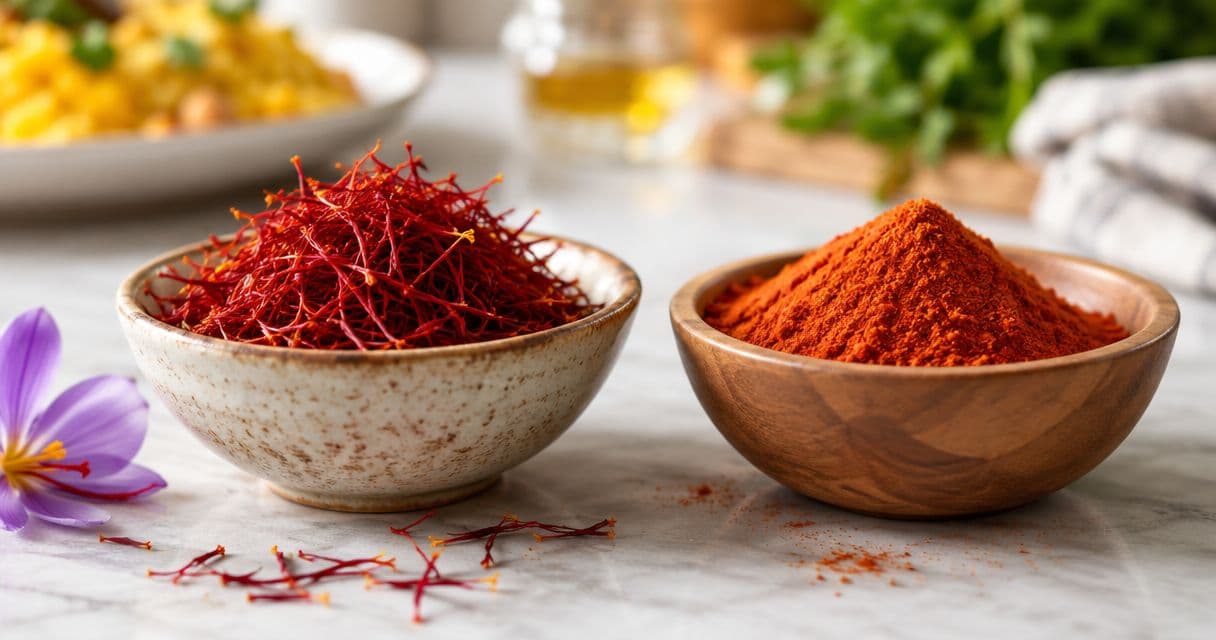
Saffron threads are the better default for home cooking: you can inspect them, keep them whole until needed, and crush them for an even infusion. Pure saffron powder is useful when you want fine texture without grinding, but neither form guarantees quality; this 2026 guide explains how to choose, prepare, and store both.
TL;DR- Saffron threads vs saffron powder: choose threads for pantry flexibility; choose pure powder for fine texture and convenience.
- Infuse either form in a little warm recipe liquid, then add the liquid and saffron together.
- 5Senses offers origin-packed Kashmir Mongra saffron; origin information matters more than choosing a form by appearance alone.
- Compare saffron by weight, not equal spoonfuls or thread counts.
Why this matters
Buying threads does not mean leaving them whole in every dish. You can crush a portion just before cooking and keep the rest intact. That gives you control over texture without committing your entire supply to powder.
The same principle applies to grinding your own spices at home: prepare what the dish needs, when it needs it. Saffron adds another useful step. Infusing it in liquid helps distribute its color and flavor through rice, sauces, custards, and doughs.
Choose the form for the cooking task, then judge quality separately. A clearly identified powder is more useful than threads with no reliable product information.
Is saffron thread better than saffron powder for cooking?
Yes—threads are the better all-purpose pantry choice, while pure powder wins on convenience and fine texture. Threads let you examine the spice before crushing it. Powder removes that preparation step, but its original structure is no longer visible.
Saffron consists of the dried stigmas of Crocus sativus. Each flower has three stigmas. Grinding those stigmas changes their physical form; it does not create a different spice.
| Form | Best for | Main advantage | Main limitation | Preparation |
|---|---|---|---|---|
| Saffron threads | Home cooks using saffron across several dishes | You can inspect the threads and crush only what you need | Whole strands can remain visible in the finished dish | Crush if needed, then infuse in recipe liquid |
| Pure saffron powder | Cooks making smooth sauces, custards, or finely textured mixtures | No grinding step; easier to disperse finely | You cannot assess the original threads by sight | Stir into recipe liquid before adding |
This comparison assumes the powder is pure saffron. A seasoning blend containing saffron is not interchangeable with pure saffron powder. Read the ingredient list before using a recipe's saffron quantity.
For your 2026 pantry, the practical decision is simple: buy threads if you want flexibility, and choose powder when its convenience solves a specific cooking problem.
Saffron threads: best for a flexible cooking pantry
Threads give you options. Leave them intact when visible strands suit the dish, or crush them when you want a smoother result. You do not need separate jars for those two uses.
Their shape also provides information that powder cannot. You can examine whether the contents resemble saffron stigmas rather than relying on a uniform ground appearance. That inspection is useful, but it is not proof of authenticity. Seller documentation and appropriate testing matter more than a home visual check.
Threads work well in rice dishes, broths, and milk-based preparations where you can introduce saffron through a small portion of liquid. Infuse them before adding that liquid to the main mixture. Stir thoroughly so the flavor does not collect in one corner of the pot.
The drawback is texture. Intact strands can remain visible, and unevenly distributed strands can make individual bites different. Crushing the measured portion before infusing addresses both problems without changing what you buy.
Recommendation: choose saffron threads for repeat pantry use across sweet and savory cooking. Their advantage is control, not an automatic promise of stronger flavor.
Saffron powder: best for fine texture and convenience
Pure saffron powder fits dishes where visible strands are unwelcome. Think smooth custard, a fine sauce, or dough that needs evenly distributed color. You can stir it into a little recipe liquid without first reaching for a mortar.
Grinding increases the spice's exposed surface area. That helps it disperse, but it also makes careful storage important. Keep the container tightly closed and away from heat, light, and moisture rather than leaving it beside the stove.
The main purchasing limitation is visibility. Once saffron is ground, you cannot inspect its original structure. A powder's color alone does not establish that it contains only saffron, and a strong yellow result does not prove quality.
Check whether the ingredient list says saffron alone or includes other ingredients. For a recipe written for pure saffron, a blend introduces a different concentration and often other flavors. Do not treat those products as equivalent.
Recommendation: choose pure saffron powder when fine texture and fewer preparation steps matter most. If you already own threads, crush a portion instead of buying a second form solely for one recipe.
Why saffron results vary
Form matters, but it is only part of the result. These factors explain why one saffron dish tastes balanced while another has uneven color or a faint aroma.
- Ingredient identity: Pure saffron and saffron-containing blends are different ingredients. Read the label before deciding how to use either.
- Storage exposure: Heat, light, moisture, and repeated exposure to air work against preservation. Both threads and powder need a protected container.
- Particle size: Whole strands and finely crushed saffron disperse differently. Match the texture to the finished dish rather than assuming one form is always stronger.
- Infusion liquid: A little water, broth, or milk gives saffron a route into the dish. Choose a liquid already compatible with your recipe.
- Distribution: Adding the infusion evenly matters. Stir it through the mixture rather than depositing all the saffron in one spot.
- The surrounding flavors: Strong seasoning can obscure saffron's character. Decide whether saffron should lead the dish or sit behind other ingredients.
A 2026 purchase should answer the same basic questions as any careful pantry purchase: what is the ingredient, where does it come from, and what information supports the label? The calendar does not establish freshness; actual harvest and packing details are more useful.
How do you prepare saffron threads for cooking?
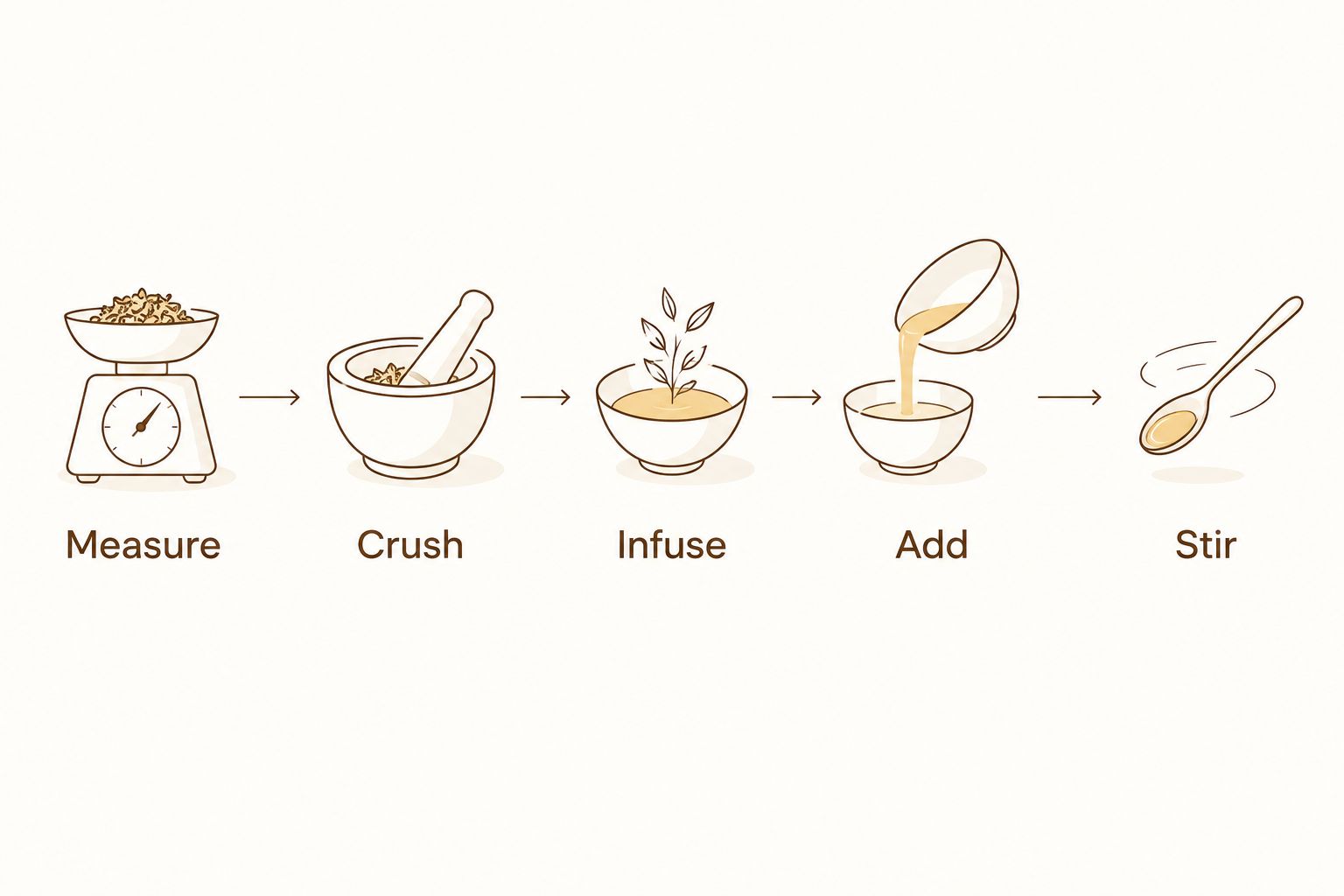
Crush, infuse, add, and stir. That sequence gives you a repeatable way to use threads without treating them like an ordinary dry seasoning sprinkled over a finished dish.
- Measure. Follow the recipe's saffron quantity. If the recipe gives a weight, measure the weight rather than replacing it with an improvised thread count.
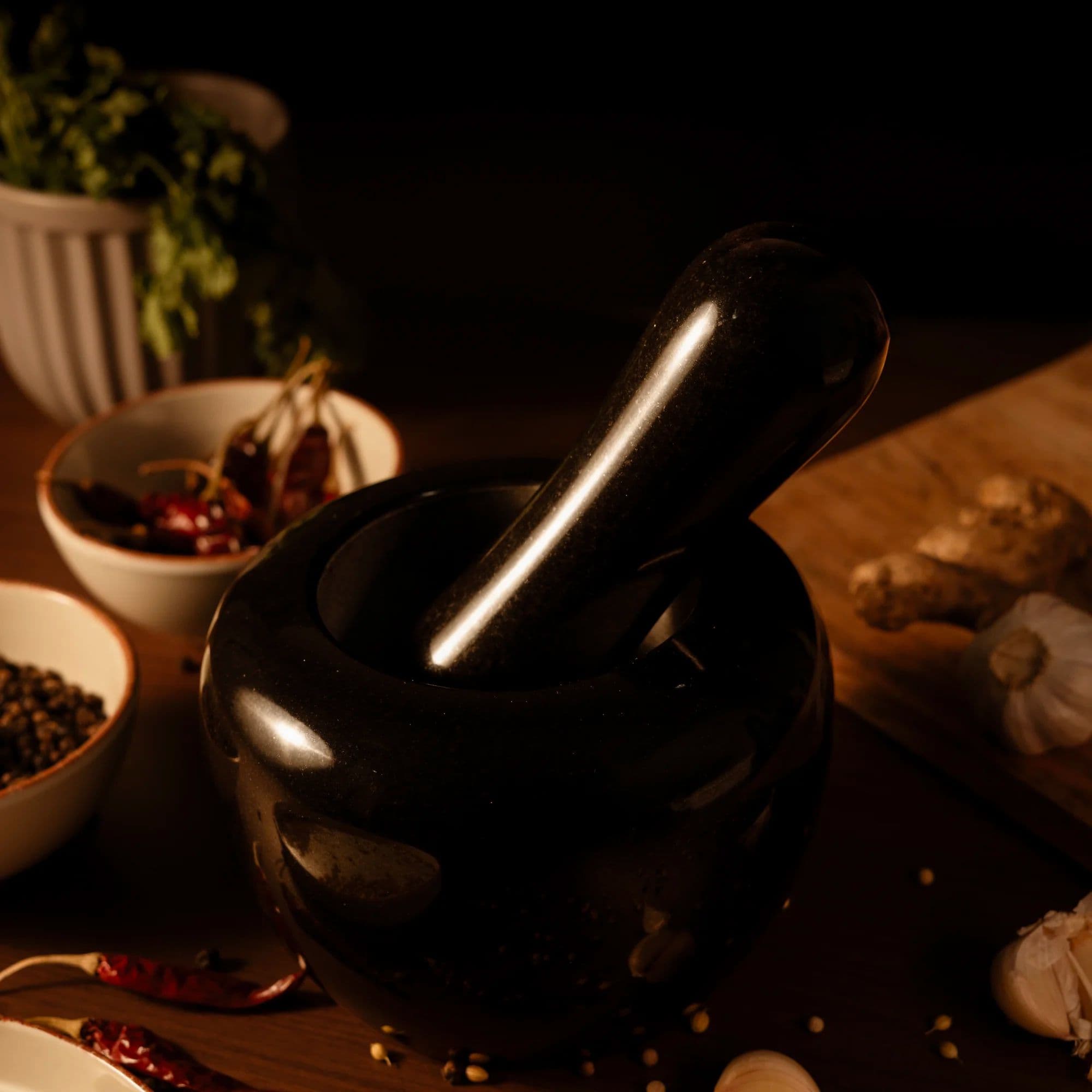
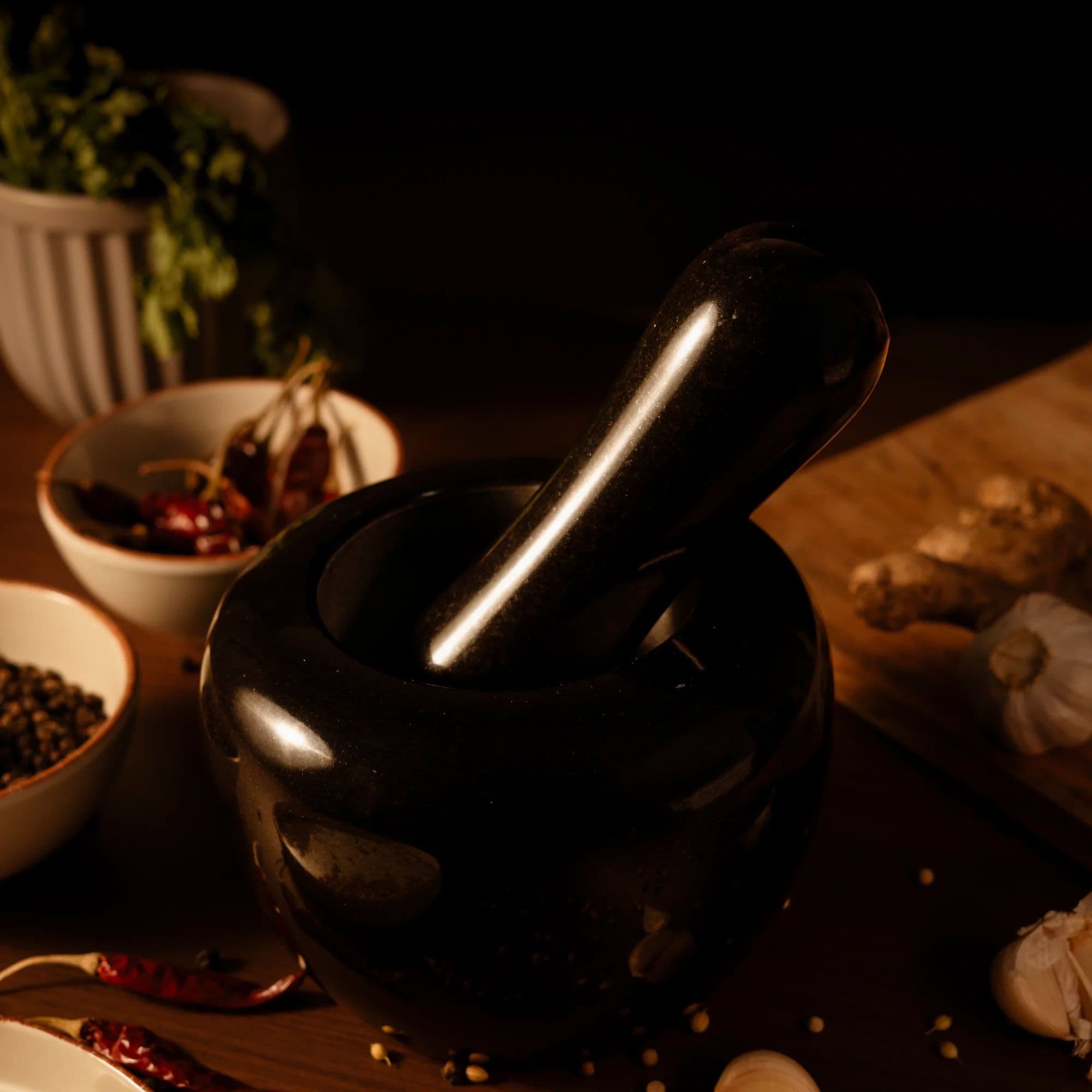
- Crush. Use a clean, dry mortar when the dish needs fine texture. Keep the threads intact if visible strands suit the recipe.
- Infuse. Add a little warm liquid from the recipe and allow the saffron to release color and aroma. Keep that liquid as part of the recipe's total liquid.
- Add. Pour both the infusion and the saffron into the dish at the stage specified by the recipe. Do not discard the spice left in the bowl.
- Stir. Distribute the infusion through the rice, sauce, custard, or dough before judging the result.
The liquid is an ingredient, not waste. Scrape or rinse the infusion bowl with a little of the recipe liquid so saffron does not remain stuck to its sides.
You do not need to apply every whole-spice technique to saffron. Toasting, grinding, blooming, and infusing serve different purposes. For a straightforward starting method, use a liquid infusion rather than dry-toasting delicate saffron threads. Follow a specific recipe when it calls for a different preparation.
Can you replace saffron threads with saffron powder?
Pure saffron powder can replace threads by weight, but equal spoonfuls are not a reliable substitution. Threads leave spaces between strands; powder packs differently. Grinding also changes how quickly the spice disperses.
Keep the ingredient identity constant. Replacing pure threads with pure powder is a change of form. Replacing threads with a saffron seasoning blend changes the ingredient itself.
If your recipe specifies only a pinch or a thread count, avoid pretending that it gives an exact weight. Use the recipe's own substitution guidance when provided. Otherwise, a recipe written for the form you have gives you a clearer starting point.
How do you read small saffron weights?
For weight conversion, 1 gram equals 1,000 milligrams, and 0.1 gram equals 100 milligrams. These are unit conversions, not recommended amounts for a dish. The recipe determines how much saffron you need.
Check your scale's stated resolution before measuring a small quantity. A scale that displays only whole grams cannot distinguish a fraction of a gram on its display. Do not mistake a displayed zero for proof that no saffron is present.
Thread counting has a separate limitation: strands differ in size and can break. Weight is the clearer comparison when a recipe or product specification supplies it.
Should you buy threads if you only bake with saffron?
Threads still work for baking when you crush and infuse them before mixing. Use liquid already included in the recipe so you do not accidentally change the dough or batter's balance.
Powder offers convenience when you repeatedly make smooth mixtures and want to skip crushing. Its advantage is preparation, not a guaranteed improvement in the finished bake.
For pale custards or lightly flavored doughs, distribute the infusion carefully. In strongly flavored mixtures, decide whether saffron's contribution is central enough to justify including it at all.
What should you check when buying saffron?
Check the ingredient, stated origin, and available harvest or packing information before choosing a form. Threads give you more to inspect, but documentation still matters. Neither a photograph nor an intense color establishes authenticity on its own.
For a 2026 buying decision, look for product-specific information rather than broad claims about quality. An origin statement identifies where a product comes from; a packing date identifies a different event. Do not treat either as a substitute for the other.
5Senses suits cooks who want origin-packed Kashmir Mongra saffron. Its stated offering connects a named origin with origin packing. For that product context, see the Kashmir Mongra saffron guide.
The same limit applies to 5Senses saffron as to any other saffron: stated origin does not, by itself, establish a particular aroma intensity, age, or performance in your recipe. Choose using the actual product information, then prepare the saffron carefully.
FAQ
What's better for home cooking, saffron threads or saffron powder?
Saffron threads are the better default for home cooking because you can keep them intact or crush a portion for each dish. Pure saffron powder is more convenient when you need fine texture without a grinding step.
Is saffron powder stronger than saffron threads?
Powder is not inherently stronger simply because it is ground. Grinding changes particle size and dispersion; ingredient quality, storage, quantity, and preparation still affect the result.
Can I put saffron threads straight into rice?
You can add saffron threads directly, but infusing them in a little recipe liquid first helps distribute their color and flavor. Add the infusion and threads together, and count that liquid toward the recipe's total.
Do I need to grind saffron before cooking?
You do not always need to grind saffron before cooking. Crush it when you want fine texture; keep the threads intact when visible strands suit the dish.
Can I swap saffron powder for threads by teaspoon?
Equal teaspoons of saffron powder and threads are not a reliable substitution because the two forms pack differently. Compare pure saffron by weight when the recipe supplies a weight.
How should I store saffron after opening it?
Store saffron in a tightly closed container away from heat, light, and moisture. Keep it away from stove steam, and use clean, dry utensils when removing a portion.
What should I look for when buying saffron in 2026?
For saffron purchases in 2026, check the ingredient list, stated origin, and available harvest or packing details. Threads allow visual inspection, but appearance alone does not prove authenticity.
One last thing
Keep the infusion bowl until the saffron has gone into the dish. Fine particles and strands cling to its sides. A small rinse with liquid already allocated to the recipe brings those remnants into your cooking instead of leaving them behind.
That is the useful habit: buy a clearly identified ingredient, prepare only what you need, and transfer the entire infusion. Choosing threads or powder comes after those basics.